




 Request Quote



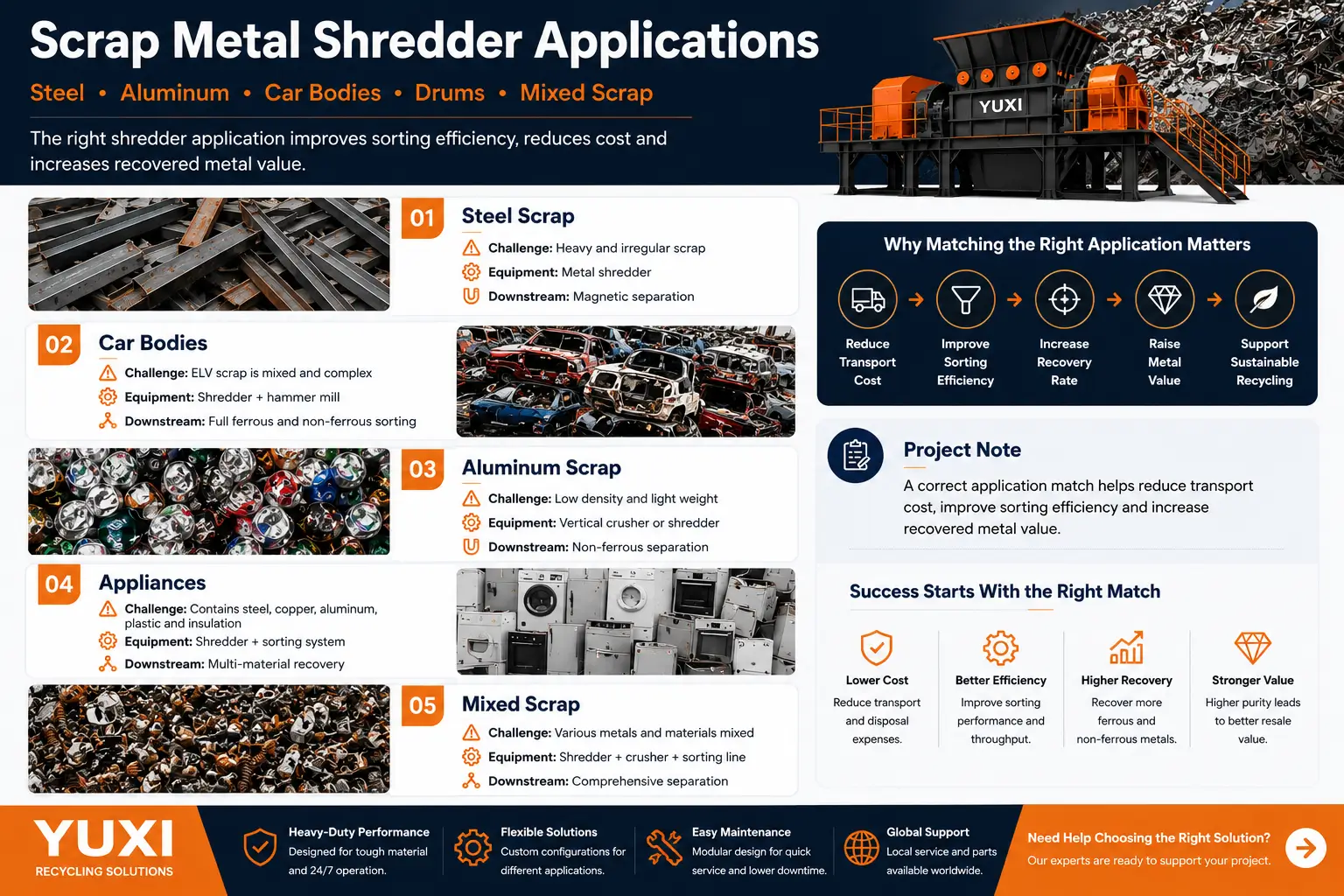
Image 1: Scrap metal shredder applications should be selected according to material type and recovery target.
Scrap metal varies widely, so processing methods can’t be one-size-fits-all. A shredder ideal for lightweight aluminum cans won’t cut it for car bodies. A system designed for end-of-life vehicles may be too large for a small factory handling thin production offcuts.
That is why experienced recyclers usually do not start with the question, “Which shredder is the best?” They start with the material: What is the scrap made of? How large is it? What’s its thickness? Is the metal clean, or mixed with plastic, rubber, glass, insulation and other impurities? What output size do you require after shredding? Does the plant only need volume reduction, or does it need ferrous and non-ferrous separation?
This article explains the most common scrap metal shredder applications and shows how different materials are usually processed in modern recycling plants. The purpose is not to list every possible scrap item. The purpose is to help buyers connect material streams with the correct equipment route, whether that is a standalone Metal Shredder Machine, a secondary Hammer Mill Metal Crusher, a Vertical Metal Crusher, or a complete metal recycling line.
Why Scrap Metal Shredding Is Indispensable
Many assume metal shredding merely breaks down oversized scrap into smaller pieces. Shredding does more than just shrink scrap. For recycling plants, it slashes volume, raises density, eases transport, prepares scrap for magnetic separation, improves non-ferrous metal recovery and keeps follow-up equipment running steadily.
For a scrap yard, the first benefit is usually handling. Oversized scrap occupies massive storage space, complicates loading operations and drives up transportation expenses. After shredding, materials are easier to load and flow seamlessly through conveyors and sorting machinery. For a recycling plant, the bigger benefit is often recovery value. When mixed materials are opened and reduced, ferrous and non-ferrous metals can be separated more effectively.
In a full metal recovery process, the shredder is often the first major machine. It breaks down bulky scrap and exposes the inner material structure. Crushers and hammer mills better separate metals, with sorting gear recovering steel, aluminum, copper, brass and other valuable materials. The Bureau of International Recycling lists sorting, dismantling, baling, shearing, shredding and other pre-smelting steps for non-ferrous recycling, proving shredding is only one link in the full recovery process. Source: Bureau of International Recycling
Steel Scrap Shredding Applications
Steel scrap is a primary shredder feedstock, sourced from demolition, fabrication workshops, repair shops, steel service hubs, production lines and scrap yards.
Common steel scrap sources
Typical feed materials include steel plates, steel sheets, rebar, structural steel, production offcuts, machine frames, shelves, drums and general industrial steel waste. Some scraps are thin and easy to shred, while bulky, twisted or irregular pieces require high-torque shredders with heavy-duty cutting chambers.
Reasons for Shredding Steel Scrap
Shredding cuts steel scrap volume, raises its density, simplifies handling, and preps it for furnace feeding or magnetic sorting. Oversized scrap is hard to load into containers, trucks and follow-up machines. Shredded steel processes more smoothly and saves storage room.
Recommended Equipment
Heavy-duty dual-shaft shredders serve as primary machines for regular steel scrap. Their low-speed, high-torque design easily grabs and tears irregular metal pieces.For projects requiring more uniform output or better liberation, a hammer mill metal crusher may be added after the primary shredder.
Project note: Steel scrap applications should not be selected by motor power alone. Blade thickness, shaft strength, gearbox protection, chamber size and overload protection matter just as much as the power rating.
Car Body and End-of-Life Vehicle Recycling Applications
ELV shredding brings high profits yet is more complex than ordinary steel scrap processing. Scrapped vehicles contain steel, aluminum, copper wiring, rubber, plastic, glass, foam and other non-metallic materials.Operators aim to crush car shells and extract valuable metals from mixed materials.
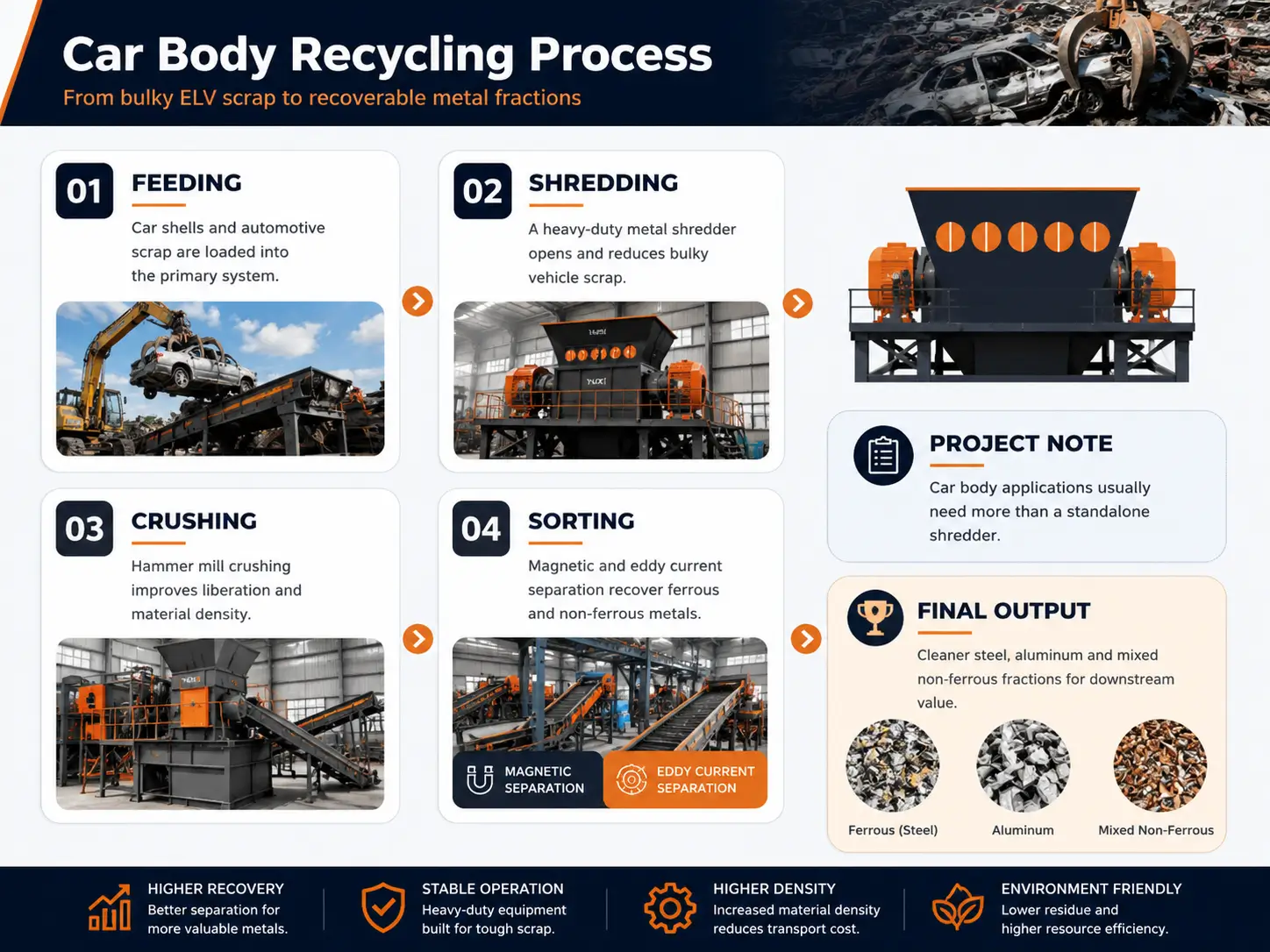
Image 2: Car body recycling normally requires shredding, crushing and downstream separation.
Typical materials include car shells, vehicle frames, doors, hoods, trunk lids, automotive steel, mixed vehicle scrap and some dismantled components. The challenge is the large input size and mixed composition. A normal light-duty shredder is not suitable for this type of application.
A practical vehicle recycling route may include primary shredding, hammer mill crushing, magnetic separation and eddy current separation. The primary shredder reduces the bulky car shell. The hammer mill improves material liberation and density. The magnetic separator removes ferrous metals. The eddy current separator helps recover non-ferrous metals such as aluminum. STEINERT explains that eddy current separators are widely used to recover marketable non-ferrous metal mixtures after preparation stages such as crushing, classification and magnetic separation. Source: STEINERT
For this application, YUXI would usually evaluate the full process instead of recommending only one machine. The right configuration depends on whether the customer handles whole car shells, pre-dismantled vehicle scrap, or mixed automotive metal after manual removal of hazardous components.
Aluminum Scrap and UBC Can Recycling Applications
Aluminum scrap is different from steel scrap. It is lighter, usually lower in density and often more valuable per ton. Common sources include used beverage cans, aluminum profiles, window frames, extrusion scrap, sheet scrap, automotive aluminum and mixed non-ferrous scrap.
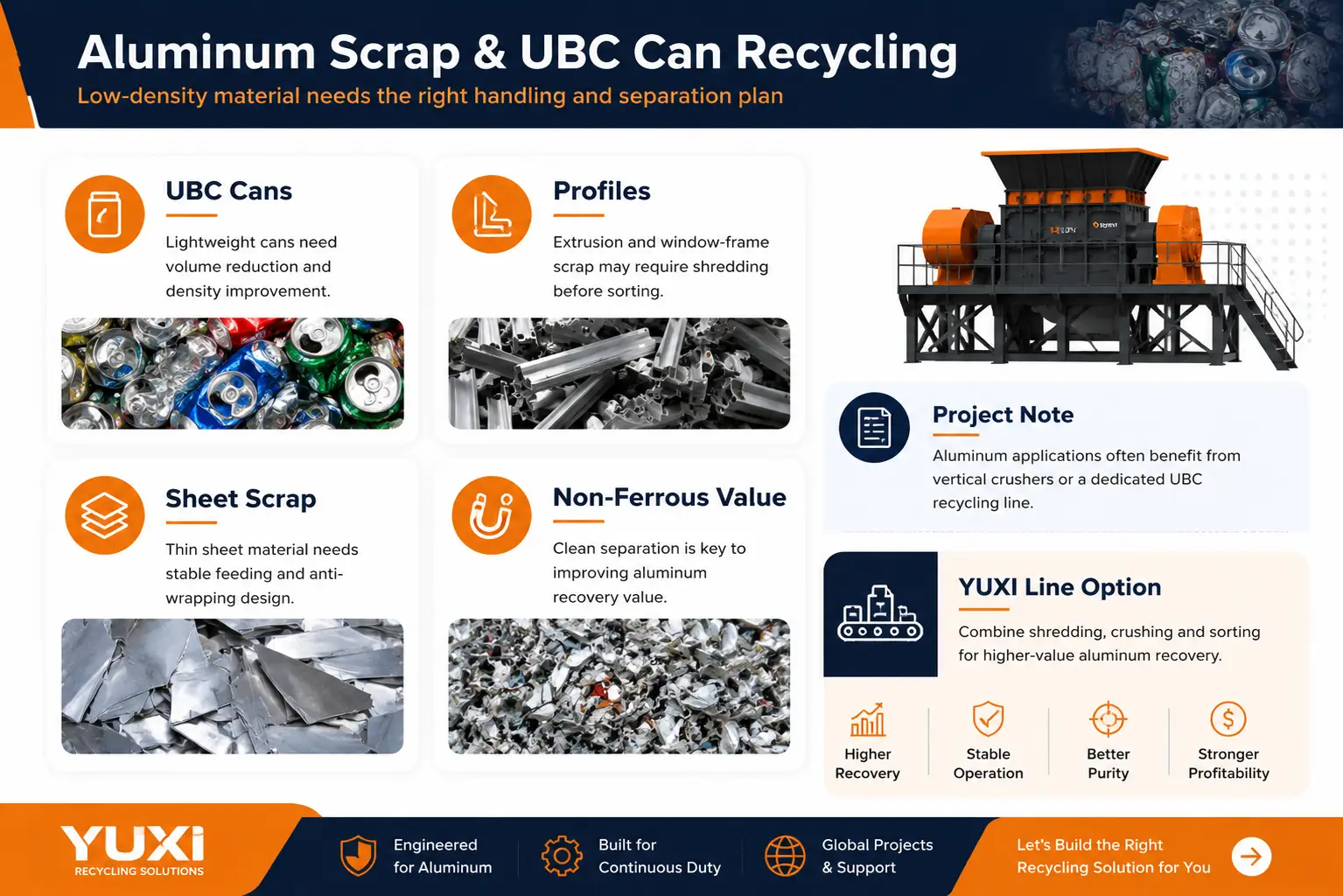
Image 3: Aluminum scrap applications focus on density improvement, handling and clean non-ferrous recovery.
The main challenge with aluminum is not always hardness. It is often feeding stability and density. Thin aluminum can bounce, flatten, wrap or pass through poorly matched equipment without enough reduction. UBC cans are light and bulky, which makes transportation inefficient if they are not compacted, crushed or shredded.
For aluminum cans and light aluminum scrap, a vertical metal crusher may be a good choice. For larger aluminum profiles or mixed aluminum scrap, a metal shredder can be used as a primary machine. For plants focused on higher recovery value, it is better to consider the full Aluminum UBC Scrap Recycling Line, which can combine feeding, crushing, density improvement and sorting.
Aluminum projects should also consider contamination. If the material includes steel caps, paint, plastic, rubber or other non-metallic components, downstream separation becomes more important. The value of aluminum recycling often depends on how clean and consistent the recovered aluminum fraction is.
Steel Drum and Metal Container Shredding
Steel drums and metal containers create a different kind of problem. They are often not very thick, but they are bulky and difficult to store. Oil drums, paint drums, chemical drums and industrial containers can occupy large warehouse space and make transportation inefficient.
Shredding drums reduces volume and prepares the steel for downstream recovery. A double shaft metal shredder is commonly used because it can grip the cylindrical shape and tear it open. If drums may contain residual liquid, paint, oil or chemicals, the recycling plant should confirm pre-treatment and safety procedures before shredding.
This is where application judgment matters. A supplier should not simply say, “Yes, the shredder can process drums.” The better discussion is: What kind of drum? What volume? Is it empty? Is it contaminated? What output size do you need? Will the material go to magnetic separation or direct sale after shredding?
Appliance and White Goods Recycling
White goods are widely recycled in municipal, commercial and industrial facilities. Covering washers, dryers, ovens, air conditioners and fridge components, they contain steel, aluminum, copper, plastic, rubber and insulation.
The main challenge is mixed material. A washing machine is not just a steel box. It may contain copper motors, wiring, plastic panels, rubber seals and internal components. A refrigerator may involve additional safety and environmental handling requirements depending on local rules and pre-treatment procedures.
For appliance recycling, shredding helps open the structure and prepare the material for separation. After shredding, magnetic separation can recover ferrous steel. Additional sorting can recover non-ferrous metals. Dust control and safe feeding layout should be considered, especially when processing mixed appliances at scale.
Copper & Aluminum Radiator Scrap Recycling
Radiators and heat exchangers are high-value scrap loaded with copper and aluminum, sourced from vehicles, HVAC systems, industrial exchangers and AC parts.
The difficulty lies in copper and aluminum being tightly bonded together.If the material is not opened or reduced properly, separation is less efficient. Shredding or crushing can help liberate the material before the final copper-aluminum separation process.
Radiator recycling is a good example of why “metal shredder applications” should not stop at size reduction. The target is not only smaller material. The real target is cleaner copper and aluminum recovery. The complete process may include pre-cutting, shredding, crushing, air separation or other sorting steps depending on the material.
Motor Rotor and Stator Recycling
Electric motors are another important scrap stream. They contain steel, copper windings and other components. Sources include industrial motors, pump motors, automotive motors and electrical equipment.
Motor scrap is difficult because metals are tightly combined. Motors are either manually disassembled or mechanically processed. Shredding breaks them open, yet follow-up separation is required to extract copper and steel efficiently.
Buyers need to confirm if the plant handles intact motors, rotors, stators or pre-disassembled parts.Each feed condition requires a different approach.
Construction & Demolition Metal Scrap
Construction waste includes structural steel, roof sheets, frames, rebar, pipes and assorted metal scraps, usually irregular and mixed with concrete, wood, plastic and other impurities.
Shredding helps reduce size and improve handling, but the plant must pay attention to contamination. Hard non-metallic materials such as stones or concrete pieces can increase blade wear and damage risk. A good application plan should include material inspection and pre-sorting before shredding.
Manufacturing Scrap Recycling
Factories produce metal scrap daily.Examples include stamping scrap, punching scrap, sheet offcuts, production rejects, metal turnings and workshop waste. This is a different application from car body or demolition recycling because the material source is usually more consistent.
Shredders cut storage space and boost factory scrap recycling efficiency for easier transport and sales. Many plants shred waste on-site to lower frequent scrap hauling costs.
The key questions are daily volume, material type, scrap shape and whether the plant wants to sell the shredded material or reuse it internally. A compact shredder may be enough for some production sites, while larger plants may need conveyors and automatic discharge.
Scrap Metal Shredder Application Selection Matrix
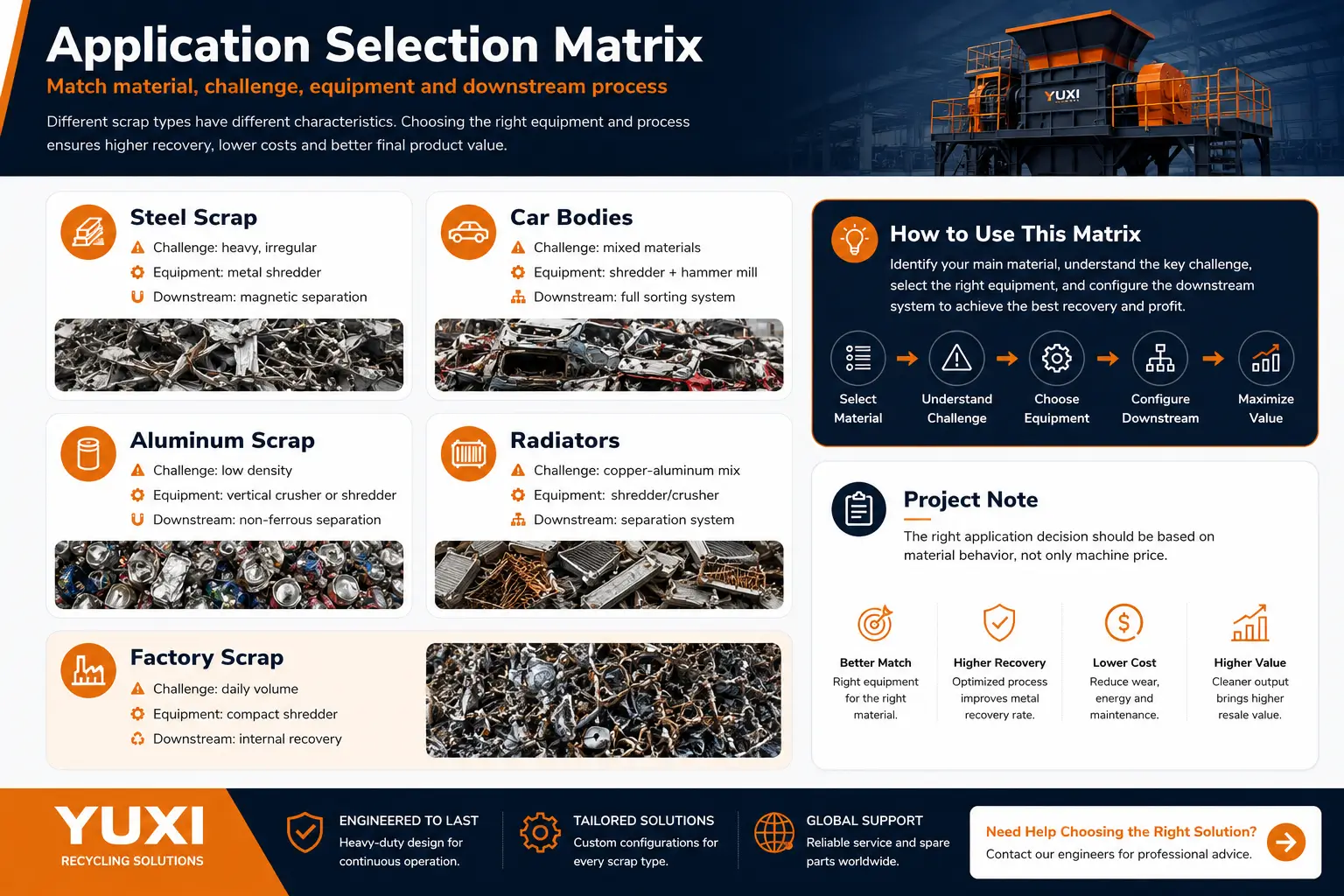
Image 4: Match the application to the material challenge, machine type and downstream process.
| Application | Main challenge | Recommended Equipment | Downstream process |
|---|---|---|---|
| Steel scrap | Heavy, irregular and bulky | Metal shredder machine | Magnetic separation |
| Car bodies | Large input and mixed materials | Metal shredder + hammer mill | Magnetic + eddy current separation |
| Aluminum cans | Low density and light material | Vertical crusher or aluminum recycling line | Non-ferrous recovery |
| Steel drums | Bulky cylindrical containers | Double shaft metal shredder | Steel recovery |
| Appliances | Mixed metal, plastic and components | Pre-shredder and sorting line | Ferrous and non-ferrous sorting |
| Radiators | Copper-aluminum bonded structure | Shredder or crusher | Copper-aluminum separation |
| Manufacturing scrap | Daily handling and storage cost | Compact or medium metal shredder | Internal recycling or direct sale |
When Is a Standalone Shredder Enough?
A standalone shredder may be enough when the main goal is volume reduction, easier handling or lower transportation cost. For example, a scrap yard that sells shredded steel directly may not need a full sorting system at the beginning. A factory that only wants to reduce production offcuts may also choose a simple shredder and discharge conveyor.
Mixed scrap aiming for high recovery gains cannot rely solely on a shredder. While shredding breaks materials apart, sorting yields purer, more valuable metal fractions.
When Do You Need a Complete Metal Recycling Line?
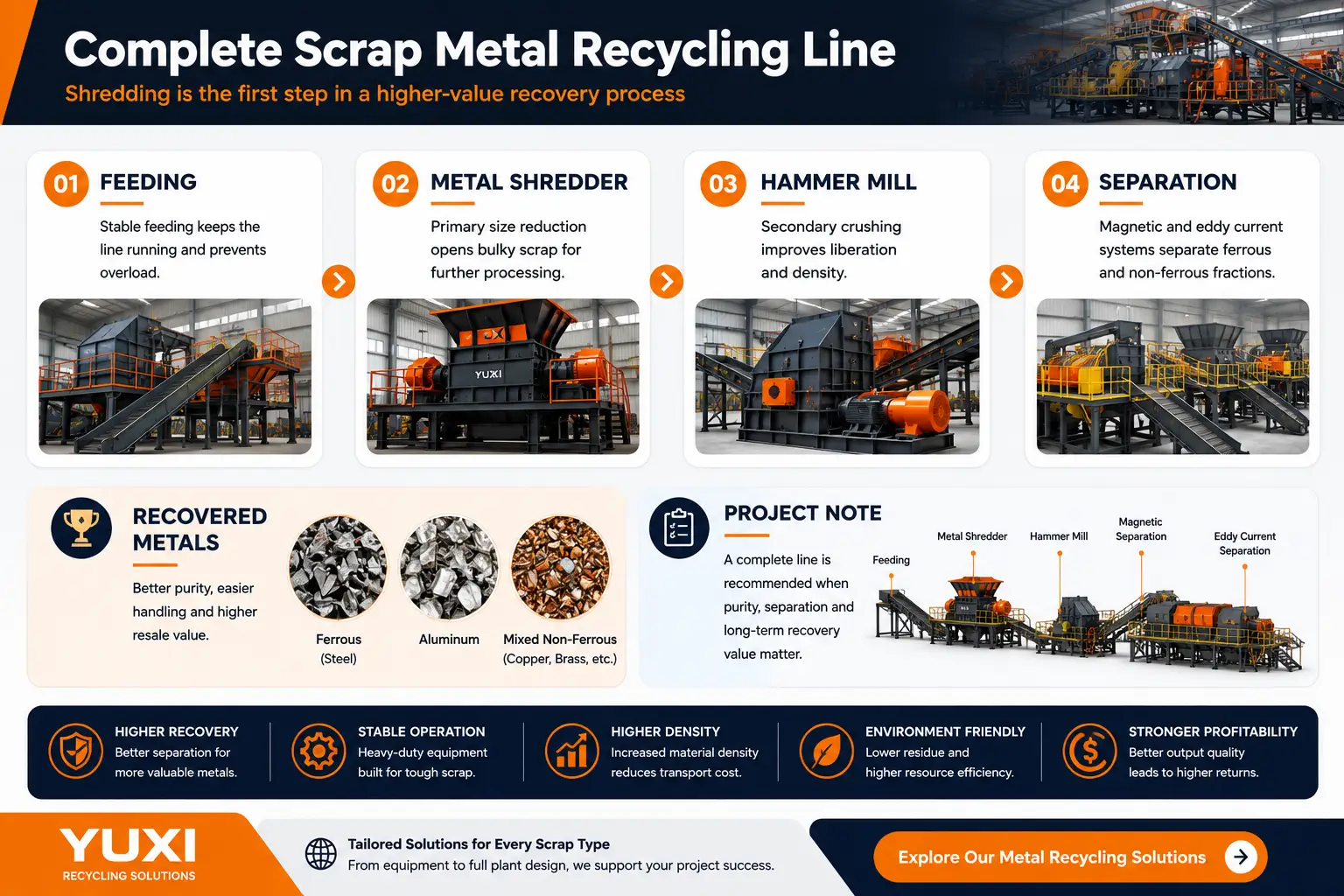
Image 5: A complete line is recommended when separation, purity and long-term recovery value matter.
A complete line is usually recommended when ferrous and non-ferrous separation matters, when aluminum or copper recovery is important, when the plant processes car bodies or mixed appliances, or when the final product needs better purity.
A complete YUXI metal recycling system generally consists of feeding conveyors, metal shredders, hammer mill crushers, magnetic separators, eddy current separators, dust removal units and a central control system. According to Bunting Magnetics, eddy current separators are extensively adopted in recycling lines to extract non-ferrous metals from mixed material flows. Source: Bunting Magnetics
Common Application Mistakes
Buying only by price
A low quotation does not prove the machine fits the material. Wrong application matching often creates higher operating cost later.
Ignoring material details
Thickness, input size, contamination and mixed components change the machine configuration.
Forgetting downstream sorting
If you want better recovery value, plan magnetic and non-ferrous separation from the beginning.
Using light-duty machines for heavy scrap
Heavy steel, car bodies and demolition scrap require stronger shafts, blades and chamber structure.
Underestimating blade wear
Contaminants, hard pieces and irregular feeding can shorten wear-part life.
No expansion plan
Many recycling plants outgrow their first equipment. Leave space for capacity and sorting upgrades.
Safety and Practical Operation
Scrap metal recycling involves heavy, sharp and irregular materials. Safety design shall be reviewed prior to equipment installation, covering safety guards, emergency stop devices, lockout-tagout protocols, feed clearance and maintenance access. OSHA points out that metal scrap recycling staff face risks during material handling and machine operation; proper machine guarding is mandatory to avoid contact with dangerous moving components. Source: OSHA
Safety isn’t just down to the people running the machines. If you sort out your factory layout, keep materials feeding steadily, fit proper access doors, add overload safeguards and set aside clear space for maintenance, you’ll avoid most unnecessary risks and cut machine downtime too.
Wrap-up
The best scrap metal shredder application starts with the material. Steel scrap, aluminum cans, car bodies, drums, appliances, radiators, motors and factory scrap all require different decisions. The correct answer is not always the biggest machine or the cheapest machine. It is the machine and process route that match the real scrap stream.
If your goal is simple volume reduction, a standalone metal shredder may be enough. If your goal is higher metal recovery value, you should plan the shredder together with crushing, magnetic separation, eddy current separation and dust control.
For buyers who are not sure where to start, send YUXI material photos, input size, estimated capacity and final product requirement. With all these parameters confirmed, YUXI can assess whether you only require a single Metal Shredder Machine, a Hammer Mill Metal Crusher, a Vertical Metal Crusher, or a complete integrated metal recycling line.
Not sure which shredder fits your scrap type? Get in touch with YUXI for professional matching recommendations.
Share your material type, input size, daily capacity target and required output. YUXI can suggest a practical shredding, crushing and separation configuration.
Contact YUXIFAQ: Scrap Metal Shredder Uses
What kinds of scrap can you run through a metal shredder?
It can process steel scrap, aluminum scrap, car bodies, metal drums, appliances, radiators, motor scrap, construction metal waste and mixed industrial scrap, depending on the machine configuration.
Will this machine tear up whole car bodies?
Yes, but car body recycling normally requires a heavy-duty shredder and downstream separation equipment.
Does it work for aluminum cans?
Yes. UBC cans can be shredded or crushed to improve density, handling and recovery value.
Which shredder handles steel barrels the best?
A double shaft metal shredder is commonly used because it can grip and tear bulky cylindrical containers.
Can appliances be shredded?
Many appliances can be shredded, but some materials may require pre-treatment and safety handling.
Do radiators need shredding before separation?
Radiators often benefit from shredding or crushing because it helps liberate copper and aluminum.
Can one shredder process mixed scrap?
Yes, but the shredder should be selected according to the hardest and most irregular materials in the mix.
Do I need a hammer mill after shredding?
You may need a hammer mill when smaller, denser and better-liberated output is required for separation.
What output size is best for scrap metal recycling?
It depends on whether the goal is volume reduction, furnace feeding, sorting efficiency or higher metal recovery value.
How do I choose the right shredder application?
Start with material type, input size, thickness, capacity, required output and downstream separation goal.