Your Location:
  1. Home > 
  2. Metal Recycling Solutions
Used beverage can recovery and preparation

UBC Aluminum Can Recycling Line

A configurable system for receiving loose or baled used beverage cans, removing steel and non-can residue, opening dense bales when required, and producing a controlled UBC fraction or transport-ready aluminum bales.


Choose by Feed Condition

Accepted feedEmpty aluminum beverage cans supplied loose, compacted, baled or recovered from dry recyclables.
Three configurationsLoose-can baling, mixed-stream can recovery, or baled-UBC opening and preparation.
Project outputSorted UBC, opened can pieces, dense bales, ferrous rejects and non-metal residue.

Quick answer

What Is a UBC Recycling Line?

UBC means used beverage can or used beverage container. In industrial recycling, the feed may arrive as loose cans from a collection center, a can-rich fraction from a material recovery facility, or dense bales delivered for further cleaning and mill preparation.

The correct line does not automatically start with a shredder. Clean loose cans may only need inspection, ferrous removal and baling. Mixed containers may need screening, a magnet and an eddy current separator. Dense UBC bales may need opening and downsizing so trapped steel, plastic, glass and other residue can be released.

This page is intentionally limited to aluminum beverage cans. Profiles, wheels, machining chips and mixed aluminum parts belong on the broader scrap aluminum recycling line page.

UBC aluminum can recycling and baling line

Configuration selector

Choose the Line by Incoming UBC Condition

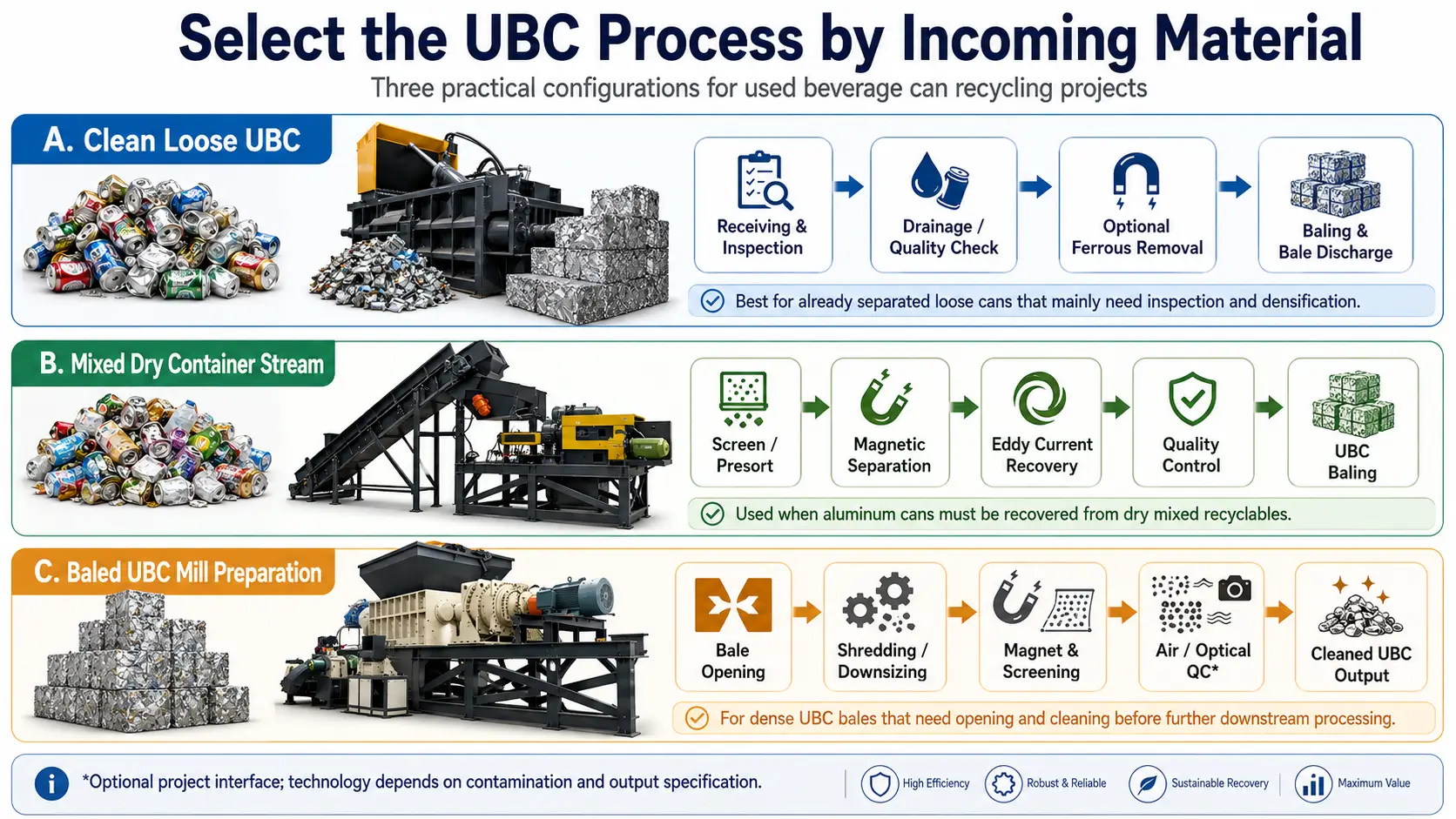
Three projects may all be called “UBC recycling,” but the equipment and investment can be very different. Start with the actual feed and the required output.

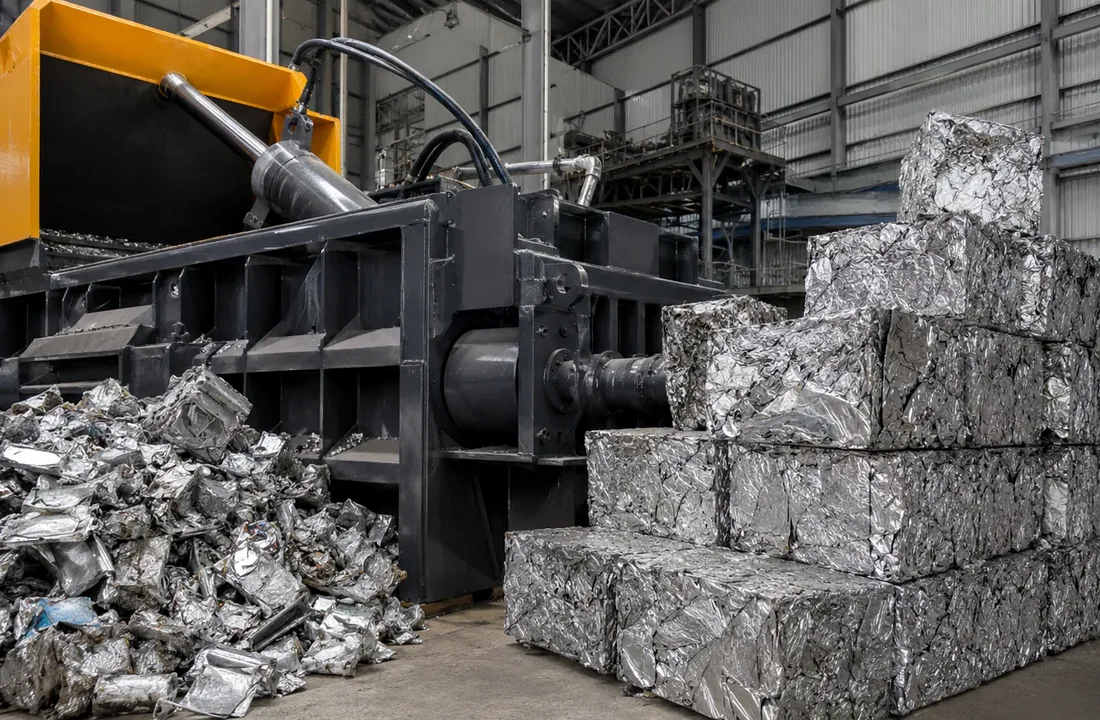
Industrial aluminum can baling line for loose UBC

Route A

Clean Loose UBC Baling

For cans that are already separated from the main recycling stream and need controlled inspection and densification.

  • Receiving conveyor
  • Liquid and contamination check
  • Optional magnetic removal
  • Hydraulic baling and discharge
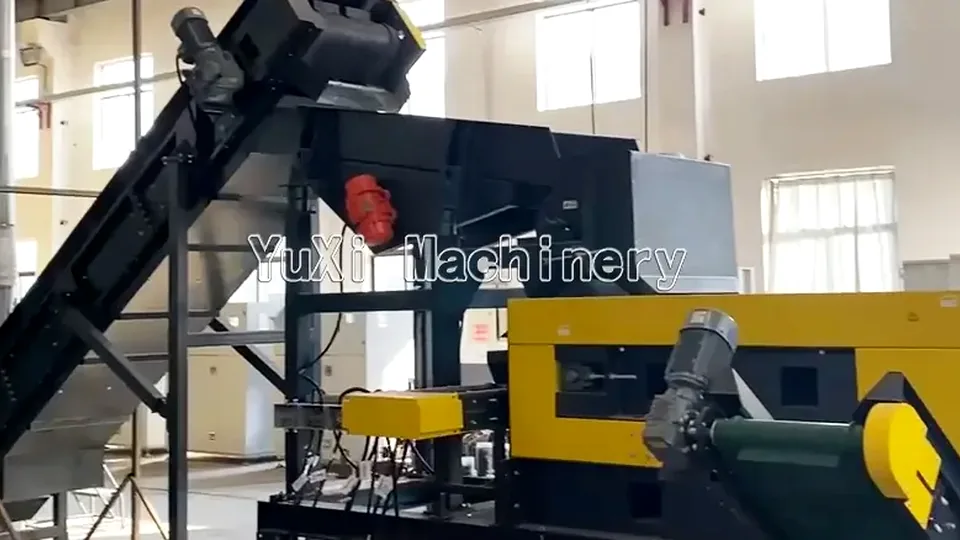
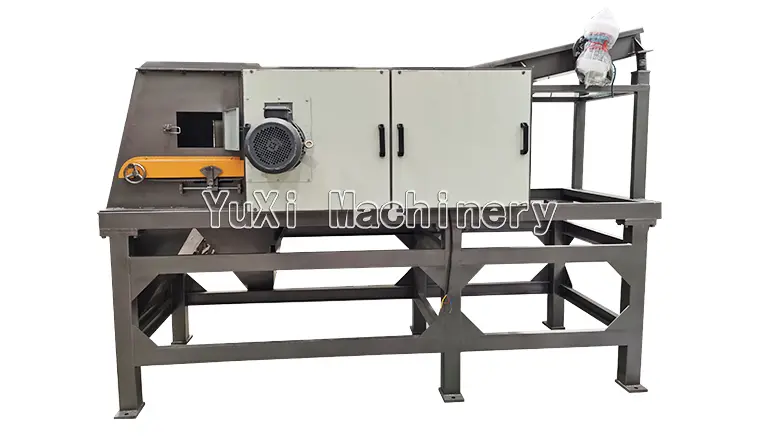
Conveyor and sorting equipment for recovering aluminum cans

Route B

Mixed-Stream Can Recovery

For dry recyclable streams where aluminum cans must be separated from steel containers, plastic, paper or glass.

  • Presort or screening
  • Magnetic removal of steel
  • Eddy current aluminum recovery
  • Quality control and baling
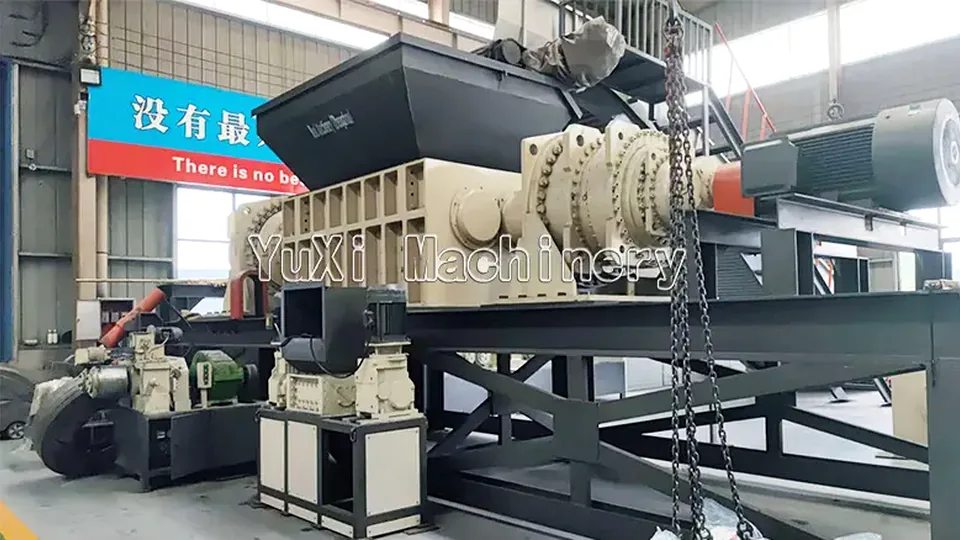
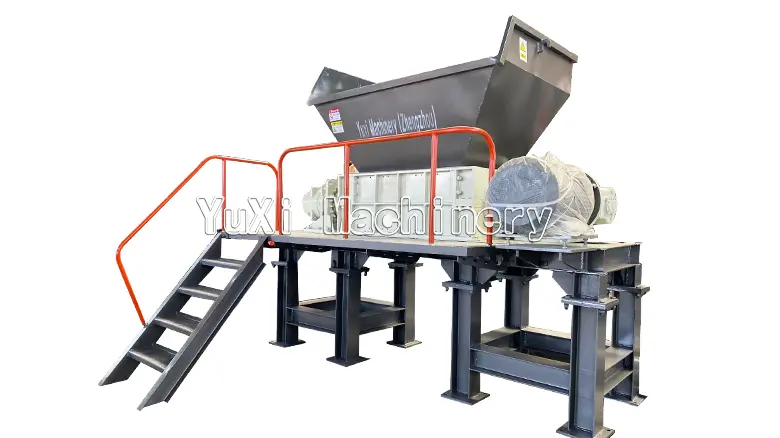
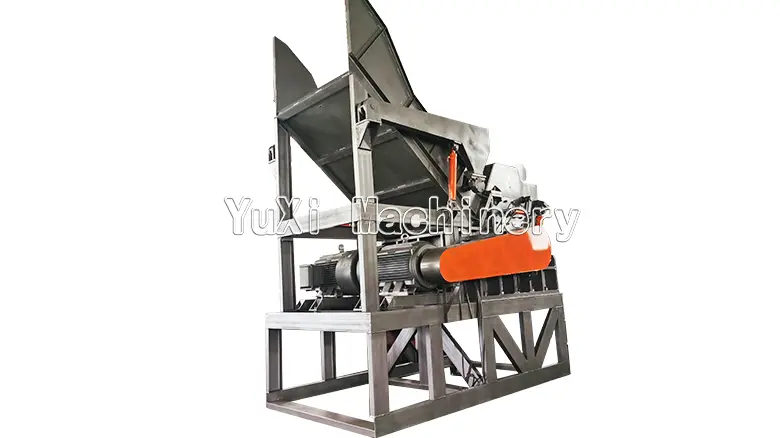
Industrial shredder used to open and downsize baled UBC

Route C

Baled UBC Mill Preparation

For dense bales that must be opened or downsized before steel and non-can contamination can be removed.

  • Bale breaking or controlled shredding
  • Magnetic separation
  • Screening or light-fraction removal
  • Loose cleaned output or rebaling

UBC aluminum can recycling line configurations for loose cans, mixed dry recyclables and baled UBC

Do not over-process clean cans

When Is Shredding Necessary?

A primary shredder is useful when dense bales must be opened, when cans are nested or compressed around contaminants, or when downstream sorting needs a smaller and more consistent material stream. The machine should open and downsize the feed without turning a simple baling project into an unnecessarily complex plant.

For clean loose UBC, direct inspection and baling may be the lower-cost route. For mixed dry recyclables, whole-can recovery with magnetic and eddy current separation may be more appropriate before the aluminum fraction is baled. A metal shredder is therefore an optional process tool, not a mandatory first step in every UBC project.

Practical rule

Use the least complex route that consistently meets the buyer’s output specification. Add bale opening, shredding, screening, air separation or optical quality control only when the feed contamination and product requirements justify them.

Equipment selection

Main Equipment and When It Is Needed

Equipment Main job Use it when It may be unnecessary when Information needed for selection
Receiving conveyor Provides controlled feeding and an inspection area. The project needs continuous loading, manual inspection or connection between machines. A small operation loads a single baler directly under controlled conditions. Feed method, conveyor width, material layer, hourly volume and site layout.
Bale breaker or shredder Opens dense bales and releases trapped contamination. UBC arrives in compact bales or must be downsized for further cleaning. Loose, clean cans can be inspected and baled directly. Bale dimensions, bale weight, wire or strap type, density and desired output size.
Magnetic separator Removes steel cans, strapping, fasteners and other ferrous pieces. Steel contamination is present or the line feeds an eddy current separator. The UBC stream has been verified as effectively free of ferrous material. Material size, layer thickness, belt speed and expected ferrous content.
Screen Removes fines or separates material into controlled size ranges. Dirt, glass fines, labels or size-sensitive downstream sorting must be managed. The input is a clean, uniform loose-can stream going directly to a baler. Required cut size, fines percentage, moisture and throughput.
Eddy current separator Recovers aluminum cans from non-metal dry recyclables. UBC must be separated from plastic, paper, glass or a mixed container fraction. The feed is already a clean aluminum-can fraction. Particle or container size, belt loading, non-metal composition and recovery target.
Air or optical quality control Removes light residue or identifies remaining non-can items. The buyer requires tighter quality control after opening or mixed-stream recovery. Manual inspection and basic physical separation already meet the specification. Contaminant type, size, color, density, required output and available project scope.
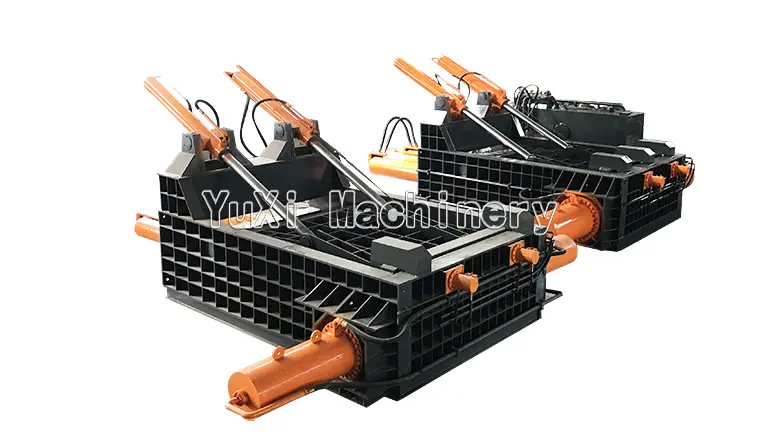
Metal baler Compresses loose UBC into dense transport-ready bales. The final product is a bale for storage, transport or sale to a mill. The downstream mill accepts loose opened UBC directly. Required bale size and weight, feed rate, tying method and discharge direction.

Contamination control

Steel, Liquid, Plastic and Glass Change the Line

Steel beverage or food cans should be removed magnetically before the aluminum fraction reaches sensitive downstream sorting. Residual liquid adds unnecessary weight and can create odor, corrosion and housekeeping problems. Plastic bottles, labels, caps, glass and paper may require screening, air separation, eddy current recovery or optical quality control depending on the feed source.

The line should not be specified from a photograph of “aluminum cans” alone. A representative sample should be checked for contamination by weight, can condition, moisture, nested material and any non-UBC items hidden inside compacted bales.

Why the sequence matters

Free iron is normally removed before eddy current separation. The eddy current unit is then used to recover conductive non-ferrous material—such as aluminum cans—from a suitable non-metal stream. It does not separate aluminum-can alloys or replace final quality inspection.

Feed Acceptance Must Be Defined Before Equipment Selection

Normally Accepted

  • Empty aluminum beverage cans
  • Loose or compacted UBC fractions
  • Baled UBC within confirmed bale dimensions
  • Dry MRF aluminum-can fractions
  • Limited steel, plastic, labels and residue when the contamination level is disclosed

Remove or Reject

  • Aerosol cans and pressurized cylinders
  • Lithium batteries and electronic devices
  • Full or sealed containers with unknown liquids
  • Large steel pieces and hard foreign objects
  • Bulk glass, wet organics or hazardous residue
  • Material outside the confirmed feed specification

Feed photos, videos and representative samples should be reviewed before the final equipment configuration is confirmed. Contamination type, moisture, bale density and hidden non-UBC material can change the required process.

Process boundary

Where This Line Fits in Can-to-Can Recycling

Material recovery facilities commonly sort and bale UBC before the material is sold to an aluminum mill. At the mill, bales may be shredded so non-aluminum components can be removed before downstream decoating and melting. The Can Manufacturers Institute illustrates this separation between MRF sorting and baling, mill preparation, thermal coating removal and remelting in its recycling process roadmap.

Standard page scope

This YUXI page covers physical receiving, conveying, bale opening or shredding, magnetic separation, screening, optional non-ferrous recovery, quality control and baling. Delacquering, washing, drying, melting furnaces, alloy adjustment, rolling and ingot casting are separate downstream systems unless they are explicitly included in the contract.

Final product

Possible UBC Outputs

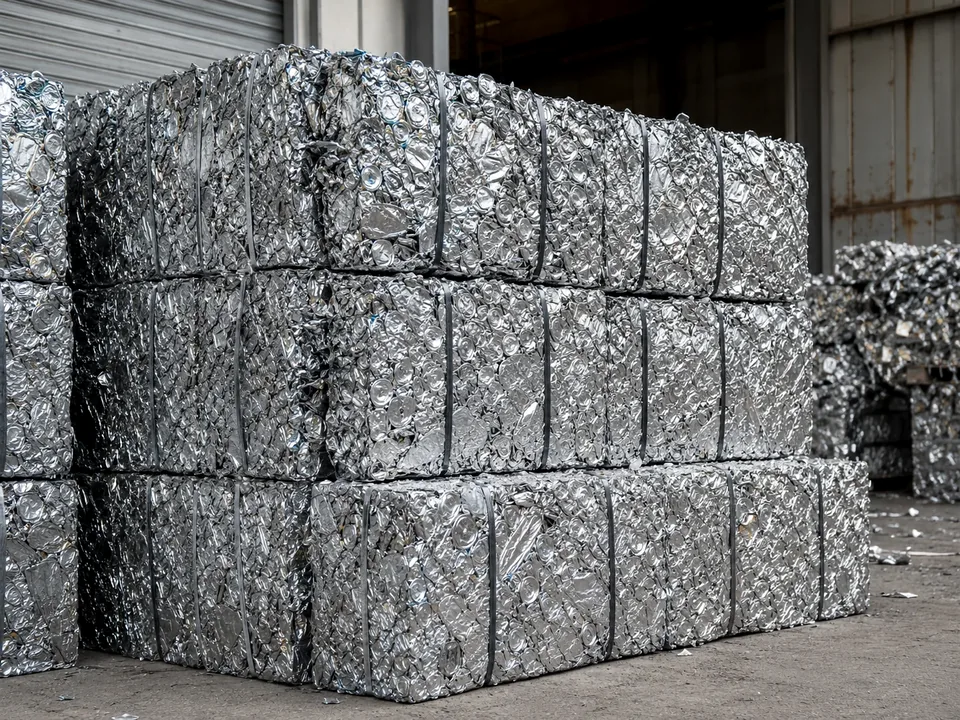
Dense aluminum UBC bales ready for storage and transport

Transport-Ready UBC Bales

Loose or recovered cans compressed to the buyer’s agreed bale dimensions and handling requirements.

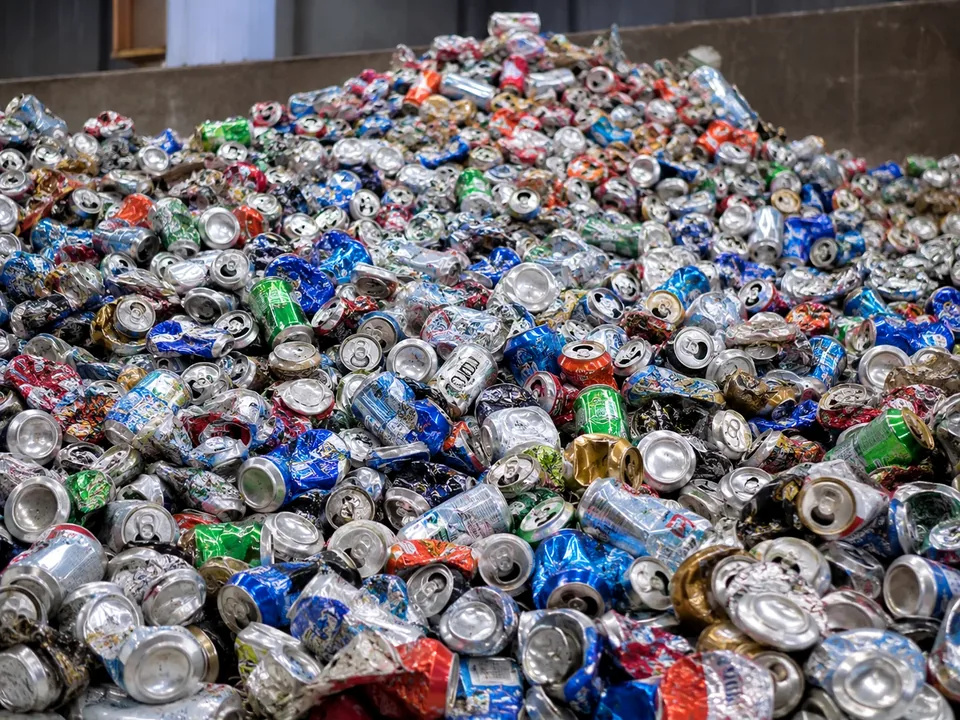
Loose sorted aluminum used beverage cans

Sorted or Opened UBC

A controlled loose fraction for further inspection, mill preparation or a downstream process specified by the buyer.

Separate ferrous fraction: steel cans, straps and other magnetic pieces removed from the UBC stream.
Non-metal reject: plastic, paper, glass, dirt and other residue separated according to the installed process.
Quality statement: output quality must be tied to a defined feed, sampling method and acceptance specification.
No blanket purity claim: do not publish a fixed recovery or purity number without a comparable test.

Capacity and quotation

What Determines Real UBC Line Capacity?

Loose cans have a very low bulk density, while compacted and baled UBC behaves differently during feeding and opening. The line bottleneck may be the baler, bale opener, inspection station, magnet, screen or final quality-control stage—not the largest motor in the system.

Feed condition

Loose, flattened, compacted or baled cans; bale dimensions, weight, density and strapping.

Contamination

Steel cans, plastic, paper, glass, liquids, dirt, organics and non-beverage aluminum.

Required process

Simple baling, can capture from mixed recyclables, or opening and cleaning of dense bales.

Final product

Loose UBC, opened pieces, bale size and weight, quality limit and mill specification.

Operating conditions

Daily working hours, loader or conveyor feeding, power standard and available floor space.

Project scope

Dust control, PLC, optical interface, installation, training, spare parts and acceptance testing.

Hydraulic aluminum can baling system and finished UBC bales
Baling requirements

Specify the Bale, Not Just the Press Force

A UBC baler should be selected around the incoming feed rate, required bale dimensions, target bale weight, tying method and the way bales will be handled. A larger hydraulic force does not by itself guarantee higher production or a better bale.

Discuss whether the line receives loose cans continuously or in batches, whether the bale must fit a container or mill specification, and whether the preferred discharge is side-push or another arrangement. YUXI’s metal baling machines can be matched to the confirmed feed and bale requirement.

Safety and housekeeping

Feed Preparation and Exclusions

Only emptied, non-pressurized beverage cans should enter the confirmed UBC process. Remove aerosol cans, gas cylinders, batteries, electronic devices, flammable or hazardous containers, large steel pieces and unidentified sealed packages. Provide drainage and housekeeping measures for residual liquid, and follow local machine guarding, lockout, fire protection, dust and environmental requirements.

Buyer questions

UBC Aluminum Can Recycling Line FAQ

What does UBC mean in aluminum recycling?

UBC means used beverage can or used beverage container. On this page it refers to post-consumer aluminum drink cans, supplied loose, compacted, baled or recovered from a mixed dry-recyclables stream.

Can the line process both loose and baled UBC?

Yes, but the equipment arrangement is different. Loose cans may only need inspection, ferrous removal, quality control and baling. Dense bales may require bale opening and downsizing before contaminants can be released and removed.

Does every UBC project need a shredder?

No. Clean loose cans can often be sorted and baled without shredding. A shredder or bale opener is considered when bales must be opened, cans need to be downsized, or trapped contamination must be released before downstream sorting.

When is an eddy current separator needed?

An eddy current separator is useful when aluminum cans must be recovered from a mixed dry stream containing plastics, paper, glass or other non-metal material. It may be unnecessary when the incoming material is already a clean UBC fraction.

Why is magnetic separation installed before eddy current separation?

The magnet removes steel cans, straps, fasteners and other ferrous pieces. Removing free iron protects downstream sorting equipment and prevents ferrous contamination in the aluminum product.

Can wet or full cans enter the line?

Incoming UBC should be emptied. Residual liquid increases weight, odor, corrosion, housekeeping and quality-control problems. Full, sealed or unidentified containers should be removed before mechanical processing.

Does the line include delacquering and melting?

Not unless those systems are specifically included in the project scope. The standard page covers receiving, opening or shredding, physical separation, quality control and baling. Thermal decoating, furnaces and ingot casting are downstream mill processes.

What output can the UBC line produce?

Depending on the selected route, the line can produce sorted loose UBC, opened or downsized aluminum-can material, dense UBC bales, a separated ferrous fraction and non-metal rejects.

How is line capacity selected?

Capacity depends on whether the feed is loose or baled, bale size and density, contamination level, required sorting depth, loading method, operating hours and final bale or loose-output specification. Material samples or a representative test are recommended.

What information is required for a quotation?

Provide material photos and video, loose or baled condition, bale dimensions and weight, contamination types and percentages, required tons per hour, final product, power supply, workshop space and the required installation and control scope.

Send Your UBC Feed and Bale Requirements

Provide photos or video, loose or baled condition, bale dimensions and weight, contamination, required tons per hour, final product, power supply and workshop size. YUXI will recommend the simplest line that meets the required output.


Aluminum UBC Scrap Recycling Line Guides
need some help?
  • We are here for your questions anytime 24/7, welcome your consultation.
  • Parts of original factory.
  • Installation and maintenance.
  • Latest price of crushers.
  • Operation training.
What are your preferences or customization needs?
  • *
  • *

Submit Your Inquiry

* Required fields

+86-13674998188
WhatsApp:+86 13674998188