


 Request Quote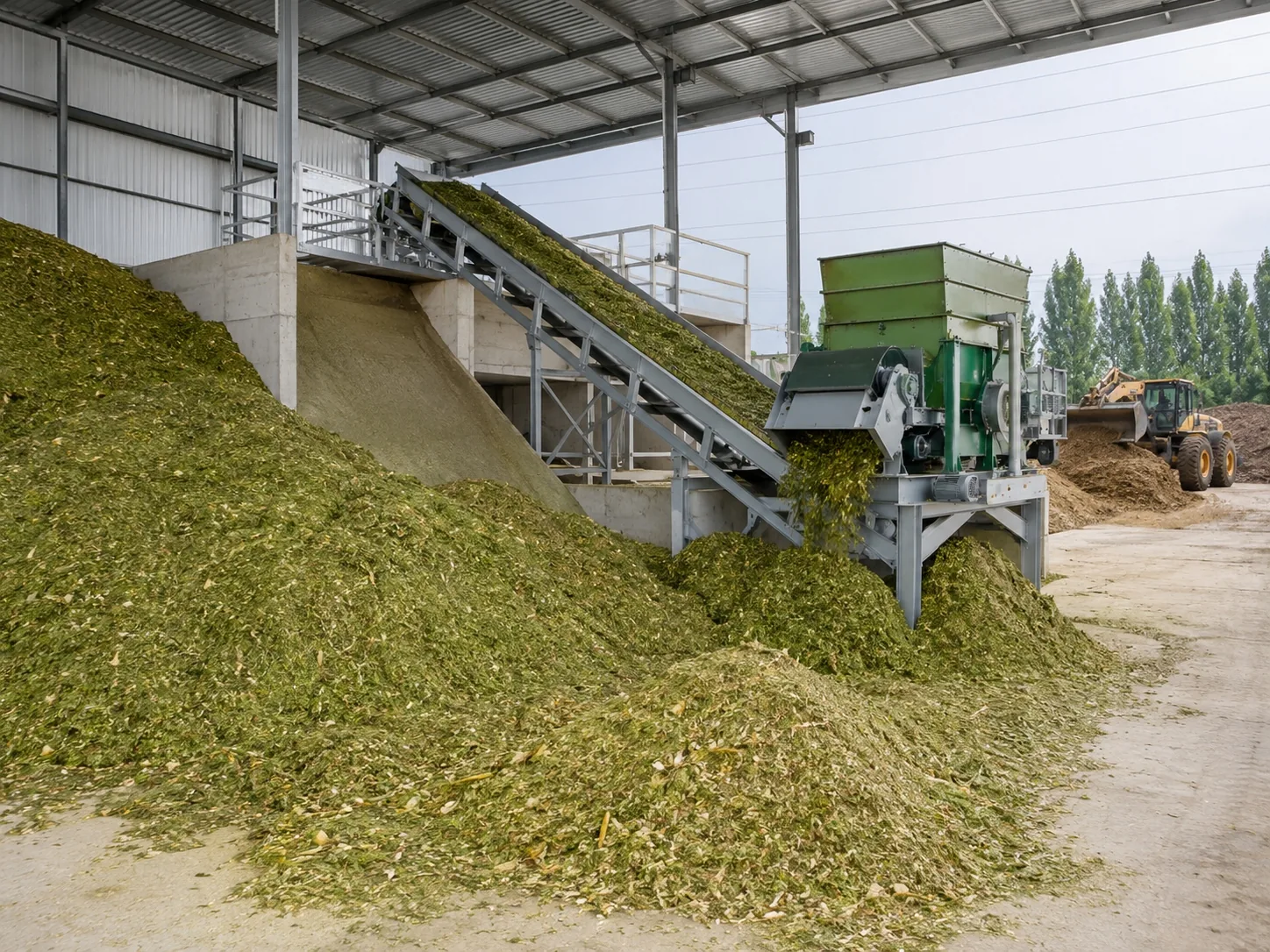
Silage Resource Recycling Project
A crop-residue preparation system for farms and livestock projects handling suitable stalks and plant material.

Industrial Biomass Size Reduction
A configurable processing line for straw, corn stalks, sugarcane bagasse, branches, garden waste, waste wood and pallets. The system reduces bulky, irregular biomass into controlled material for fuel preparation, composting, bedding, silage-related applications or downstream processing.
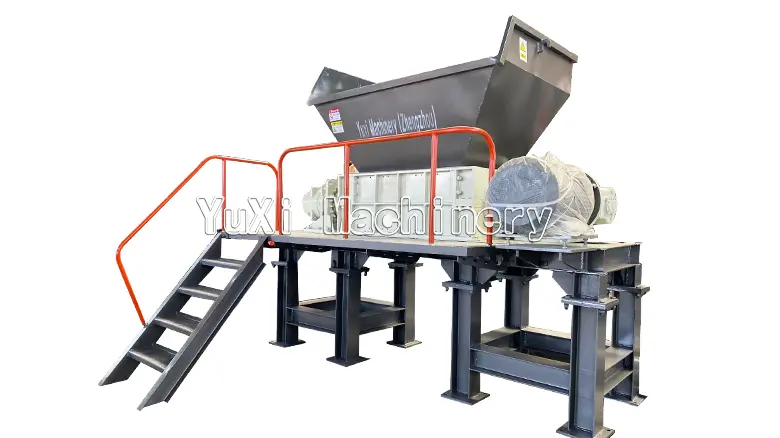
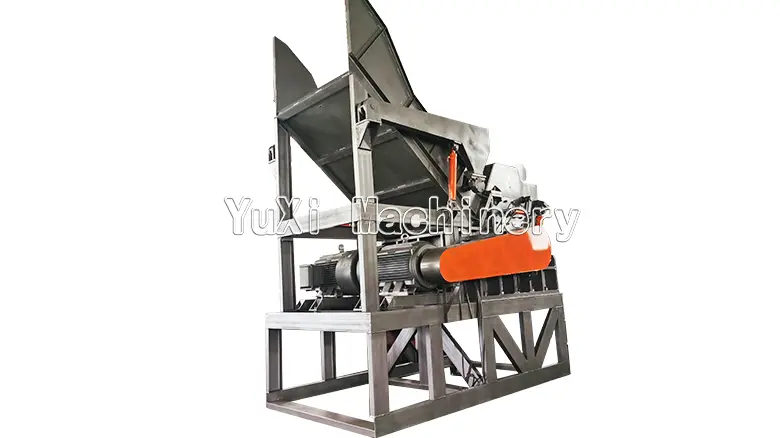
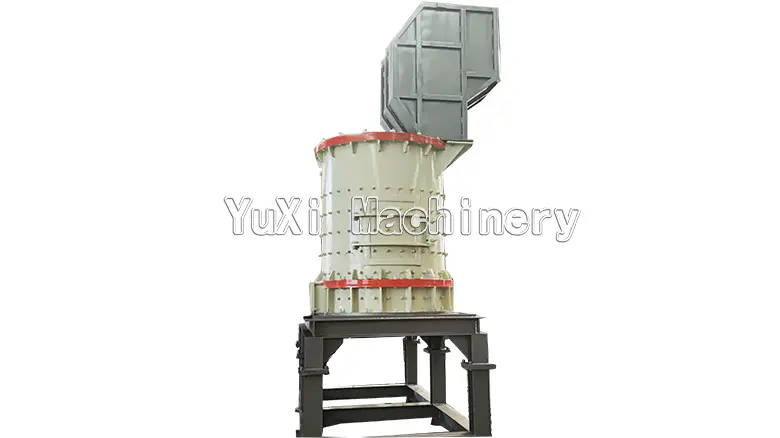
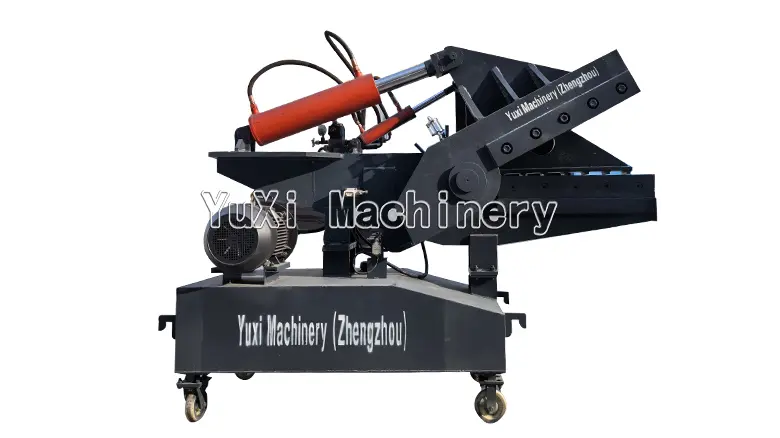
A biomass line must be selected around the actual feedstock. Long, dry straw behaves differently from wet bagasse. Branches require a different cutting action from baled crop residues, while pallet processing normally needs metal removal. YUXI configures feeding, primary shredding, fine crushing, screening, dust control and discharge around the material and the required downstream use.
The line is designed for industrial projects that need stable feeding, controlled size reduction and cleaner material flow before the next process.
In practice, the difficult part is rarely “making material smaller.” It is keeping light fibers, long stalks, wet organic matter and mixed woody pieces moving through the line without bridging, wrapping or overloading downstream equipment.
For that reason, the front end may use a chain conveyor, belt conveyor, walking floor, bale breaker or loader-fed hopper. Primary shredding opens and shortens the material. Fine crushing is added only when the required output justifies the extra power, wear and dust load. Screens, magnetic separation and storage buffers are selected according to contamination and the stability required by the next process.
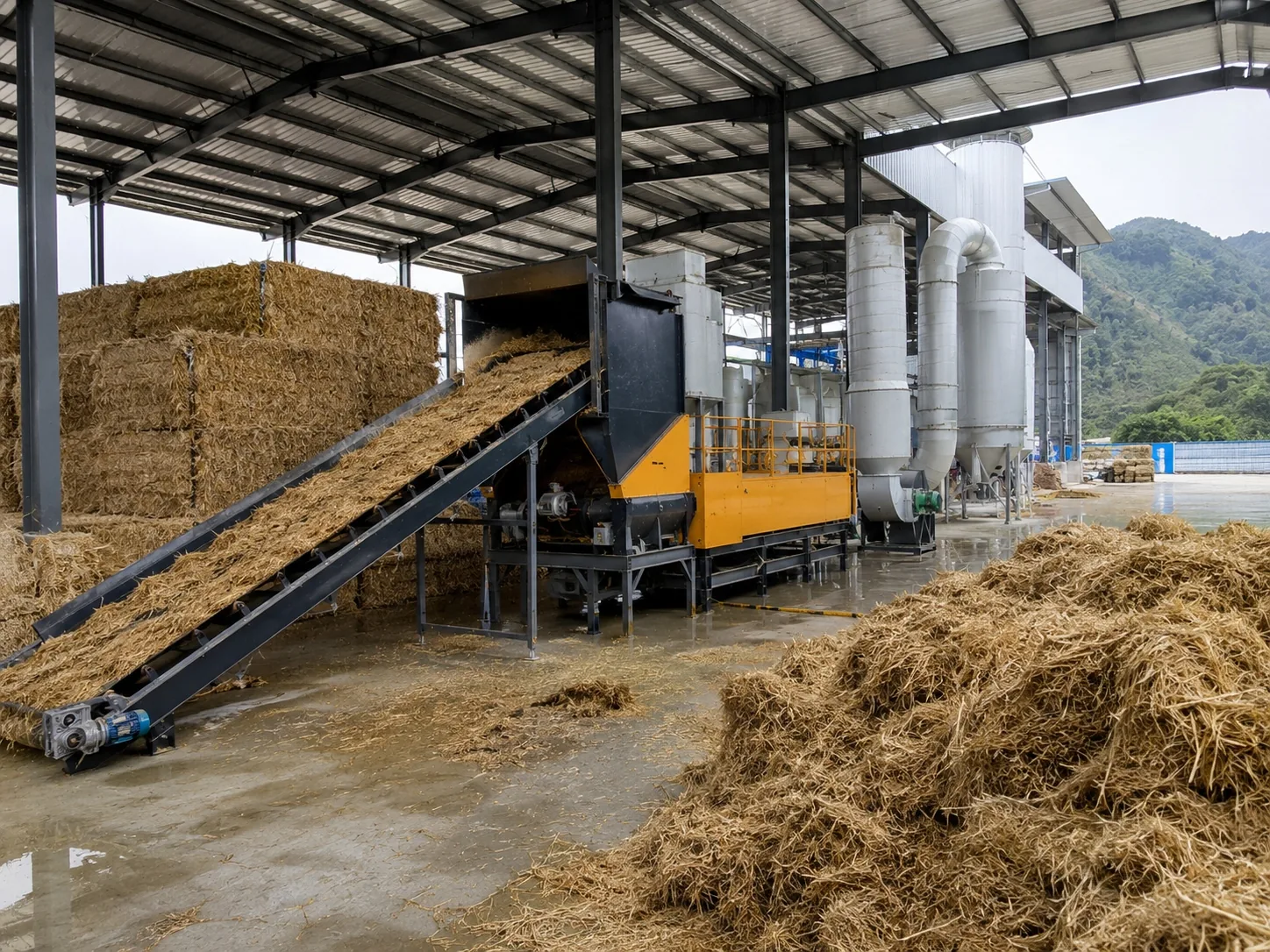
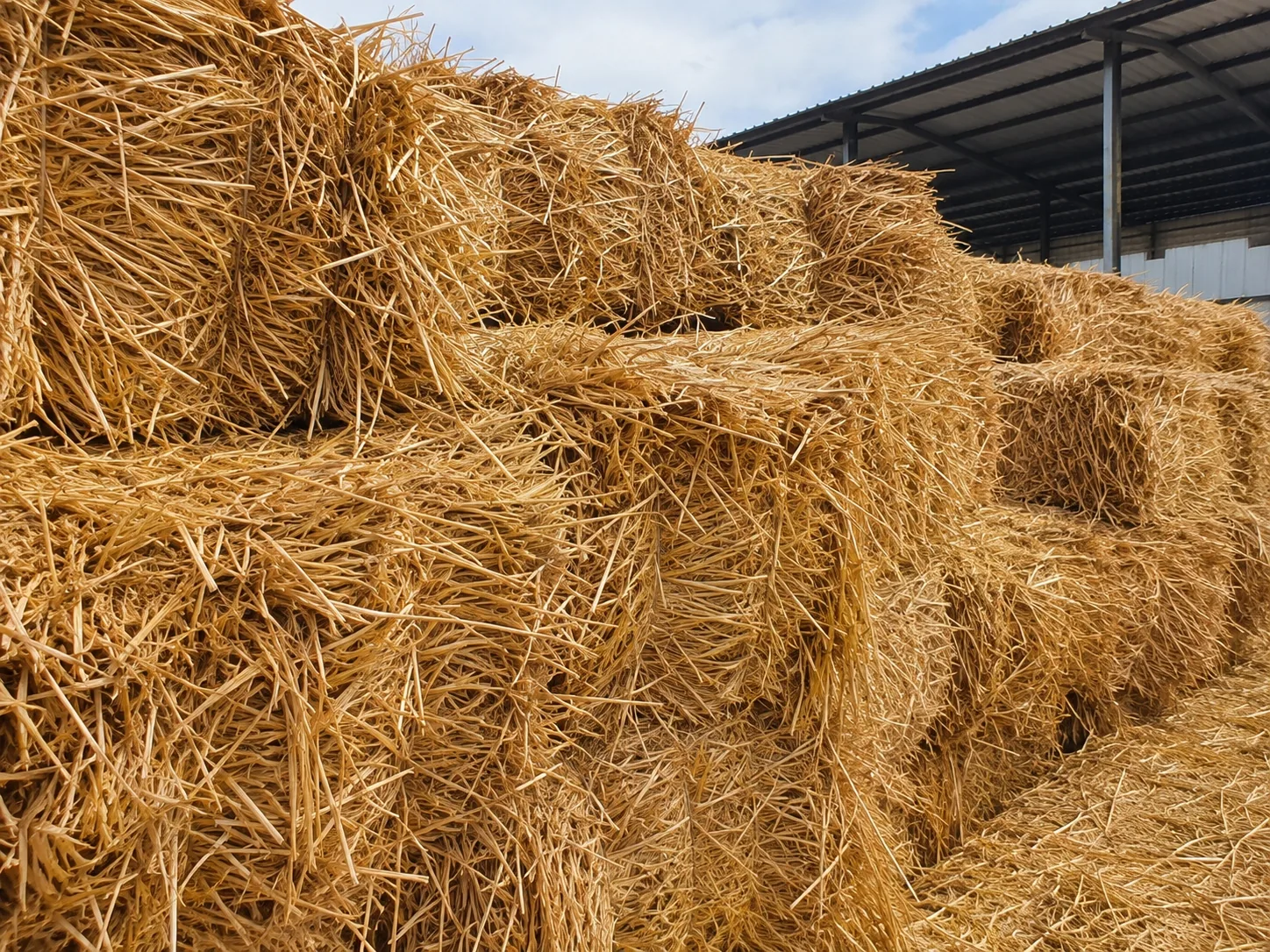
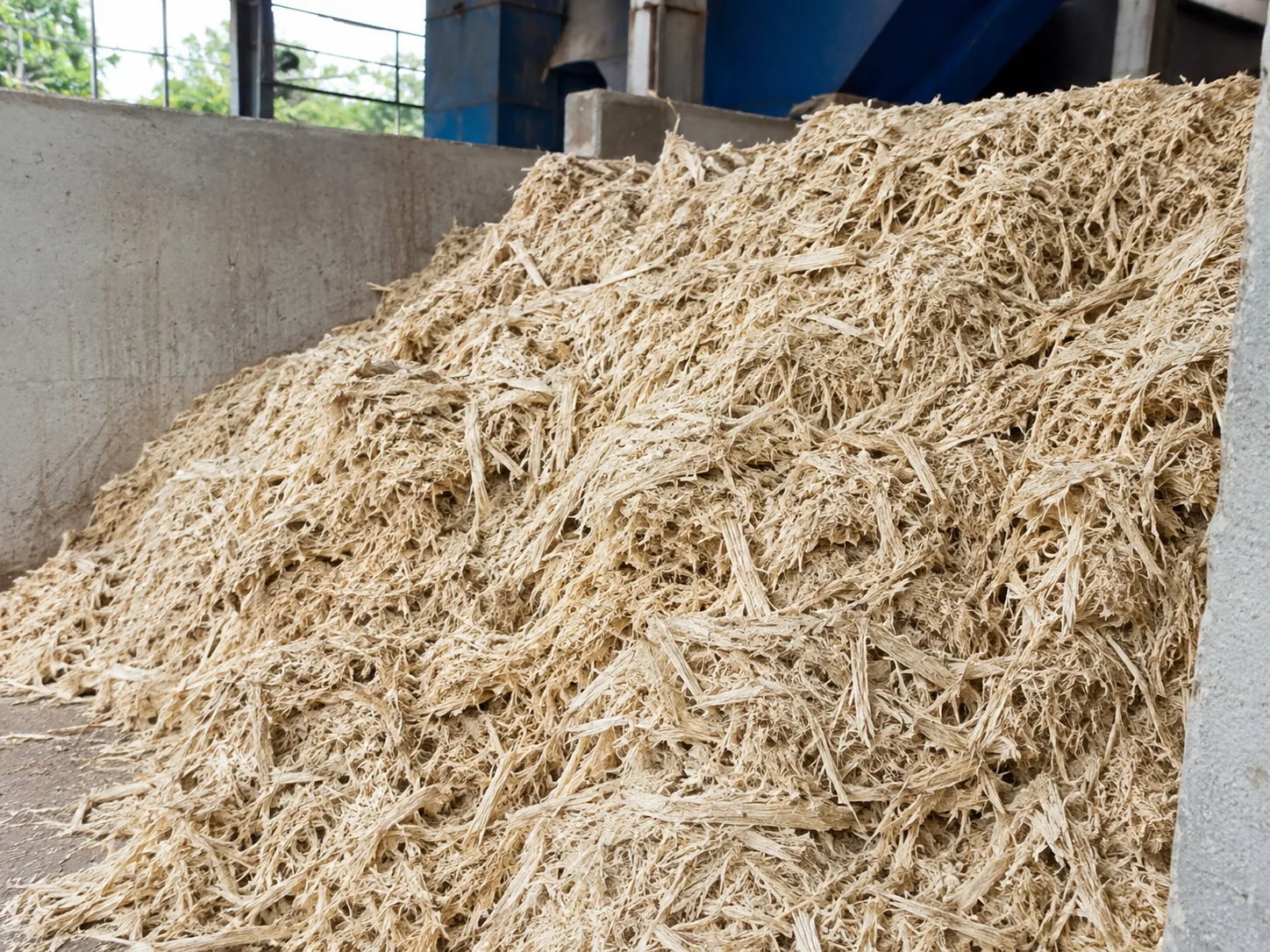
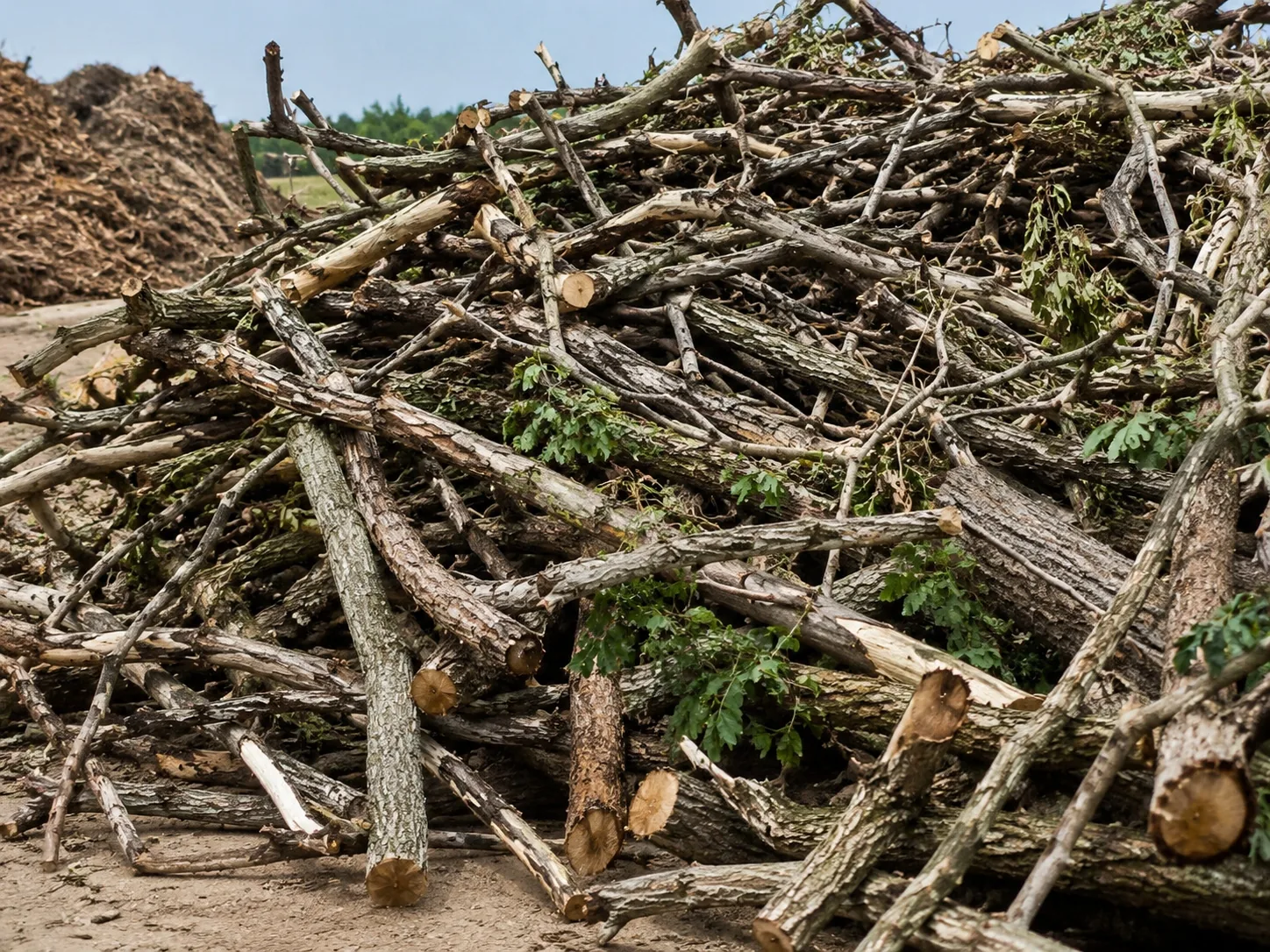
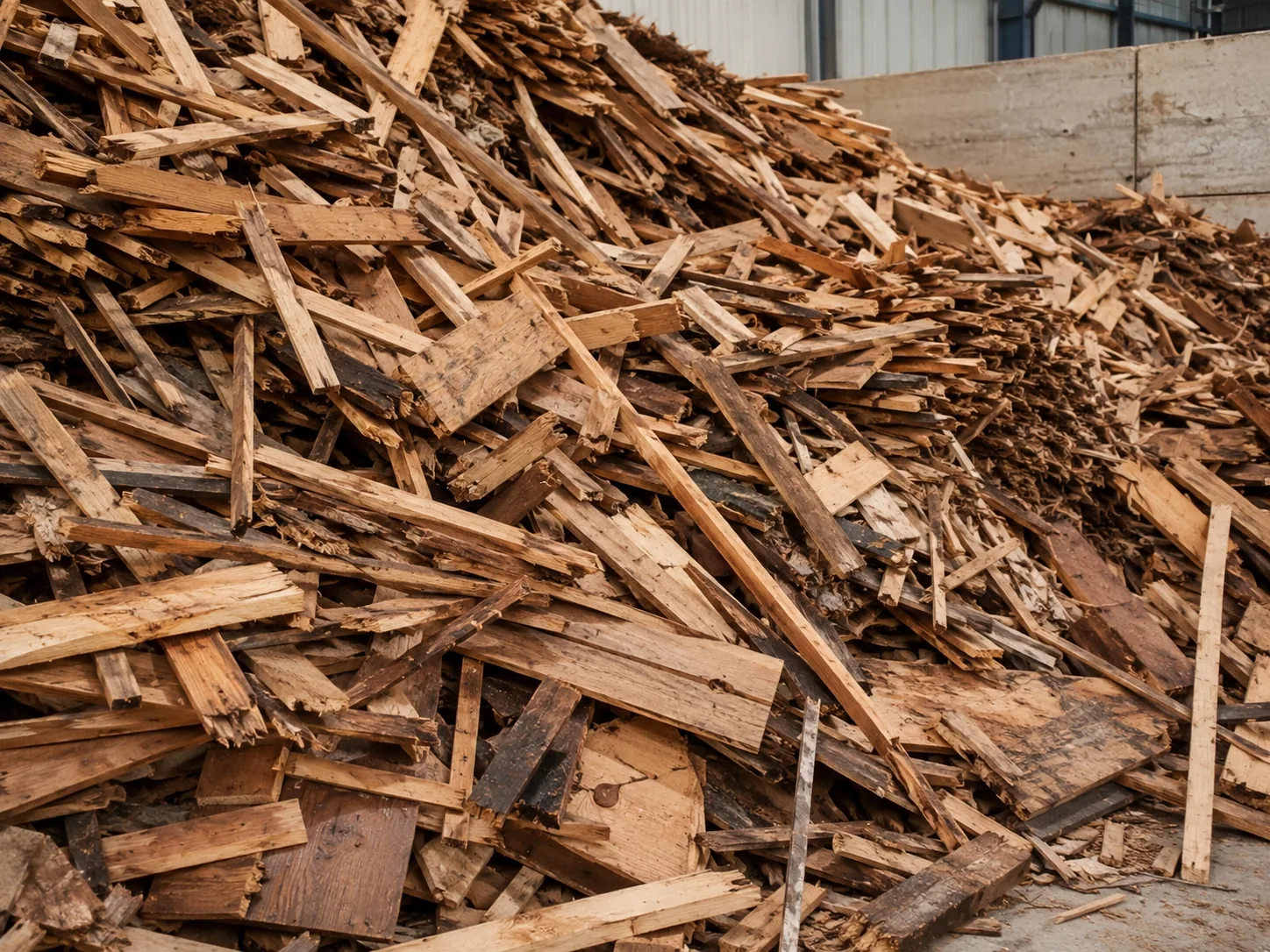
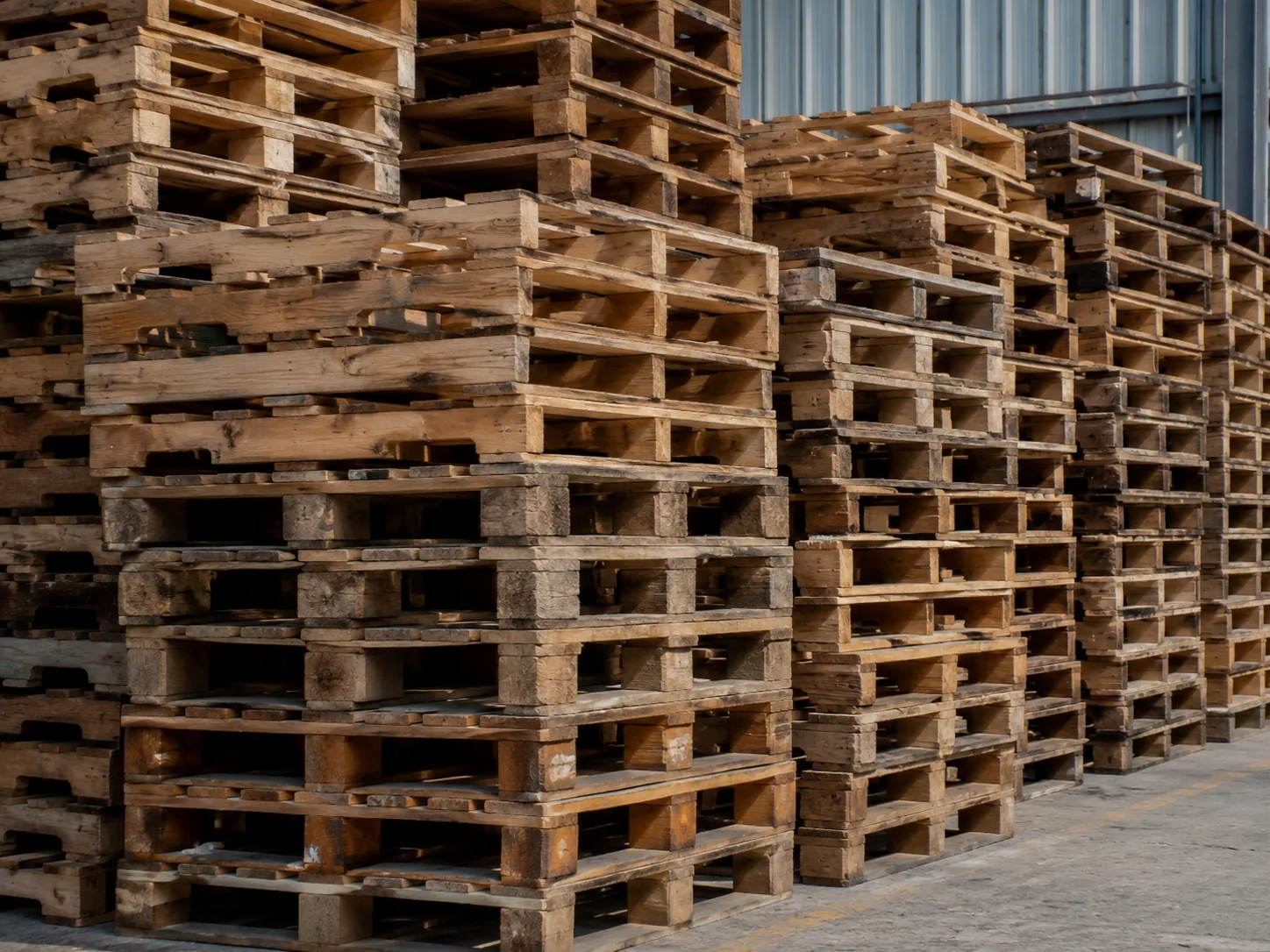
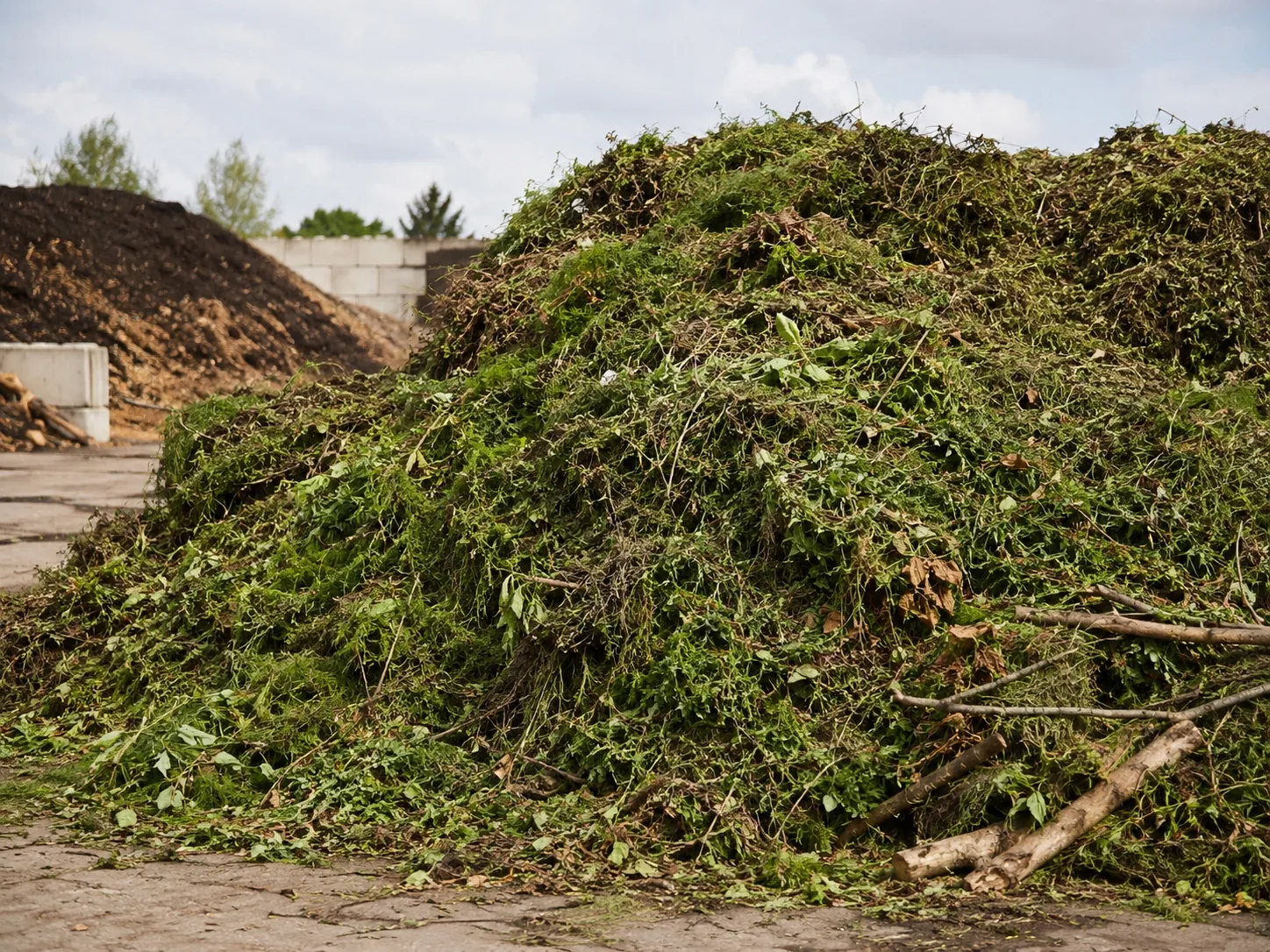
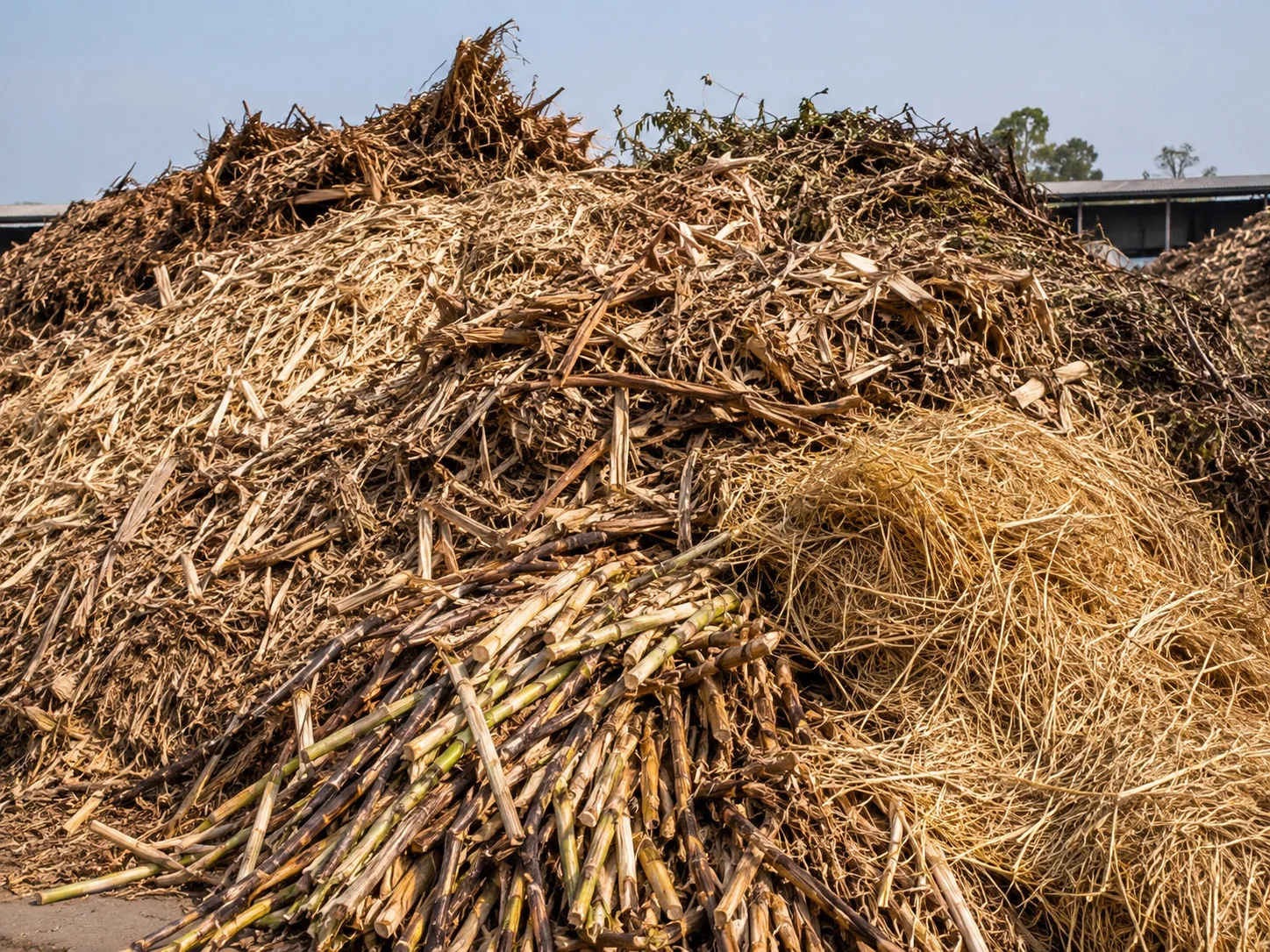
The images below show the main material groups covered by this solution. Final acceptance still depends on moisture, contamination, piece size and the required output.
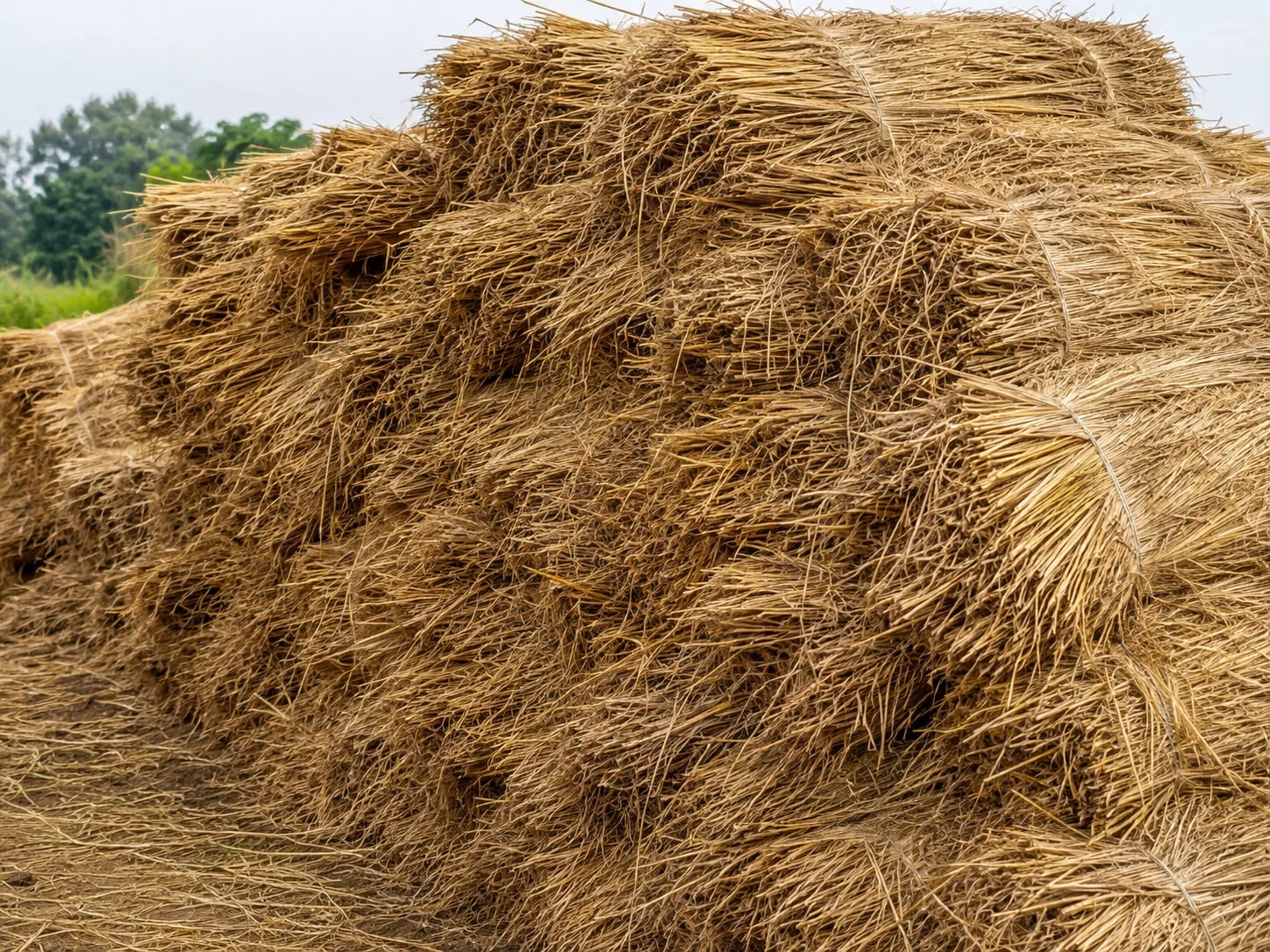
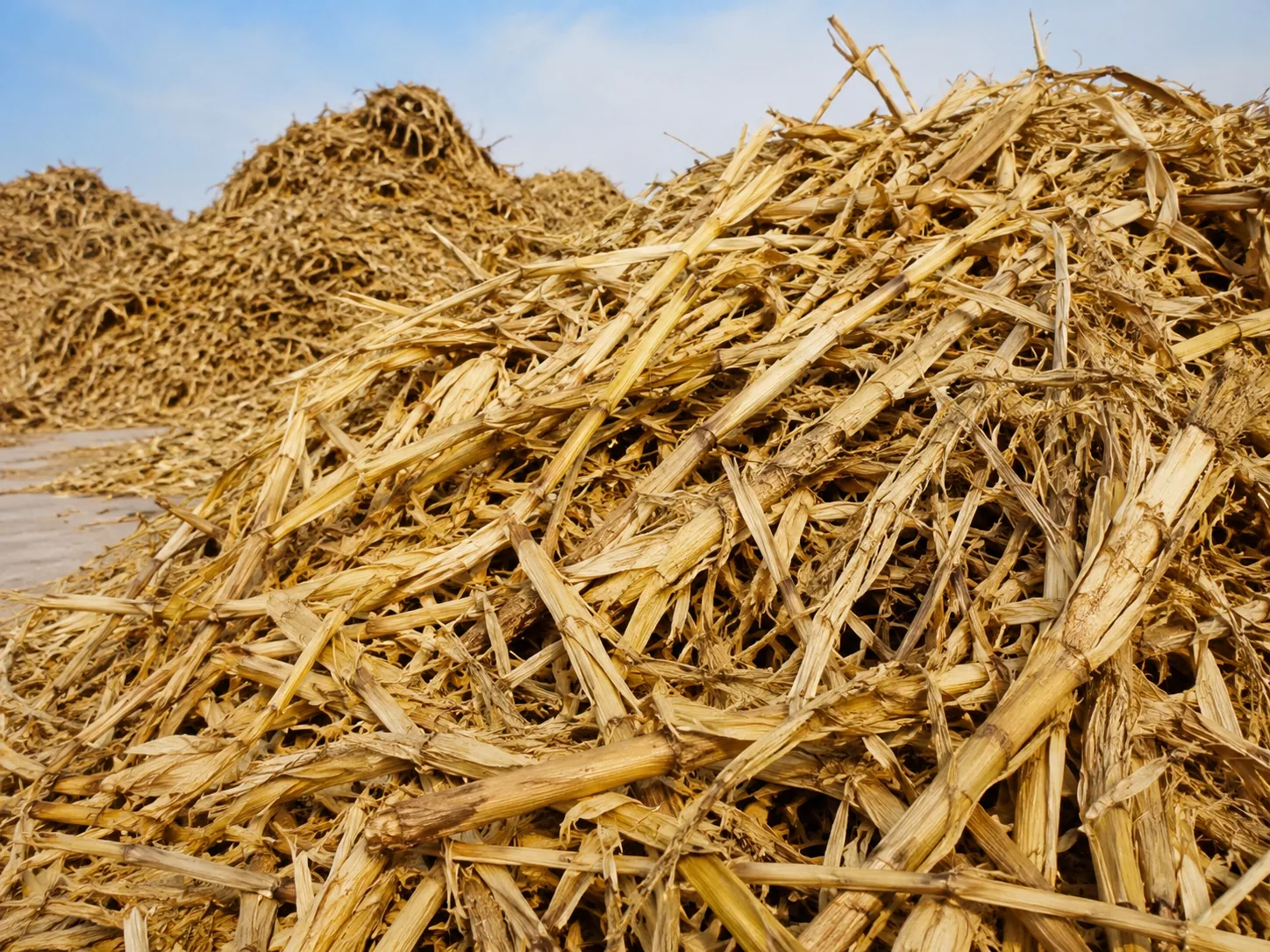
Not every project needs every stage. The process should be kept as simple as the final specification allows.
Meter loose, baled or loader-fed biomass into the line.
Open bales, shorten fibers and reduce bulky pieces.
Remove ferrous contamination from pallets and mixed wood.
Reduce particle size where a finer feedstock is required.
Control oversize and manage fines or airborne dust.
Buffer, convey, bale or transfer material downstream.
A line that performs well on dry straw may perform poorly on wet fibrous biomass or contaminated pallets. The front end, cutter geometry and downstream controls must match the material.
Low bulk density limits real throughput before motor power does. A large feeding opening, anti-bridging hopper and controlled conveyor are often more important than adding a larger drive.
Wet fibers can compress, smear and block screens. The line may need positive discharge, larger clearances and fewer screening stages than a dry biomass line.
Feedstock can range from soft leaves to forked branches and soil-contaminated roots. Pre-sorting and maximum branch diameter must be defined before choosing the cutting chamber.
Nails and metal fittings are expected in pallet waste. Magnetic separation should be treated as part of the process, not as an optional afterthought.
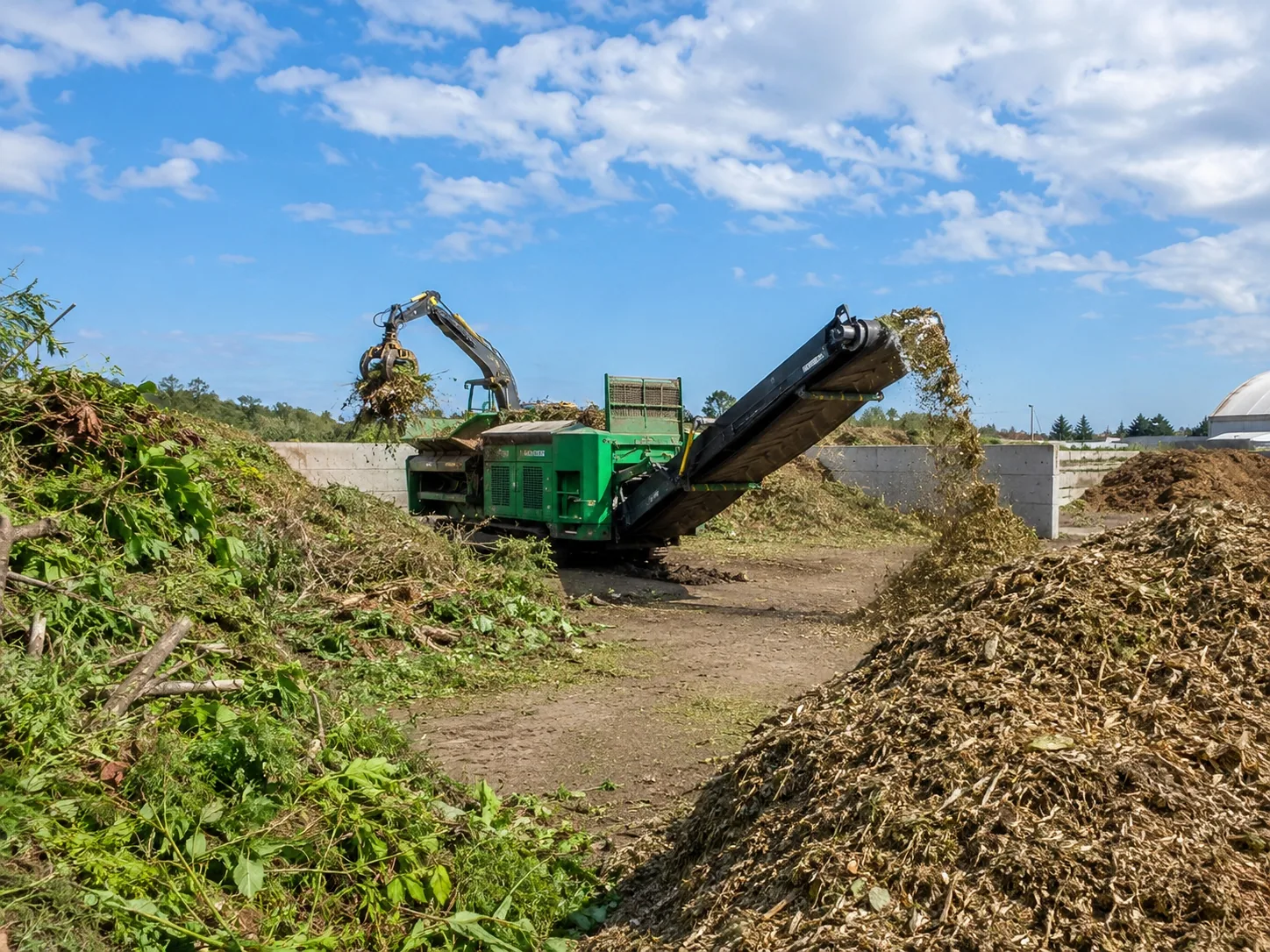
Watch the supplied video link to review feeding behavior, discharge condition and the scale of the processing area.
The line prepares feedstock. Pelletizing, briquetting, fermentation, fertilizer granulation and other conversion stages require separate downstream equipment.
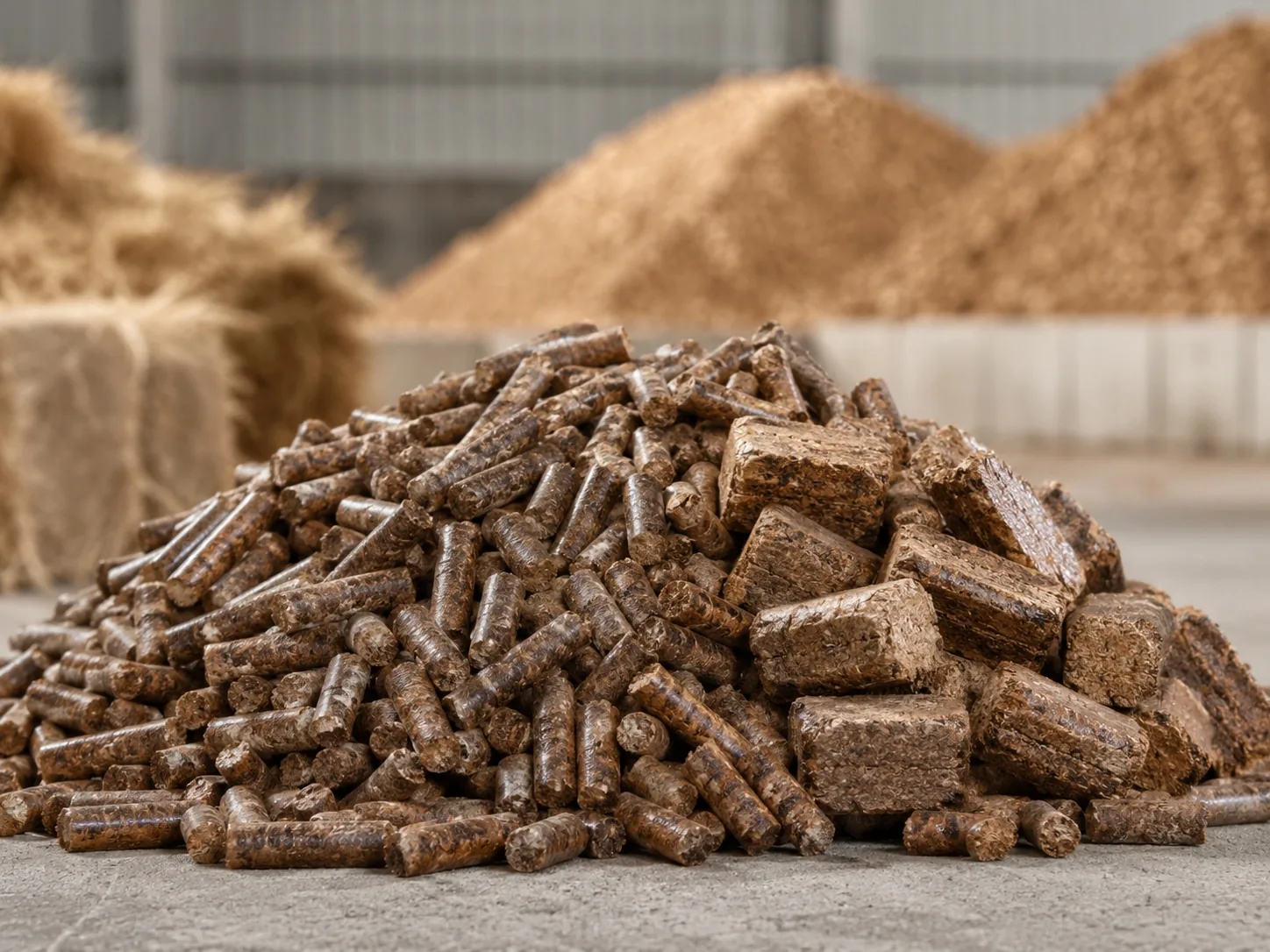
Controlled chips or fibers can be transferred to drying, pelletizing, briquetting, combustion or other fuel-preparation stages.
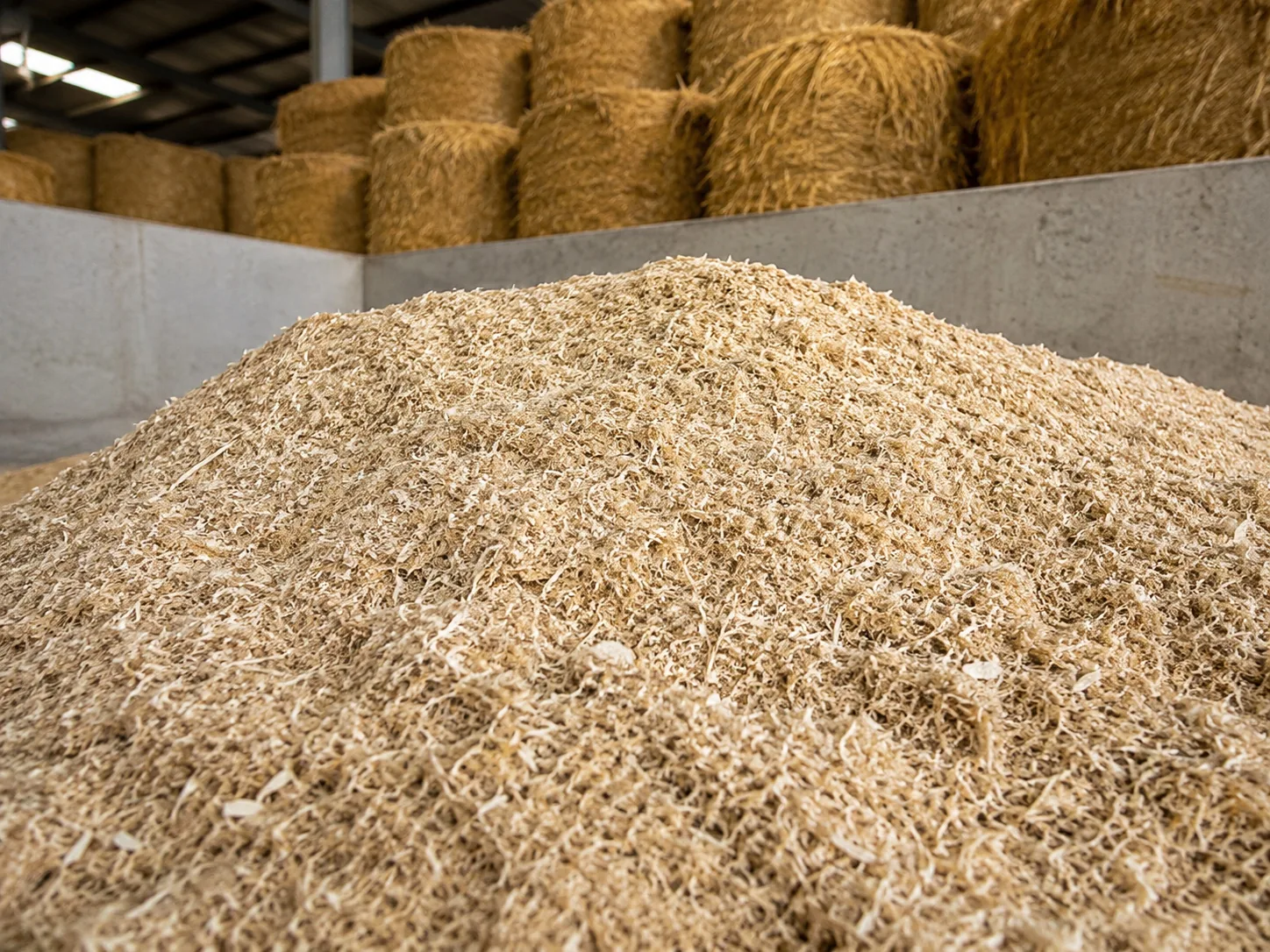
Clean, dry and uncontaminated fibers may be prepared for bedding where the material and local requirements permit.
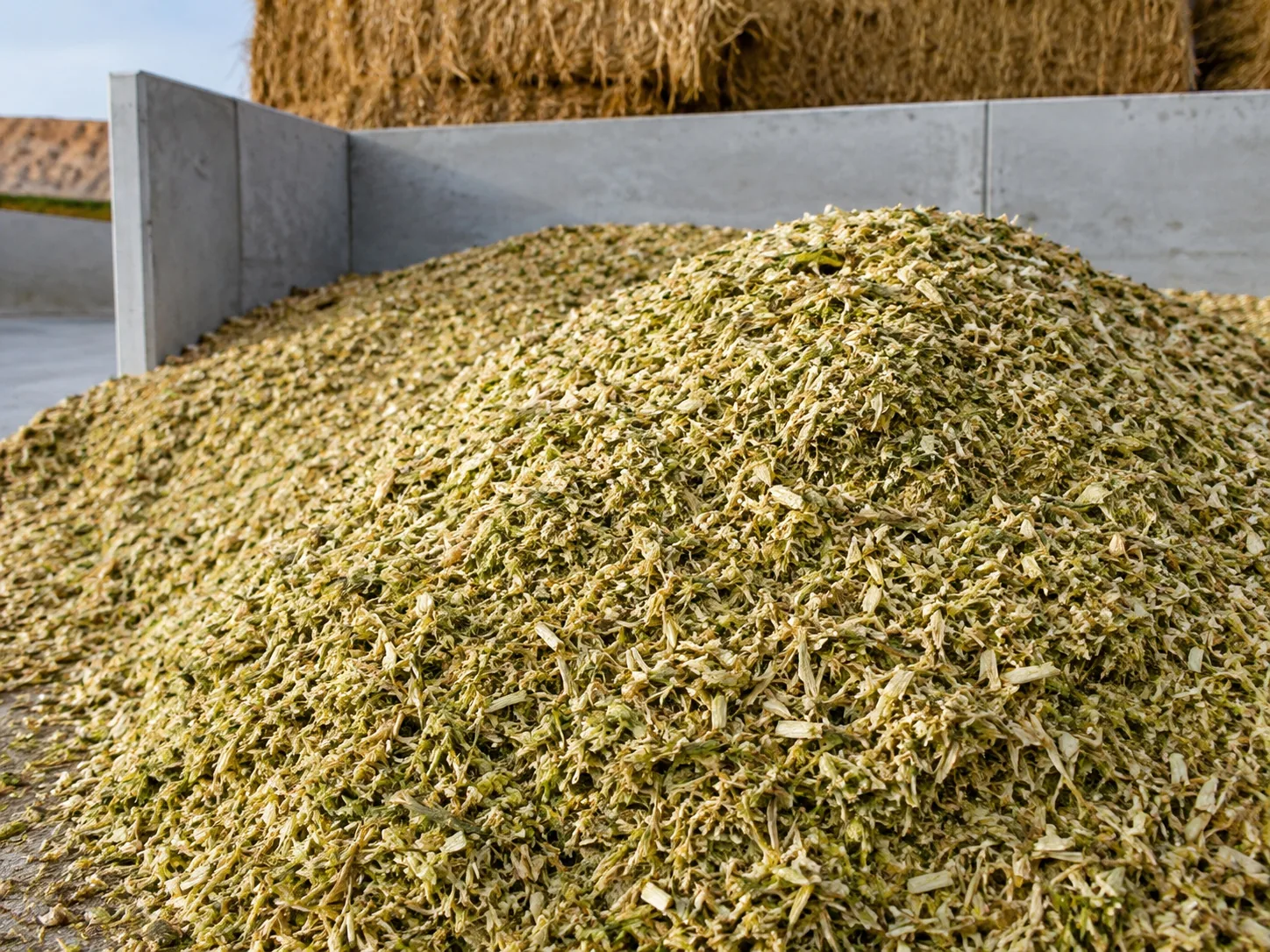
Suitable crop materials can be size-reduced for silage-related preparation. Feed suitability must be confirmed separately.
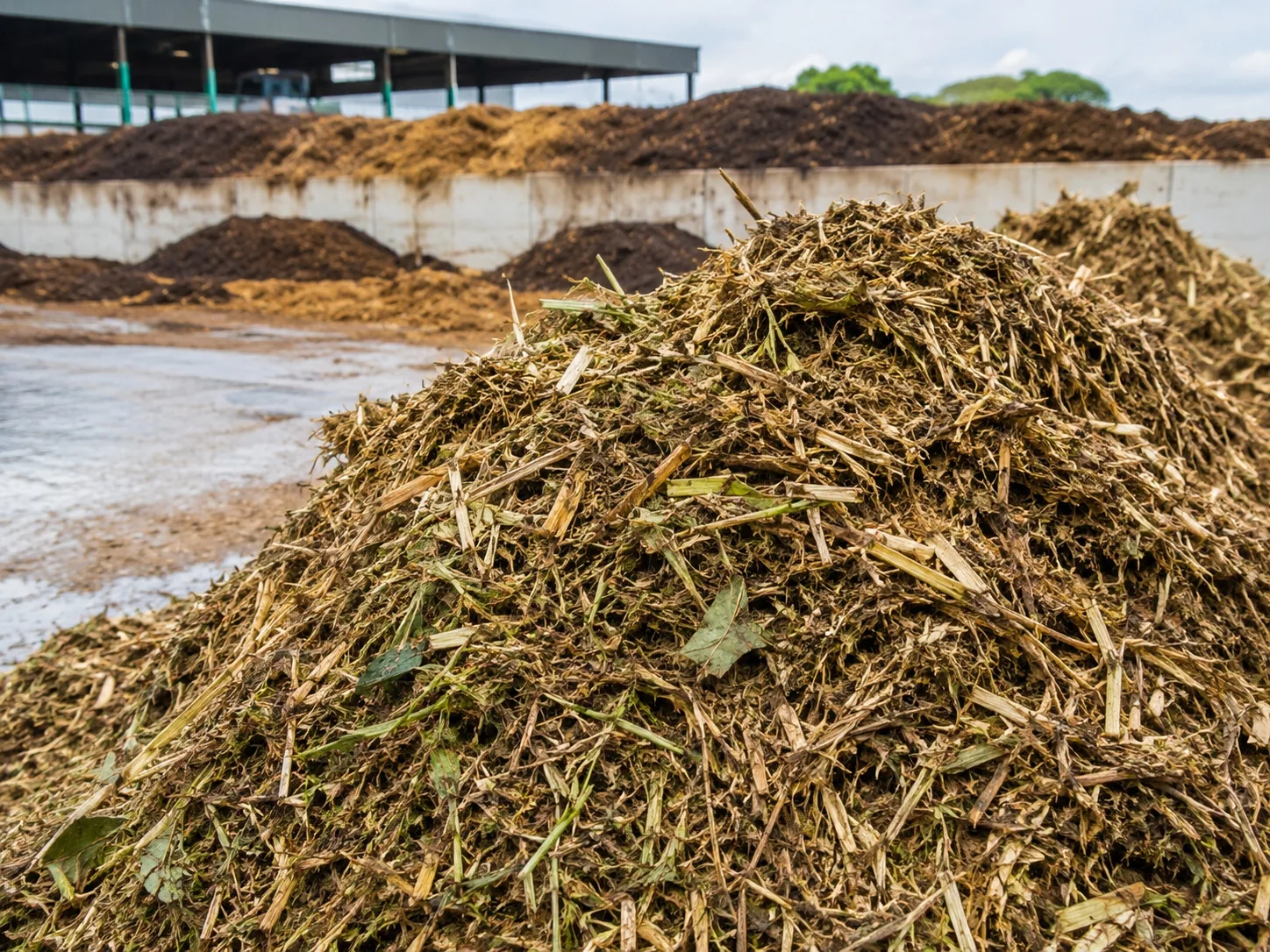
Shredding opens structure, reduces stacking volume and creates a more manageable blend for composting operations.
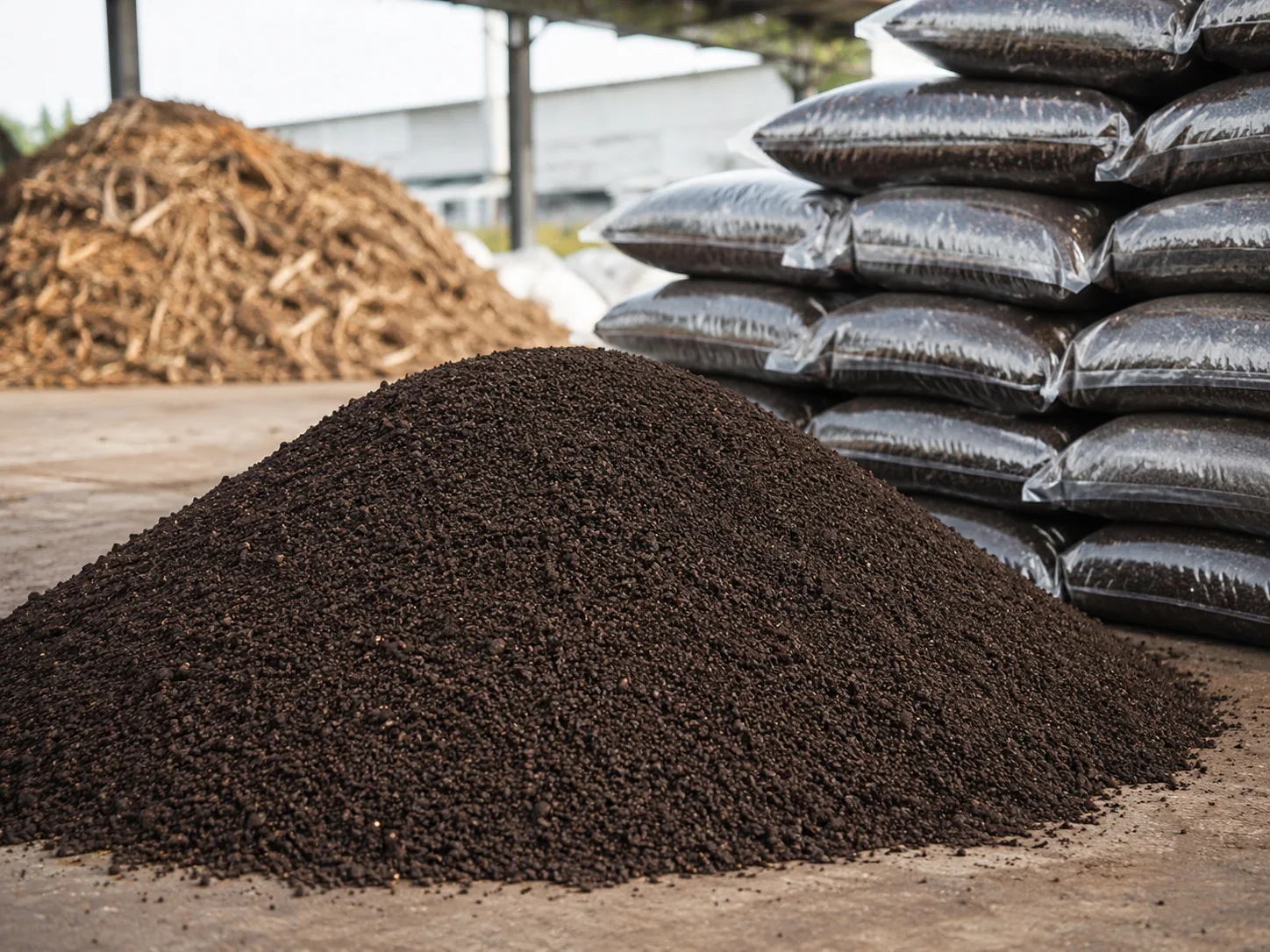
Size-reduced biomass may enter mixing and fermentation before separate fertilizer production and granulation stages.
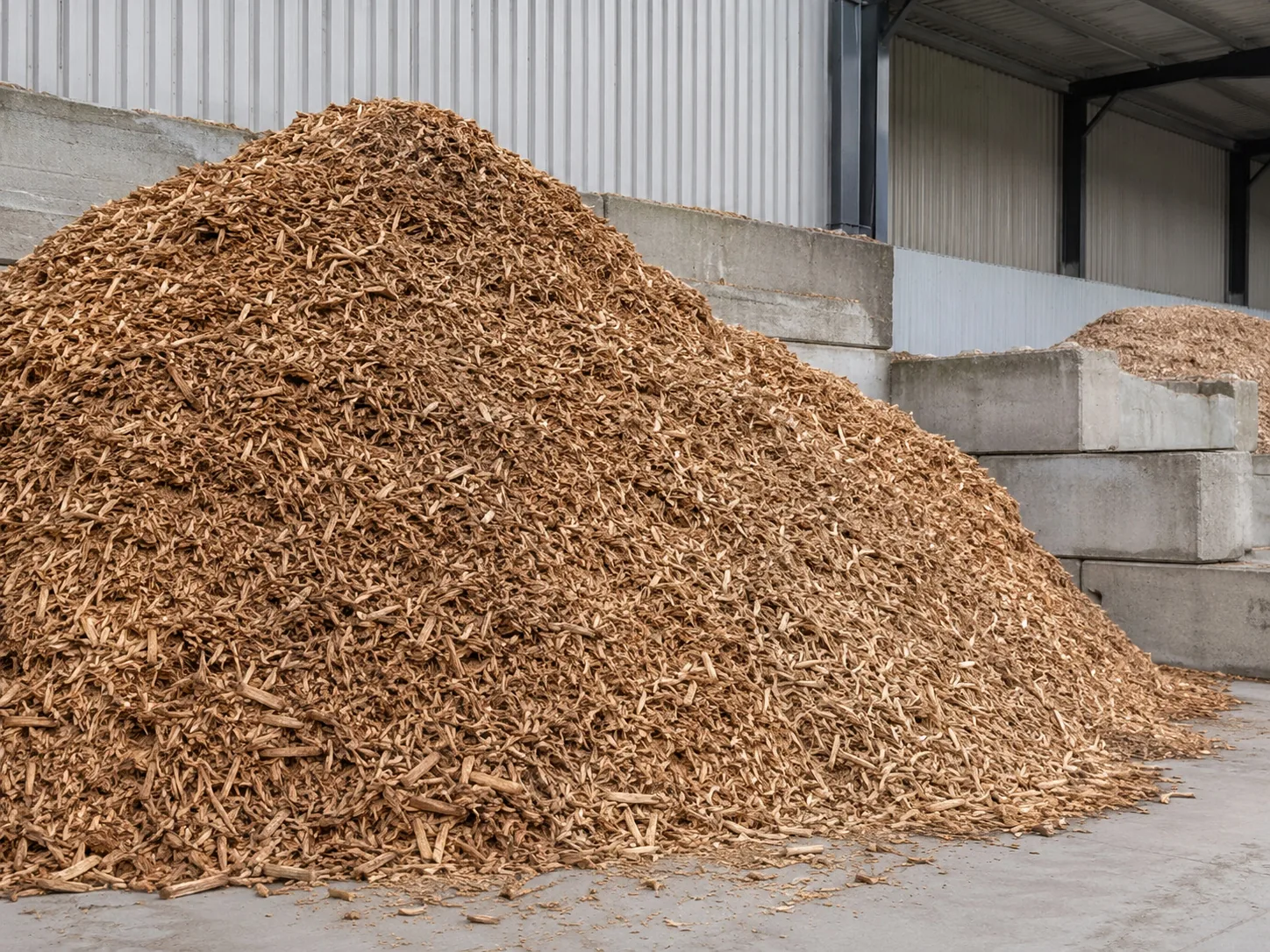
Waste wood can be reduced for storage, transport, fuel preparation or further screening and refining.
Biomass throughput cannot be judged from motor power alone. A representative test should use the buyer’s real material whenever the feedstock is unusual or highly variable.
| Factor | Why it matters | Engineering response |
|---|---|---|
| Bulk density | Light straw can fill the hopper and conveyor while delivering little mass per hour. | Increase feeding volume, improve compaction or use a larger opening rather than only increasing motor power. |
| Moisture | Wet fibers become heavier, more elastic and more likely to smear or block screens. | Confirm moisture range, simplify screening and provide positive discharge. |
| Fiber length | Long straw and vines can bridge over the chamber or wrap around rotating parts. | Use controlled feeding, suitable cutter geometry and anti-wrapping clearances. |
| Contamination | Metal, stones, soil, wire and plastic increase wear and may damage downstream machines. | Pre-sort, add magnets or detection, and define material acceptance rules. |
| Target size | Smaller output usually requires more power, more wear and a second reduction stage. | Do not over-process material when the downstream process accepts a coarser feed. |
| Feed consistency | Mixed bales, branches and wet pockets create load peaks and unstable discharge. | Use buffering, metered conveyors and automatic overload reversal. |
These project categories show how the line changes with feedstock and final use. Equipment details should be confirmed from actual project data.
A crop-residue preparation system for farms and livestock projects handling suitable stalks and plant material.
A line for rice straw, wheat straw and mixed dry agricultural residues collected in loose or baled form.
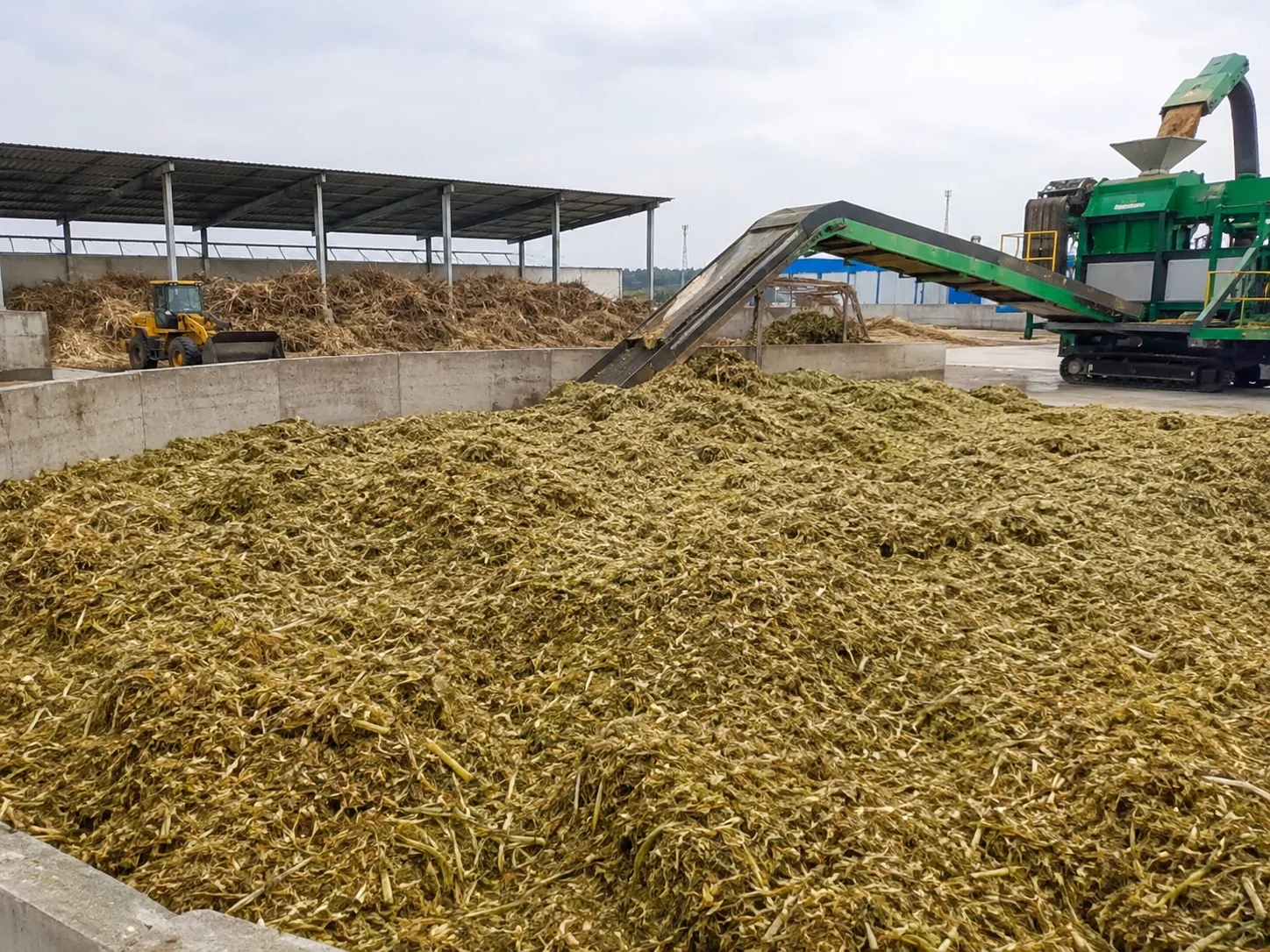
A high-volume crop-residue line for reducing fresh or dry corn stalks before storage or downstream use.
A green-waste system for branches, leaves, grass and landscaping residues from municipal or commercial collection.
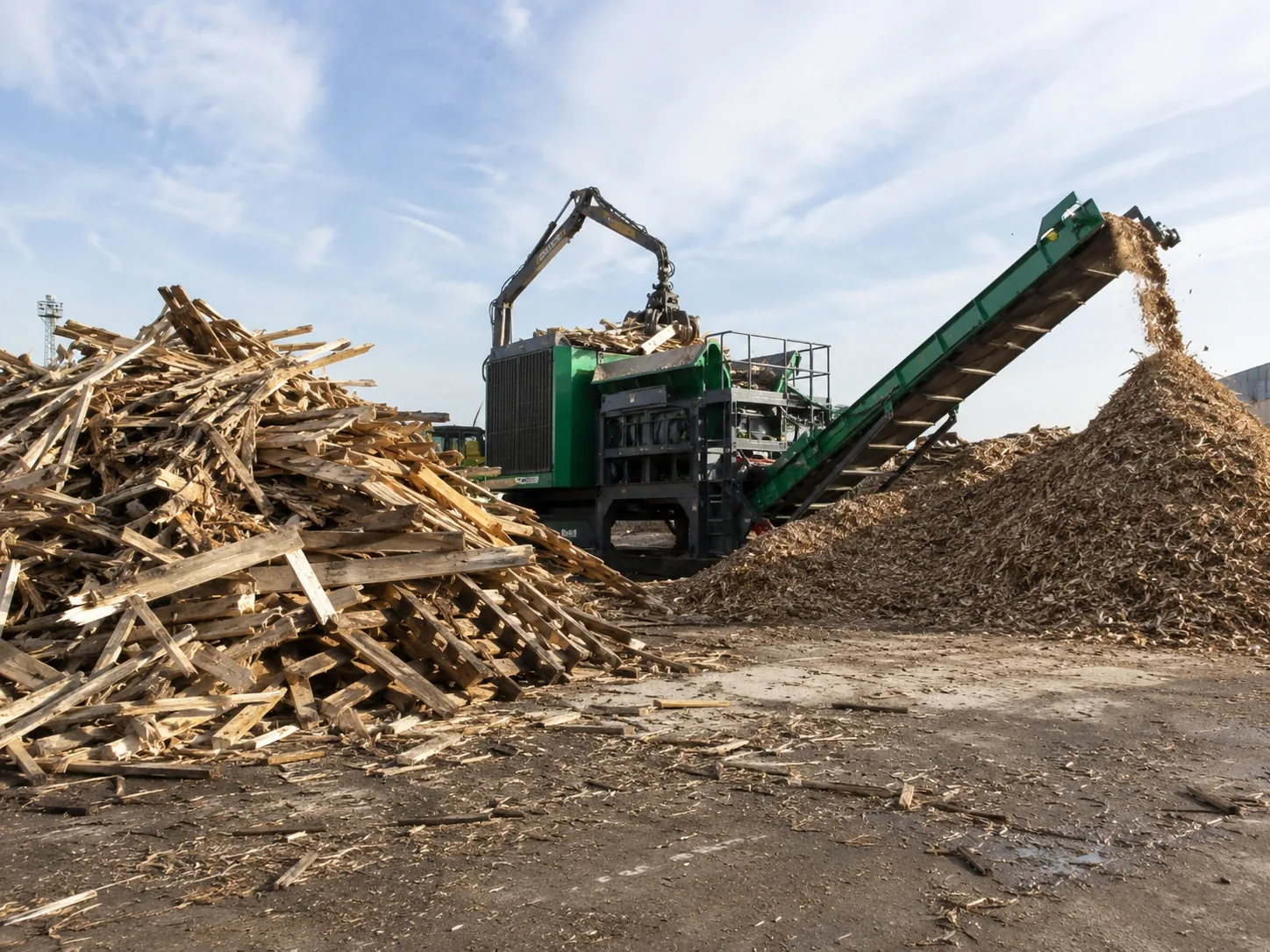
A heavy-duty line for pallets, timber offcuts and mixed forestry or industrial wood residues.
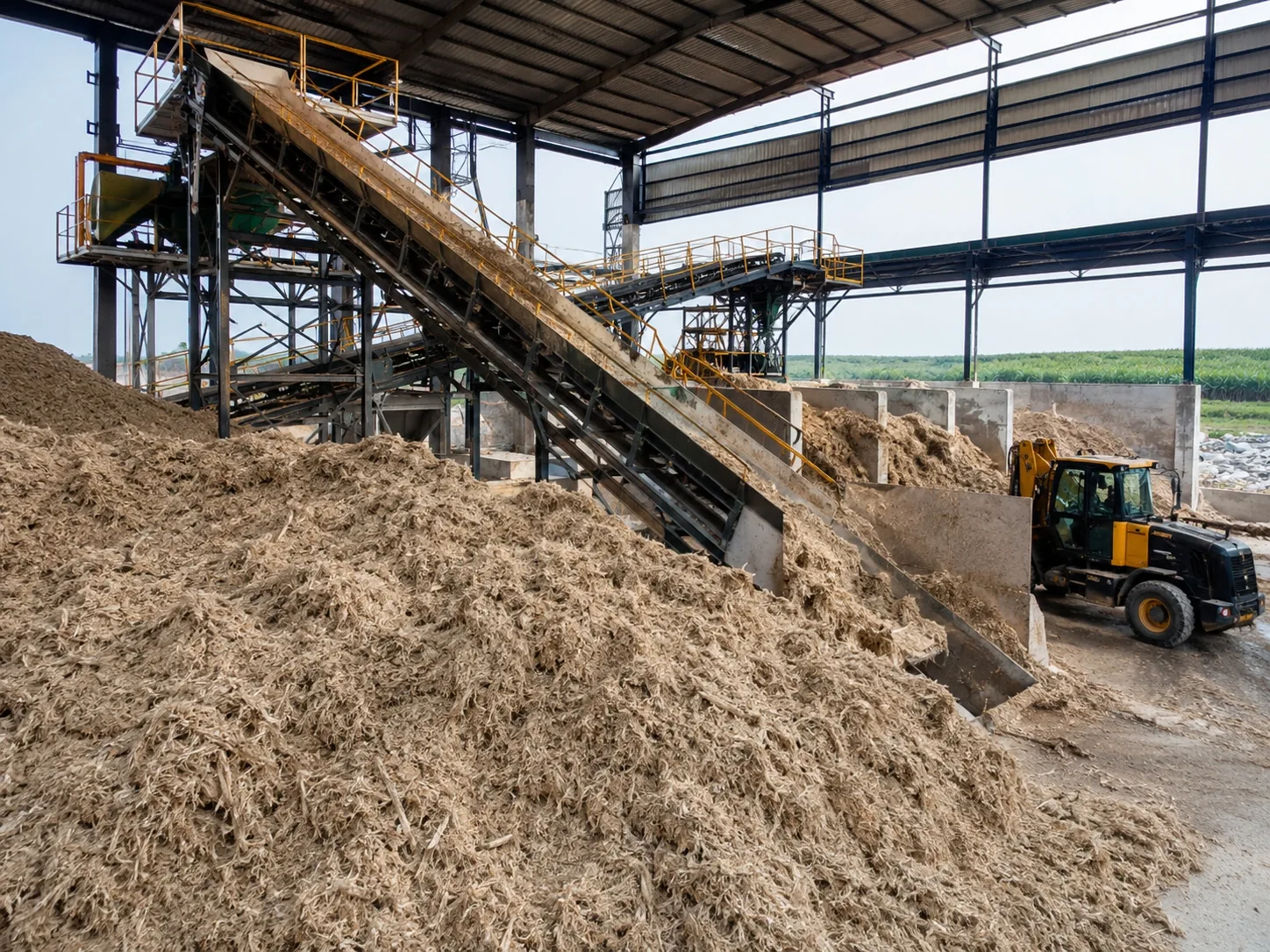
A fibrous biomass line designed around bagasse moisture, compaction and discharge behavior.
Provide clear photos, representative videos and a material description rather than only a general name such as “biomass.”
State maximum branch diameter, bale dimensions, pallet size and the share of oversize pieces.
Give normal, minimum and maximum moisture rather than one ideal value.
Identify nails, wire, soil, stones, plastic film and other foreign material.
Clarify whether throughput is measured by incoming wet material, dry matter or finished product.
Define the actual next process and its acceptable particle-size range.
A broad material range is possible, but not with identical operating settings or always with the same front-end equipment. Pallets need metal removal, while long straw needs anti-bridging and anti-wrapping measures. The expected material mix must be defined before the line is configured.
No. The shredding line prepares feedstock. Drying, fine grinding, pelletizing, briquetting, cooling and packaging are separate downstream stages when those products are required.
Straw has low bulk density and occupies a large volume. A conveyor can appear full while carrying relatively little mass. Feeding volume and material compaction often limit throughput before the shredder motor reaches full load.
It depends on moisture and fiber condition. Wet bagasse may smear across openings and block fine screens. A more open process, larger aperture or screening after drying may be more reliable.
A magnetic separator is normally installed after primary shredding, when nails and fittings have been liberated from the wood. Separator position and strength depend on the required wood cleanliness and downstream equipment.
Use the coarsest size accepted by the next process. Unnecessary fine crushing increases energy use, dust and wear without creating value.
Share feedstock photos, moisture range, maximum size, contamination, target output and required throughput. These details help us select a more suitable feeding, shredding and downstream configuration.