Your Location:
  1. Home > 
  2. Metal Recycling Solutions
Turnkey physical processing solutions

Scrap Aluminum Recycling Line

Custom systems for aluminum profiles, UBC cans, wheels, sheets, chips and mixed scrap. YUXI selects shredding, sorting, baling or briquetting around the actual feed and the final product your plant needs.

Choose by Material
One project, different routesBulky scrap, light cans and machining chips should not be forced through one fixed process.
Core systemsShredding and separation, UBC baling, or chip briquetting.
Engineering basisFeed size, contamination, tons per hour, output target and workshop layout.
Quick configuration guide

Choose the Aluminum Recycling Process by Feed Material

A scrap aluminum recycling line is not one standard machine arrangement. Start with the material structure and the required product. This prevents unnecessary equipment, unstable throughput and poor separation results.

Feed material Recommended route Main equipment Typical output Key project questions
Profiles and frames Shredding and physical separation Conveyor, shredder, crusher if required, magnet, screen and optional eddy current separator Reduced aluminum pieces, ferrous fraction and separated residue Length, wall thickness, thermal-break material and attached hardware
Mixed scrap aluminum Multi-stage size reduction and sorting Pre-shredder, hammer mill or crusher, magnetic separator, screen and ECS Cleaner aluminum fraction and separated impurities Feed composition, particle target and required recovery specification
UBC cans and light packaging Inspection, sorting and baling Conveyor, sorting station, optional crusher and metal baler Compressed aluminum bales Residual liquid, steel cans, dirt and whether direct baling is acceptable
Aluminum sheets and foil Baling or shredding according to condition Baler, shear or shredder with controlled feeding Bales or reduced scrap Sheet thickness, bundle size, cleanliness and buyer specification
Chips and turnings Drainage and briquetting Chip collection, liquid control, feeder and briquetting press Aluminum briquettes and collected fluid Moisture, cutting fluid, fines, foreign metal and briquette target
Wheels and automotive castings Pre-treatment, crushing and separation Pre-treatment, shredder or crusher, magnet and sorting stages Aluminum fraction and separated attachments Tires, valves, steel inserts, part thickness and alloy-sorting requirement
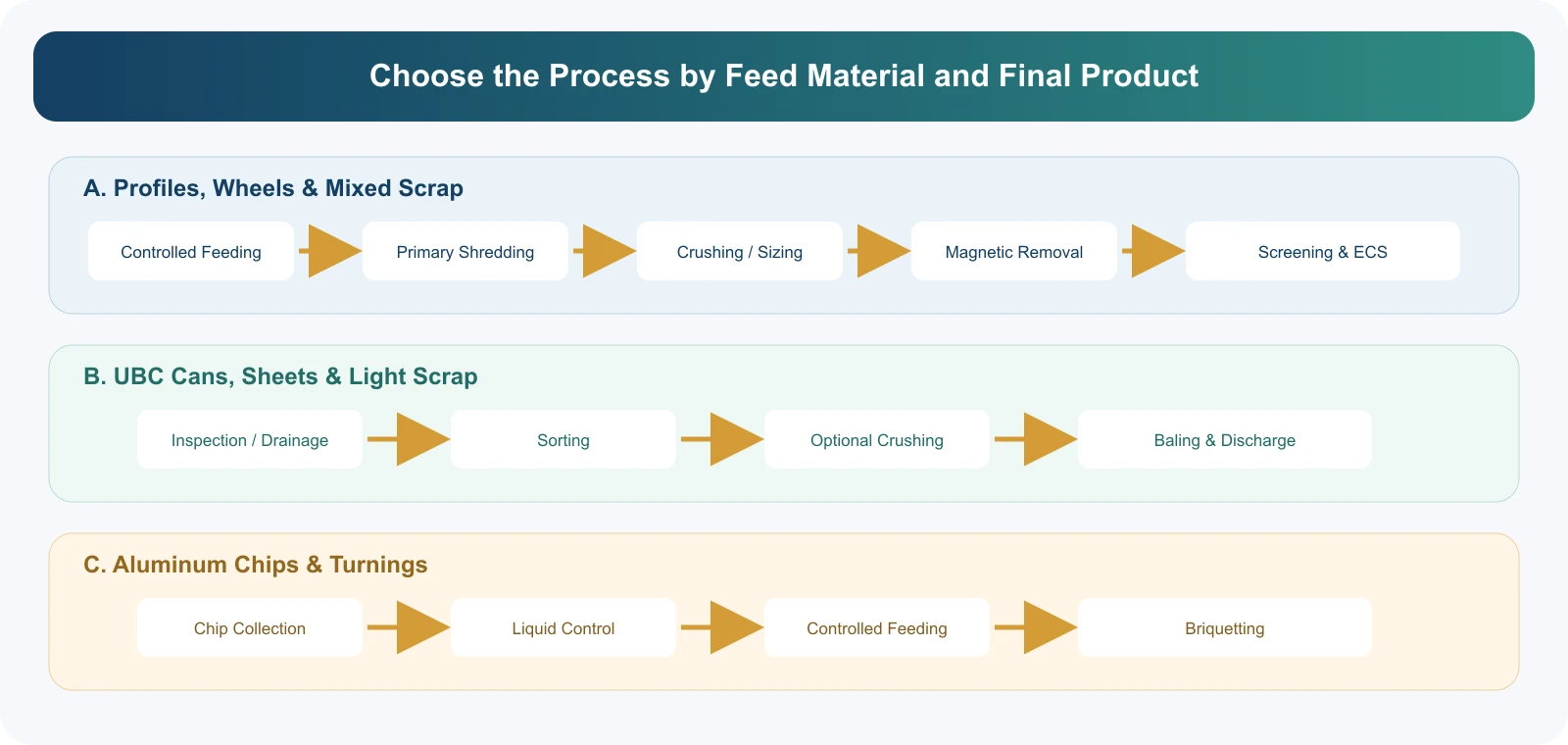
Three solution routes

Do Not Use One Fixed Line for Every Aluminum Scrap Type

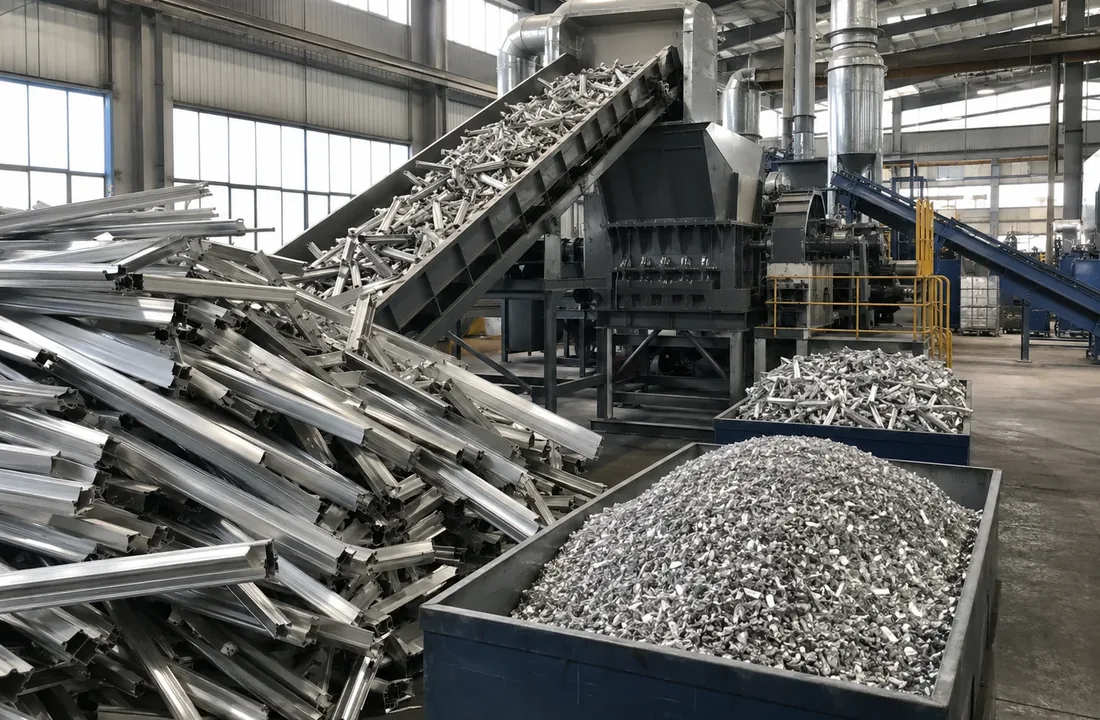
Aluminum profile shredding and sorting line project

Route A

Shredding & Sorting

For profiles, frames, selected wheels, cast parts and mixed aluminum that need size reduction and impurity release.

  • Primary shredding
  • Optional secondary crushing
  • Magnetic removal
  • Screening and optional ECS
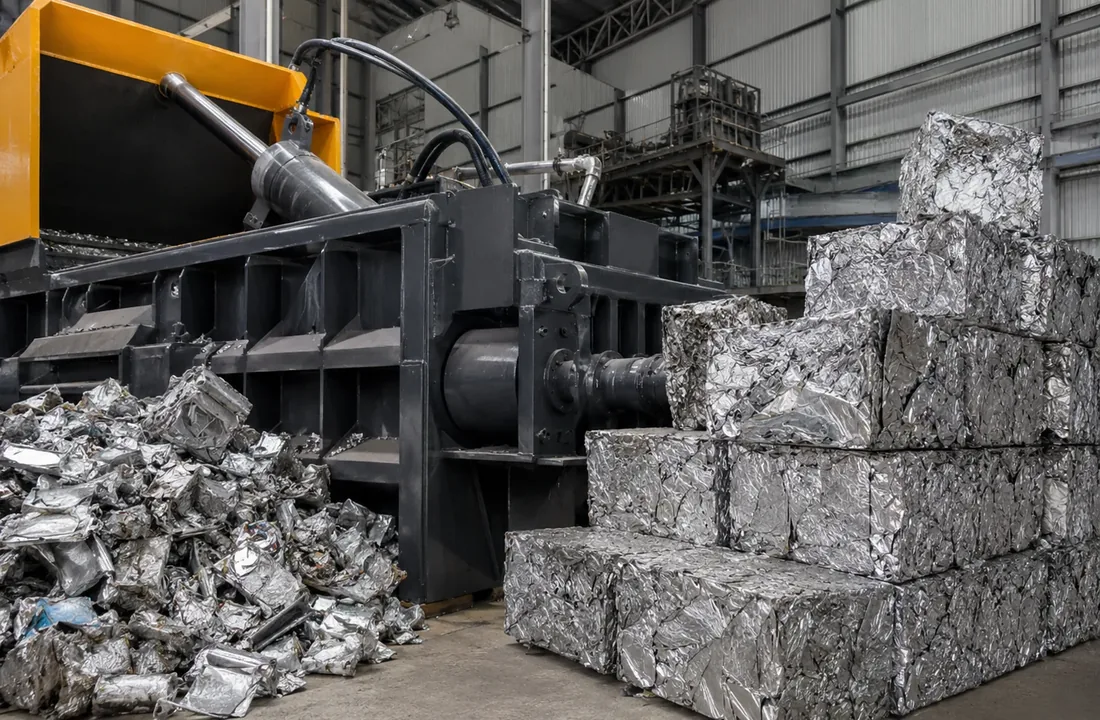
Aluminum can and light scrap baling project

Route B

UBC & Light Scrap Baling

For sorted cans, thin sheets and light scrap where the main goal is volume reduction and easier logistics.

  • Inspection and drainage
  • Sorting
  • Optional opening or crushing
  • Side-push or selected baling system
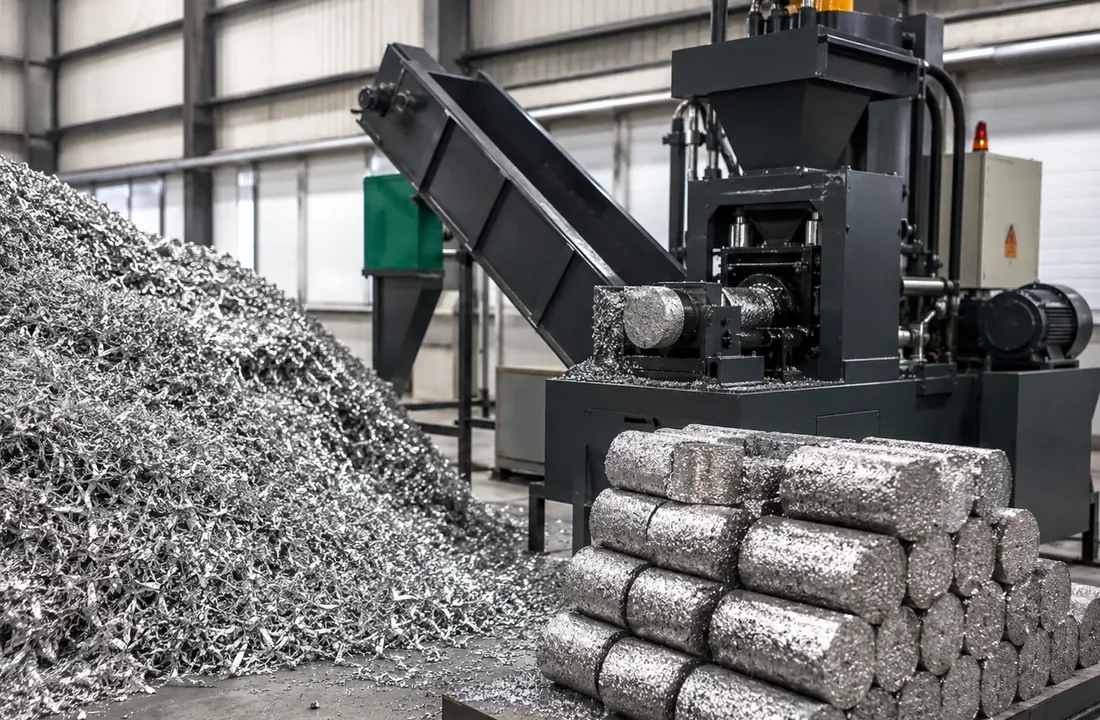
Aluminum chips briquetting and collection project

Route C

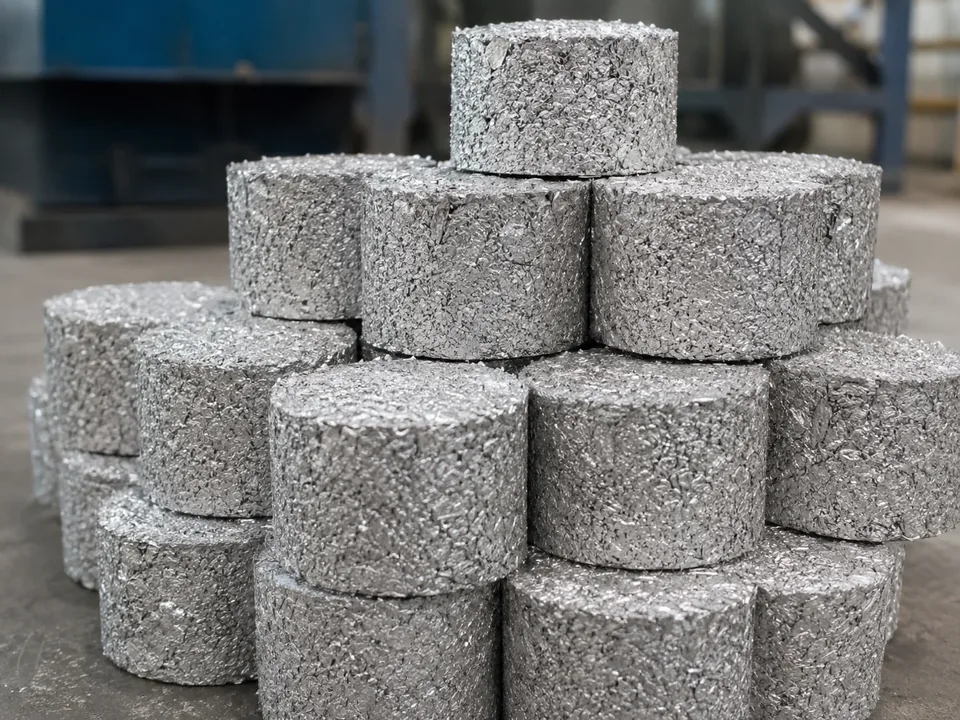
Chip Briquetting

For machining chips and turnings that need liquid control, compact storage and better furnace handling.

  • Chip collection
  • Drainage or fluid separation
  • Controlled feeding
  • Briquetting and collection
Three process routes for scrap aluminum recycling
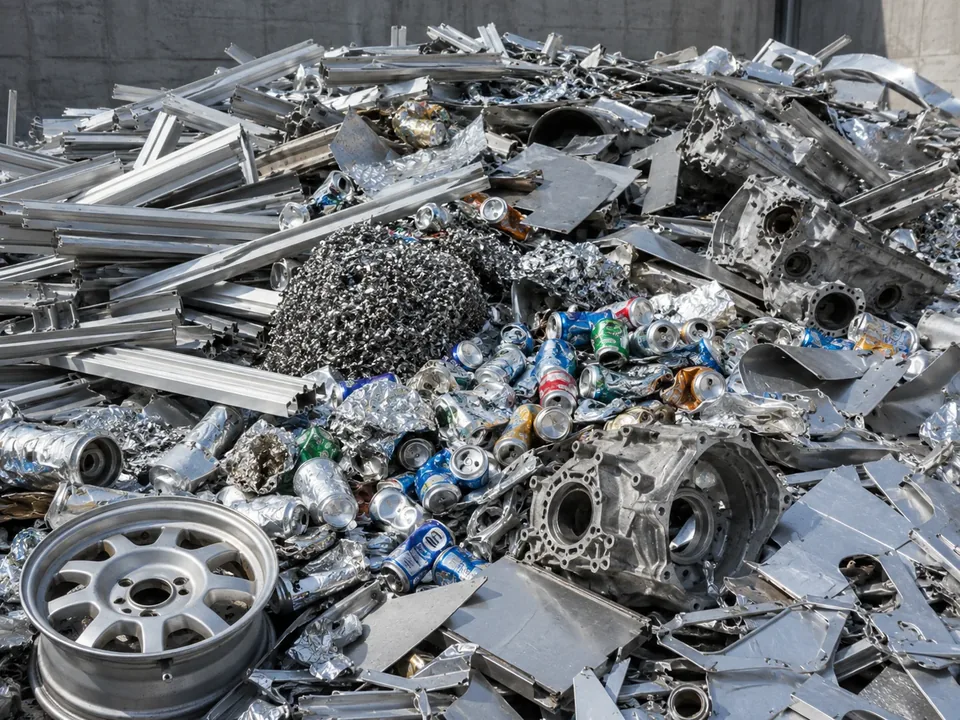
Raw materials

Common Scrap Aluminum Feedstocks

Material names alone are not enough for equipment selection. A quotation should also describe dimensions, density, attached parts, dirt, moisture and the expected product.

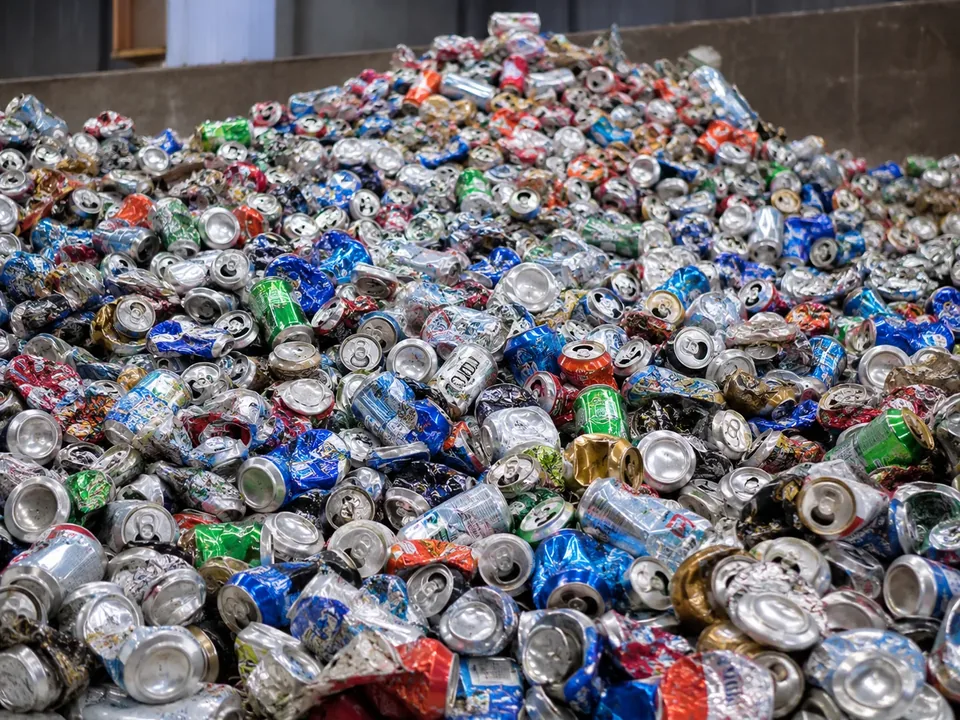
Used beverage cans for aluminum baling and recycling

UBC Cans

Check liquid, steel cans, dirt and the need for opening or direct baling.

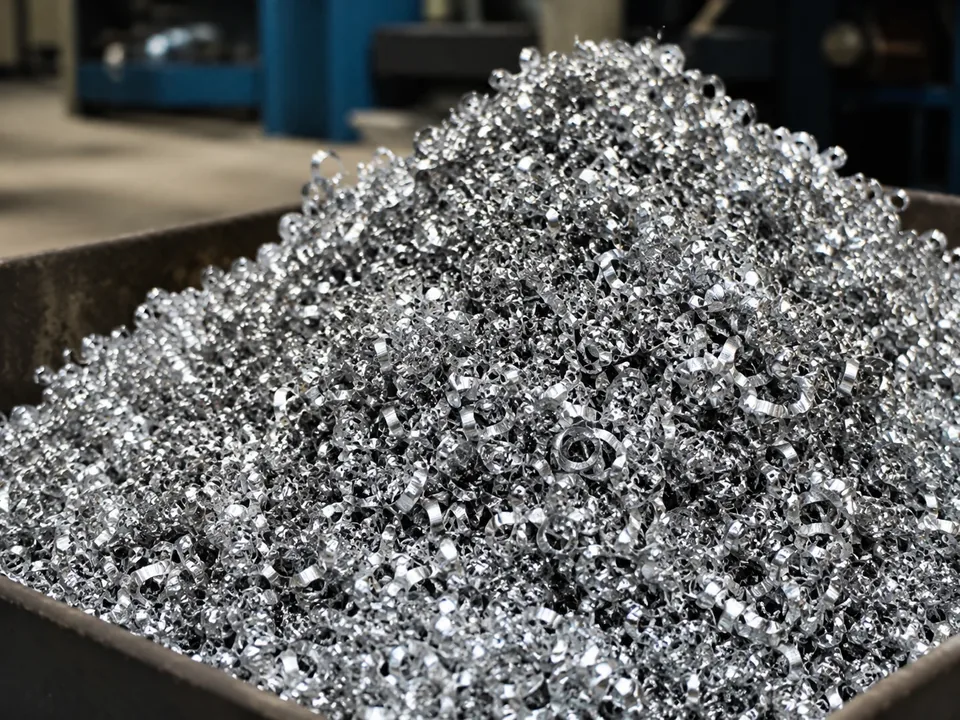
Aluminum chips and turnings for briquetting

Aluminum Chips

Evaluate cutting fluid, fines, moisture and mixed-metal contamination.

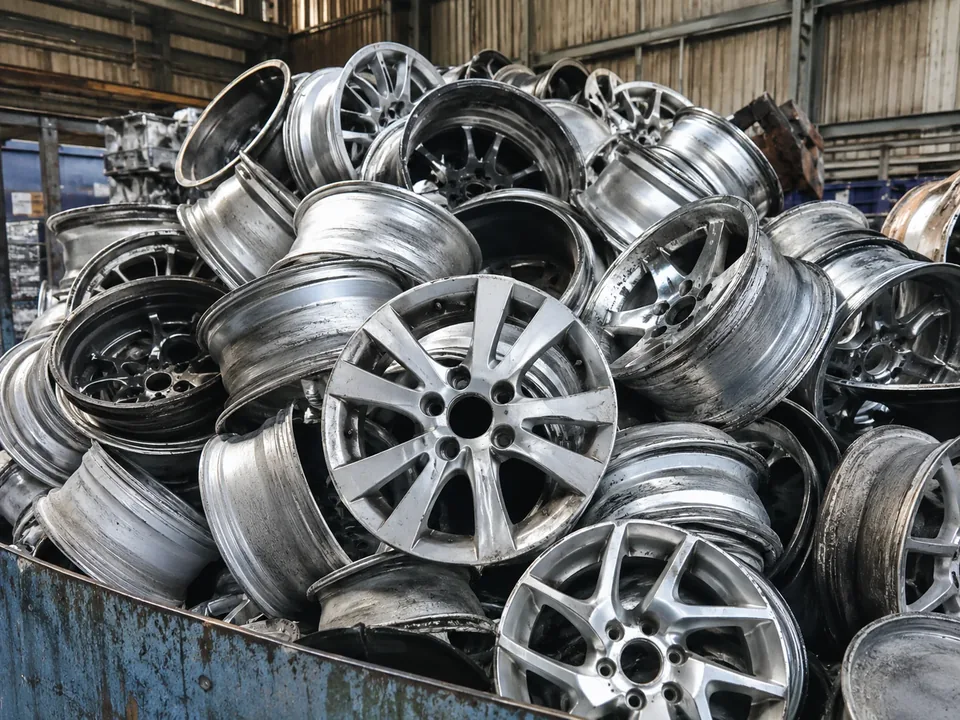
Scrap aluminum wheels for pre-treatment and recycling

Aluminum Wheels

Remove tires and review valves, weights and steel inserts.

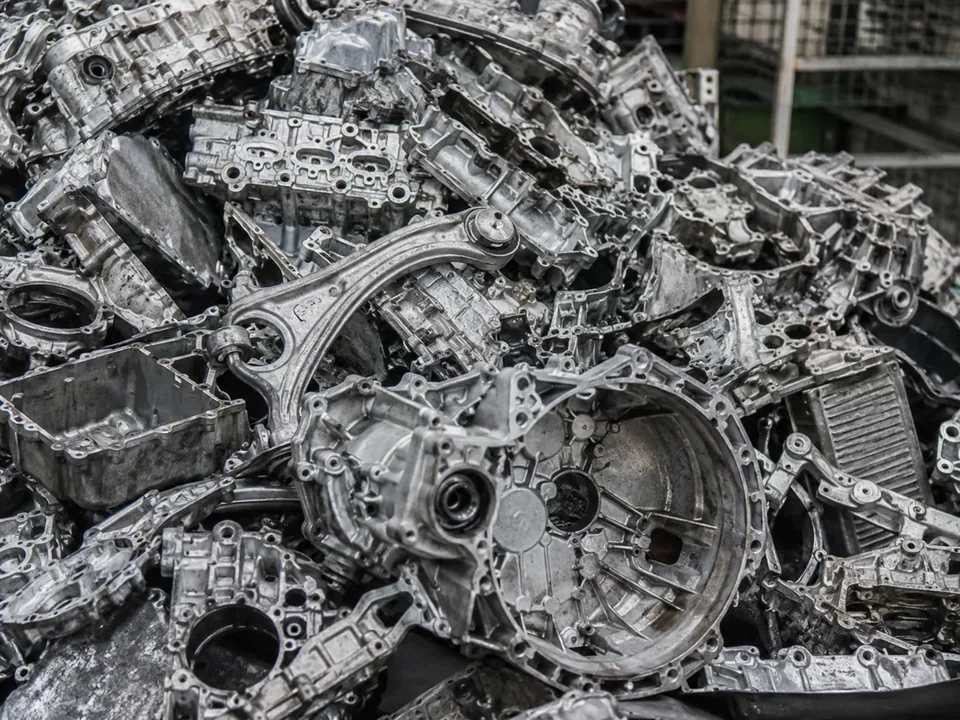
Automotive aluminum castings and housings for recycling

Automotive Aluminum

Cast housings and parts may contain bearings, steel and fluids.

Mixed scrap aluminum for shredding crushing and sorting

Mixed Scrap Aluminum

The line is designed after the percentage of each component is known.

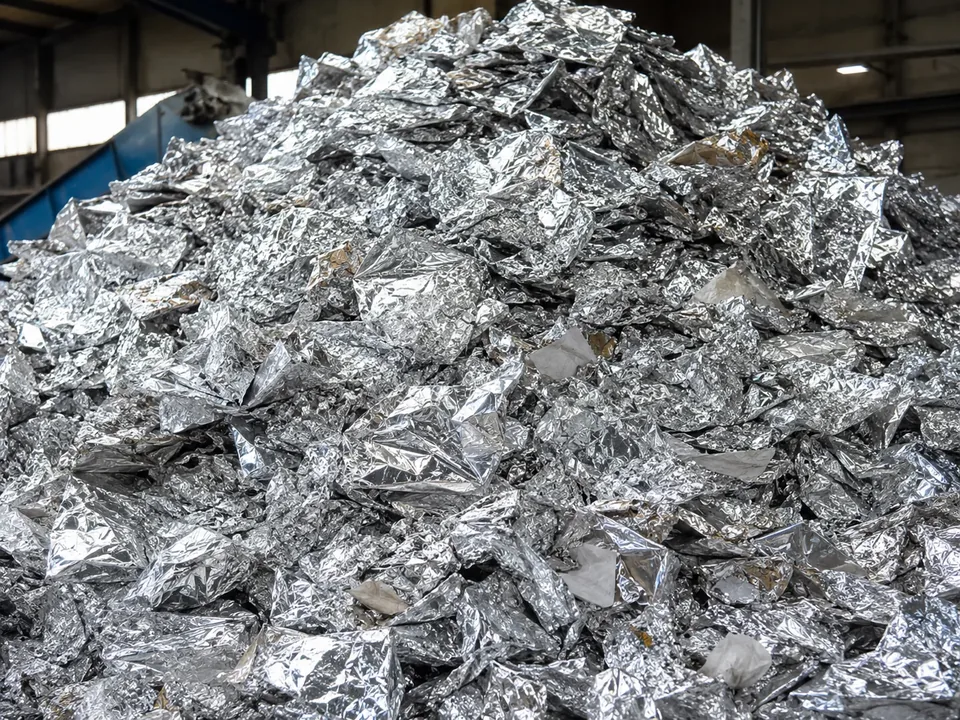
Light aluminum foil scrap for recycling

Foil & Light Scrap

Low bulk density affects feeding, wind separation and real capacity.

Main equipment

What Each Machine Does in the Line

Feeding Conveyor

Controls the material layer and connects manual, grab or loader feeding with the process.

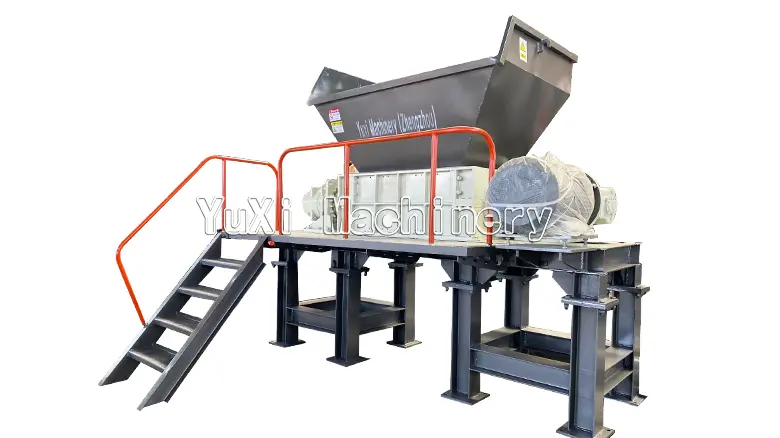
Metal Shredder

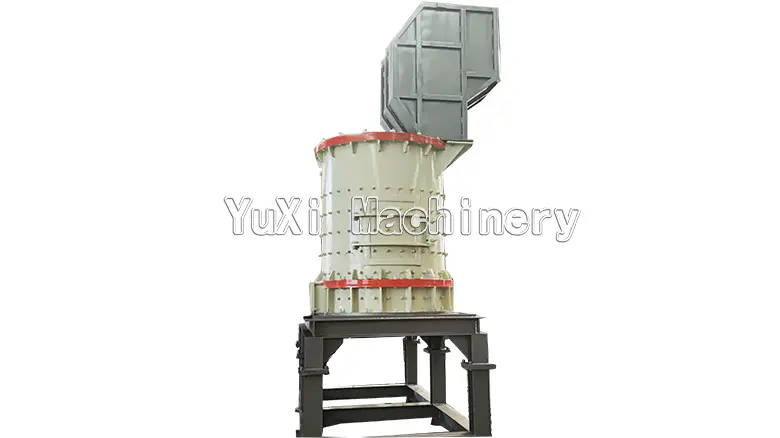
Performs low-speed primary reduction for bulky profiles, frames and mixed light scrap.

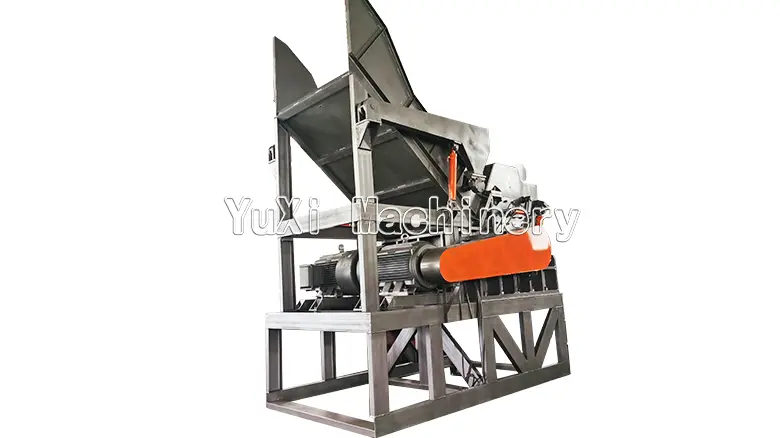
Hammer Mill Metal Crusher

Provides secondary size reduction and material liberation when finer processing is needed.

Magnetic Separator

Removes ferrous screws, brackets and steel inserts. It does not recover aluminum from non-metal material.

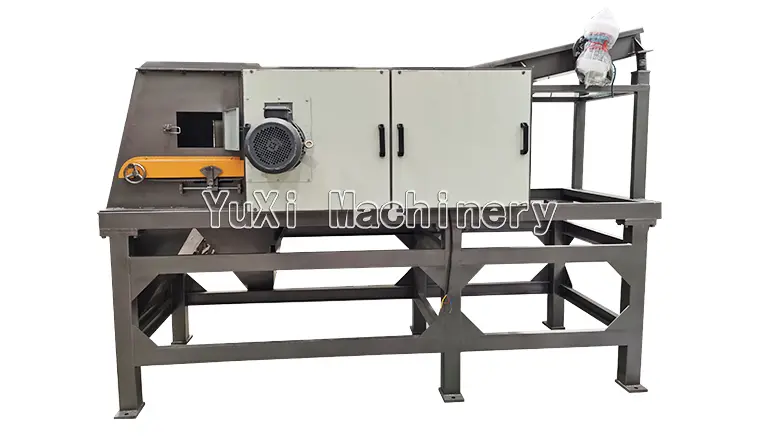
Eddy Current Separator

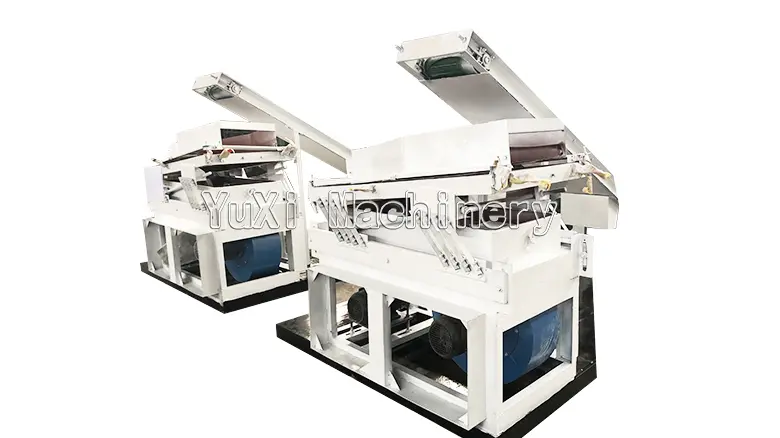
Separates non-ferrous metal from a suitable non-metal stream after sizing and stable feeding.

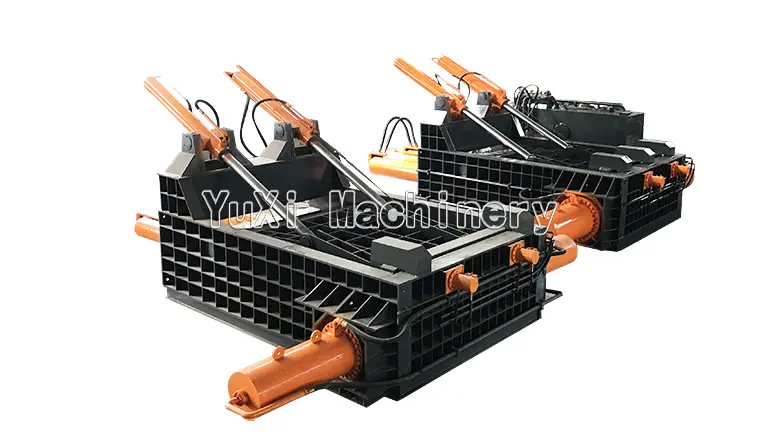
Metal Baling Machine

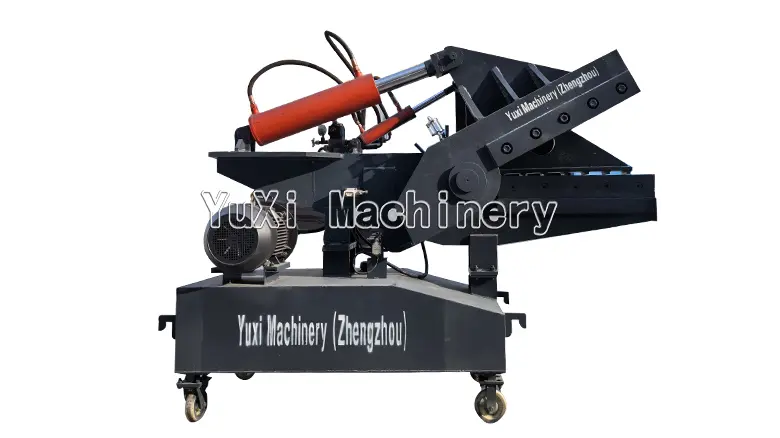
Compacts cans, sheets and light scrap into transport-ready bales when baling is the correct route.

Final products

Outputs Depend on the Selected Process

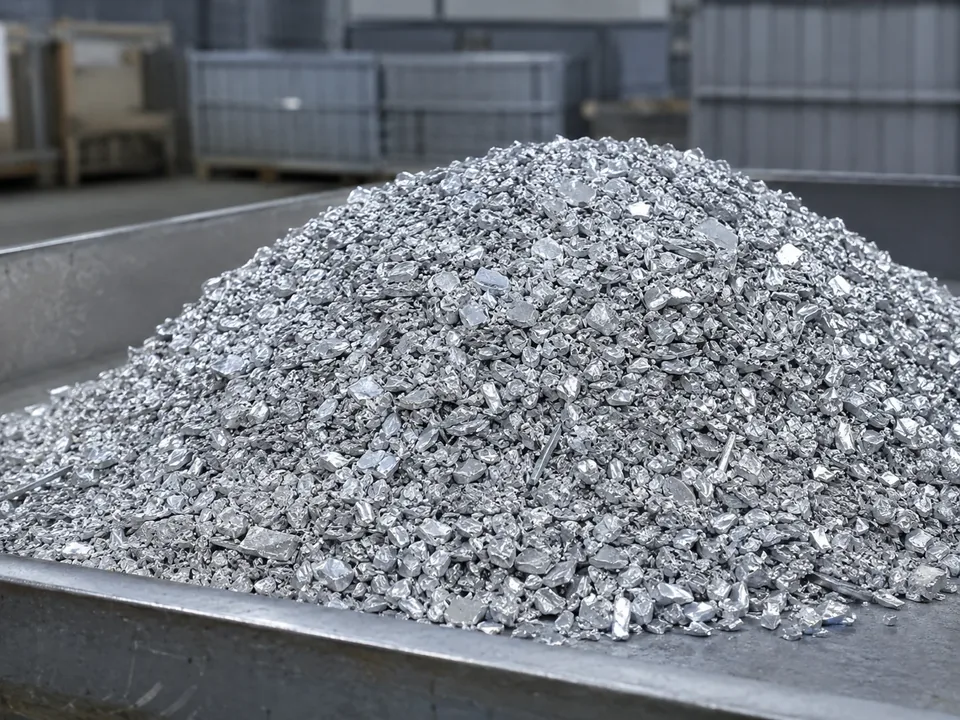
Cleaner aluminum fraction after shredding and sorting

Cleaner Aluminum Fraction
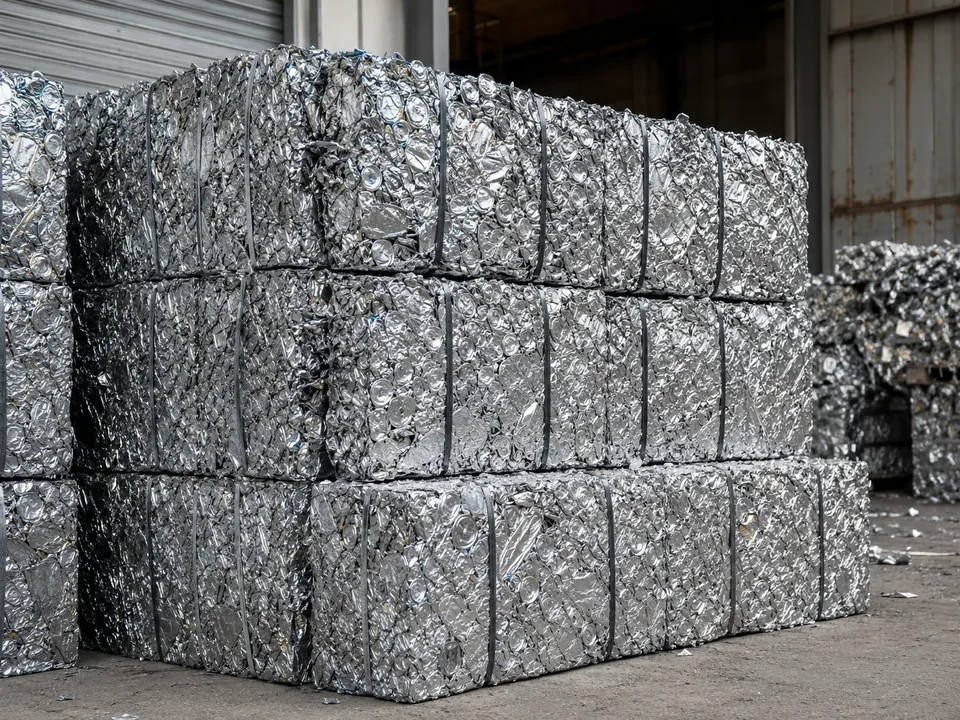
Compressed aluminum bales for storage and transport

Aluminum Bales
Aluminum chip briquettes produced by a briquetting press

Aluminum Briquettes
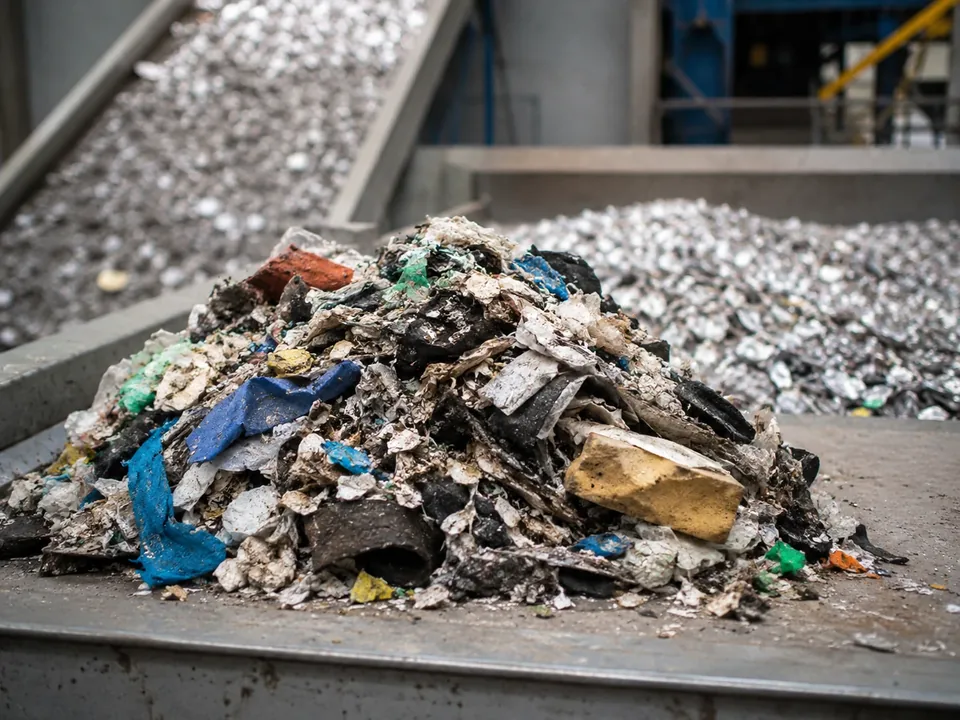
Non-metal impurities separated from mixed aluminum scrap

Separated Residue

Do not state a fixed purity or recovery rate without a defined feed, sample method and equipment configuration.

Capacity and quality

What Changes Real Throughput?

Rated motor power does not tell the buyer how many tons the complete line will process. Real capacity is affected by bulk density, largest piece size, material thickness, contamination, the number of processing stages and the required final size.

Separation also depends on preparation. An eddy current separator needs a suitable particle range and an even material layer. Alloy-level separation may require additional sensor technology beyond a standard mechanical line.

Confirm Before Publishing Capacity

Use a reference range only after the factory confirms that the test material is comparable. Show the feed description, process route, working conditions and output definition next to any capacity figure.

Budget planning

What Affects Scrap Aluminum Recycling Line Cost?

Feed and throughputMaterial size, density, contamination and target tons per hour set the main machine scale.
Process depthA simple baling route costs less than multi-stage shredding, screening and sensor sorting.
Project scopeConveyors, dust control, electrical standard, automation, layout, shipping and installation change the total investment.
Safe project definition

Feed Preparation and Material Exclusions

Remove or identify sealed containers, pressure vessels, flammable or explosive items, liquids, batteries, large hard steel pieces and hazardous residues before processing. Wheels require tire removal. Chips with cutting fluid require a dedicated collection and liquid-control route. Material outside the confirmed feed specification should not enter the line.

Buyer questions

Scrap Aluminum Recycling Line FAQ

What is a scrap aluminum recycling line?

It is a configured group of machines used to reduce volume, remove attached impurities, separate material streams or compact aluminum for transport and remelting. The correct machines depend on the feed and required final product.

Can one line process profiles, cans and aluminum chips?

Not efficiently as one fixed process. Profiles and mixed scrap usually need shredding and separation. Clean cans may be sorted and baled. Chips and turnings normally require drainage and briquetting. A project may share conveyors or controls, but the treatment routes are different.

What information is needed to design the line?

Send material photos or video, maximum size, bulk density, attached iron and non-metal content, target tons per hour, required output, daily working hours, power supply and available workshop dimensions.

When is an eddy current separator needed?

It is considered when sized material contains non-ferrous metal mixed with non-metal material. Stable particle size and an even material layer are important. It is not a replacement for magnetic removal or alloy-level sensor sorting.

Can clean UBC cans be baled without shredding?

Yes, in many projects sorted and drained cans can be compacted directly. Shredding or crushing is added when the buyer needs opening, cleaning, controlled size or a different downstream process.

How are aluminum chips handled?

Loose chips should be evaluated for cutting fluid, moisture, fines and foreign metal. A dedicated chip collection, liquid-control and briquetting route is normally more suitable than a general scrap shredder line.

What capacity can the line reach?

Capacity is selected after reviewing the material and process. Bulk density, single-piece size, contamination, target particle size, sorting stages and feeding stability all affect real throughput. Confirmed reference figures should be based on a comparable test.

What final products can be produced?

Based on the chosen route, the outputs can include shredded aluminum, a cleaner aluminum fraction, aluminum bales, briquettes, separated ferrous fractions, and non‑metal residue.

Does the line guarantee a fixed aluminum purity?

No fixed purity should be promised without a defined feed and test method. Separation performance depends on material composition, particle-size distribution, moisture, feeding condition and the selected technology.

What affects the price of an aluminum recycling plant?

The main factors are feed type, throughput, number of reduction stages, separator technology, conveyors, dust control, automation, electrical standard, workshop layout, shipping and installation scope.

Send Your Material Details for a Recommended Line

Provide photos or video, maximum feed size, contamination, required tons per hour, final product, power supply and workshop dimensions. YUXI will separate the project into the right shredding, sorting, baling or briquetting route.


need some help?
  • We are here for your questions anytime 24/7, welcome your consultation.
  • Parts of original factory.
  • Installation and maintenance.
  • Latest price of crushers.
  • Operation training.
What are your preferences or customization needs?
  • *
  • *

Submit Your Inquiry

* Required fields

+86-13674998188
WhatsApp:+86 13674998188