




Your Location:
  1. Home > 
  2. Metal Recycling Solutions
Complete Industrial Recycling System

Copper Aluminum Radiator Recycling Line

A complete line for shredding, crushing and separating scrap car radiators, AC condensers and mixed heat exchangers into copper, aluminum, iron and non-metal fractions.

See the Process Flow
Mixed FeedstockCar, AC, heat exchanger and alloy radiator scrap
Multi-Stage SeparationMagnetic and specific-gravity separation
Project-Based DesignConfigured around feed condition and target output
Higher-Value FractionsCopper-rich, aluminum-rich, ferrous and non-metal streams
Actual Equipment

Actual Radiator Recycling Line and Control System

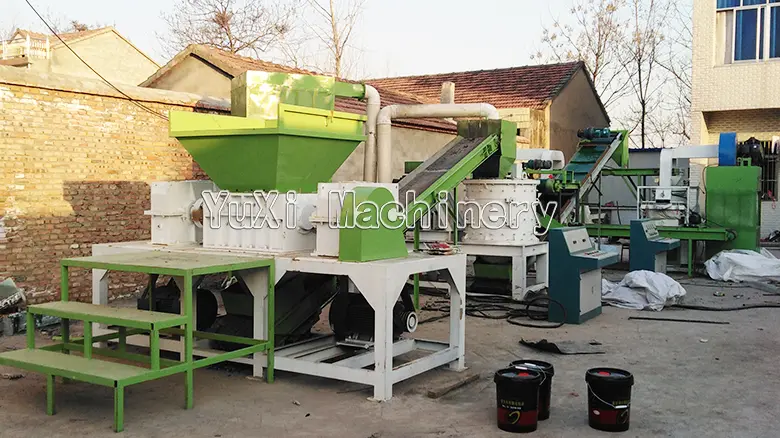
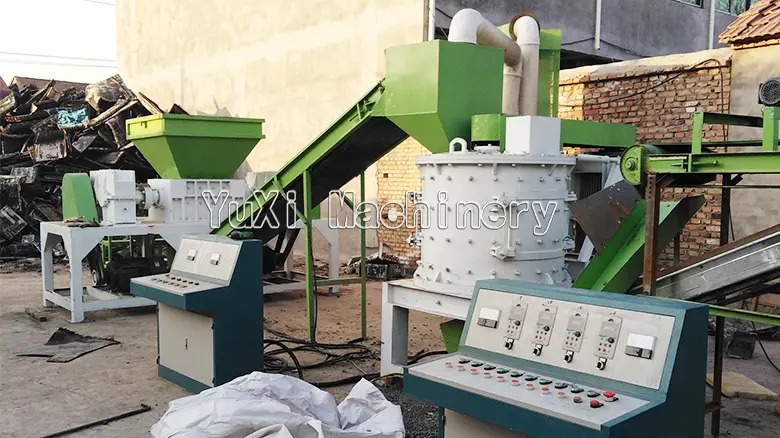
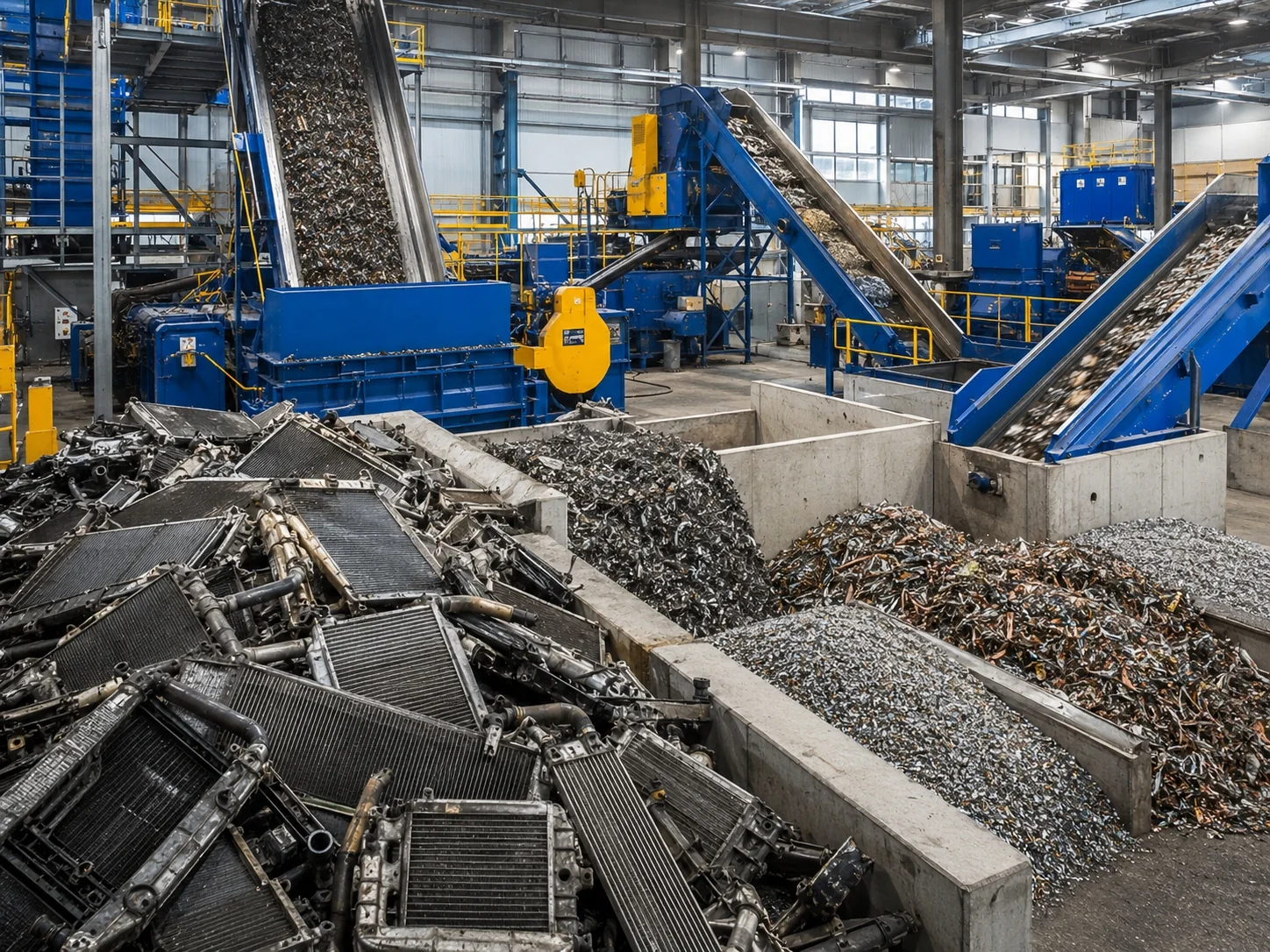
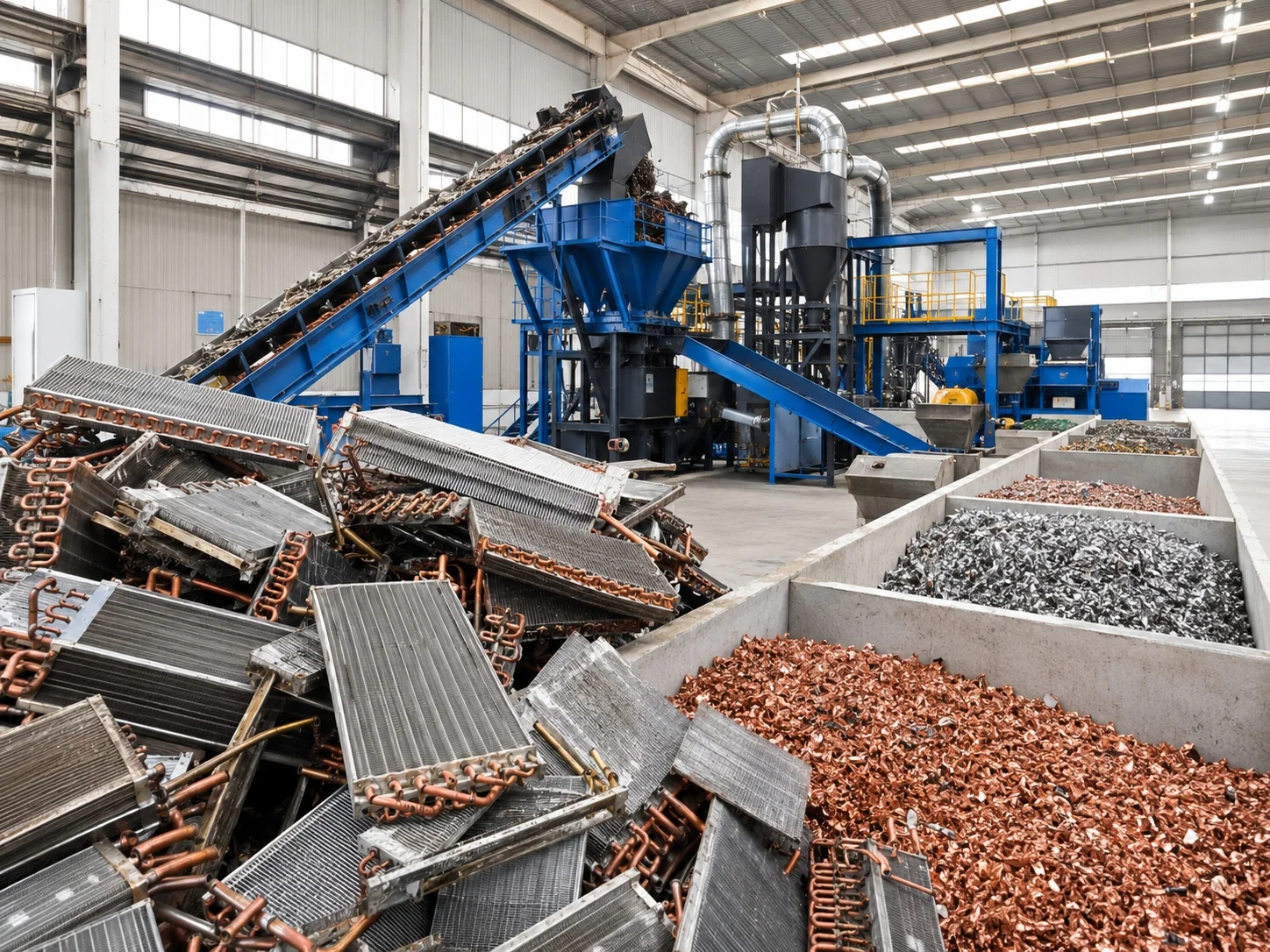
These project photos show how the crushing, conveying, dust collection and control sections are integrated into a complete radiator recycling line.

actual outdoor radiator recycling line setup

Complete Outdoor Line

Feeding, crushing, conveying, dust collection and separation equipment installed as one system.

actual radiator recycling system control view

Crusher and Control Section

Actual equipment and operator control panels used to coordinate the recycling process.

Quick Answer

What Is a Radiator Recycling Machine?

The waste radiator recycling production line is mainly used to process used radiators such as air-conditioner radiators and car radiators. Through crushing and sorting, it recovers copper, aluminum, iron and plastic from mixed radiator scrap.

The complete line uses PLC control to coordinate feeding and machine operation. It reduces manual sorting and helps maximize the recovery of high-value metals.

Processes copper-aluminum radiators, aluminum radiators and mixed heat exchangers.
Removes iron frames, screws, plastic tanks and light impurities in stages.
Can be integrated into appliance recycling, auto dismantling or non-ferrous recovery plants.
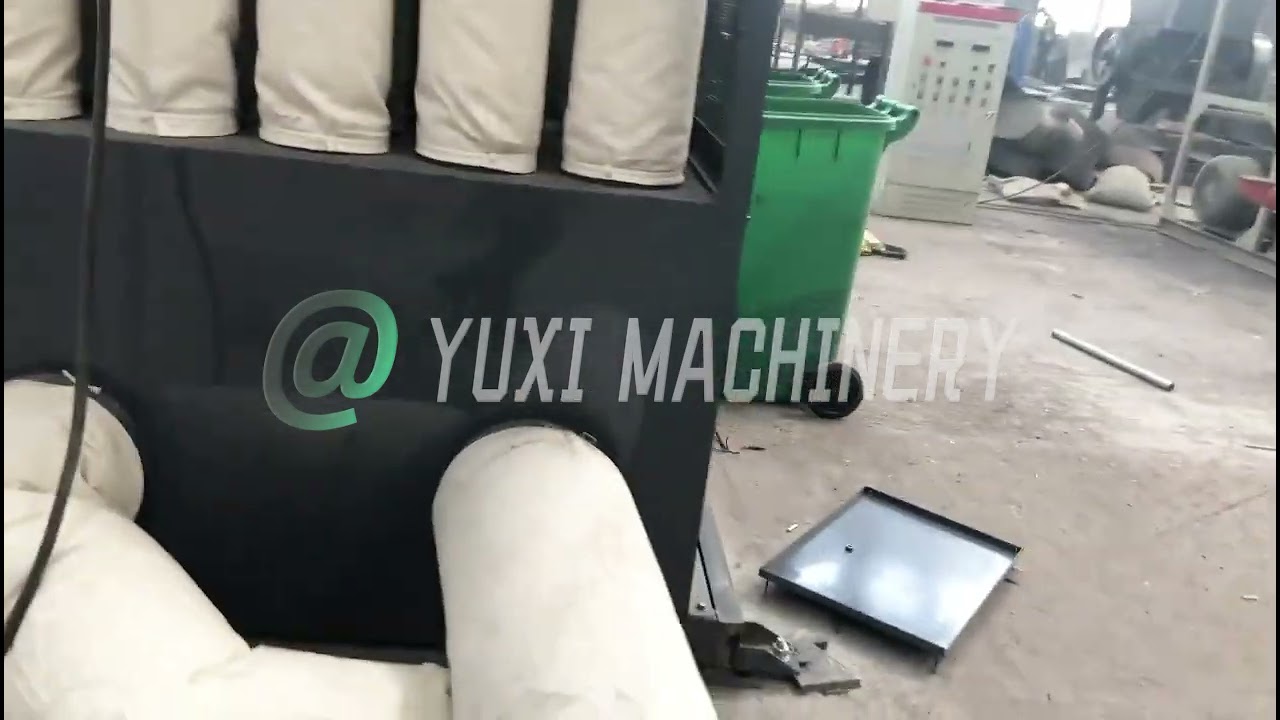
Radiator Recycling Machine Working Video
Feedstock Coverage

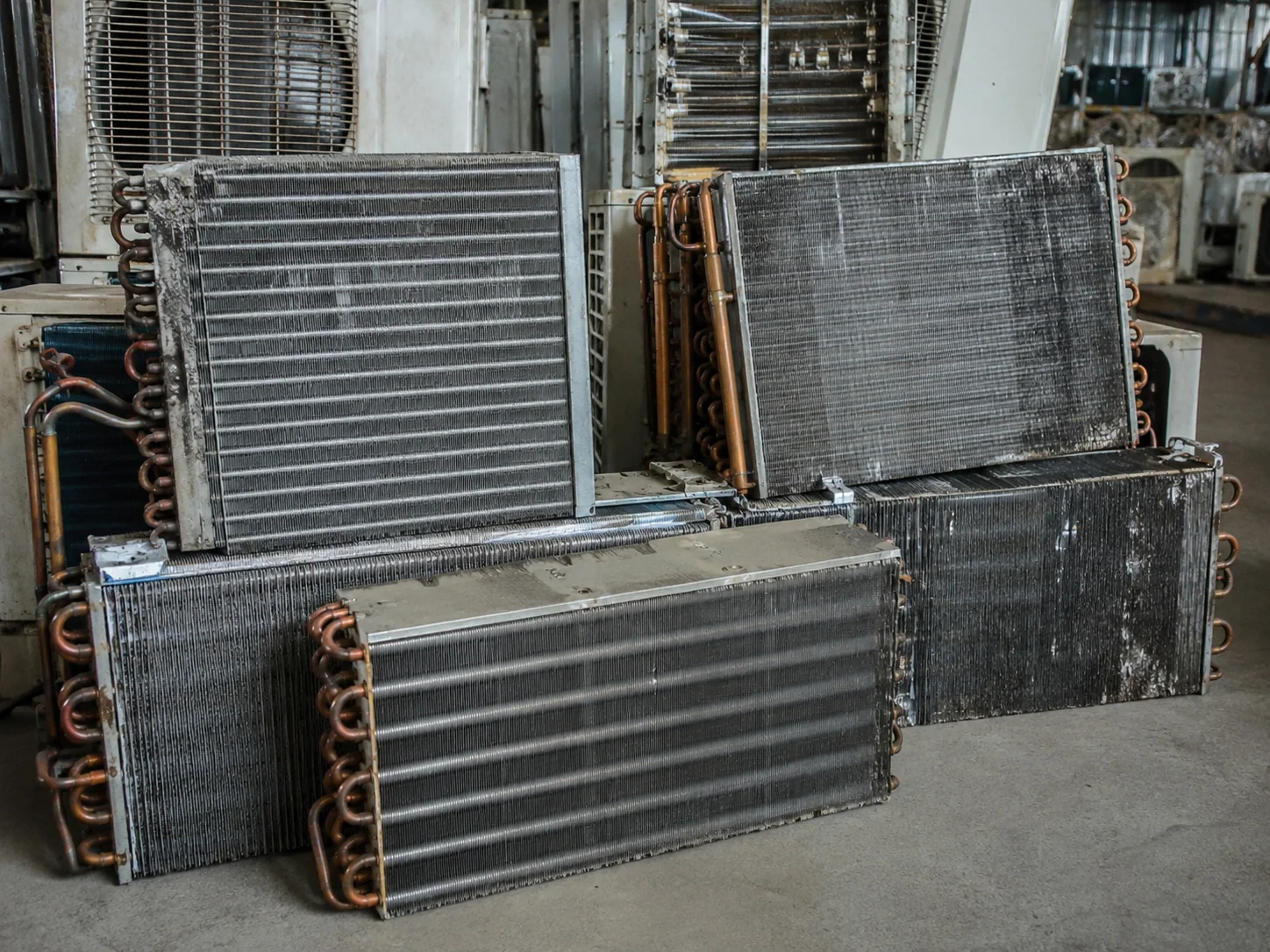
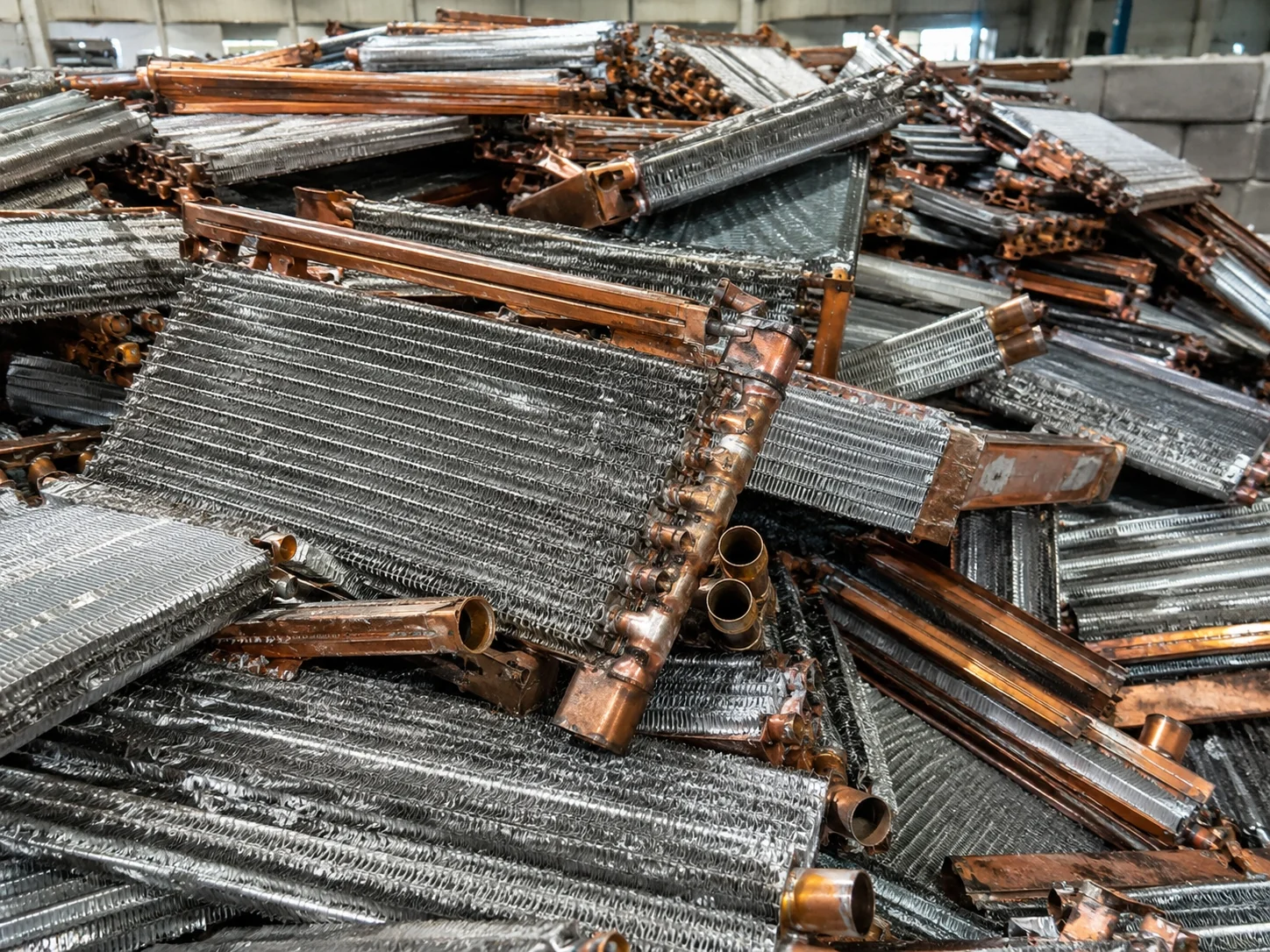
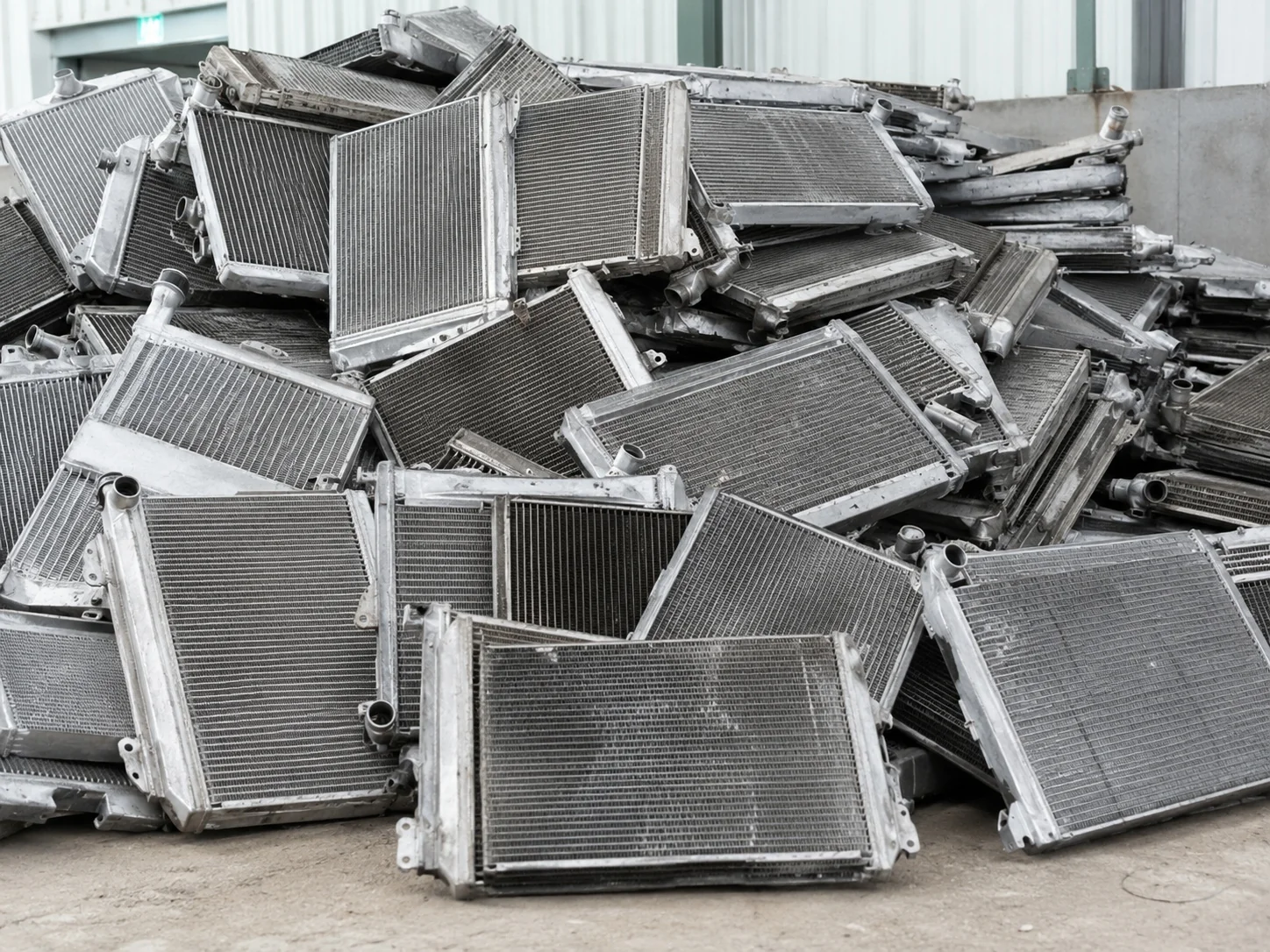
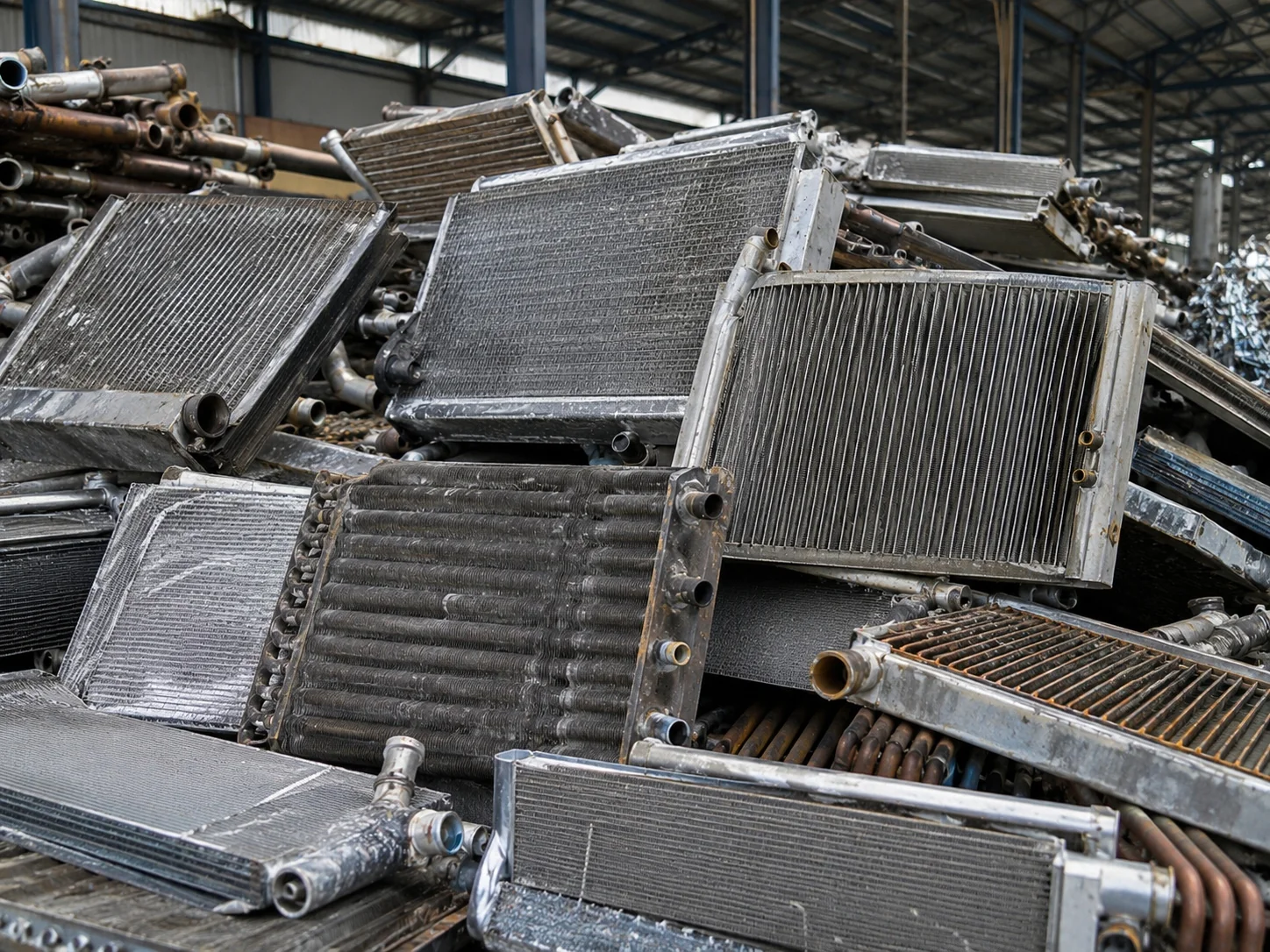
Radiators and Heat Exchangers the Line Can Process

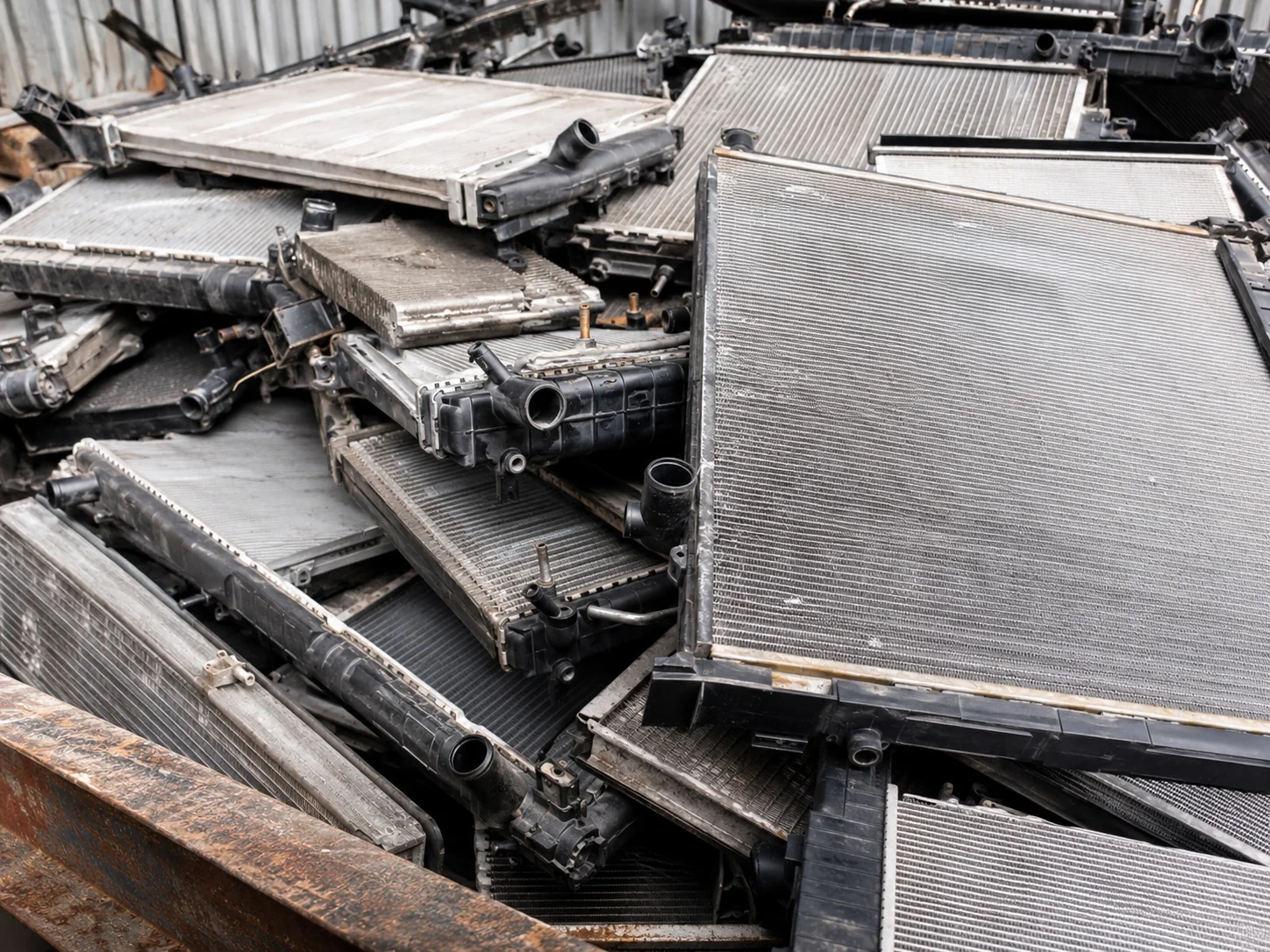
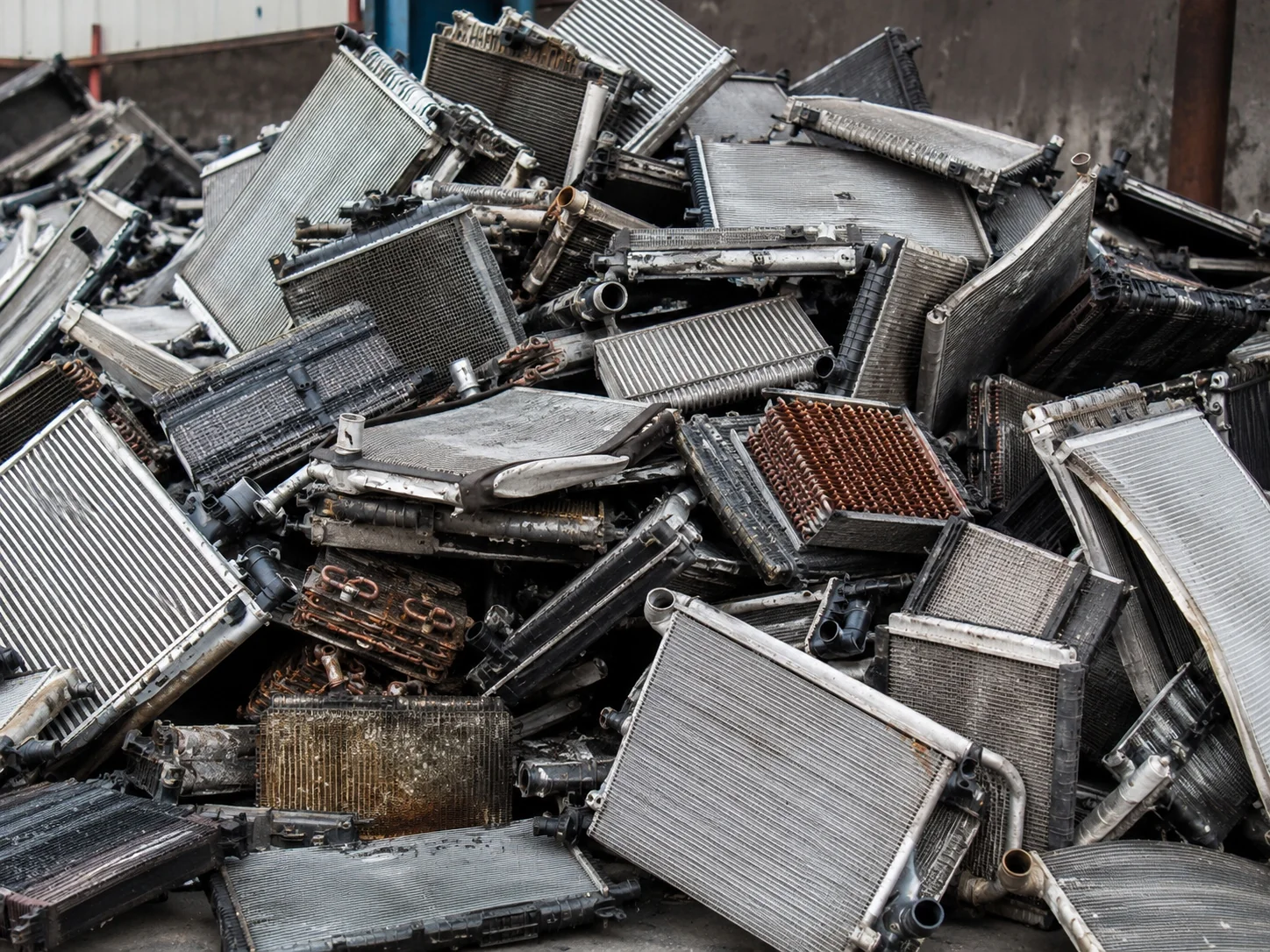
Correct machine selection starts with the real feed mix. Thickness, deformation, oil or coolant residue, iron content, plastic content and the percentage of copper versus aluminum all affect capacity and separation quality.

scrap car radiators for recycling
Car RadiatorsAutomotive cooling modules and mixed vehicle heat exchangers
AC radiator recycling material
AC RadiatorsAir conditioner condensers and evaporator coils
copper aluminum radiator scrap
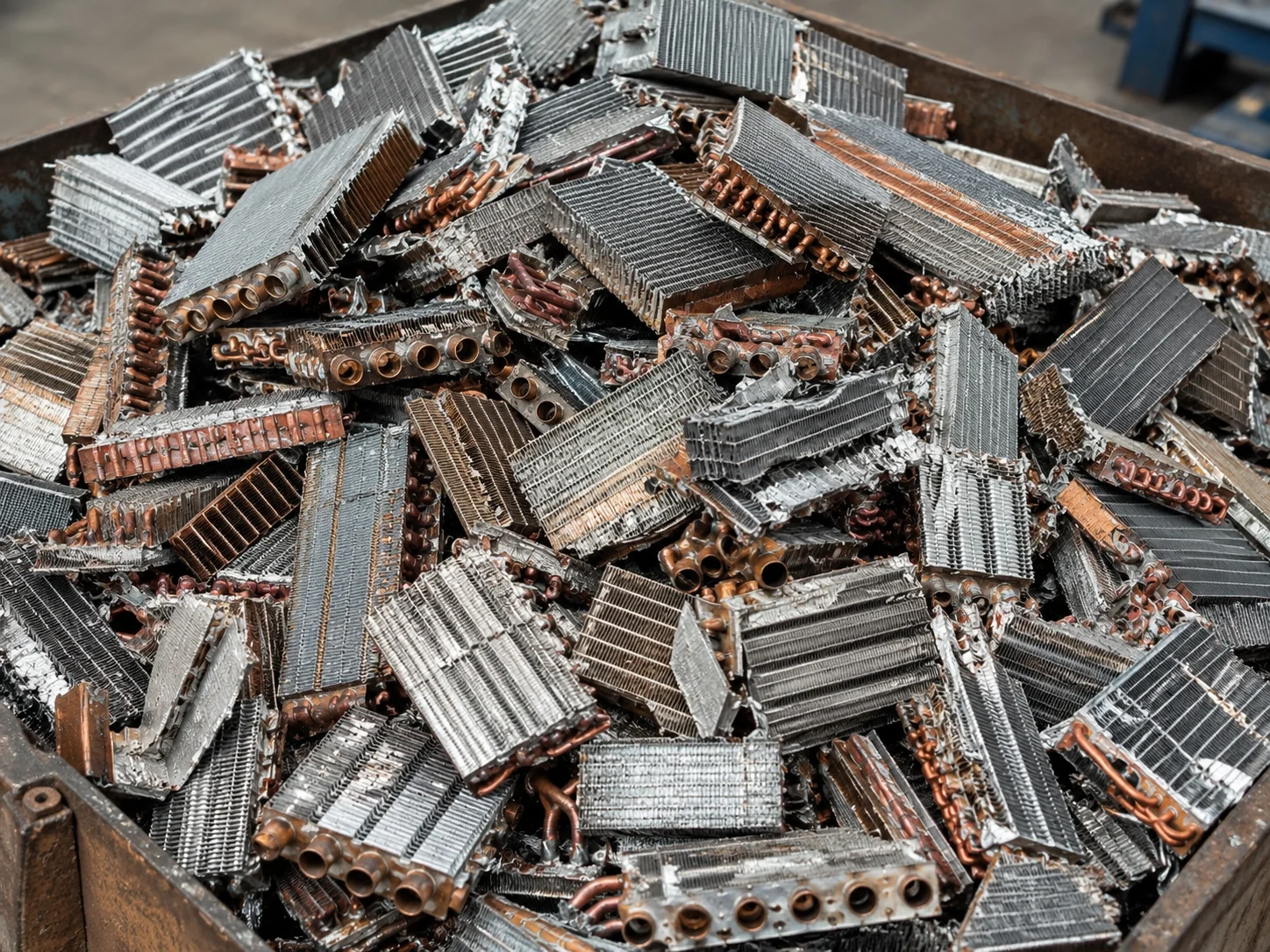
Copper-Aluminum RadiatorsCopper tubes tightly bonded to aluminum fins
aluminum radiator recycling feedstock
Aluminum RadiatorsAll-aluminum and microchannel radiator scrap
waste heat exchanger recycling material
Heat ExchangersIndustrial and appliance heat exchanger scrap
mixed radiator scrap recycling
Mixed Radiator ScrapDeformed, contaminated or mixed-composition loads
Search Intent Clarified

Radiator Separator Machine or Complete Recycling Line?

Many buyers search the same keywords for two very different machines. Choosing the wrong equipment usually starts with misunderstanding the feedstock.

Use a Complete Recycling Line When

  • Radiators are bent, baled, mixed or heavily contaminated.
  • Iron frames, plastic tanks and screws remain attached.
  • You need continuous industrial throughput.
  • The project must recover several material fractions.

A Small Stripping Machine May Be Enough When

  • The feed is flat, clean and dimensionally consistent.
  • Tube spacing is known and uniform.
  • Material can be pre-cut and manually fed.
  • Low investment matters more than automation.
Engineering point: a low-cost stripping machine is not a substitute for a complete radiator crushing and separating line when the feed mix changes from batch to batch.
Process Flow

Feeding → Double-Shaft Shredder → Vertical Crusher → Magnetic Separator → Specific Gravity Separator

The standard process combines primary shredding, vertical crushing and screening, magnetic separation, specific-gravity sorting and centralized dust collection.

01

Feeding

Radiator scrap is fed evenly into the line. PLC control coordinates the feeding speed with the load of downstream equipment.

02

Double-Shaft Shredding

Large radiators are pre-shredded into smaller pieces for stable conveying and further crushing.

03

Vertical Crushing and Screening

The pre-shredded material is crushed and screened to obtain particles of a more uniform size.

04

Magnetic Separation

Iron frames, screws and other ferrous components are removed from the crushed material.

05

Specific Gravity Separation

Airflow and density differences are used to separate copper, aluminum and plastic fractions.

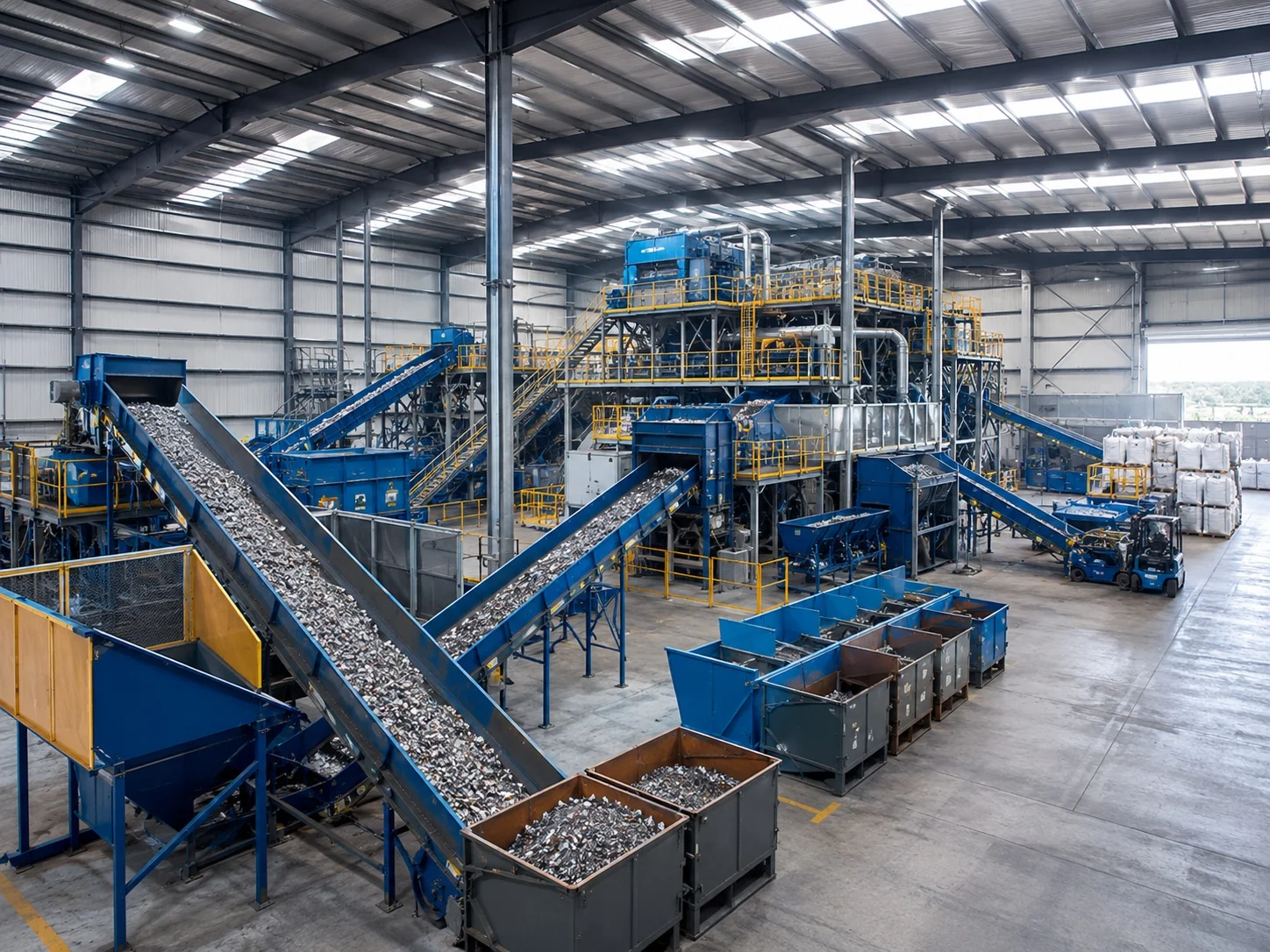
complete mixed radiator scrap recycling line
Core Equipment

Four Main Machines in the Radiator Recycling Line

Four core machines carry out size reduction, iron removal and copper-aluminum-plastic separation. Conveyors, PLC control and dust collection support stable operation.

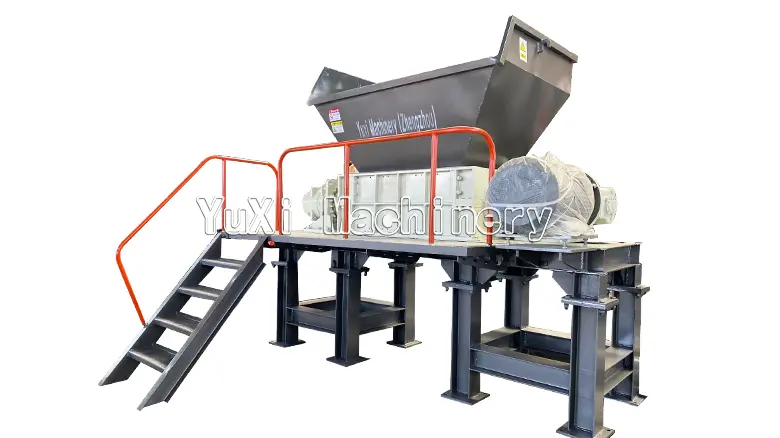
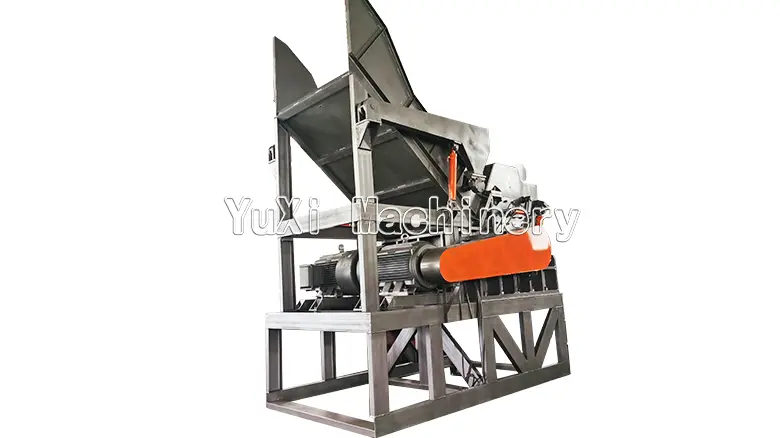
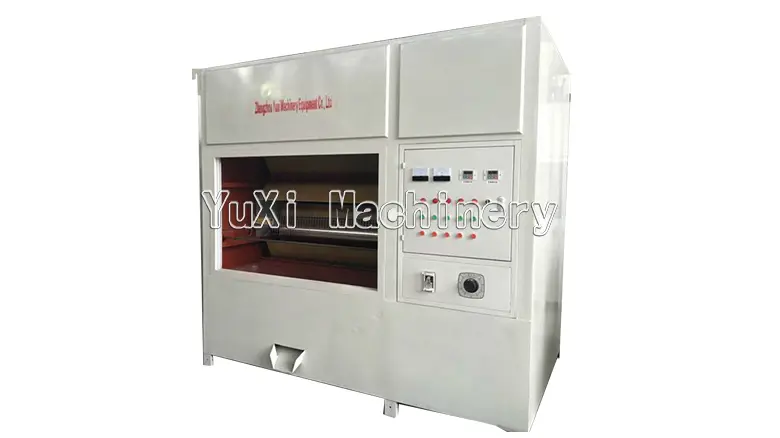
double shaft metal shredder

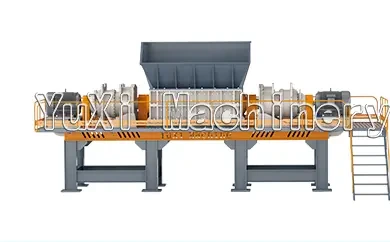
Double-Shaft Metal Shredder

Pre-shreds large radiator scrap. The machine provides high torque, stable operation and efficient primary size reduction.

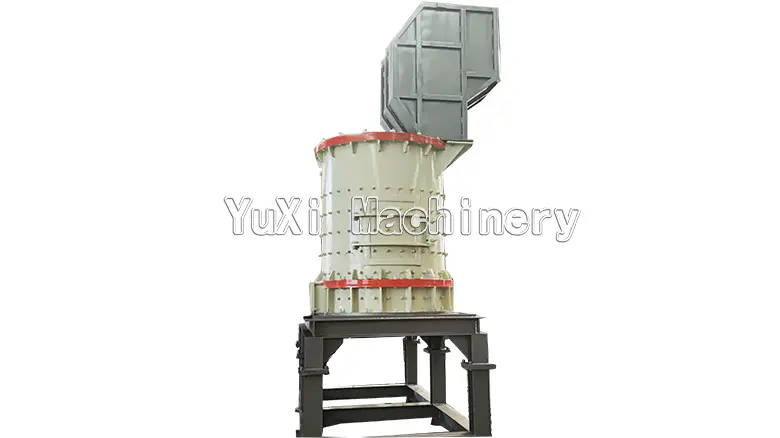
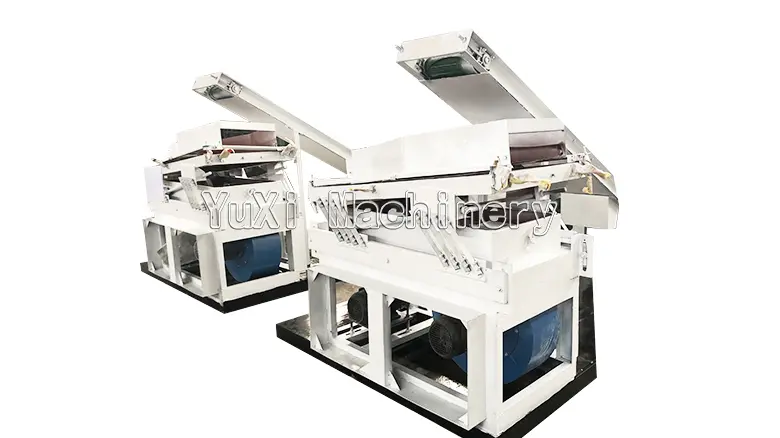
vertical metal crusher

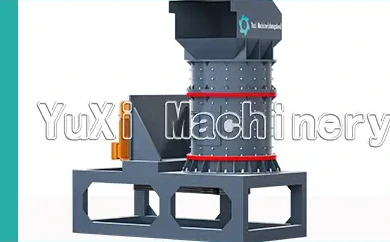
Vertical Metal Crusher

Crushes the pre-shredded material and screens it to obtain more uniform metal particles.

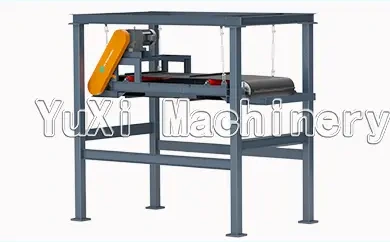
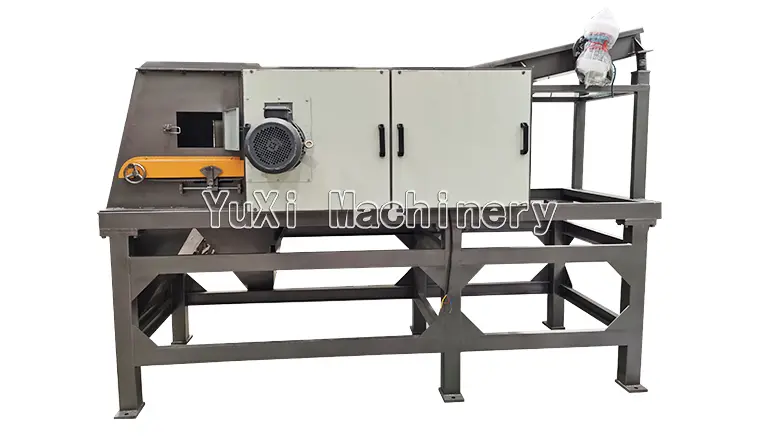
magnetic separator

Magnetic Separator

Removes iron before copper, aluminum and plastic sorting, improving downstream separation stability.

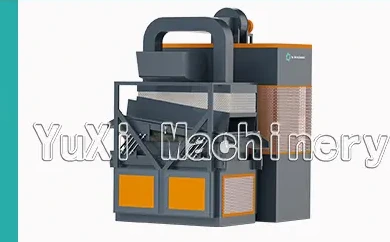
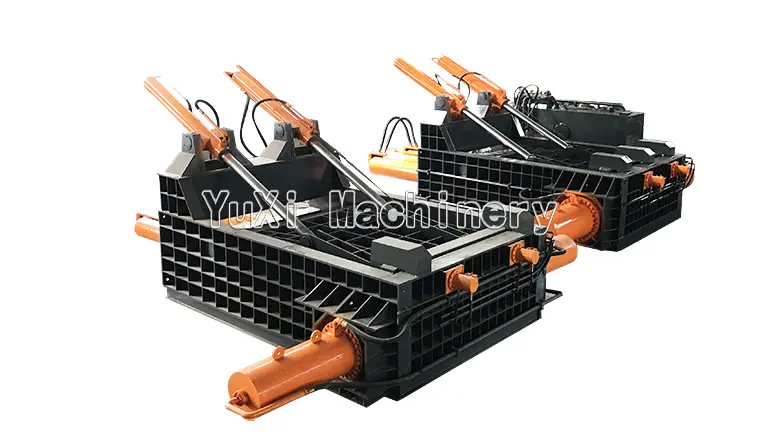
specific gravity separator

Specific Gravity Separator

Uses airflow and density differences to sort copper, aluminum and plastic after crushing and iron removal.

radiator recycling plant integrated into metal recycling facility
Engineering Selection

What Determines the Right Line Configuration?

Capacity alone is not enough. In real projects, output quality and operating stability are controlled by the relationship between feed preparation, liberation size and separator loading.

Feed CompositionShare of copper, aluminum, iron, plastic, rubber and trapped liquid.
Feed GeometryWhole units, cut sections, compacted bales or loose heat exchangers.
Target OutputMixed non-ferrous, copper-rich, aluminum-rich or further refined fractions.
We normally recommend sending representative material photos, average piece size, expected tons per hour and the buyer’s preferred final product specification before confirming equipment.
Feed Preparation and Safety

Materials That Require Pre-Treatment Before Shredding

A radiator recycling machine should not be treated as a universal disposal system. Several items must be removed or made safe before feeding.

Drain Free LiquidsCoolant, oil and other free liquids should be removed before feeding to reduce contamination, slip hazards and dust-control problems.
Remove Pressurized ComponentsCompressors, sealed cylinders and any component that may retain pressure must not enter the shredder.
Pre-Sort Heavy Steel PartsLarge motors, fans, thick brackets and unusually heavy steel assemblies may require separate handling.
Control Dust and Fine AluminumUse suitable extraction, housekeeping and fire-prevention procedures where fine aluminum and plastic dust may accumulate.
Refrigerants and hazardous residues must be recovered and handled in accordance with local environmental and safety requirements before mechanical recycling.
Recovered Fractions

Final Materials After Radiator Recycling

Final purity and recovery depend on feed composition, liberation size, stable feeding and separator settings. Gravity separation performs best when copper and aluminum are sufficiently liberated and screened into a controlled particle-size range.

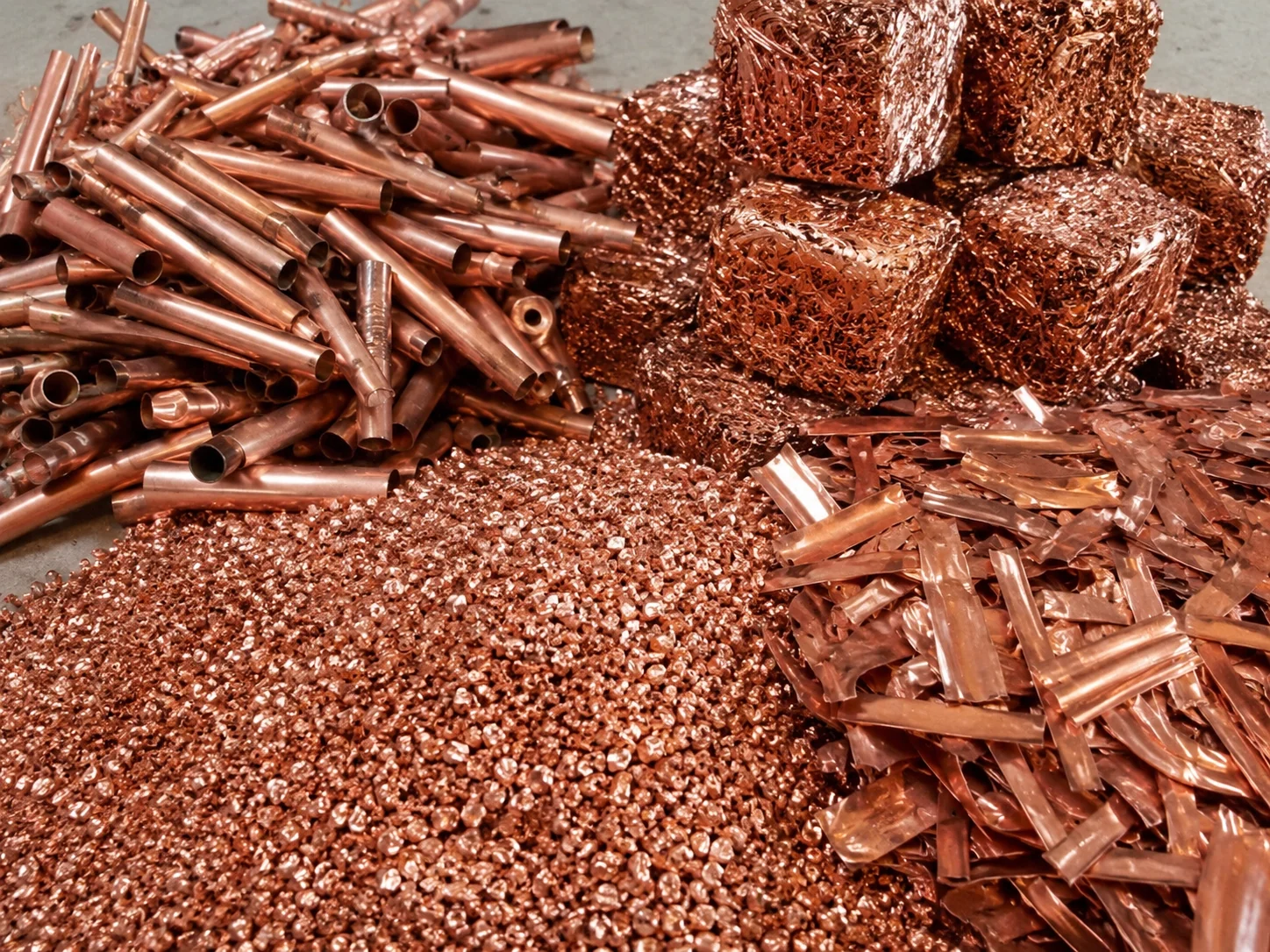
recovered copper from radiator recycling

Copper

Copper tubes, chopped copper and copper-rich heavy fractions.

recovered aluminum from radiator recycling

Aluminum

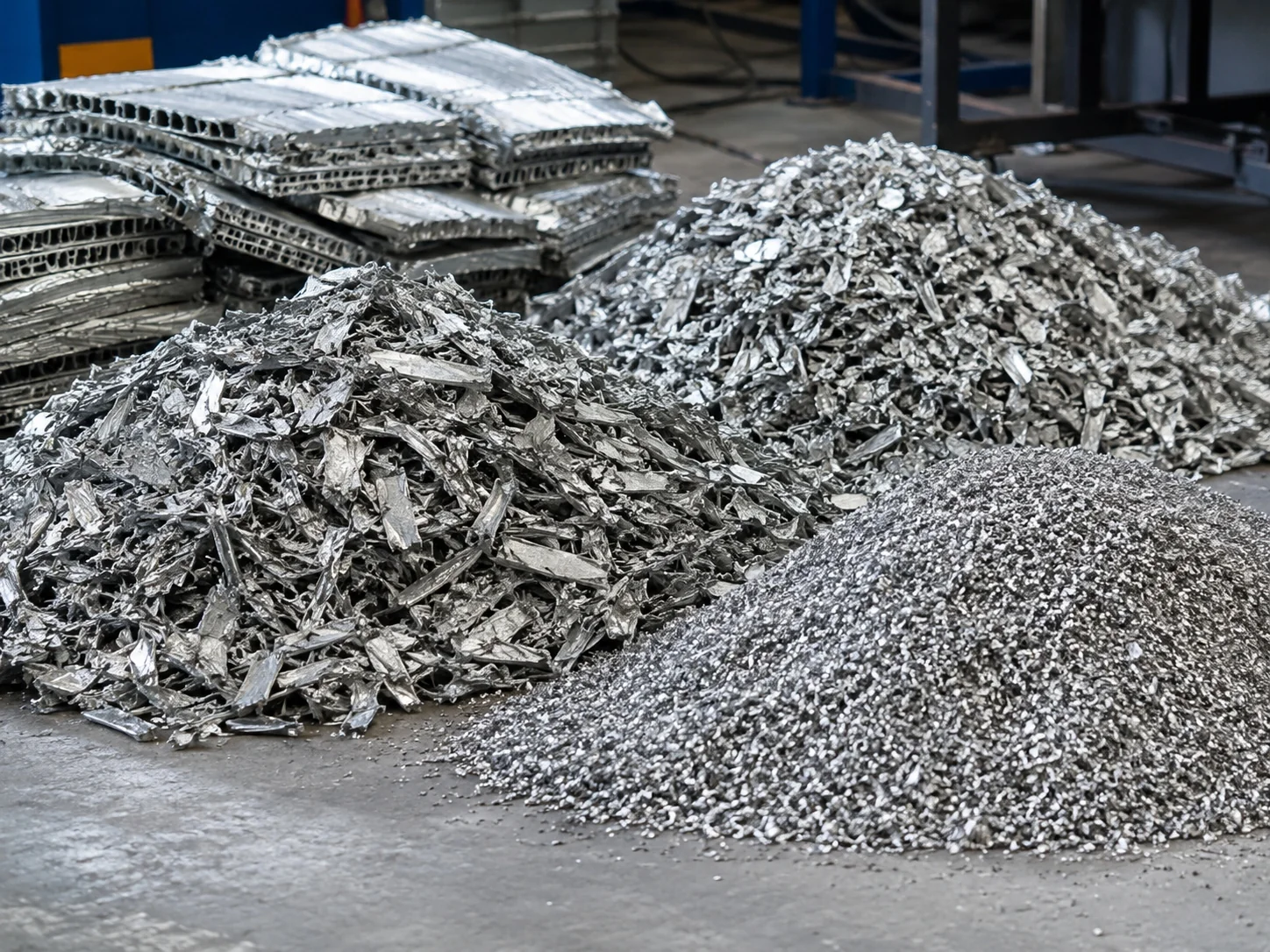
Aluminum fins, fragments and aluminum-rich non-ferrous material.

copper aluminum mixed material from radiator recycling

Copper-Aluminum Mix

An intermediate fraction when the target is bulk recovery rather than fine separation.

ferrous output from radiator recycling

Iron

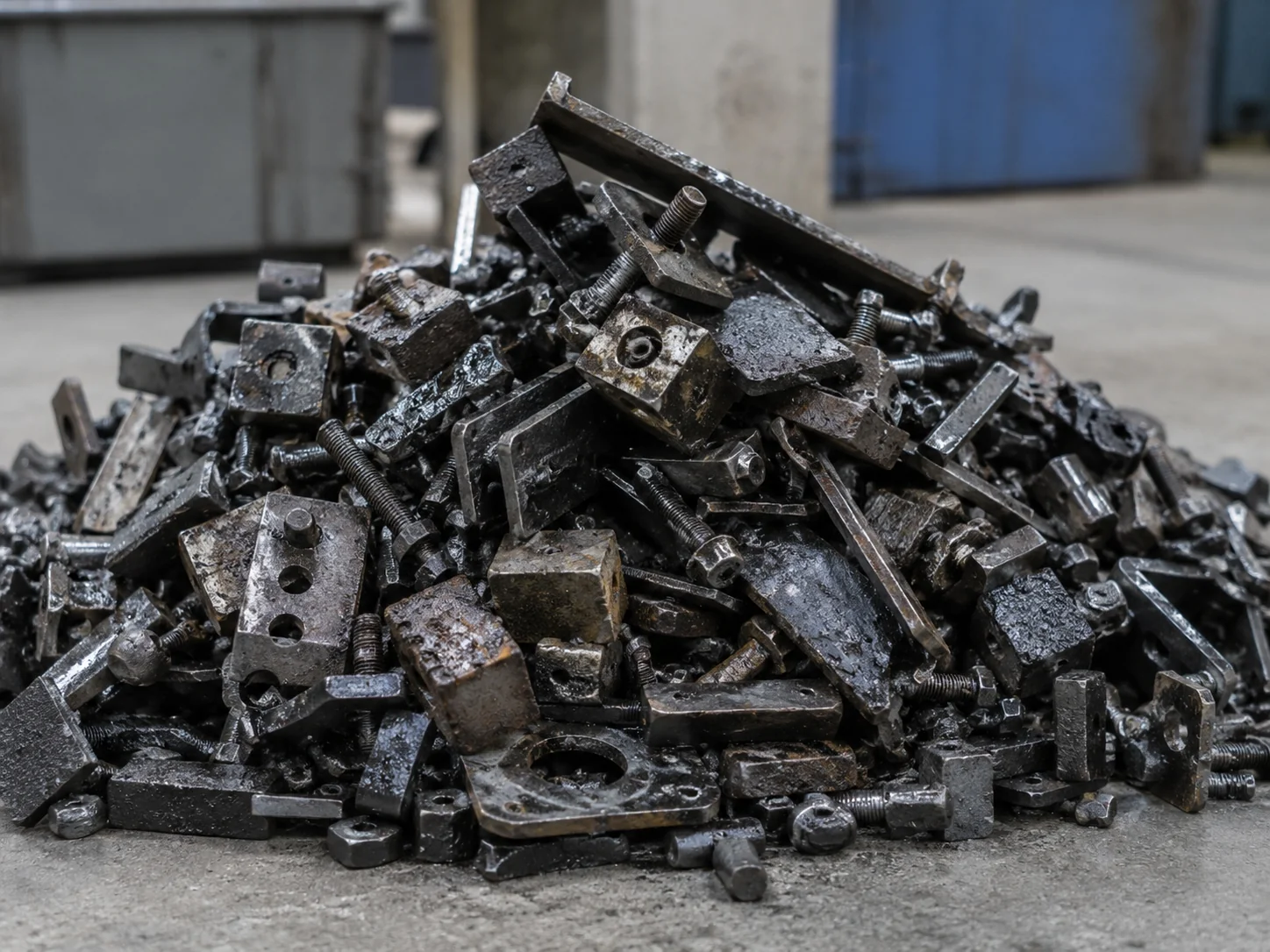
Frames, screws and other magnetic components removed early in the process.

plastic output from radiator recycling

Plastic

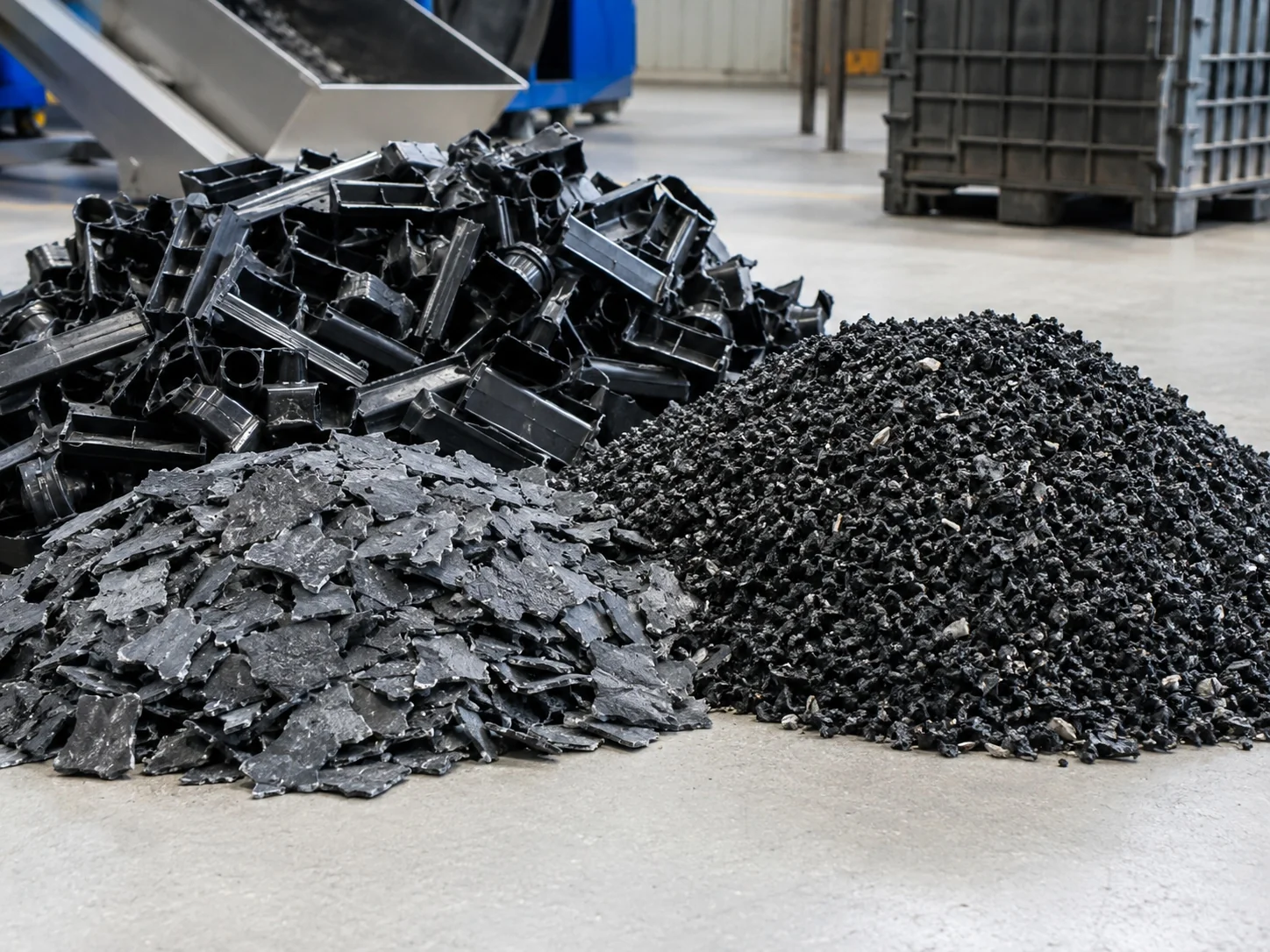
Side tanks, covers and light non-metal components separated from metal streams.

other valuable metals from radiator recycling

Other Valuable Metals

Brass, stainless steel and mixed metal fittings requiring further classification.

Application Configurations

Project Routes for Different Radiator Scrap Streams

AC radiator recycling project

AC Radiator Recycling Project

For condenser and evaporator coils with high copper and aluminum value.

Focus: Liberation of copper tubes and aluminum finsTypical concern: Tube spacing, oil residue and mixed plastic
copper aluminum separation project

Copper Aluminum Separation

For projects requiring a more refined non-ferrous separation stage.

Focus: Controlled particle sizing and density separationTypical concern: Consistent particle-size distribution
waste appliance radiator recovery project

Waste Appliance Radiator Recovery

For appliance dismantling plants handling cooling coils and mixed housings.

Focus: Integration with appliance pre-processingTypical concern: Plastic, foam and ferrous contamination
Buyer-Focused Design

A Line Proposal Should Reduce Project Risk, Not Just List Machines

The best radiator recycling machine is the configuration that matches your feedstock, labor level, available floor space, downstream sales channel and required product quality.

Feedstock and Capacity

Bulky low-density radiators do not behave like dense chopped metal. Capacity should be evaluated using representative feed and realistic hourly volume.

Separation Quality

Stable dosing, controlled particle size and sufficient liberation matter more than simply adding more separators.

Maintenance and Wear

Knife replacement, crusher wear parts, screen cleaning and safe maintenance access should be considered before layout approval.

Dust, Safety and Layout

Extraction, housekeeping, fire prevention and room for future upgrades should be included at the project-design stage.

Line Advantages

Automation, Separation and Dust Control

PLC Program ControlEven feeding and coordinated machine operation reduce manual intervention.
Ferrous SeparationA ferromagnetic drum separator removes iron before non-ferrous sorting.
Airflow SortingSpecific-gravity separation improves classification of copper, aluminum and plastic.
Pulse Dust CollectionDust is centrally collected through pipelines to reduce leakage and secondary pollution.
Published purity or sorting-rate figures should be confirmed against representative feedstock, particle size and agreed test conditions.
Investment Planning

Radiator Recycling Machine Price and Project Cost

There is no useful single price for every radiator recycling line. A small clean-feed system and a complete plant for mixed, deformed radiator scrap have very different equipment, wear and infrastructure requirements.

CapacityRequired tons per hour, daily operating hours and peak feed volume.
Crushing StagesWhether one-stage size reduction is enough or secondary liberation is required.
Separation TargetMixed non-ferrous output versus copper-rich and aluminum-rich refined fractions.
Project ScopeConveyors, dust collection, platforms, control, installation support and site requirements.
For a practical quotation, send material photos, target capacity, required outputs, local power standard and available workshop dimensions.
Configuration Guidance

Recommended Line Logic by Feedstock Condition

Feedstock ConditionRecommended RouteMain Design Concern
Clean, flat copper-aluminum radiator sectionsManual pre-sorting or stripping may be considered before a full lineAvoid over-investing where feed is highly uniform
Mixed car and AC radiatorsShredder + crusher + magnetic + non-ferrous separationVariable plastic and ferrous content
Deformed or baled radiator scrapHeavy-duty primary shredding + staged crushingTorque demand, bridging and wear
High-purity copper and aluminum targetSecondary liberation + controlled screening + gravity separationParticle-size consistency and separator loading
Appliance dismantling residuesPre-sorting + radiator line integrated with appliance recyclingFoam, wire, oil and mixed plastic contamination
Before We Design

Send These Details for a More Accurate Recommendation

1Clear photos or video of representative radiator scrap.
2Average and maximum piece size, including whether material is baled.
3Required throughput and expected operating hours per day.
4Target final products and acceptable residual contamination.
5Available floor area, power standard and local dust-control requirements.
waste appliance and radiator recovery line
FAQ

Radiator Recycling Machine Questions

Can the line process both car radiators and AC radiators?

Yes, but the feed mix should be reviewed before design. Car radiators may contain more plastic tanks and ferrous frames, while AC coils may contain more tightly bonded copper tubes and aluminum fins.

Can whole radiators be fed directly?

Many whole units can be mechanically fed, but very large assemblies, excessive liquid, compressors, fans or thick structural parts may require pre-removal. The actual acceptance standard should be confirmed from samples.

What affects radiator recycling machine capacity?

Feed density, radiator size, deformation, iron content, plastic content, target particle size, crusher load and separator feed stability all affect actual throughput.

How is the radiator recycling machine price determined?

Price depends on capacity, feed condition, number of crushing stages, separator combination, dust collection, automation level, platform layout and local electrical requirements.

Can the line be added to an existing metal recycling plant?

Yes. A radiator recycling section can be integrated with existing conveyors, magnetic separation, dust collection or downstream non-ferrous sorting, subject to a layout and capacity review.

Build the Right Line

Turn Mixed Radiator Scrap Into Saleable Metal Fractions

Share your feedstock photos, capacity target and desired final products. YUXI can prepare a process route and equipment recommendation for your radiator recycling project.

Receive a recommended process route, major equipment list and preliminary layout basis.

Copper Aluminum Radiator Recycling Line Guides
need some help?
  • We are here for your questions anytime 24/7, welcome your consultation.
  • Parts of original factory.
  • Installation and maintenance.
  • Latest price of crushers.
  • Operation training.
What are your preferences or customization needs?
  • *
  • *

Submit Your Inquiry

* Required fields

+86-13674998188
WhatsApp:+86 13674998188