* Required fields
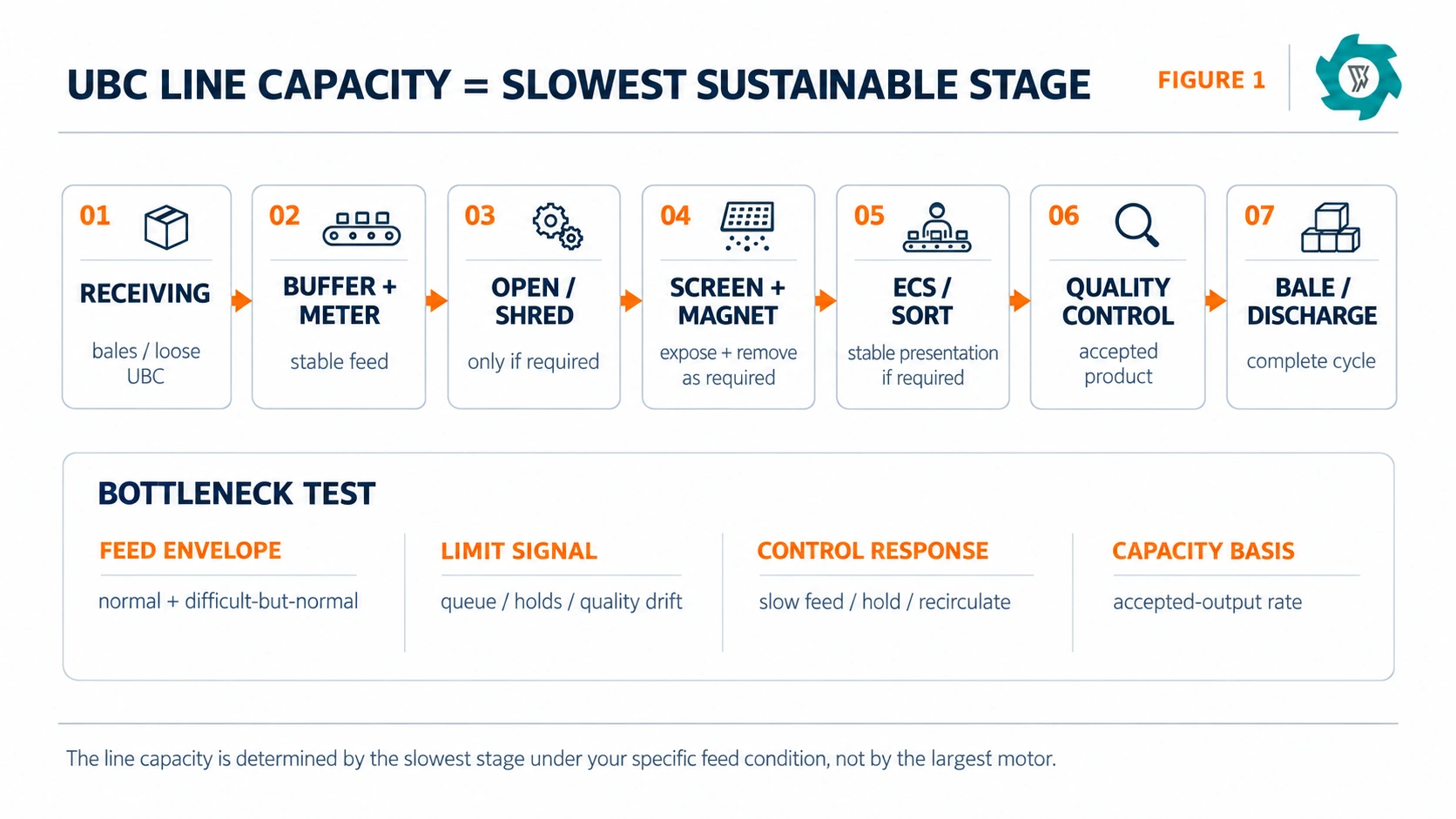
Learn what really limits UBC recycling line capacity, from feed volume and bale opening to separation, baling, uptime and accepted-output rate.
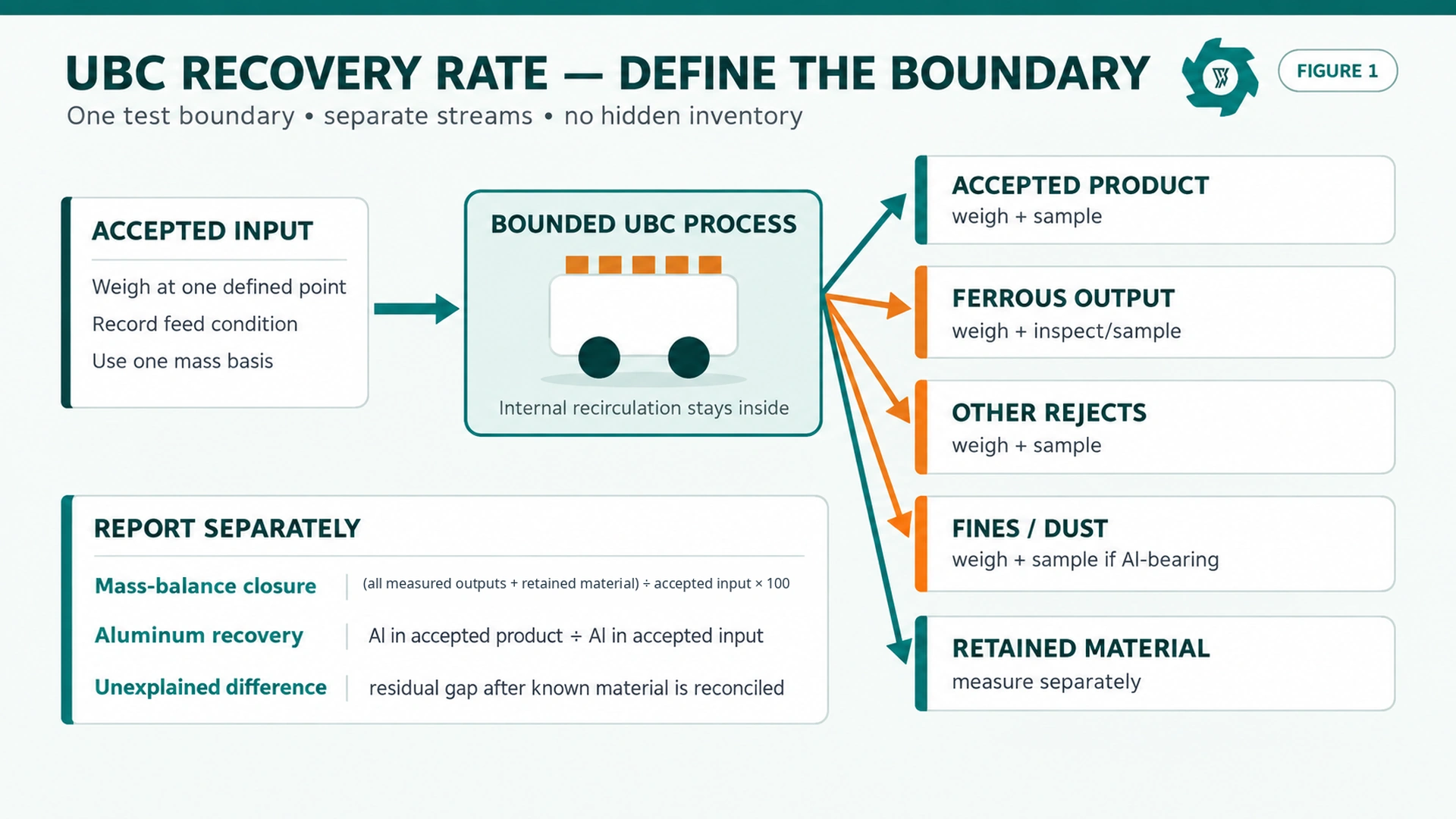
Measure UBC recovery with defined boundaries, stream weights, reject sampling, product grade, metal-loss tracking and mass-balance closure.
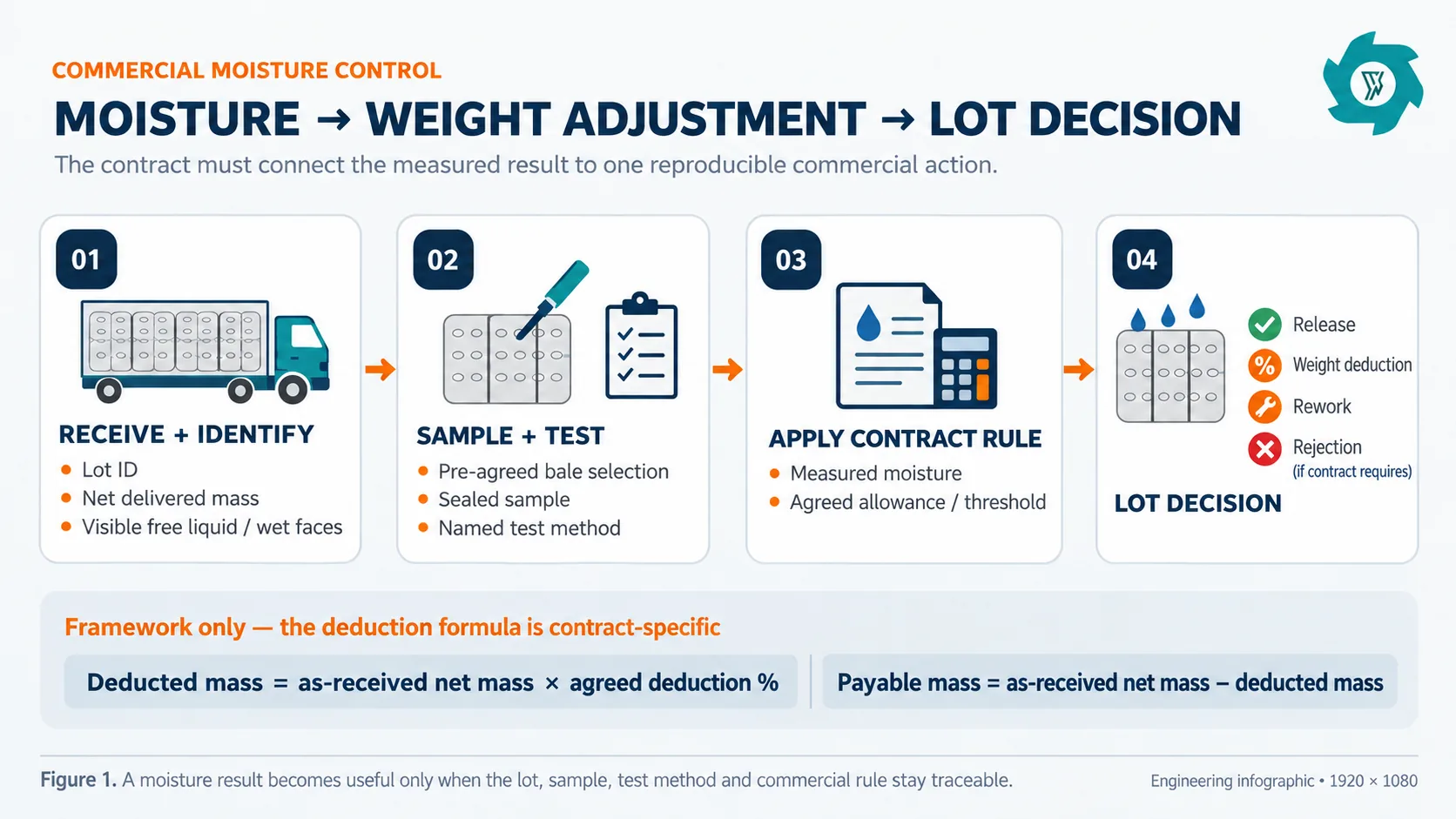
Learn how UBC bale moisture affects payable weight, receiving tests, storage, opening, screening, housekeeping and downstream safety.
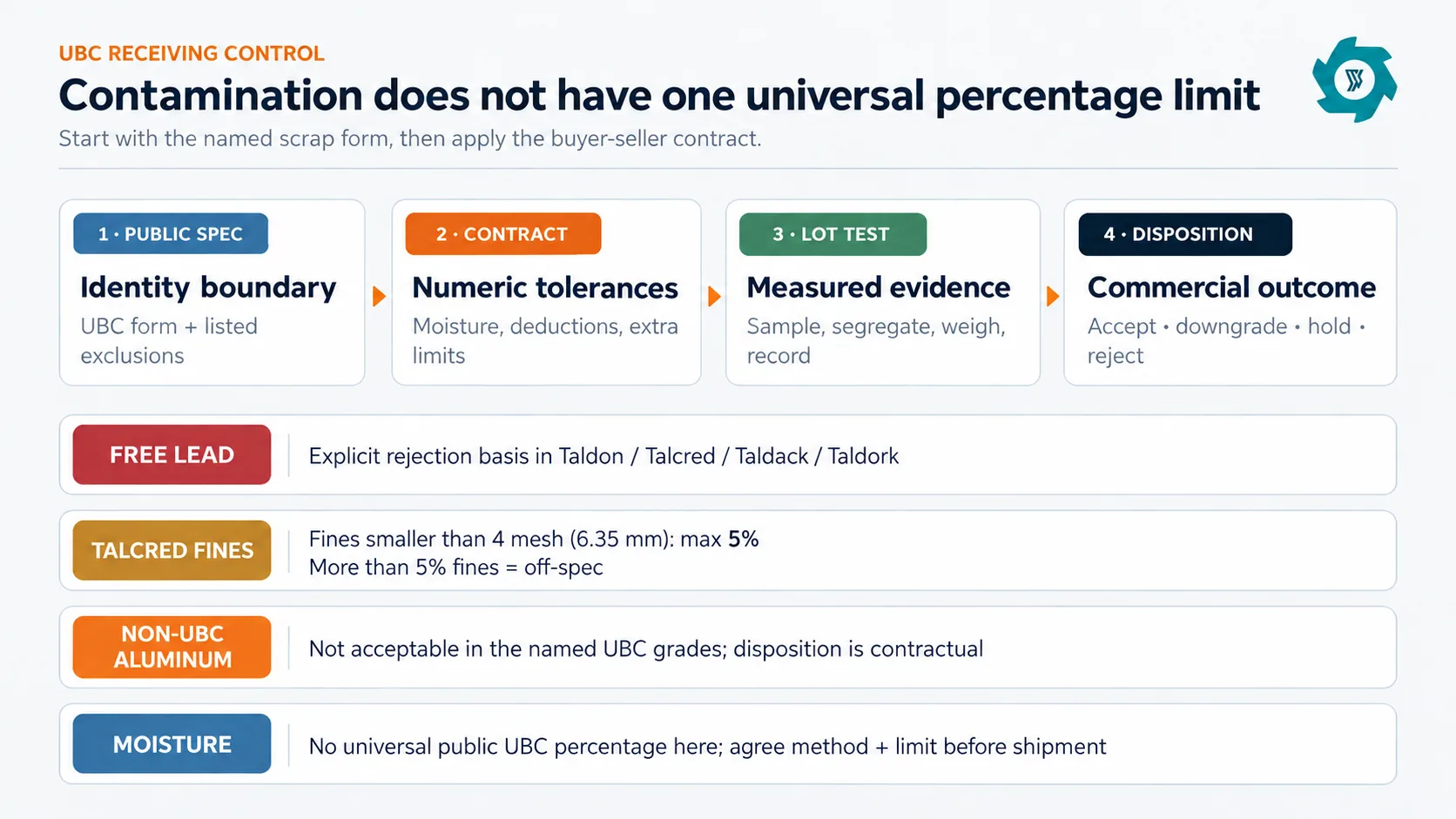
Learn which UBC contaminants can trigger mill downgrade or rejection, how limits differ by scrap form, and how buyers verify lots.
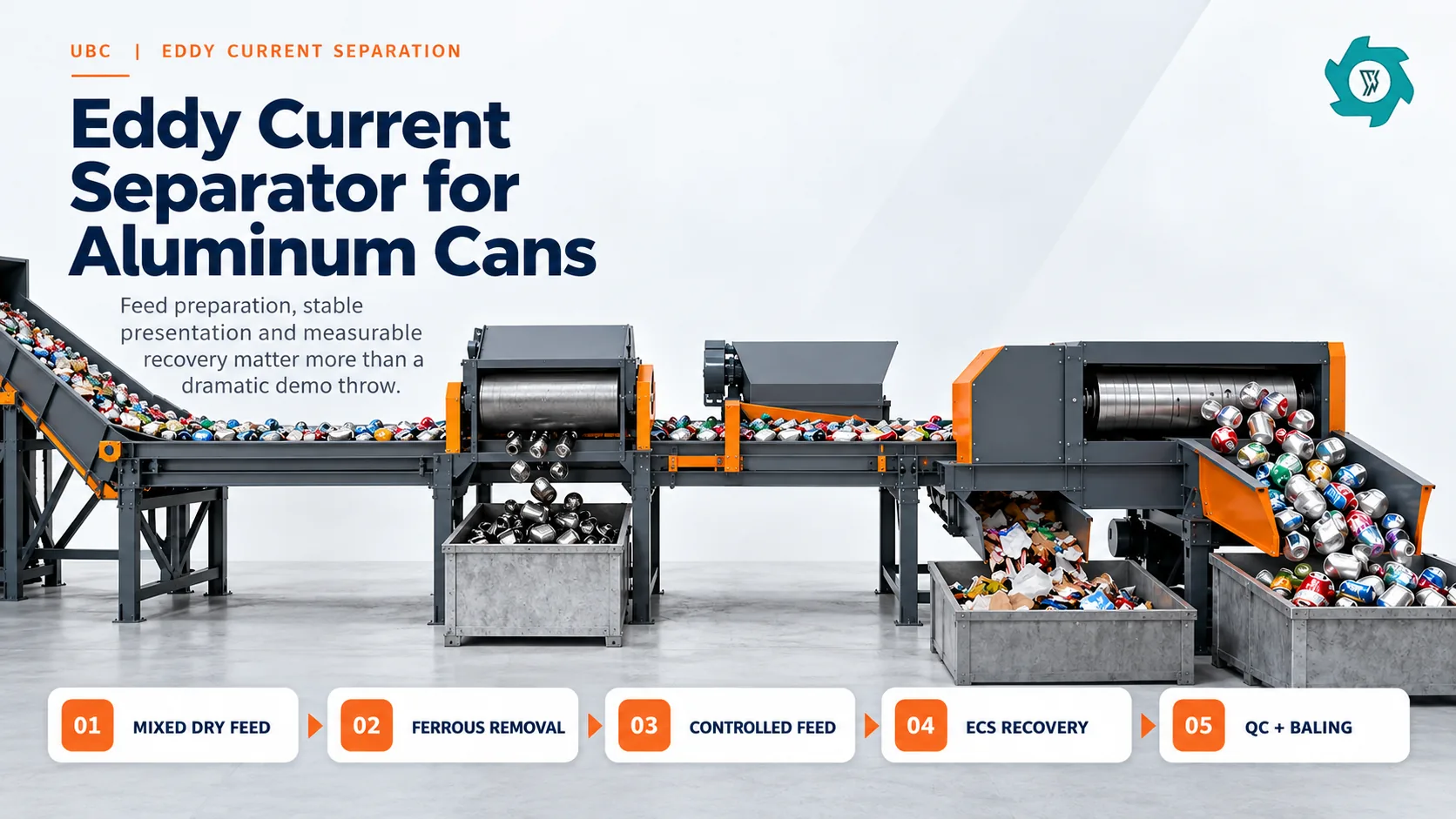
Learn how to prepare UBC feed for eddy current separation, balance recovery vs grade, troubleshoot losses, and write FAT acceptance criteria.
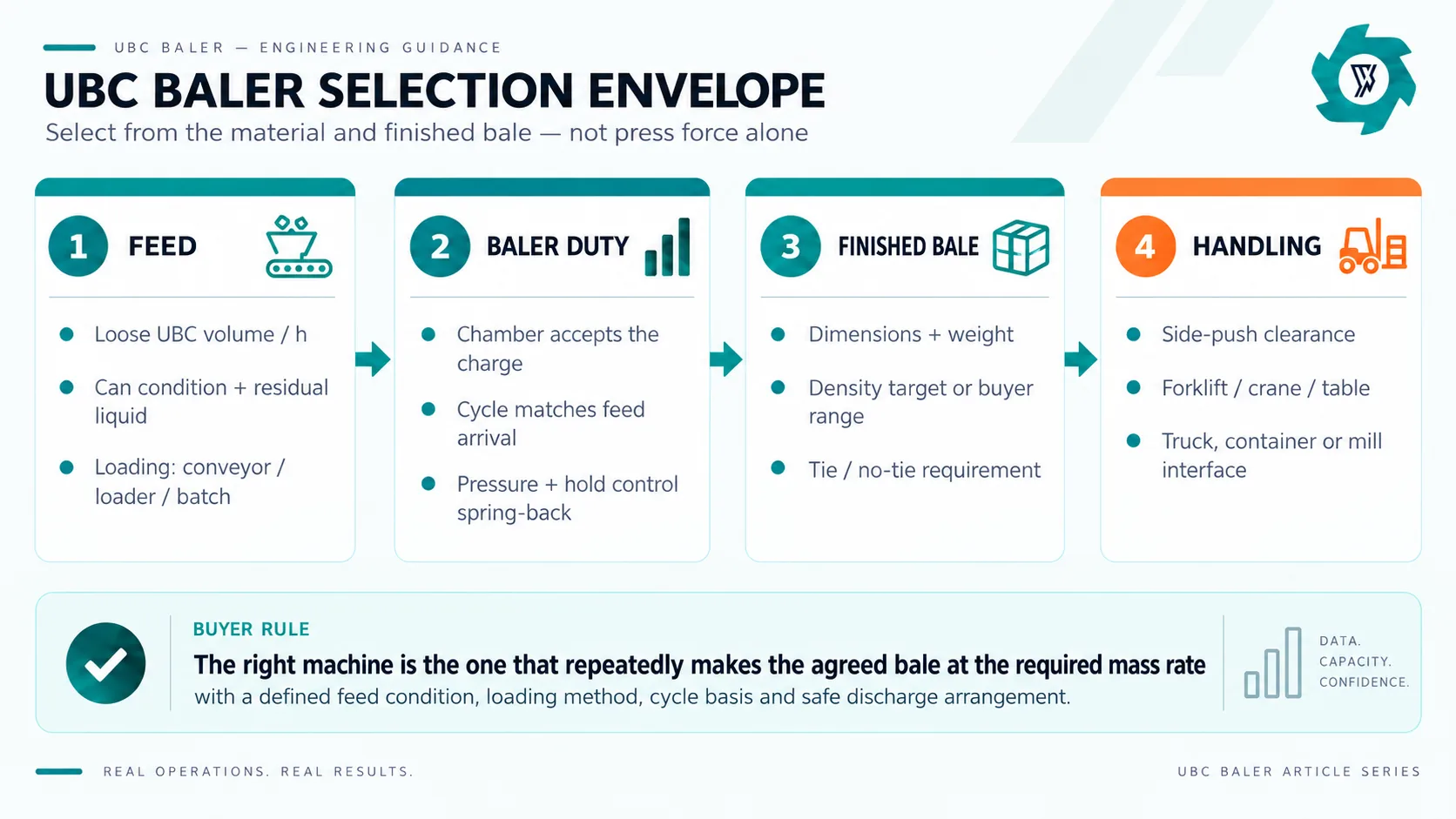
Choose a UBC aluminum can baler by feed volume, bale size, density, chamber, cycle time, loading, discharge, safety and FAT evidence, not press force alone.
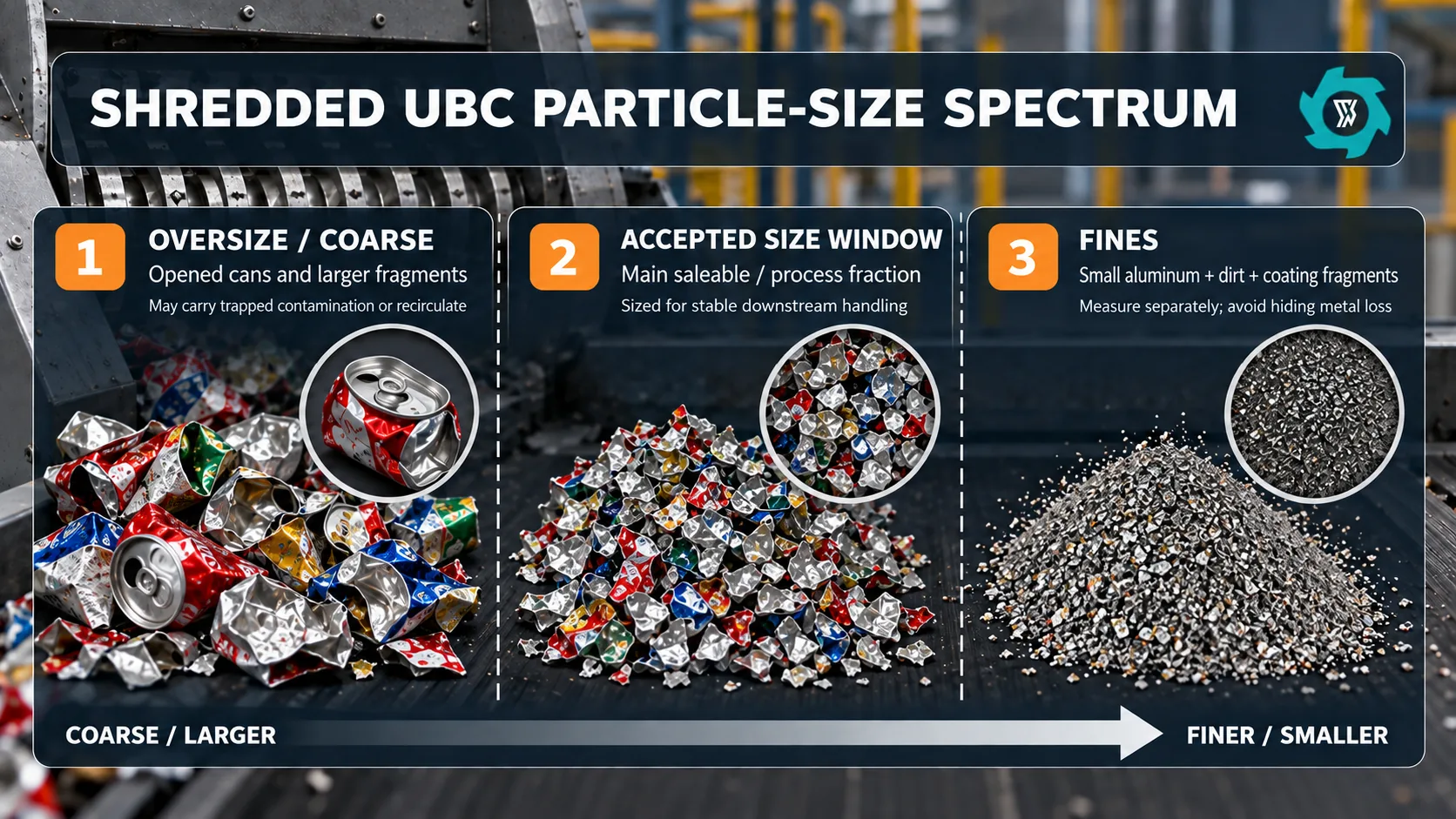
Learn how shredded UBC particle size and fines affect screening, aluminum recovery, Talcred compliance, sampling and FAT acceptance.
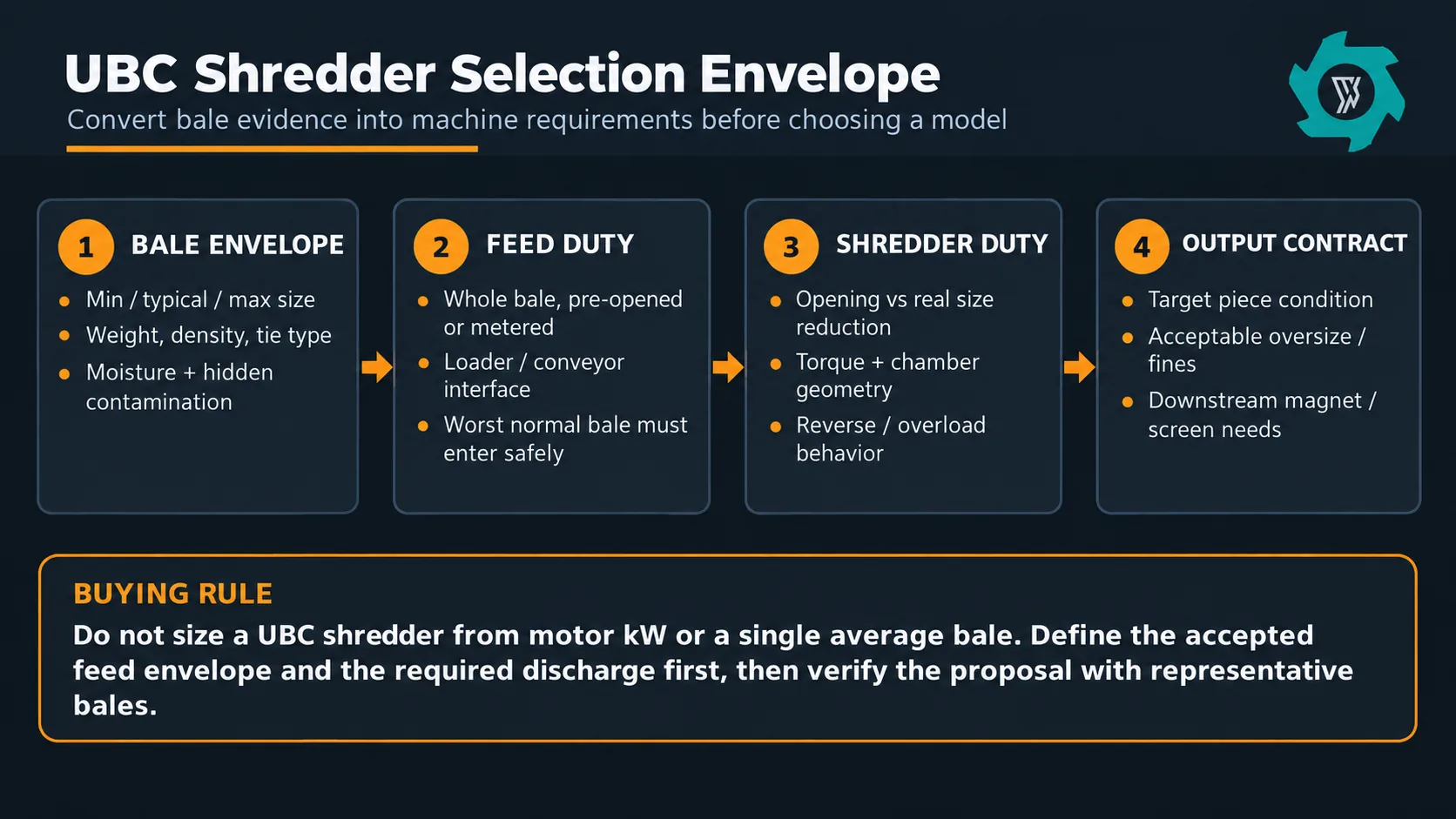
Choose a UBC shredder for baled aluminum cans by defining bale size, density, feed duty, torque, output size, fines, downstream separation and FAT criteria.
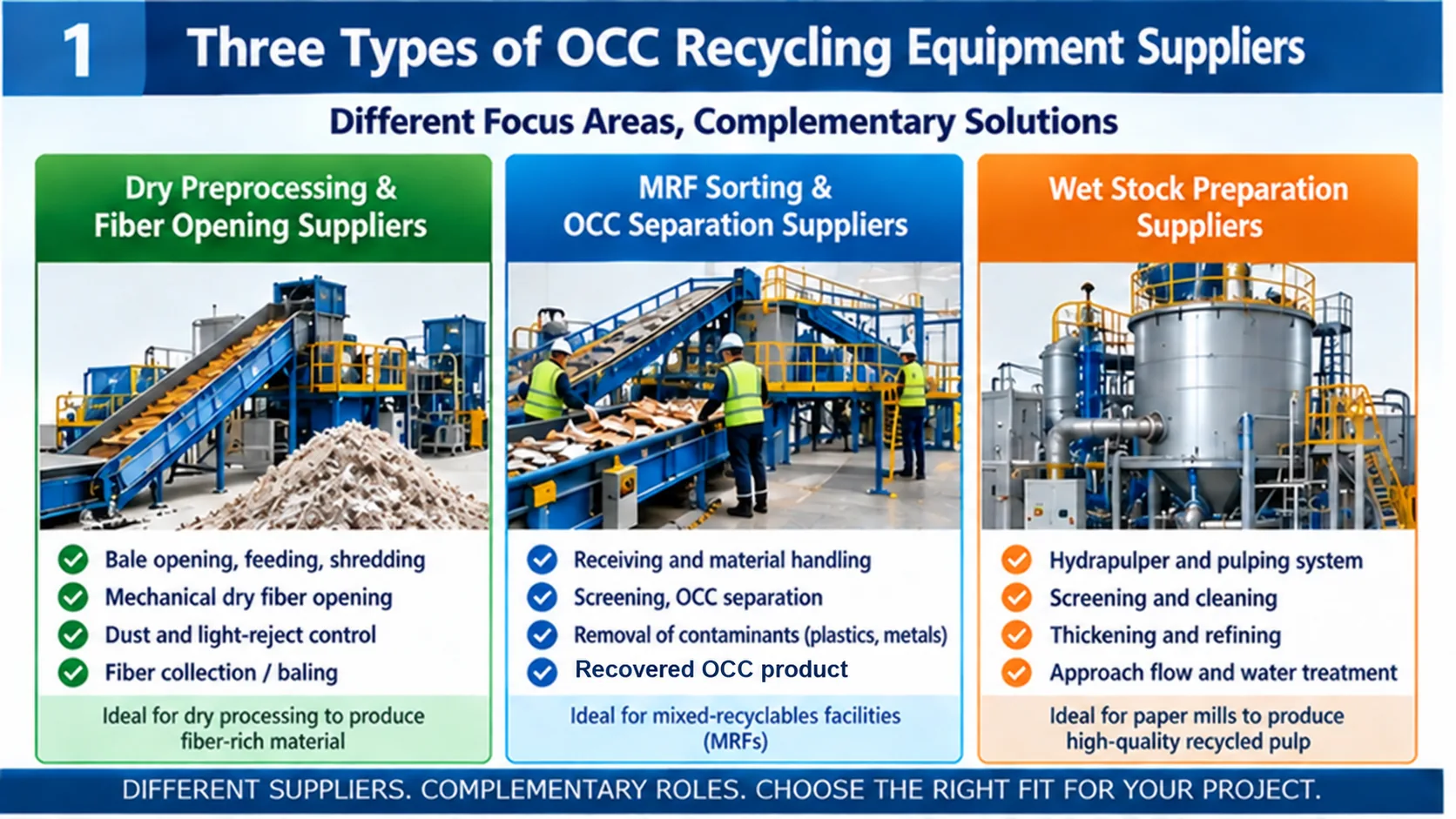
Compare 10 OCC recycling equipment manufacturers by dry processing, MRF sorting, wet stock preparation, project integration, FAT evidence and supplier scope.





 Request Quote