




 Request Quote



Can-to-can aluminum recycling is not one machine line. Mechanical UBC preparation ends when used beverage cans have been converted into a controlled, measurable feed that the next mill operation can accept. That may mean sorted whole cans, opened UBC, or a specified shredded fraction. It does not mean the coatings have been thermally removed, the aluminum has been melted, alloy chemistry has been corrected, or new can sheet has been produced.
The practical boundary is therefore a handoff specification: material identity, physical form, ferrous and non-metal contamination, moisture or residual liquid, particle-size distribution where relevant, fines, and aluminum loss to rejects. The correct preparation line does the minimum mechanical work needed to reach that handoff without creating avoidable fines, metal loss, energy use, or extra capital cost.
“Can-to-can recycling” sounds like a single closed-loop process, but a plant buyer can easily purchase too much—or too little—equipment if that phrase is treated as a flowsheet. The UBC recycling line sits in one specific part of the loop: receiving, opening, sorting, physical cleaning, size control where required, and preparation of the aluminum-can fraction for a downstream mill. The distinction matters because mechanical preparation and metallurgical recycling solve different problems.
The question here is narrower than the site’s general UBC recycling process guide: what evidence shows that mechanical preparation is finished and the material is ready to pass to thermal treatment or the melt shop? The answer is not a machine list. It is a release condition that can be checked during design, commissioning and routine operation.
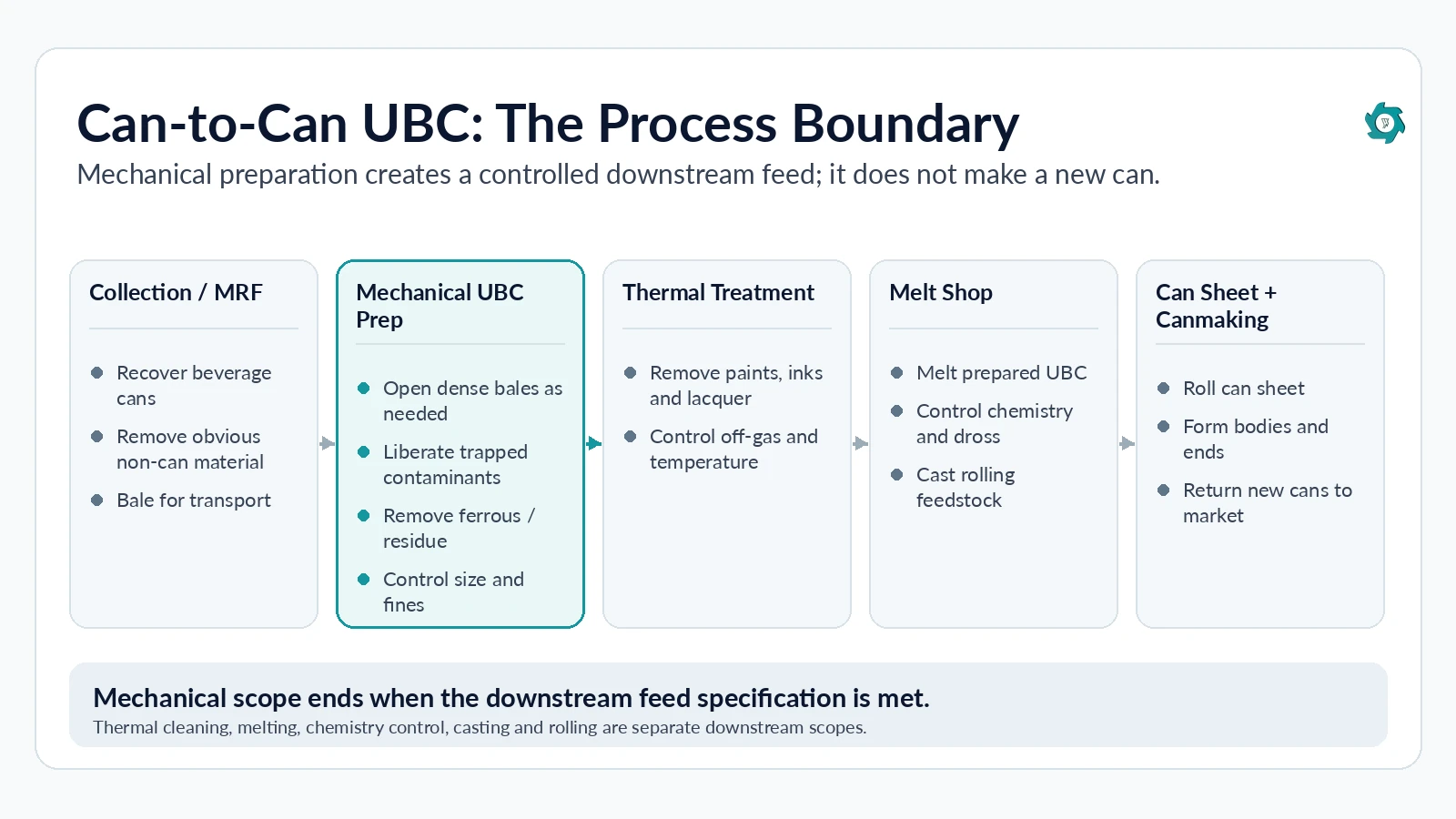
Figure 1. Mechanical preparation is one defined interface inside the wider can-to-can loop.
Can-to-Can Recycling Has Several Different Process Boundaries
The closed loop begins when post-consumer beverage cans are recovered and ends when aluminum returns as can sheet and new beverage containers. The Aluminum Association reports that recycled UBCs in the United States move from recycling bin to newly formed cans in less than 60 days on average, which illustrates how tightly connected the loop can be.[1] That circularity does not erase the technical boundaries between collection, scrap preparation, thermal cleaning, melting, refining, casting, rolling, and canmaking.
The U.S. EPA’s secondary-aluminum process description separates scrap pretreatment from smelting and refining. Pretreatment includes sorting and processing scrap to remove contaminants and prepare it for smelting; mechanical cleaning can include size reduction, screening, magnetic removal, and air classification. The same source describes delacquering of UBC as a pyrometallurgical cleaning step and then treats melting/refining as the next class of operation.[2] This distinction is useful for equipment scope: a shredder, screen, magnet, separator, conveyor, and baler can prepare UBC, but they do not replace a decoater or furnace.
| Stage | Main question | Typical change to material | Outside mechanical UBC prep? |
|---|---|---|---|
| Collection / MRF | Can the aluminum-can fraction be recovered and shipped? | Sorting and densification | Upstream |
| Mechanical UBC preparation | Can contaminants be exposed, separated and measured? | Opening, size reduction, physical separation, screening, baling | This article’s scope |
| Thermal cleaning | Do paints, lacquers and organics need controlled removal? | Coatings are volatilized/carbonized under controlled heat | Yes |
| Melting / refining | Can the prepared metal be converted into controlled molten aluminum? | Solid-to-liquid phase change, dross formation/removal, chemistry control | Yes |
| Casting / rolling / canmaking | Can metal become qualified can sheet and containers? | Solidification, rolling and forming | Yes |
The End Point Is a Handoff Specification, Not a Machine Name
A line is not “finished” because material has passed the last conveyor. Mechanical preparation is finished when the output condition is defined and verified against what the receiving mill actually needs. Two mills can buy the same UBC but request different delivery forms. One may accept baled cans and perform mill preparation internally. Another may want opened or shredded UBC with controlled fines. A third may receive a can-rich mixed stream only after a supplier has removed ferrous and non-metal contaminants.
This is why a proposal should start from the downstream acceptance condition and work backward. If the buyer accepts clean loose UBC, unnecessary shredding can add power consumption and create small aluminum pieces without adding saleable quality. If dense bales hide steel, glass, plastic, dirt, or trapped containers, bale opening may be necessary because the contaminants cannot be reliably removed while locked inside the bale. If the target is a named shredded UBC grade, size distribution and fines become part of the product condition rather than a cosmetic detail.
Five questions define the handoff
- Identity: Is the output still a defined UBC stream, rather than a mixture of beverage cans and unrelated aluminum scrap?
- Physical form: Does the downstream process want whole cans, opened pieces, shredded UBC, or a transport bale?
- Contamination: Have free ferrous, non-metal residue, prohibited items, and problematic liquids been reduced to the agreed acceptance basis?
- Size and fines: If the material is shredded or screened, is the particle distribution controlled and is valuable aluminum being lost into undersize?
- Mass accountability: Can the plant reconcile accepted input, product, ferrous reject, non-metal reject, fines, recirculation, and retained material?
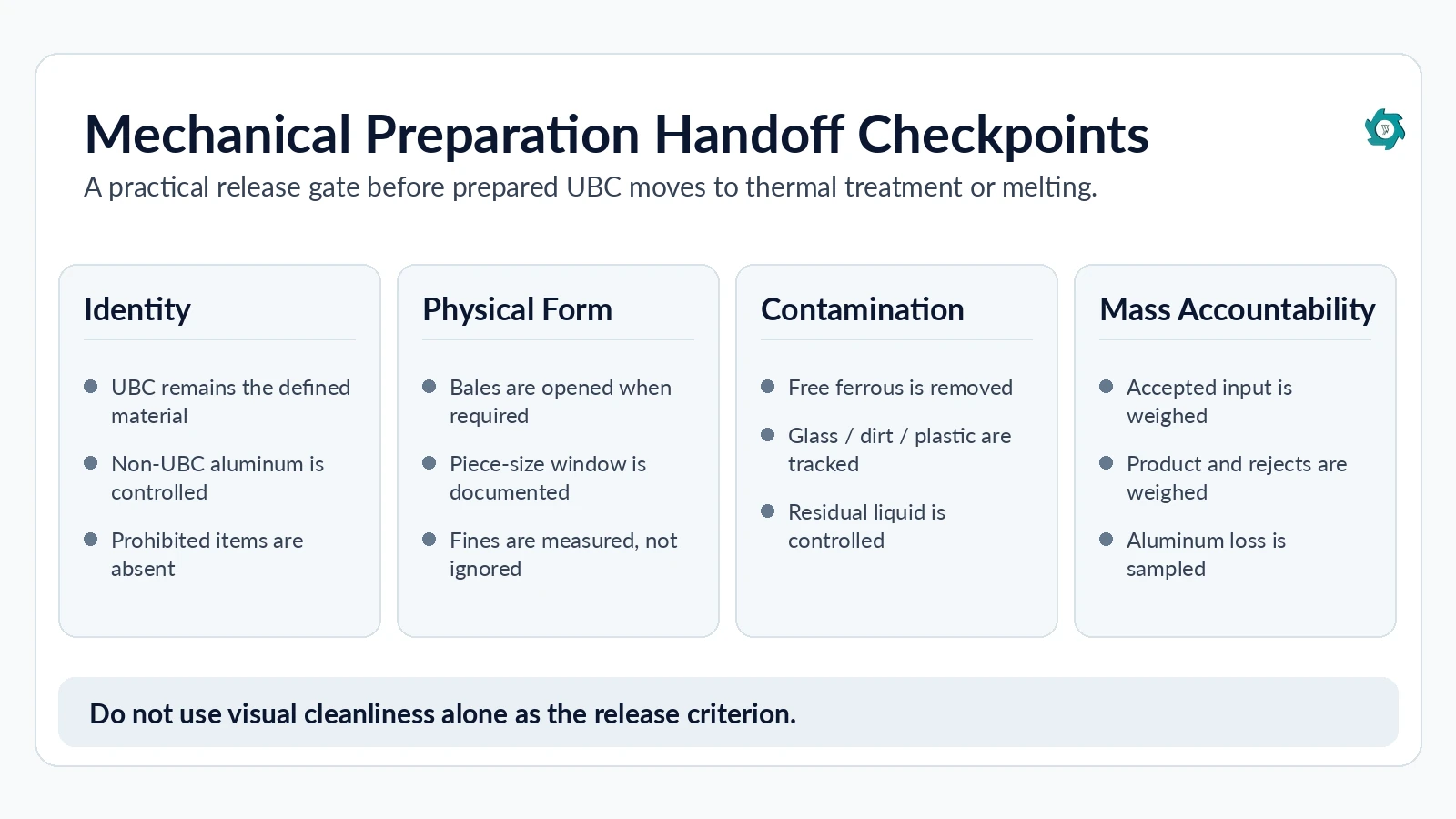
Figure 2. A release gate should be based on measurements, not only on appearance.
What Mechanical UBC Preparation Can Actually Do
Mechanical equipment is strongest when the problem is physical access or physical separation. A bale opener or low-speed shredder can break a dense package so contaminants become accessible. A magnet can remove exposed ferrous material. A screen can separate a defined size fraction. Air classification can remove suitable light fractions. An eddy current separator can recover conductive non-ferrous material from an appropriate mixed stream. Inspection or optical sorting can add a final quality-control stage when the feed and target justify it.
Those operations change geometry, presentation, and fraction composition. They can turn a compact bale with hidden contaminants into a flowable material that can be inspected and separated. They can reduce the amount of steel or non-metal material carried into the next operation. They can also produce a repeatable physical feed rate and burden depth for downstream equipment.
But mechanical preparation has a diminishing-return point. Once contaminants are liberated and the receiving specification is met, more size reduction may only increase fines, dust, surface area, wear, and aluminum carried into reject streams. The site’s guide to shredded UBC size explains why the objective is sufficient liberation rather than the smallest possible particle. That distinction becomes especially important when a buyer targets a shredded UBC commercial form with an explicit fines requirement.
What Mechanical Preparation Does Not Solve
Paints, inks, internal lacquers, and other organic coatings are not equivalent to a loose plastic bottle or steel can. A magnet cannot remove them because they are attached to the aluminum surface. A screen cannot reliably turn a coated can wall into chemically clean aluminum. Size reduction may expose more surface area, but exposure is not the same as controlled thermal removal.
EPA process descriptions identify UBC delacquering as a thermal cleaning operation before or in connection with furnace processing.[2] That is the first major boundary after mechanical preparation. If the next specification requires controlled coating removal, the project has moved into a thermal system with its own temperature control, gas handling, emissions-control, fire, and operating requirements. A mechanical-line quotation should not quietly imply that a shredder has performed that duty.
The next boundary is even clearer: alloy chemistry cannot be corrected with mechanical sorting alone once the material is being treated as a melt. Furnace charging, melting, fluxing, degassing, alloy adjustment, skimming, and casting are metallurgical operations. Mechanical preparation can reduce unwanted inputs to that stage; it cannot certify final molten-metal chemistry.
Three Feed Conditions Reach the Boundary Differently
1. Clean loose UBC: the boundary may be reached without shredding
Well-controlled collection streams can arrive as loose or lightly compacted cans with little non-can material. If inspection, hazard removal and optional magnetic cleanup already satisfy the receiving specification, baling or direct delivery may be enough. Shredding adds power, wear and another chance to create fines without necessarily improving the handoff.
2. Dense baled UBC: opening may be the essential mechanical job
A dense bale can hide straps, steel, glass, dirt, plastic, moisture and nested material that cannot be separated from the outside. Controlled opening or limited shredding may therefore be necessary before magnetic separation or screening. The objective is liberation: expose the contamination, remove what is separable and stop once the receiving condition is met.
When the final output is a shredded commercial form, the operator should also verify the relevant product specification rather than assume that any shredded can material is equivalent. The site’s UBC bale specification guide and shredded-product guidance distinguish commercial form from machine settings. A mill contract can be tighter than a public scrap description, so the purchase specification remains controlling.
3. Mixed dry containers: recover the UBC fraction first
When cans are still mixed with steel, plastic, paper or glass, the first job is recovery of a defined aluminum-can fraction. Presort, screening, magnetic separation and suitable non-ferrous recovery can create that stream. Only then should the plant decide whether to bale it for shipment or continue into UBC opening and mill preparation.
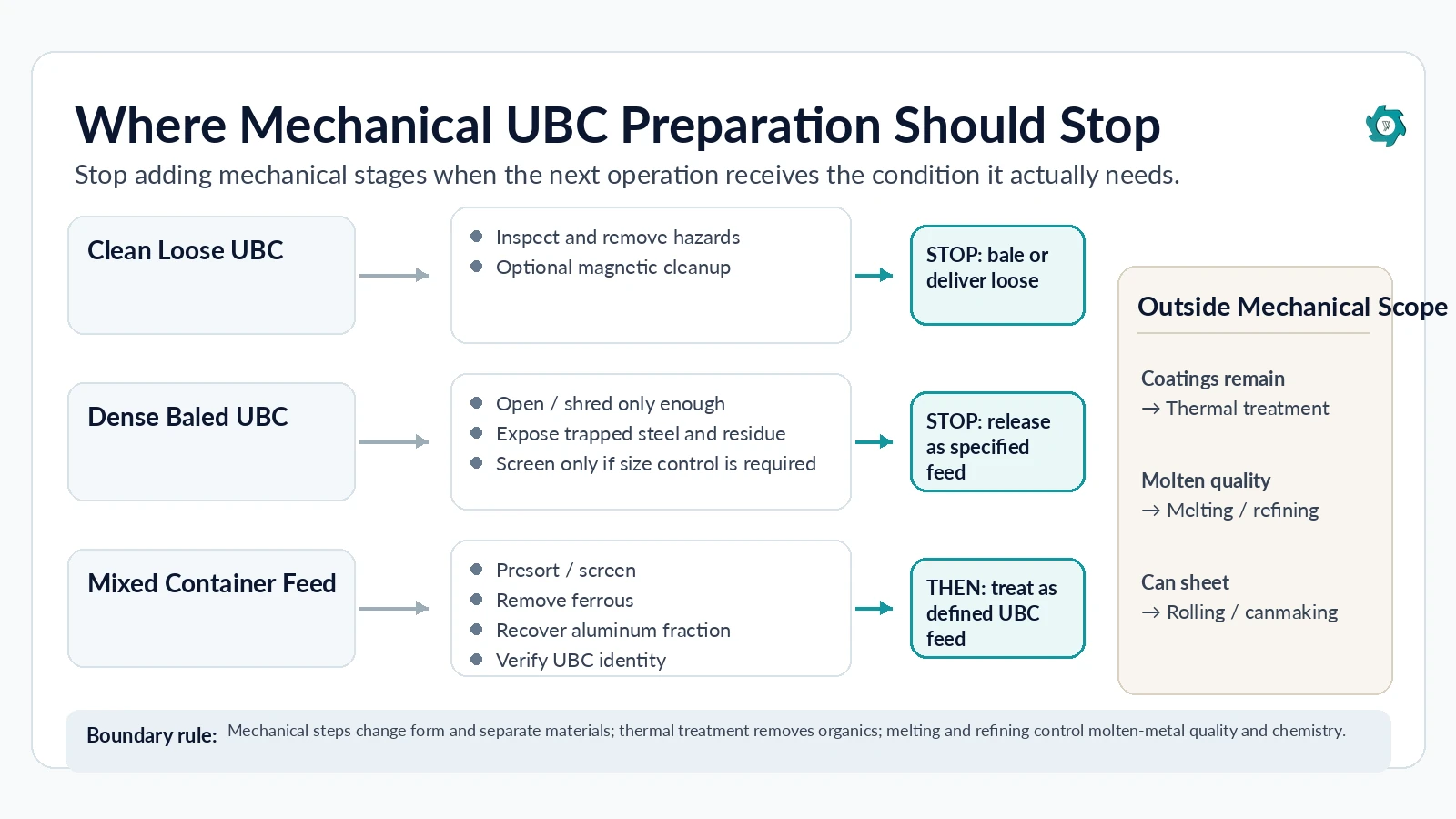
Figure 3. The stopping point changes with feed condition; thermal treatment, melting and canmaking remain separate downstream scopes.
A Practical Mechanical-to-Mill Release Checklist
A plant needs a repeatable release rule. The following checklist is suitable for project specifications, commissioning and routine lot control. It is not a universal mill standard; numeric limits should come from the buyer–seller agreement or the applicable scrap specification.
| Checkpoint | What to record | Why it matters | Escalation if failed |
|---|---|---|---|
| Feed identity | Source, lot ID, loose/baled condition, declared UBC form | Prevents unrelated aluminum scrap from being treated as can-grade feed | Hold or reclassify lot |
| Hazard exclusion | Sealed containers, aerosols, batteries, unknown packages | Protects shredder, conveyors and downstream thermal operations | Remove/quarantine before processing |
| Bale liberation | Unopened clumps, nested cans, retained straps | Hidden contamination cannot be separated reliably | Adjust opener, feed rate or recirculation |
| Ferrous removal | Ferrous mass plus aluminum observed in ferrous reject | Product cleanliness and aluminum retention must be checked together | Adjust burden depth, magnet exposure or liberation |
| Non-metal reject | Mass and composition of glass, plastic, paper, dirt and residue | A reject stream can hide valuable aluminum | Sample reject and tune separation |
| Particle size | Representative sieve or size distribution if specified | Downstream feeding and commercial form may depend on size | Change shredder/screen settings; avoid blind over-shredding |
| Fines | Undersize mass and aluminum content | Separates dirt removal from actual metal loss | Reduce excessive size reduction or recirculation |
| Moisture / liquid | Method, sample, result, deduction rule if contractual | Receiving mass is not the same as usable dry metal | Drain, dry, hold, deduct or reject per contract |
| Mass balance | Input + product + each reject + retained material | Exposes unmeasured losses and unstable test conditions | Do not close FAT until balance is explained |
| Downstream acceptance | Mill sign-off against agreed product condition | Defines the actual process boundary | Rework mechanically or transfer to separate downstream scope |
Why “Cleaner” Can Still Be Worse
A cleaner-looking stream can still be a worse result if the cleaning method sends too much aluminum into fines or reject. Aggressive shredding can push thin can fragments into undersize; excessive air velocity can carry useful metal with light residue; trapped aluminum can also leave with the ferrous fraction.
For that reason, the release gate needs both product quality and recovery evidence. The site’s UBC recovery measurement guide covers recovery and reject accounting in detail. Here the practical rule is simpler: do not sign off the preparation stage until the test shows where the aluminum went.
During commissioning, weigh the accepted input and major output streams, sample aluminum-bearing rejects, and record material still held in hoppers, conveyors, screens or recirculation at test end. Otherwise a short test can appear better simply because some material is still inside the line.
Do Not Confuse Scrap Grade with Furnace-Ready Metallurgy
A scrap specification describes what is being bought or sold. It does not guarantee the final chemistry of can sheet. This distinction is easy to lose in marketing language. UBC is valuable partly because beverage-can scrap is already a relatively well-defined material stream, and the Aluminum Association reports high closed-loop circularity for recycled cans.[3] Even so, the mill still controls thermal treatment, melt practice, chemistry, casting, and rolling.
For mechanical-line procurement, the right promise is therefore narrower and more defensible: deliver a physically prepared UBC fraction that meets the agreed receiving condition. Do not promise “new-can quality aluminum” at the discharge conveyor. New-can quality is established later through mill operations and product qualification.
Where the Project Scope Should Split
A clean project boundary reduces both underbuying and overbuying. The mechanical supplier should own the equipment and controls required to receive the defined feed and produce the defined prepared output. The thermal/melt supplier should own the conditions required to remove coatings, melt the metal, manage furnace losses and emissions, control chemistry, and produce the required molten or cast product.
The interface between them should be written as data, not adjectives. “Clean UBC” is weak. “Prepared UBC with defined feed identity, prohibited-item rule, ferrous/non-metal acceptance method, size distribution, fines test where applicable, moisture method, throughput basis, and mass-balance procedure” is much stronger. The site’s UBC contamination limits guide is useful for writing the receiving side of that interface without inventing one universal purity percentage.
FAT: Test the Boundary You Are Actually Buying
A factory acceptance test should reproduce the contractual boundary. If the line is sold to open and clean dense UBC bales, the test feed should include representative bales—not hand-selected loose cans. Record bale size, mass, density or compaction condition, ties, moisture condition, and representative contamination. If the output is sold as shredded UBC, collect enough material to test the agreed size/fines method. If the output is a bale, verify bale dimensions, mass, integrity, and handling condition.
The test should also record interventions. Frequent PLC reversals, manual clearing, recirculation, screen blinding, or downstream holds may show that a headline throughput is not sustainable. The accepted-output rate should be tied to product meeting the agreed condition, not merely to tonnes crossing the first conveyor.
- Representative input description and photographs.
- Start/end weights and test duration with downtime categories.
- Product mass plus each reject-stream mass.
- Product contamination test using the agreed method.
- Reject sampling for aluminum carryover.
- Size/fines result when the output specification requires it.
- Recorded reversals, jams, manual interventions and recirculation.
- Material remaining inside equipment at test close.
- Signed statement identifying the downstream handoff condition.
Engineering Rule: Stop at the Lowest-Complexity Configuration That Meets the Handoff
The can-to-can story encourages circular thinking, but equipment selection should remain disciplined. A preparation plant creates value by exposing contaminants, separating them, stabilizing the material form, and protecting aluminum recovery. It destroys value when it adds stages that do not improve the downstream acceptance condition.
For clean loose UBC, that may mean inspection and baling. For mixed containers, it may mean staged separation before baling. For dense mill bales, it may mean opening, controlled size reduction, magnetic separation, screening, and quality control. The stopping point is not universal. It is the first point at which the downstream mill receives a stable, measurable, contract-compliant feed.
That is where mechanical UBC preparation ends. Thermal coating removal, melting, refining, alloy control, casting, rolling, and canmaking continue the can-to-can loop—but they are a different engineering scope.
Frequently Asked Questions
Does can-to-can recycling require shredding every aluminum can?
No. Clean loose UBC may only need inspection, hazard removal, optional ferrous cleanup, and baling. Shredding is justified when it is needed to open dense bales, liberate trapped contamination, create a required downstream size condition, or meet a specified shredded product form.
Where does mechanical UBC preparation end?
It ends at the agreed handoff to the next operation: a controlled UBC fraction with verified identity, physical form, contamination condition, size/fines where relevant, moisture basis, and accountable metal loss. Thermal decoating and melting are downstream processes.
Can a shredder remove paint and lacquer from UBC?
A shredder can expose more surface area, but it does not perform controlled thermal delacquering. Attached organic coatings require a downstream process appropriate to the mill’s technology and environmental controls.
Should prepared UBC be judged only by purity?
No. Product quality must be evaluated together with aluminum recovery. A line can make a clean-looking product while sending valuable aluminum into fines, ferrous reject, or light residue.
Is there one universal contamination limit for all UBC mills?
No. Public scrap descriptions define important identity and contamination rules, but mills can add purchase-contract requirements and test methods. The applicable buyer specification should control the project acceptance criteria.
What should be included in a UBC preparation FAT?
Use representative feed and document input mass, accepted output, reject streams, aluminum carryover, size/fines if specified, interventions, retained material, test duration, and the downstream acceptance condition.
References
- Aluminum Association, 60-day can loop.
- U.S. EPA, Secondary aluminum, AP-42 Section 12.8 and background material.
- Aluminum Association, Can recycling data, 2024.
Define the UBC Handoff Before Selecting Equipment
Send your feed condition, bale dimensions and weight, contamination observations, required throughput, downstream receiving specification, and target output form. YUXI can configure the mechanical preparation scope around the actual handoff instead of adding unnecessary machines.