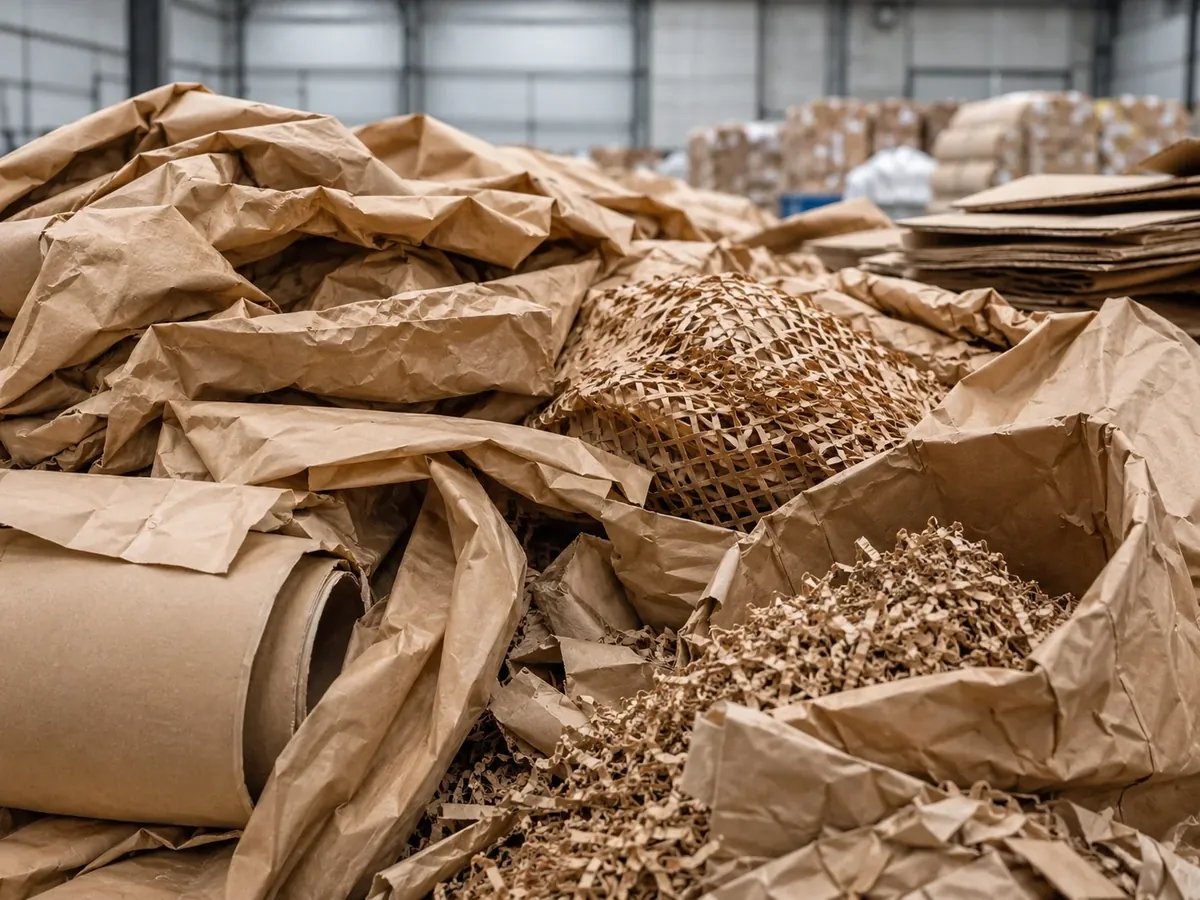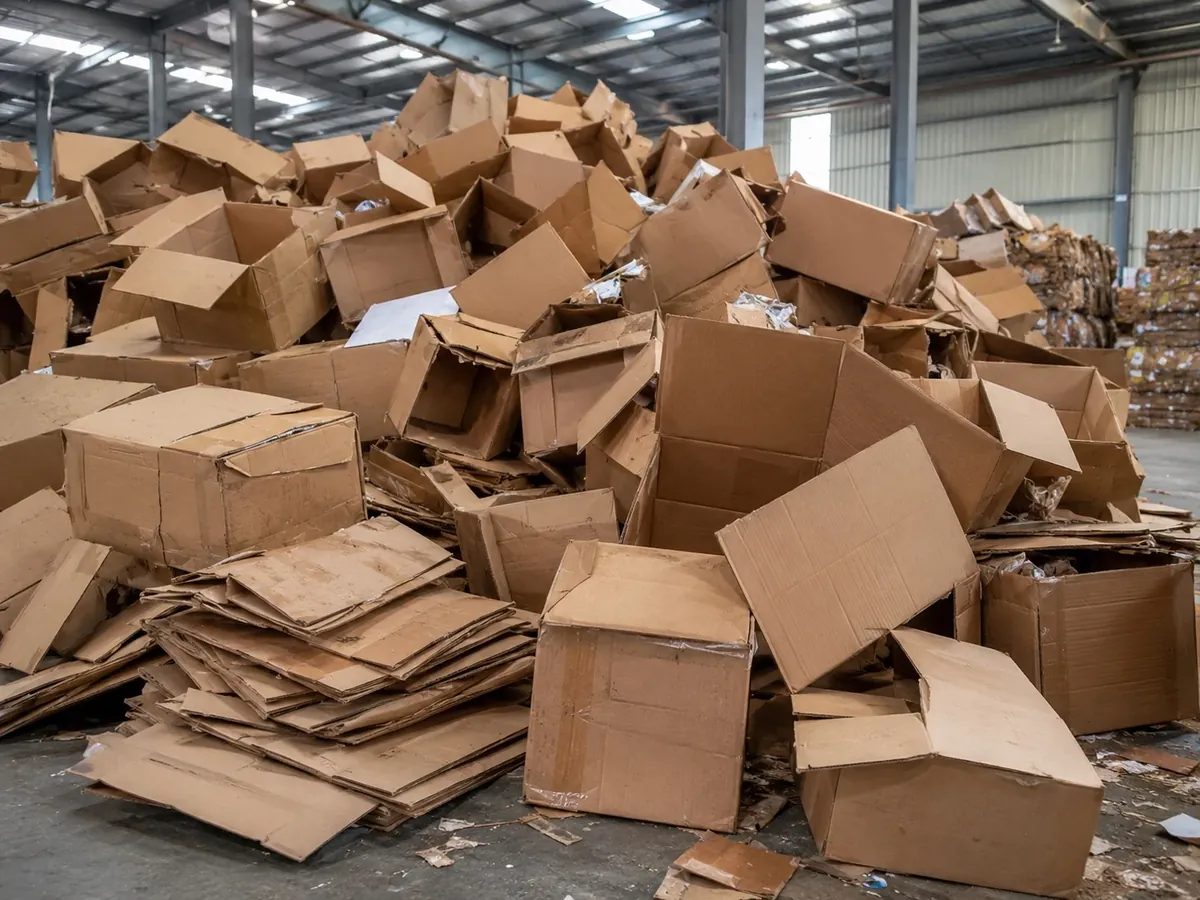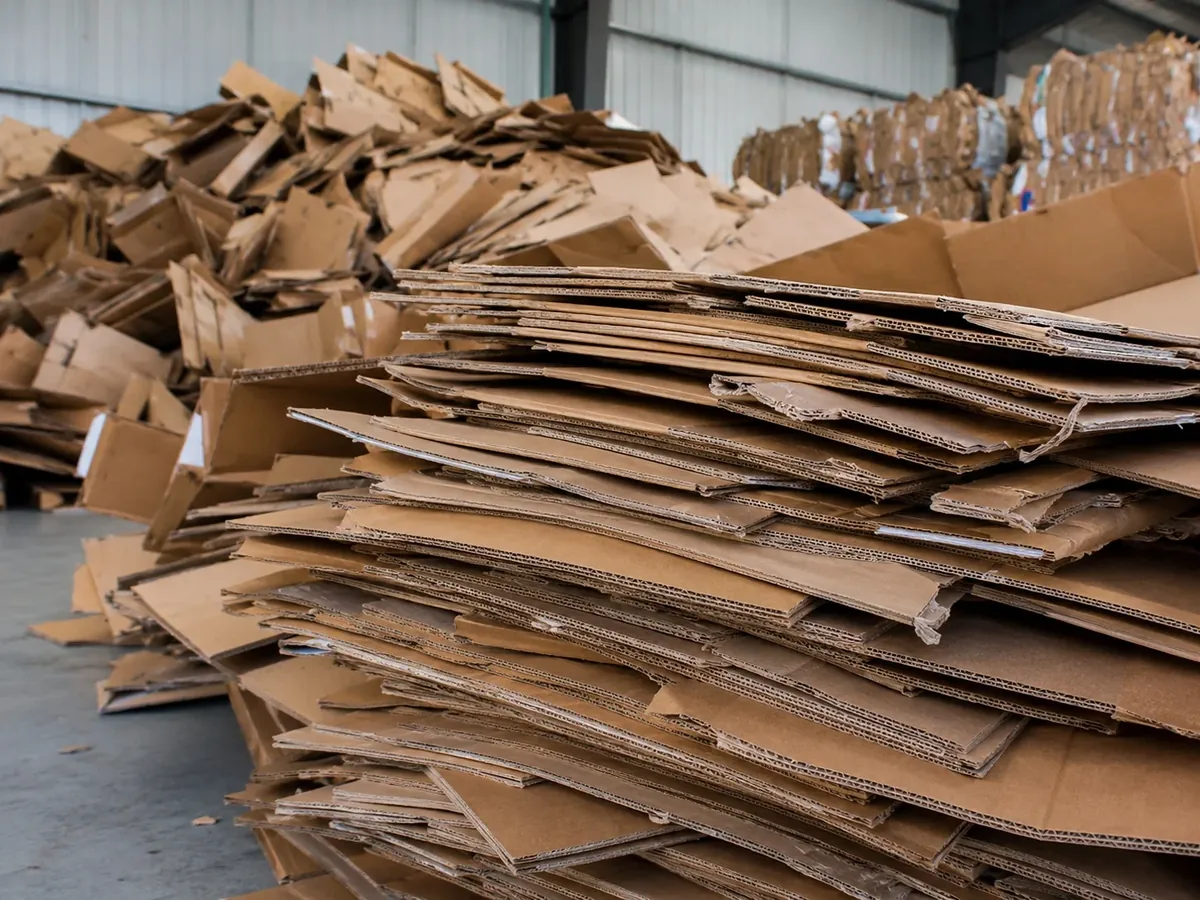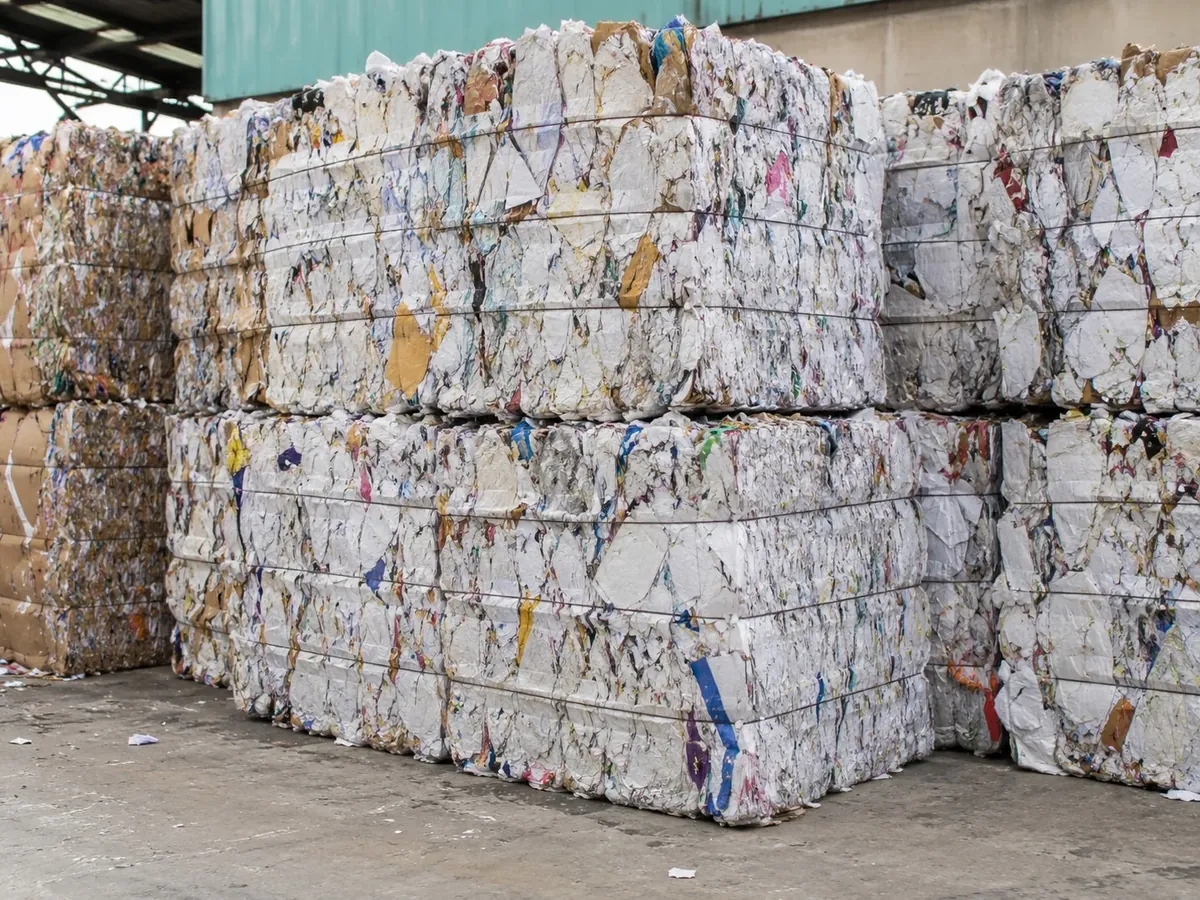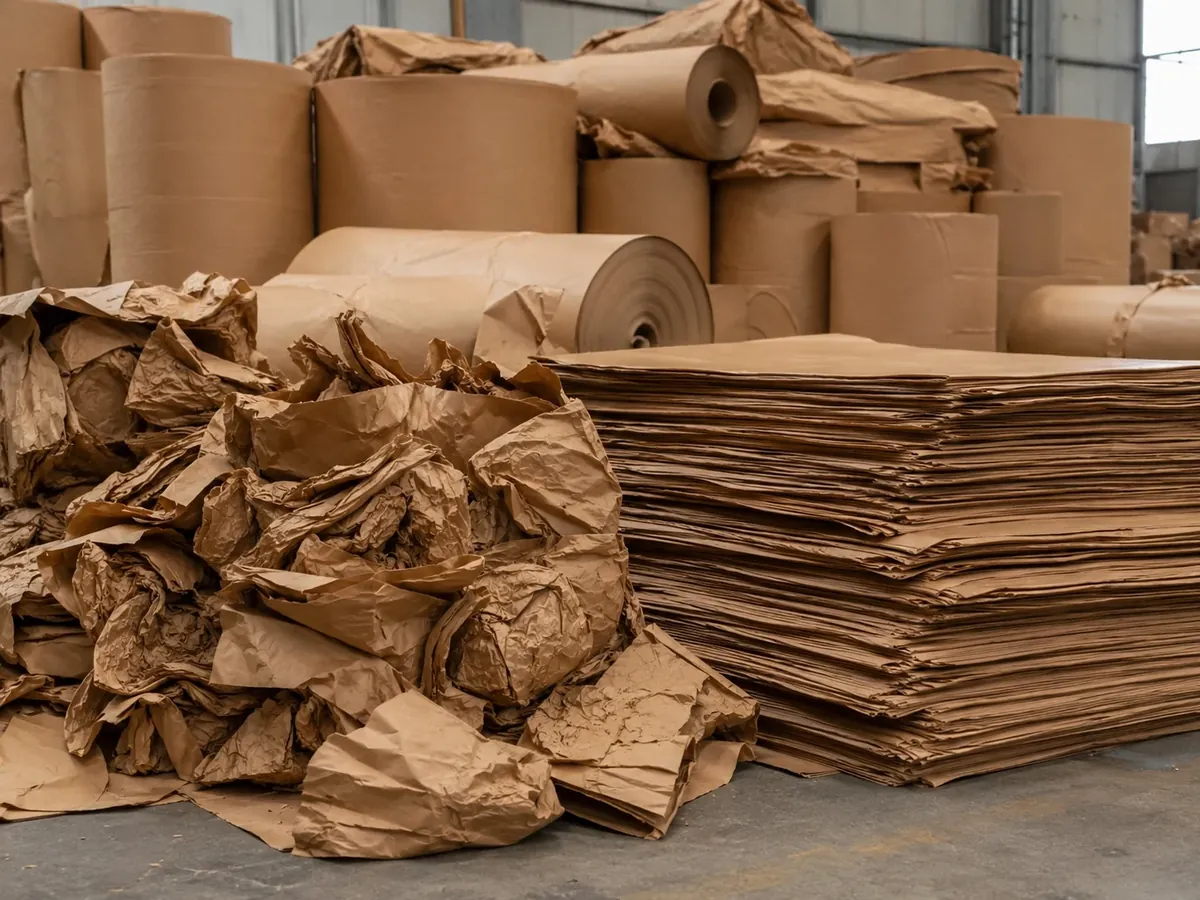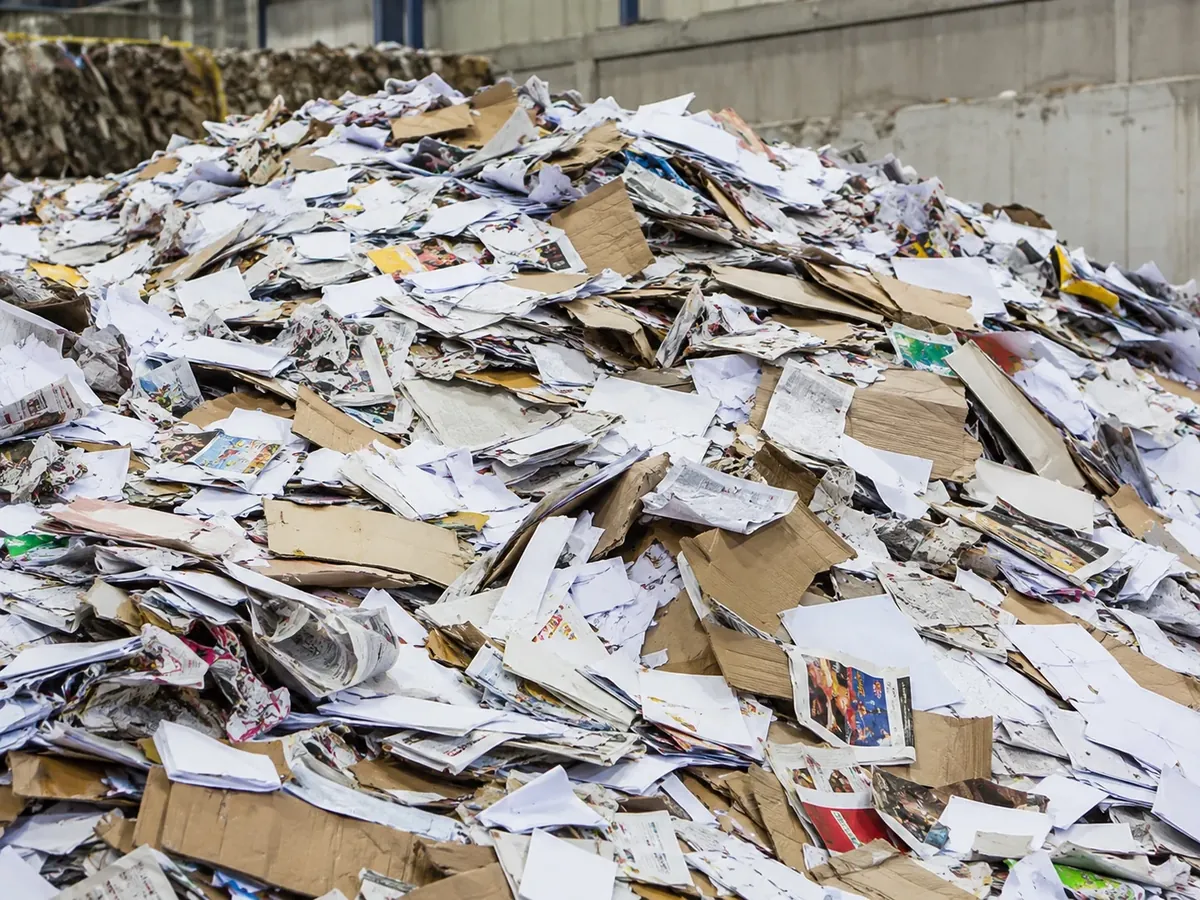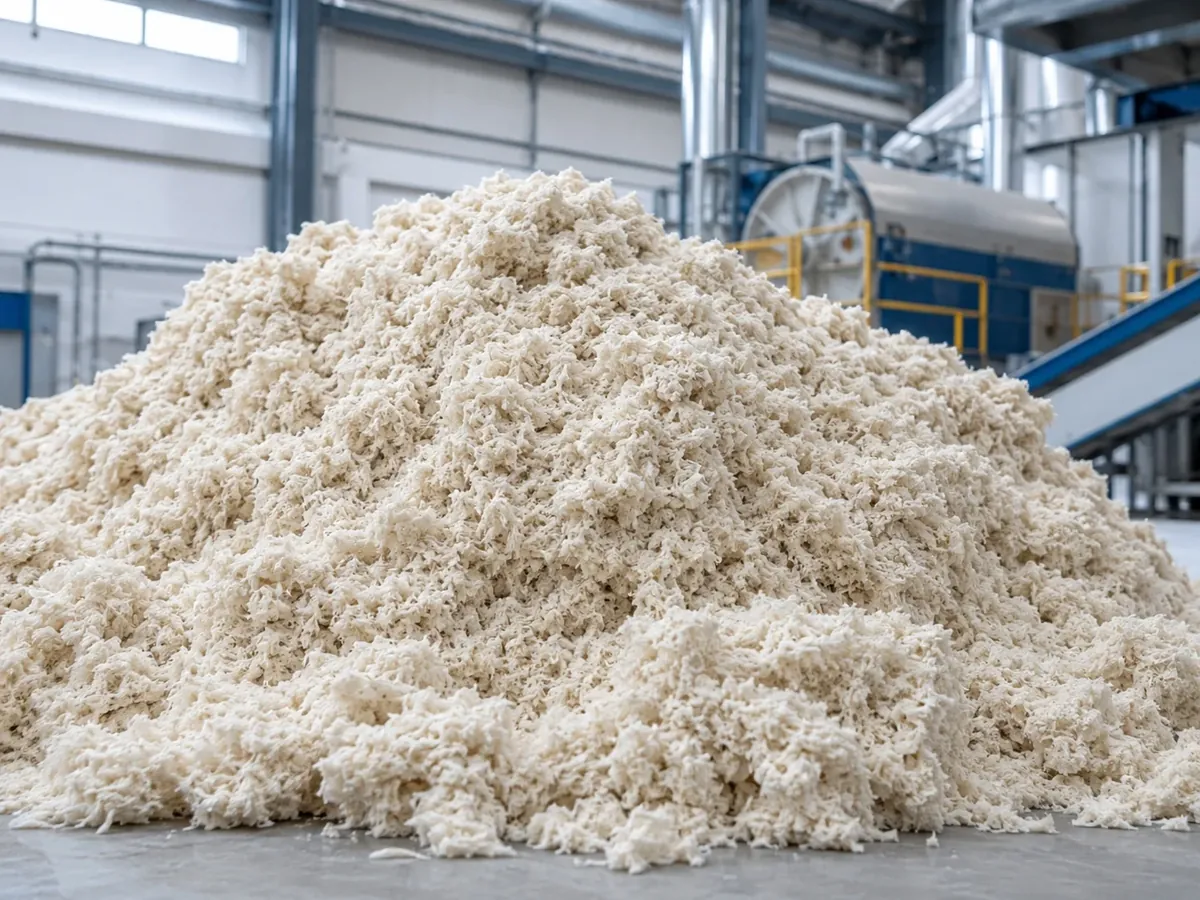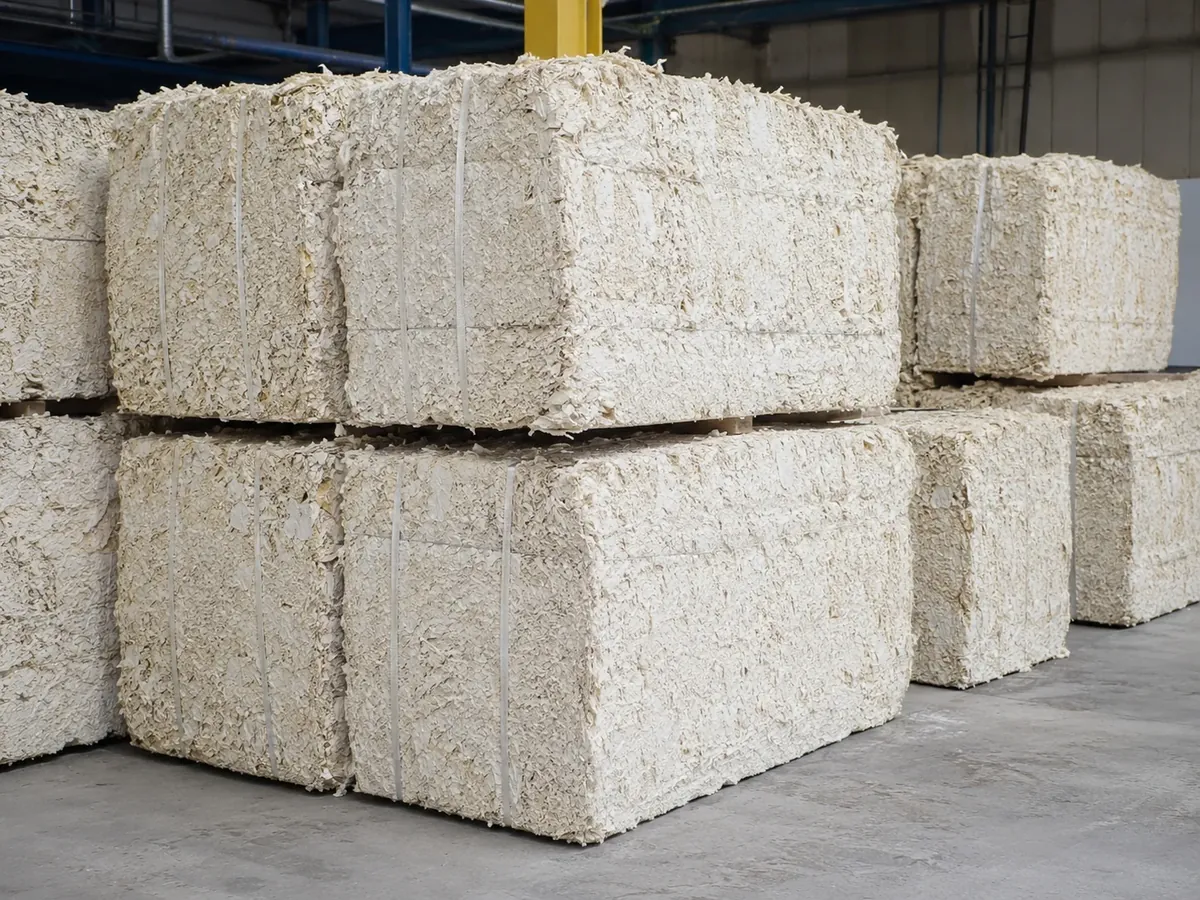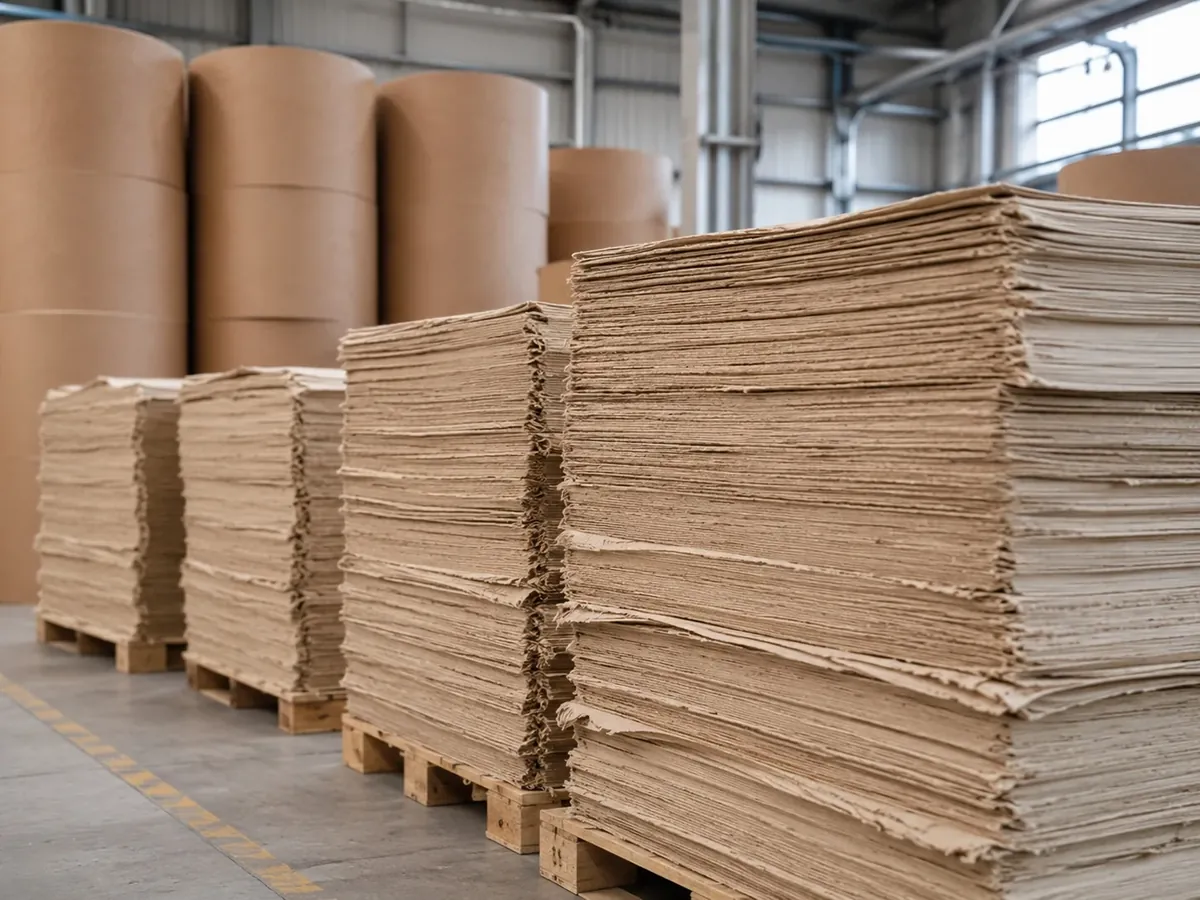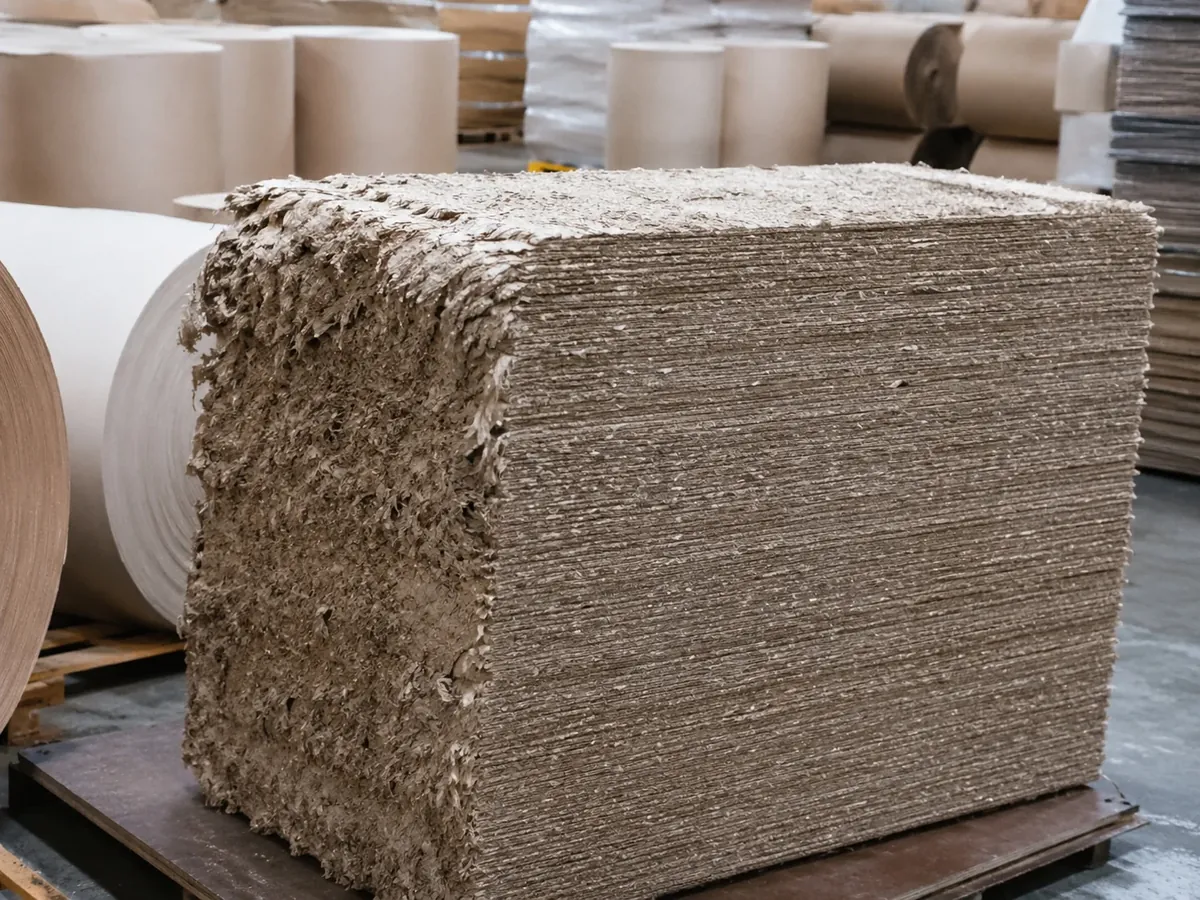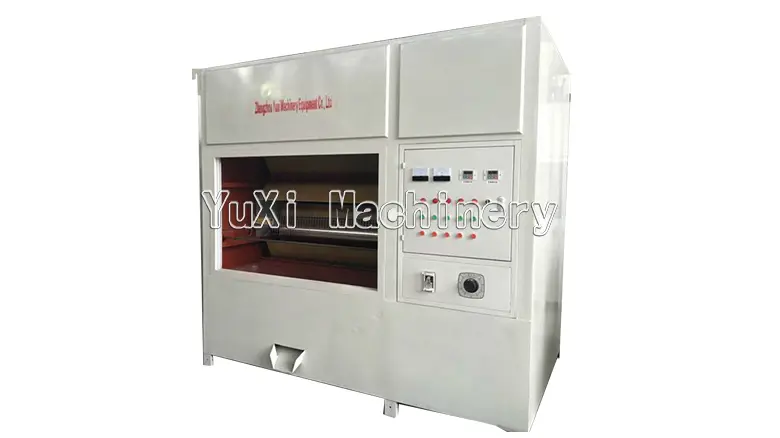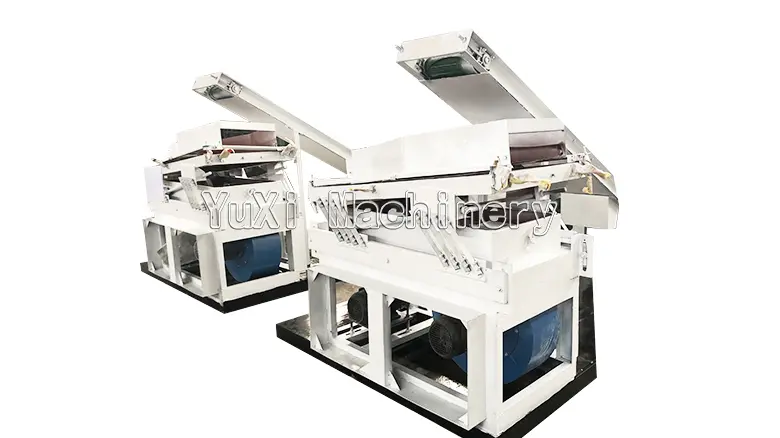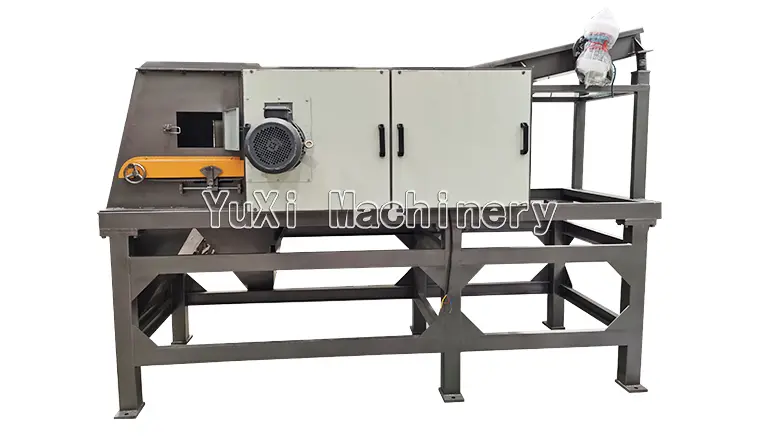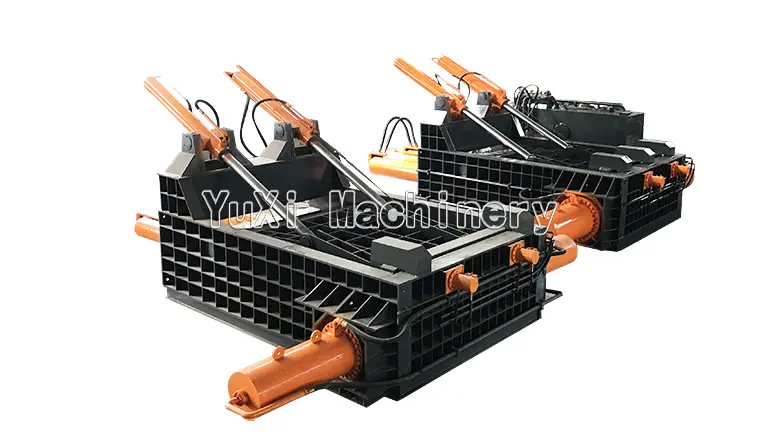




OCC CardboardBest-fit core feedstock
A complete dry-processing line that reduces old corrugated containers, waste cartons, kraft paper and suitable paperboard waste, removes contaminants, opens the paper structure into reusable fiber-rich material and prepares it for collection or baling.
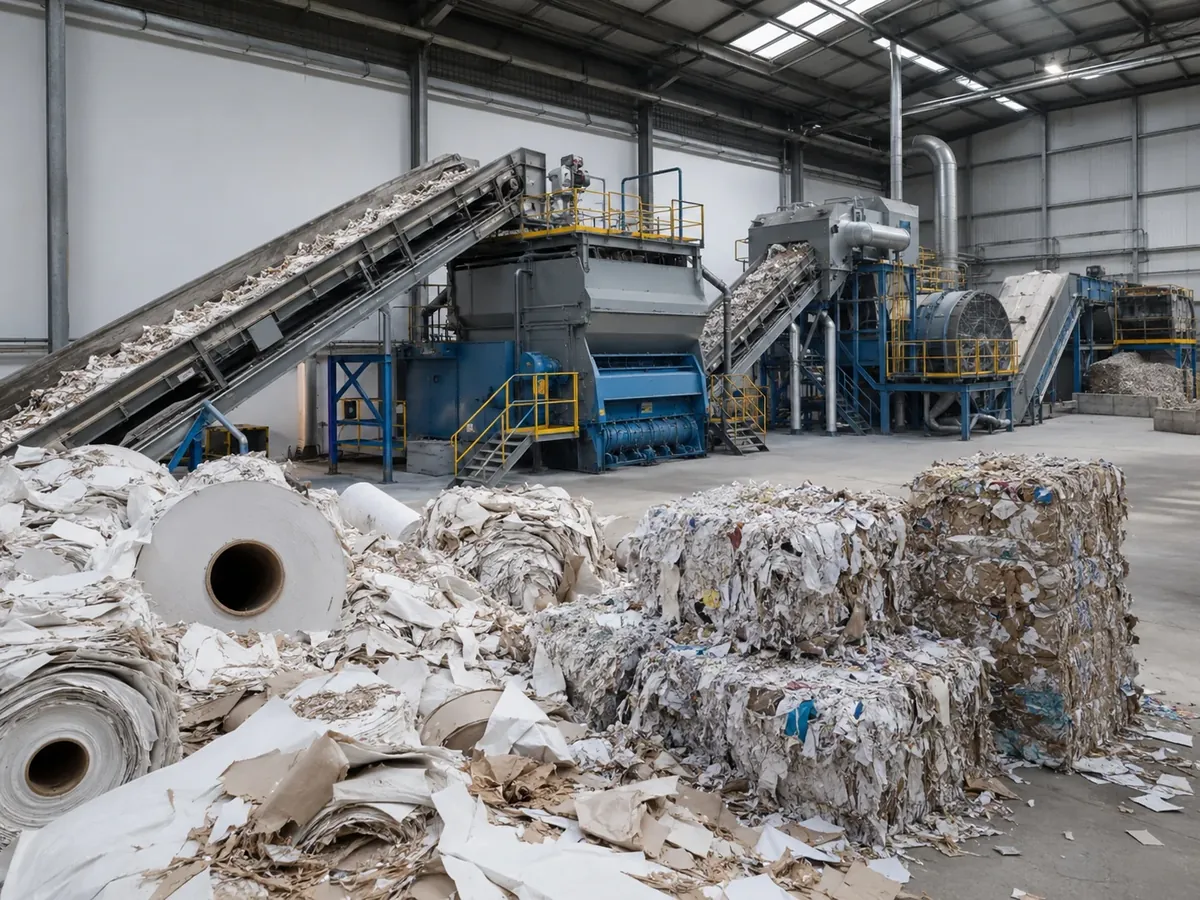
The YUXI OCC paper dry pulping and cardboard recycling line is intended for industrial recovery of fiber from corrugated cartons and suitable paper waste. A typical system combines controlled feeding, primary shredding, ferrous-metal removal, metered transfer, mechanical dry pulping or fiber opening, dust management, fiber collection and baling.
The direct product is recovered fiber-rich material—not finished paper. Downstream papermaking, molded-fiber forming or other manufacturing stages are separate and should be specified before the line is designed.
This line sits between waste-cardboard collection and downstream fiber use. It does not simply compress boxes, and it is not a conventional paper machine. The job of the line is to make bulky OCC easier to handle, remove damaging contaminants, mechanically open the paper structure and deliver a more uniform recovered-fiber feedstock.
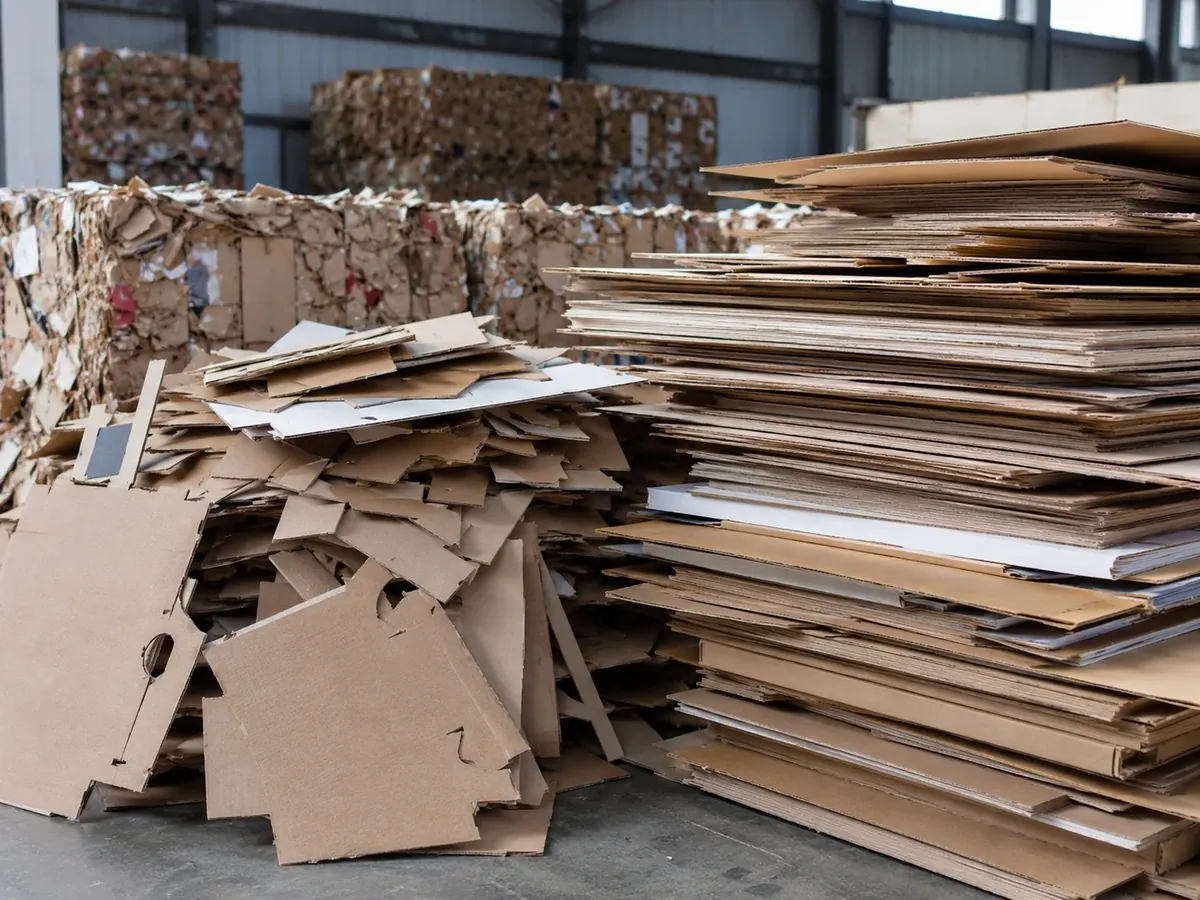
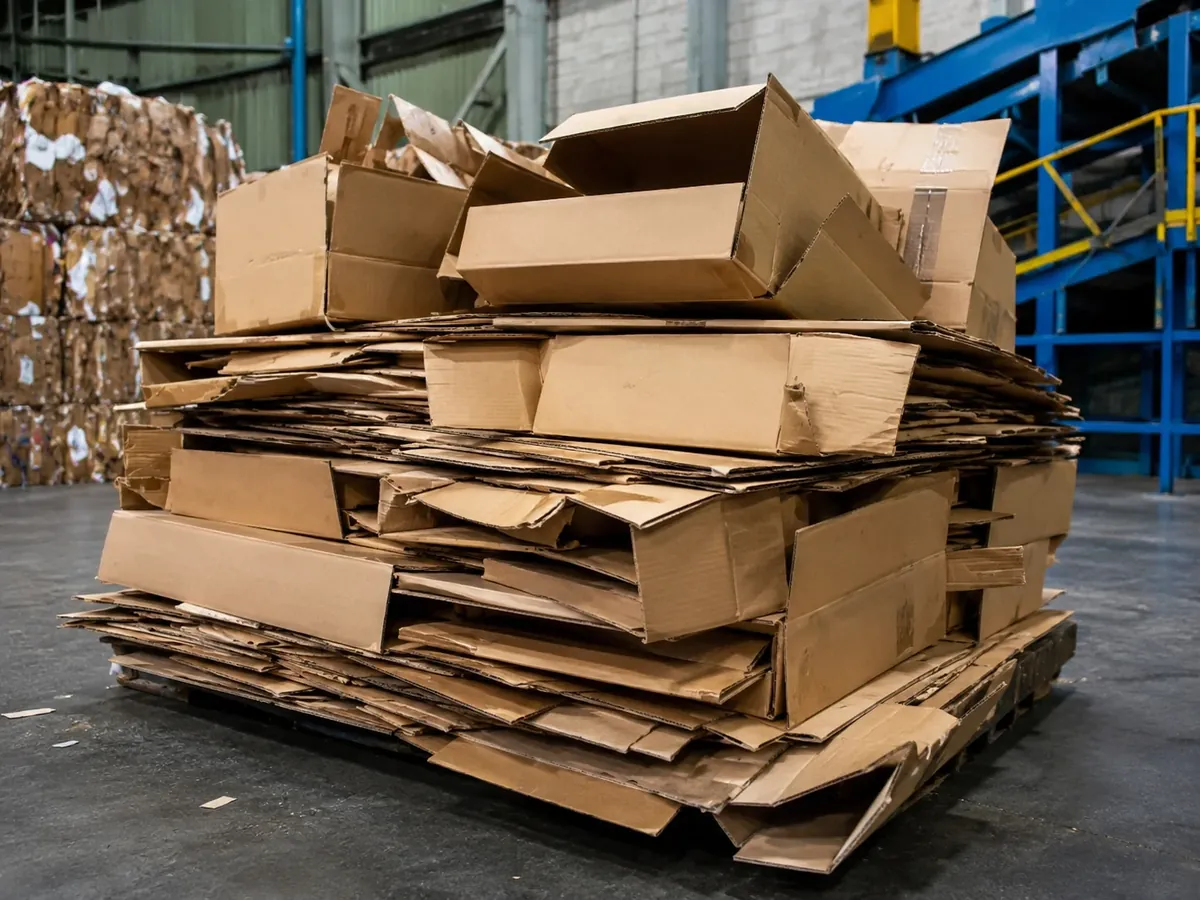
The term OCC refers to old corrugated containers: used corrugated shipping boxes and related packaging grades. In practice, incoming loads are rarely identical. Bale density, moisture, tape, labels, staples, plastic film and non-paper material can vary from one supplier to another. Those differences affect the equipment sequence far more than the name “cardboard” suggests.

The strongest fit is relatively dry, fiber-rich corrugated and kraft packaging waste. Broader paper grades can be considered, but a representative sample is important when the stream contains coatings, plastic layers, high moisture or unpredictable contamination.
| Feed category | Typical line decision | What must be checked |
|---|---|---|
| Best fit | OCC, corrugated boxes, clean kraft paper and paperboard offcuts | Bale size, density, tape, wire, moisture and target fiber condition |
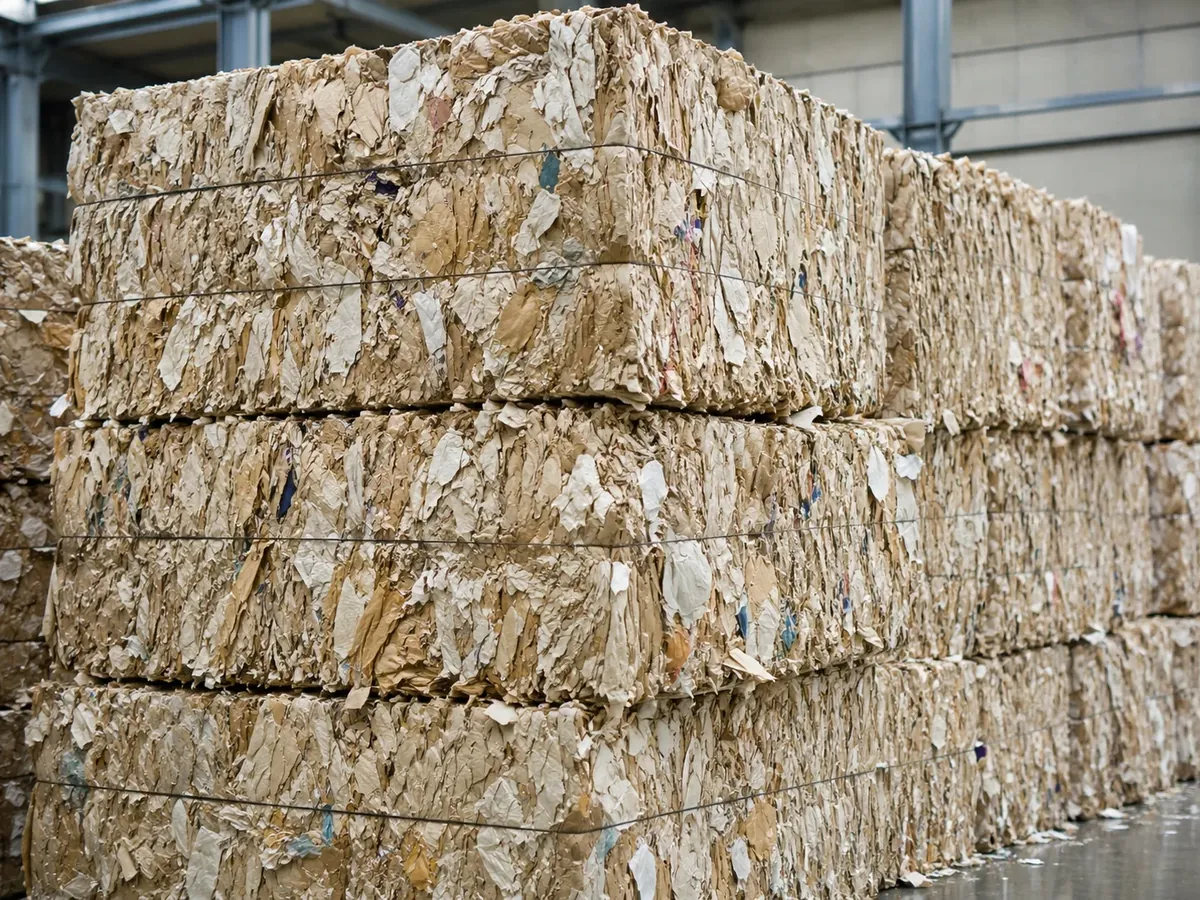
| Pre-sort | Baled cartons, warehouse packaging waste and paper mill residues | Bale opening, manual inspection, large plastics, metal, wood and hard objects |
| Test first | Mixed paper, coated board, waxed or wet-strength packaging and heavily printed material | Repulpability, coating percentage, moisture, adhesive load, rejects and downstream acceptance |
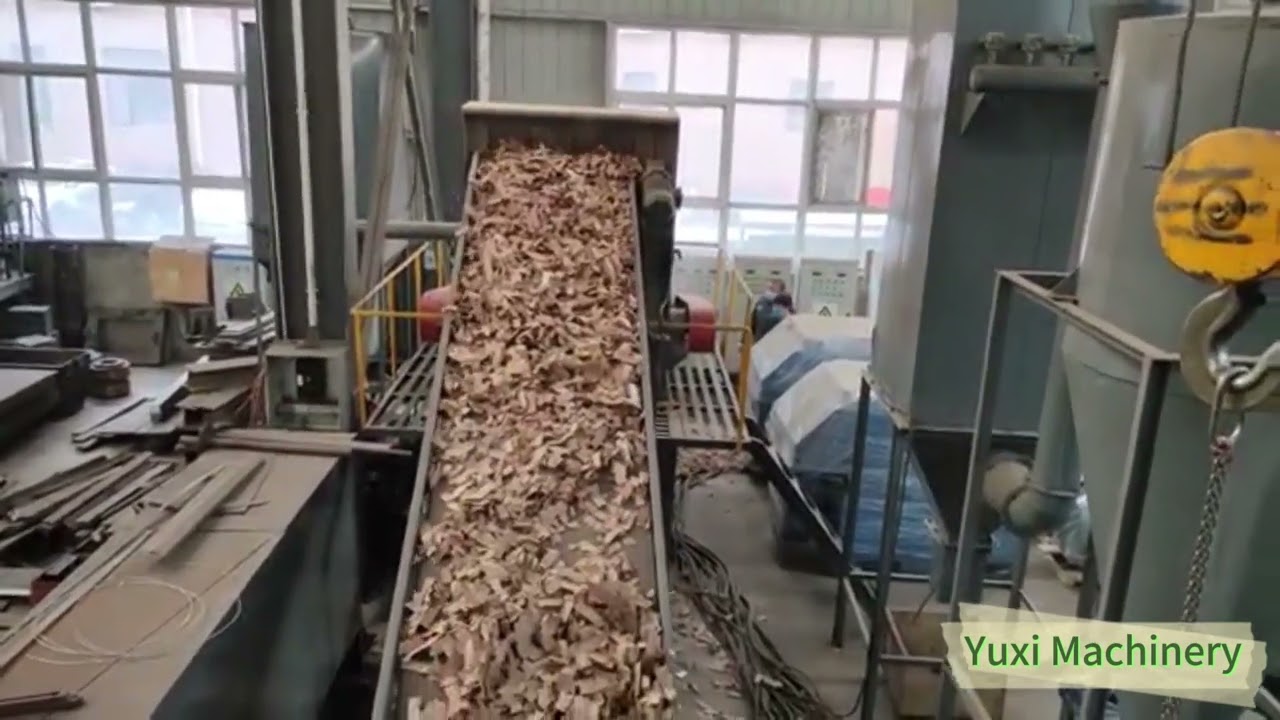
The line should be treated as a coordinated material-flow system. A powerful shredder alone will not solve unstable feeding, excess contamination, dust escape or inconsistent discharge. Each stage protects the next one.
Inspection & Bale Opening
Remove bale wire and obvious foreign objects. Add a bale opener or sorting position when compressed feed cannot be safely inspected.
Controlled Feeding
A chain or belt conveyor meters bulky cardboard into the line instead of allowing surges to overload the shredder.
Primary Shredding
A low-speed, high-torque shredder tears cartons and sheets into a manageable, more consistent feed size.
Magnetic Separation
Ferrous pieces such as nails, staples and wire fragments are removed before they reach the fiber-opening section.
Buffer & Metering
A buffer hopper or controlled conveyor stabilizes the feed rate so the dry pulping machine receives a more even material layer.
Dry Pulping / Fiber Opening
Mechanical action opens and separates the paper structure into fiber-rich material without a conventional hydrapulper loop.
Dust & Light-Reject Control
Enclosed pickup points and dust collection control airborne fines. Air separation can be added where the material requires it.
Fiber Collection
Recovered material is transferred by conveyor, screw or pneumatic collection to a buffer or discharge point.
Baling or Bulk Discharge
The final fiber-rich material can be baled for storage and transport or discharged loose into the next process.
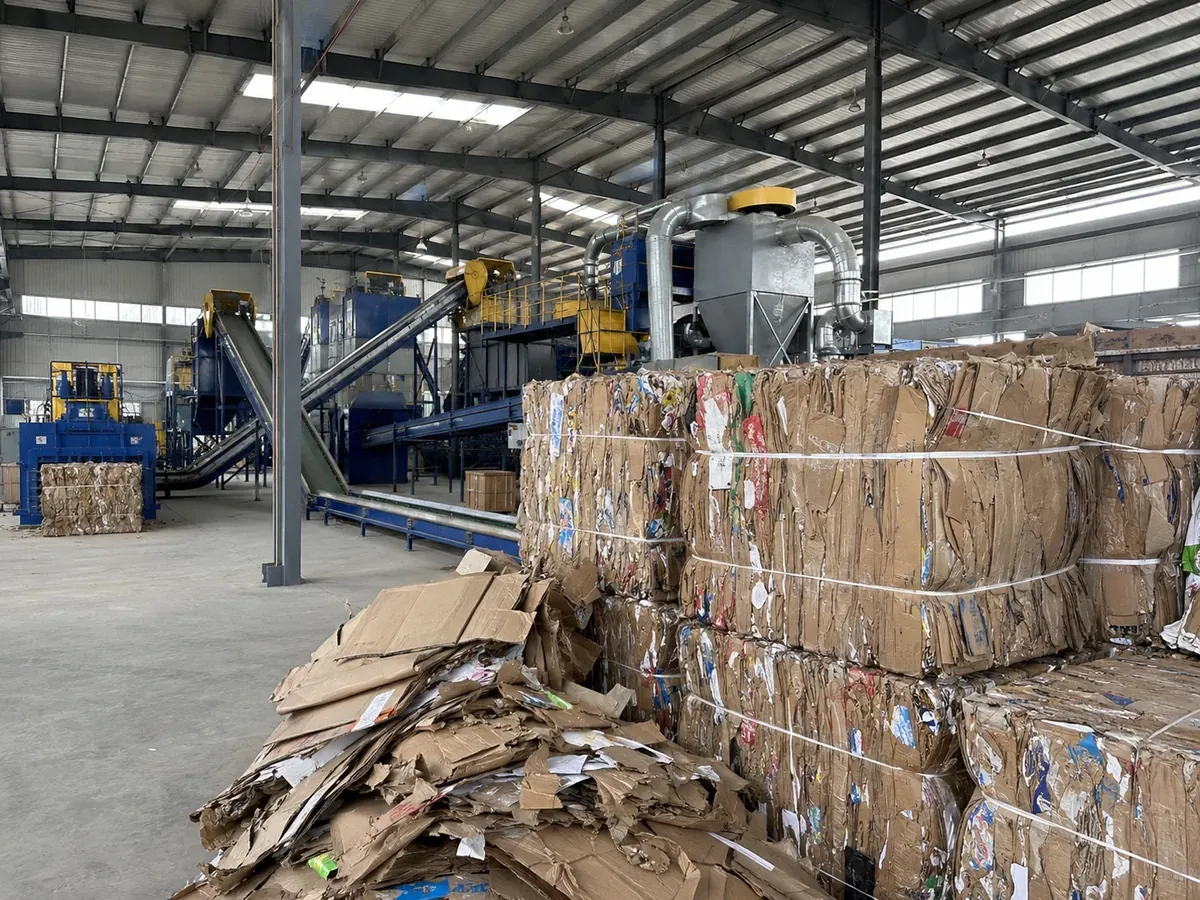
The video provides a direct view of the integrated production line and its material flow. Use it to evaluate the conveying arrangement, equipment connection, operating space and the condition of the processed material.
The final equipment sequence and layout can be adjusted around loose cardboard, compressed OCC bales, contaminant level, required throughput and the intended fiber discharge method.
The final scope depends on the feedstock. The following modules form the typical engineering basis; some are optional and some may need duplication for higher availability.
Receives loose cartons or opened bales and controls the load entering the primary shredder.
Optional front-end equipment for compressed bales, variable suppliers or loads with visible contaminants.
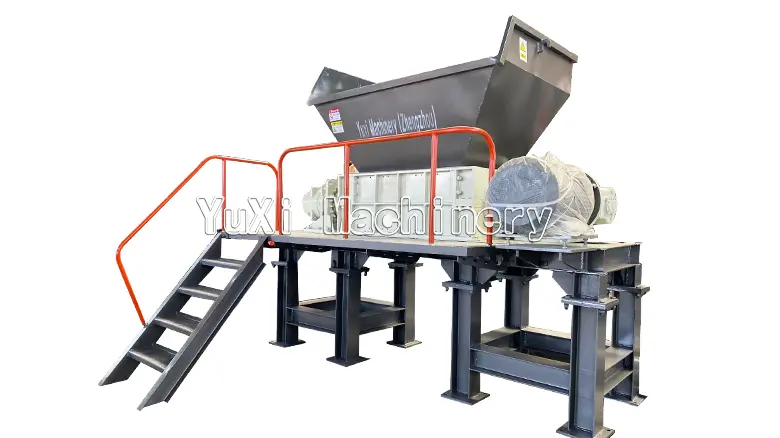
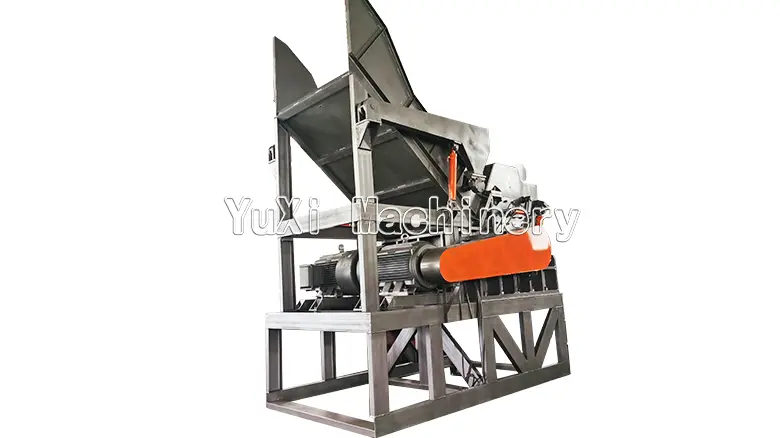
Provides low-speed tearing and primary size reduction. Cutter design and feed opening are selected around bale and carton dimensions. See the YUXI double-shaft shredder.
Removes ferrous contamination and helps protect the dry pulping rotor and downstream conveying equipment.
Reduces feed surges, prevents starvation and supports more stable fiber opening.
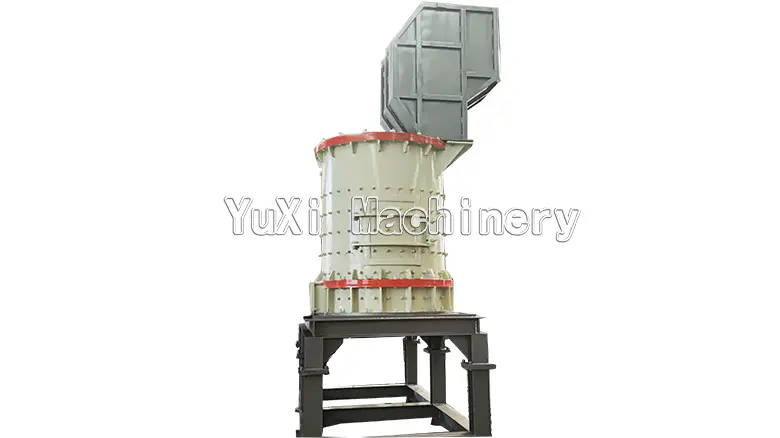
Mechanically loosens the shredded paper structure. Rotor, screen and operating settings should match the required fiber condition.
Captures fines from transfer and fiber-opening points. Duct layout must be coordinated with access, cleaning and fire-control provisions.
Collects the recovered fiber and prepares a dense bale when storage or transport efficiency is required.
Coordinates conveyors, load monitoring, emergency stops and staged shutdown to reduce material accumulation after a fault.
Air classification, screening or additional sorting can be added when films, light plastics or fine rejects must be controlled.
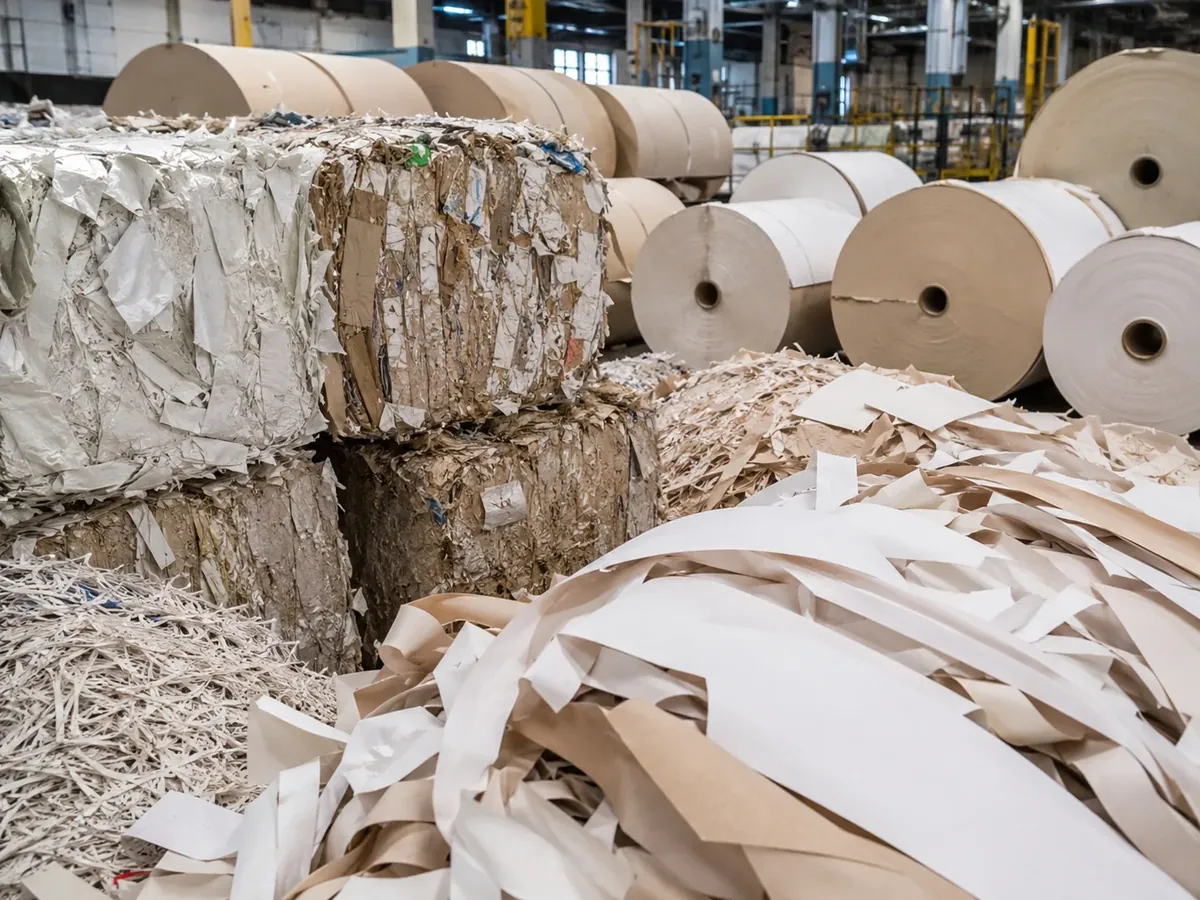
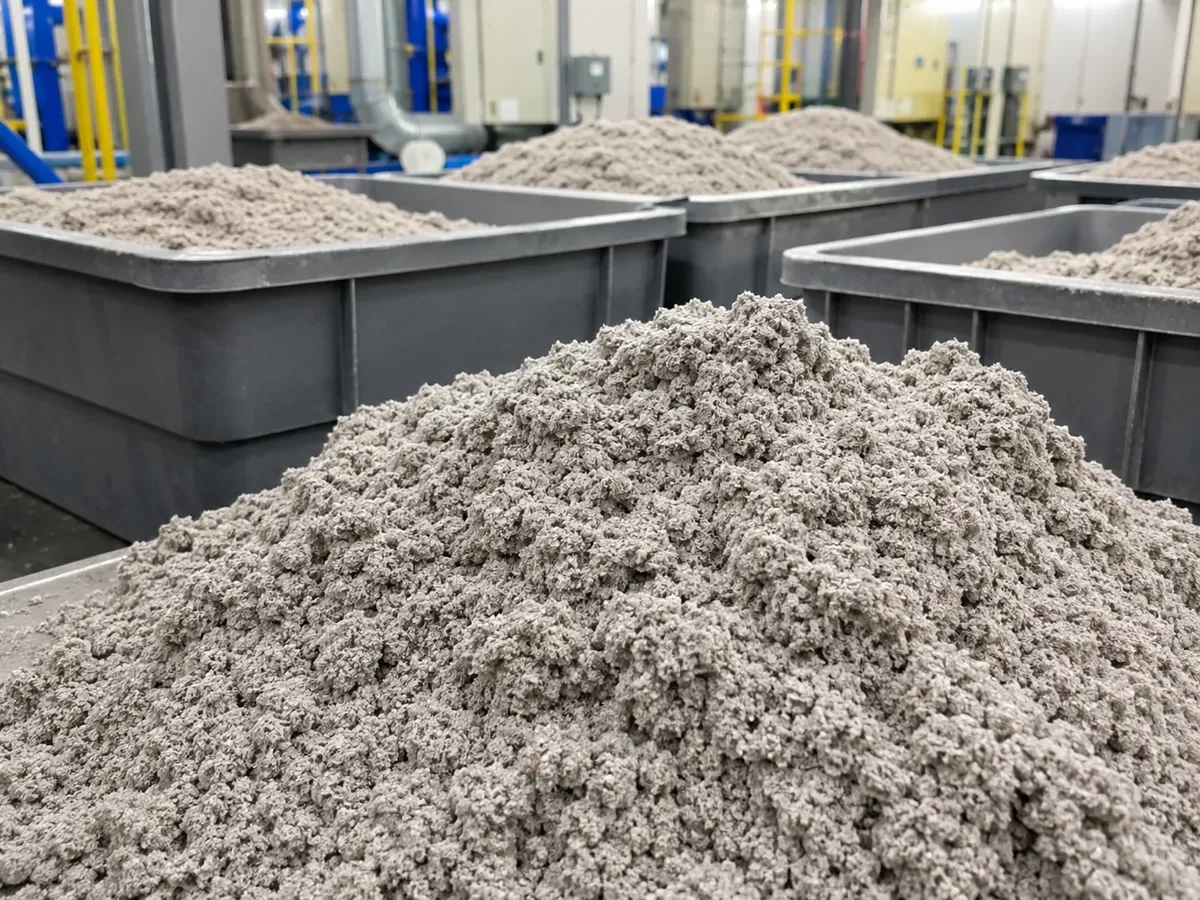
The immediate product is mechanically recovered fiber-rich material. Its appearance and usability are governed by the incoming paper grade, moisture, contaminant load, fiber-opening settings and any added separation stages.
This is the product the dry-processing line can directly prepare. It may be transported, stored or transferred to another process. Do not specify a finished paper grade from the dry line alone; the downstream plant must confirm its furnish and cleanliness requirements.

Useful when the recovered material must be stored, loaded or transported before its next processing stage.
Possible after the receiving paper process confirms furnish quality and adds the required stock preparation.
Recovered fiber may support packaging applications when strength, cleanliness and process compatibility are verified.
A downstream molded-product line may use recovered fiber after suitable preparation and recipe testing.
The line converts bulky packaging waste into a more manageable material for reuse or further processing.
Different paper grades may be blended only after testing confirms stable processing and acceptable downstream quality.
These systems solve different project problems. The dry line is centered on mechanical opening and dry material handling; a conventional paper-mill line is centered on water-based pulping, cleaning and stock preparation.
| Comparison | YUXI dry pulping / cardboard recycling line | Conventional wet OCC stock-preparation line |
|---|---|---|
| Core process | Shredding, metal removal, dry fiber opening, dust control, collection and baling | Hydrapulping, screening, cleaning, thickening, refining and stock preparation |
| Direct product | Loose or baled fiber-rich material | Pumpable prepared stock for paper production |
| Water loop | No conventional high-water hydrapulper loop in the core dry section | Water is a central carrier in pulping and stock preparation |
| Best project fit | Dry recovery, fiber opening, volume reduction and feedstock preparation | Paper mills requiring controlled pulp furnish and paper-machine stock |
| Main engineering risks | Feed bridging, dust, fire load, contaminant carryover and inconsistent fiber opening | Reject handling, water balance, screening efficiency, fiber loss and wastewater management |
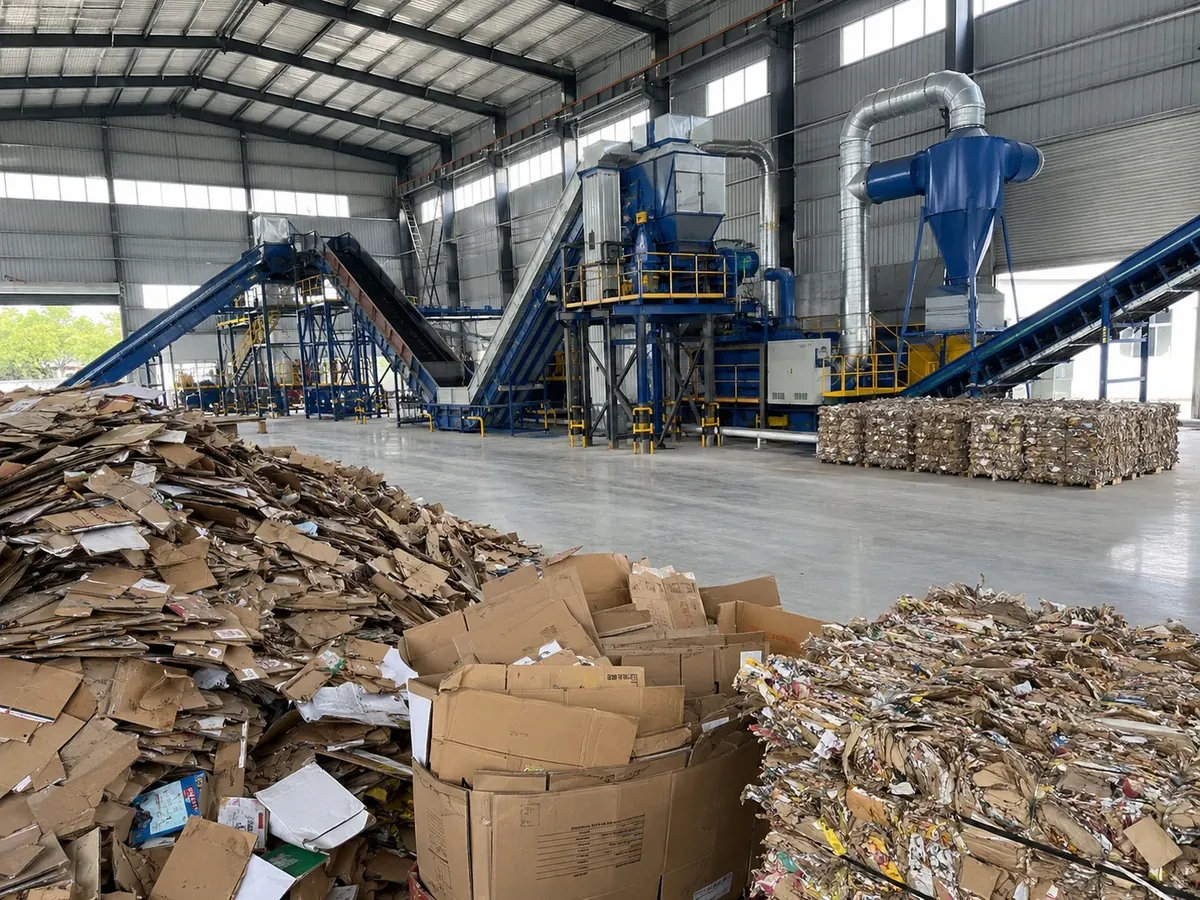
Two customers asking for the same tons per hour may need very different equipment. A loose, clean warehouse-cardboard stream behaves nothing like dense, wire-tied mixed-paper bales with wet-strength board and plastic inserts.
Loose boxes, flattened sheets, offcuts or compressed bales determine the conveyor, hopper and bale-opening design.
Define the percentage of OCC, kraft paper, coated board, mixed paper, films, textiles, wood and metal.
Wet material can bridge, increase adhesion and alter dust behavior. Provide a realistic moisture range, not only a best sample.
Specify whether the target is coarse opened material, a finer fiber condition, loose discharge or transport bales.
Ask the receiving paper mill or molded-fiber line for its contaminant and fiber requirements before ordering equipment.
Provide footprint, clear height, floor loading, power supply, forklift routes, fire zoning and dust-control requirements.
These are configuration examples rather than fixed models. YUXI adjusts each project around actual feedstock and the required output.
OCC means old corrugated containers. In practical project discussions, it usually refers to recovered corrugated boxes, shipping cartons and similar corrugated packaging grades.
The direct output is loose or baled fiber-rich material recovered from OCC and suitable paper waste. It is not automatically a finished paper grade. Additional cleaning, refining, wet stock preparation or product-forming equipment may be required by the downstream application.
No. This line uses mechanical shredding, dry fiber opening, impurity removal, dust control and collection. A conventional paper-mill OCC stock preparation line normally uses a hydrapulper, water circulation, screening, cleaning and stock preparation equipment.
Baled OCC can be handled, but the bale condition determines the front-end configuration. Bale wire removal, bale opening, inspection and pre-sorting may be required before shredding.
Possibly, but mixed paper should be evaluated before equipment selection. Coatings, plastic film, wax, adhesives, moisture, textiles, metal and non-paper contaminants can change the process configuration and the quality of the recovered fiber.
The core dry-processing section does not rely on a conventional high-water hydrapulper loop. Water demand still depends on the selected dust-control method and any downstream papermaking, molded-fiber or wet-cleaning process.
Actual capacity depends on feed density, bale size, moisture, contaminant level, required shred size, desired fiber-opening degree, conveying arrangement and downstream collection method. Capacity should be confirmed from material data and, where practical, a sample test.
Large metal pieces, stones, wood, plastic bundles, ropes, textiles, liquid containers and other hard foreign objects should be removed. Ferrous pieces such as nails, staples and wire fragments can be captured by magnetic separation, but front-end inspection is still important.
The production line can combine enclosed transfer points, controlled air extraction, dust collection and housekeeping access. The final design should also consider local requirements for combustible dust, fire detection, grounding and emergency isolation.
Recovered fiber may be used as feedstock for paper, packaging or molded-fiber applications when it meets the downstream process requirements. Final suitability must be confirmed through fiber testing and the specifications of the receiving process.
Provide representative material photos or samples, daily or hourly throughput, loose or baled feed form, bale dimensions, moisture and contaminants, required output condition, available workshop size, local voltage and the planned downstream use.
Yes. The equipment sequence, conveyors, sorting position, magnetic separation, buffer storage, dry pulping, dust collection, fiber collection, baling and control system can be configured around the material and plant layout.
Send the real feed condition rather than only a target capacity. YUXI can use the material information to propose the process sequence, equipment scope, layout basis and quotation.