




Your Location:
  1. Home > 
  2. Metal Recycling Solutions

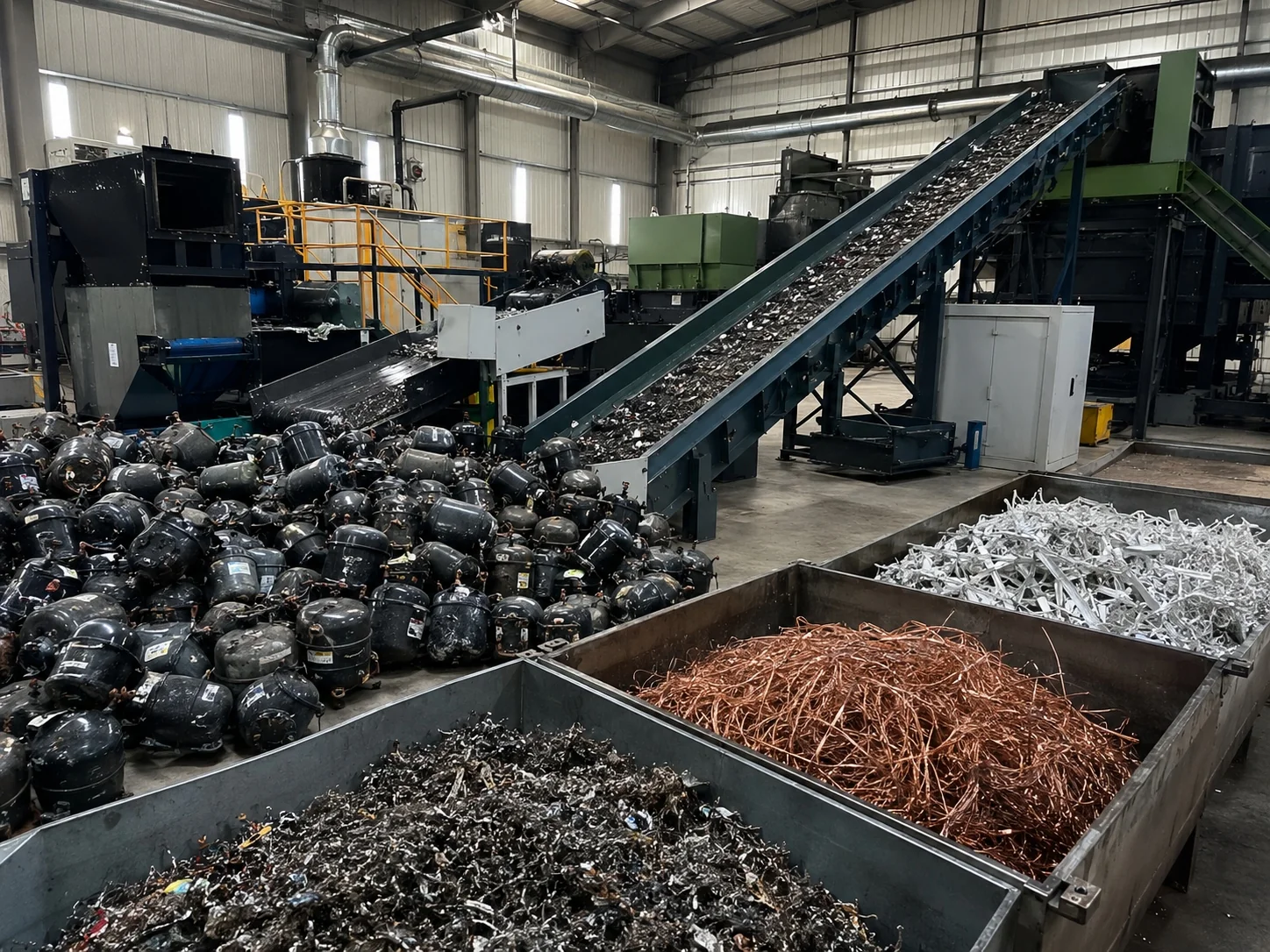
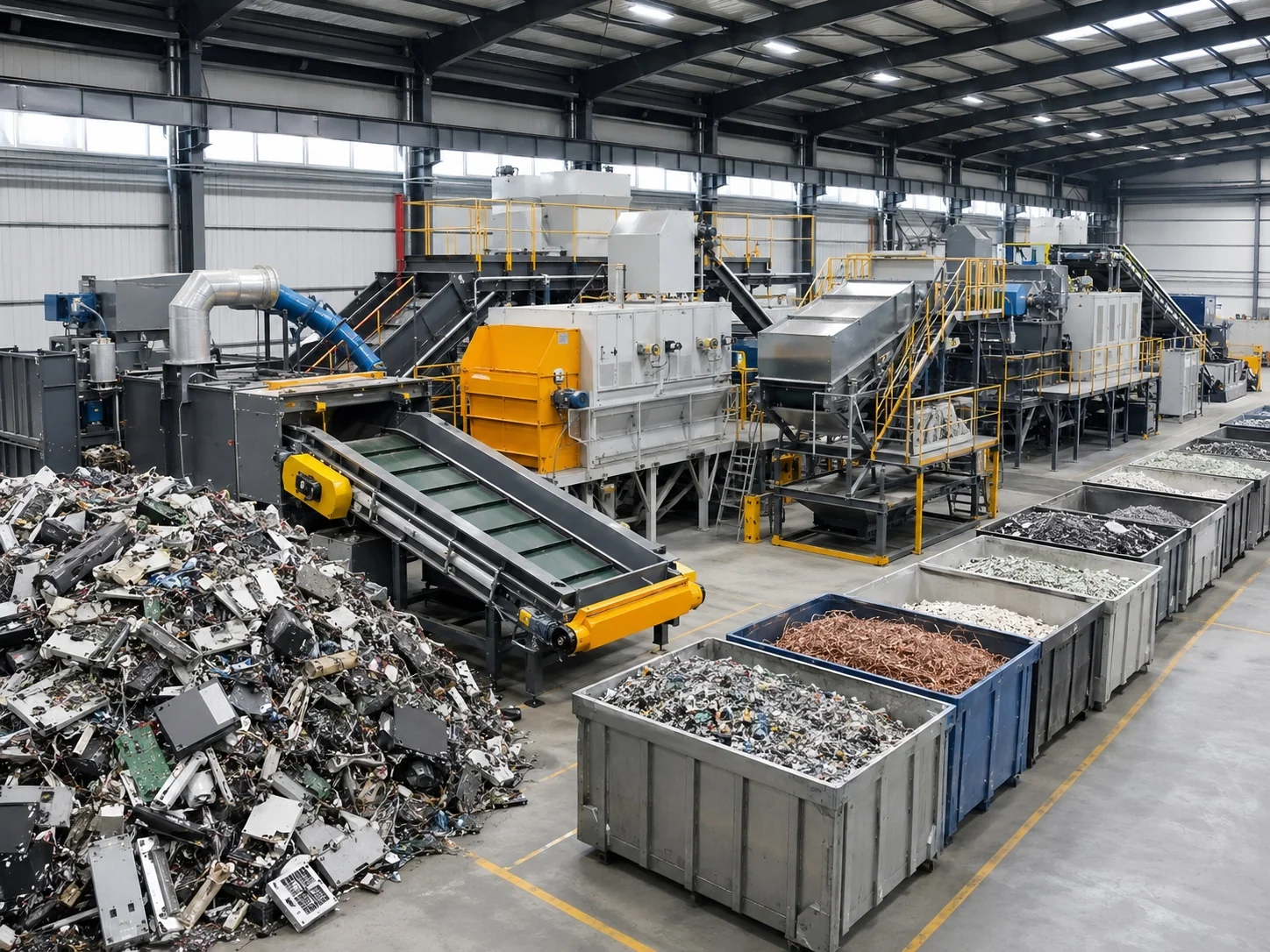
YUXI waste refrigerator recycling line combines pre-treatment, refrigerant and compressor handling, cabinet shredding, secondary crushing, foam collection, magnetic separation, non-ferrous recovery and dust control. It is designed to recover steel, copper- and aluminum-bearing fractions, plastics, polyurethane foam and separately dismantled parts from waste refrigerators and freezers.

Product Overview

What Is a Waste Refrigerator Recycling Plant?

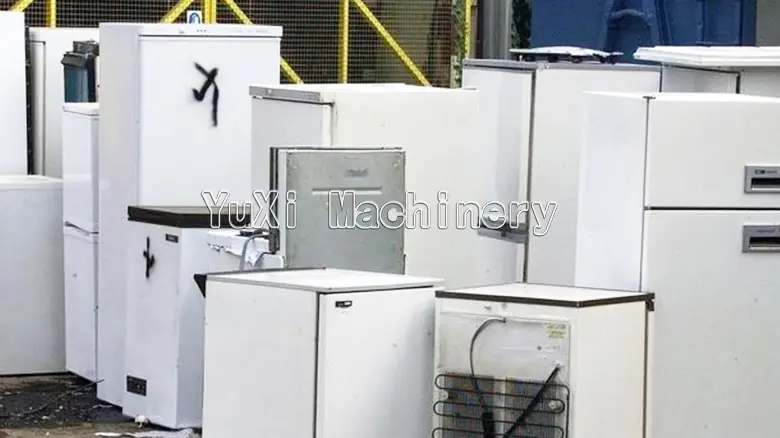
A waste refrigerator recycling plant is a complete household appliance recycling system for safely dismantling and processing used refrigerators, freezers and appliance cabinets. It combines pre-treatment, refrigerant recovery, compressor removal, cabinet shredding, foam collection and multi-stage material separation.

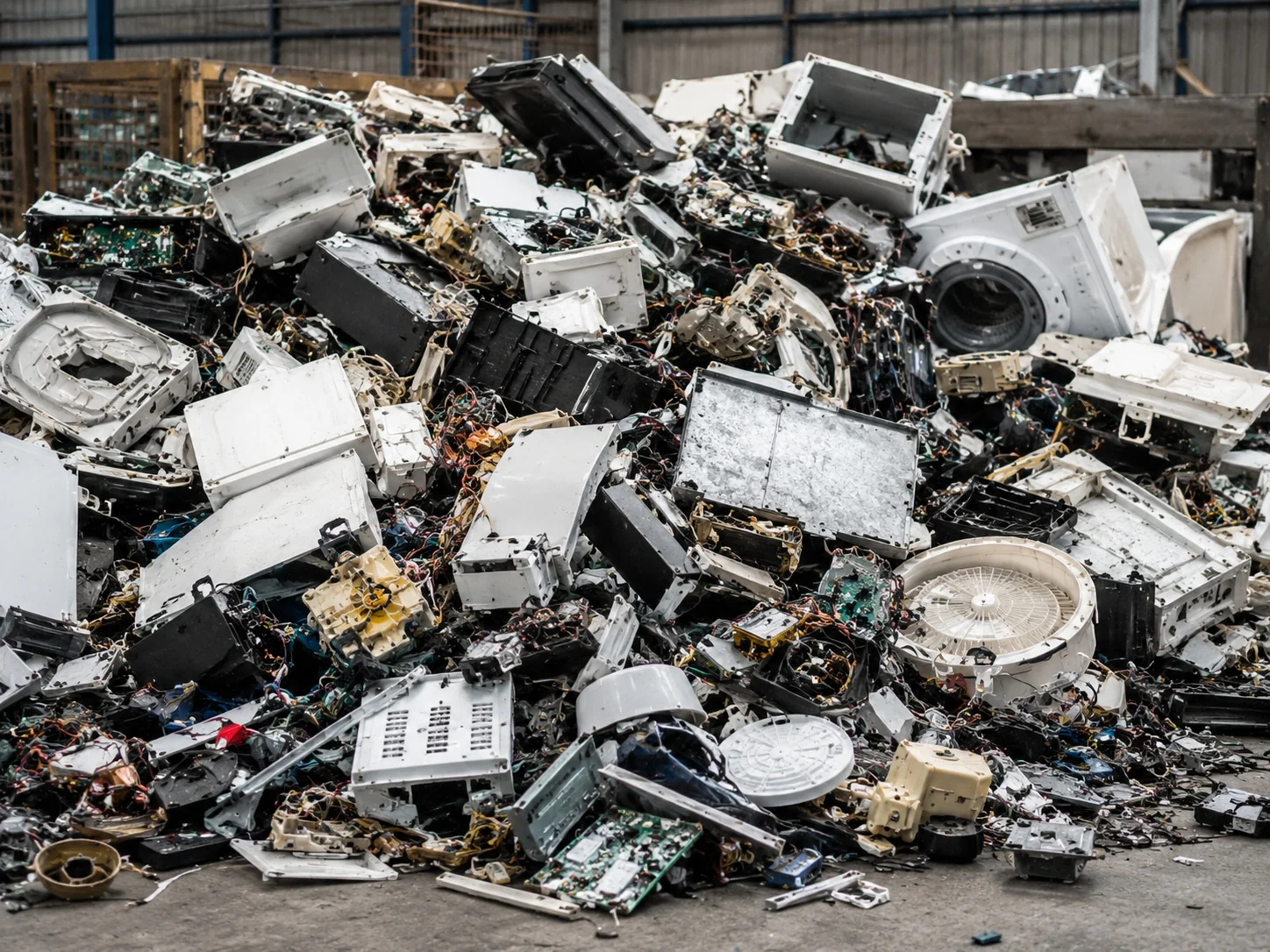
Waste refrigerators contain metals, plastics, polyurethane insulation foam, copper tubes, wires, compressors, circuit boards, glass shelves and refrigerants. Direct crushing without pre-treatment may reduce recovery quality and create safety risks. A complete recycling line first removes hazardous and reusable components, then crushes and separates the remaining refrigerator body.

YUXI can design the refrigerator recycling line according to incoming appliance type, feeding size, refrigerant handling requirement, target capacity, workshop layout, dust control standard and final product requirement.

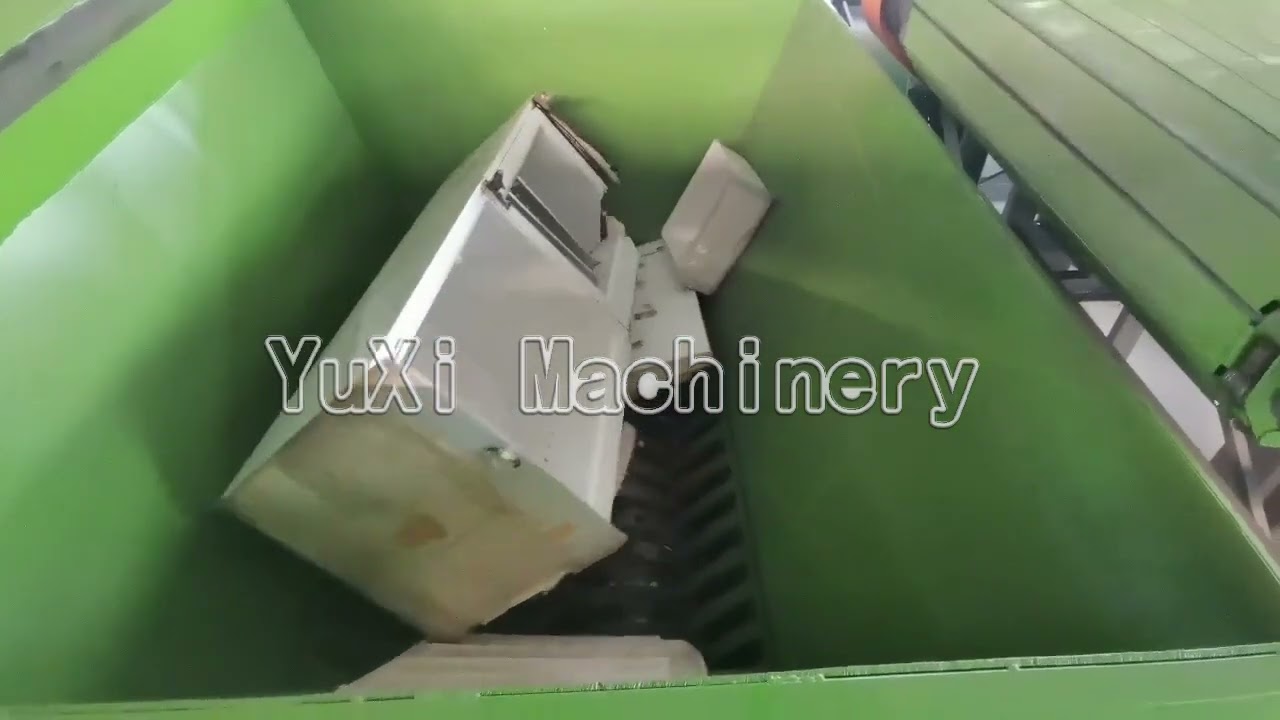
Waste refrigerator and household appliance recycling plant video
Mechanical line

For Pre-Treated Refrigerator Cabinets

The mechanical section starts after refrigerant recovery, compressor removal, oil draining and removal of unsuitable loose parts. It covers feeding, primary shredding, secondary crushing, foam extraction and metal-plastic separation.

Integrated project

For Complete End-of-Life Refrigerators

An integrated project adds the upstream receiving, dismantling, refrigerant recovery, compressor handling and oil collection stages required before the refrigerator body enters the shredding line.

Important: Complete refrigerators should not be presented as suitable for unrestricted direct shredding. The agreed feed condition and included pre-treatment equipment must be confirmed in the technical proposal.

Raw Materials

What Waste Appliances Can Be Recycled?

YUXI refrigerator and household appliance recycling equipment can process different bulky appliances and dismantled appliance components. The final line configuration depends on material structure, impurity content and required separation effect.

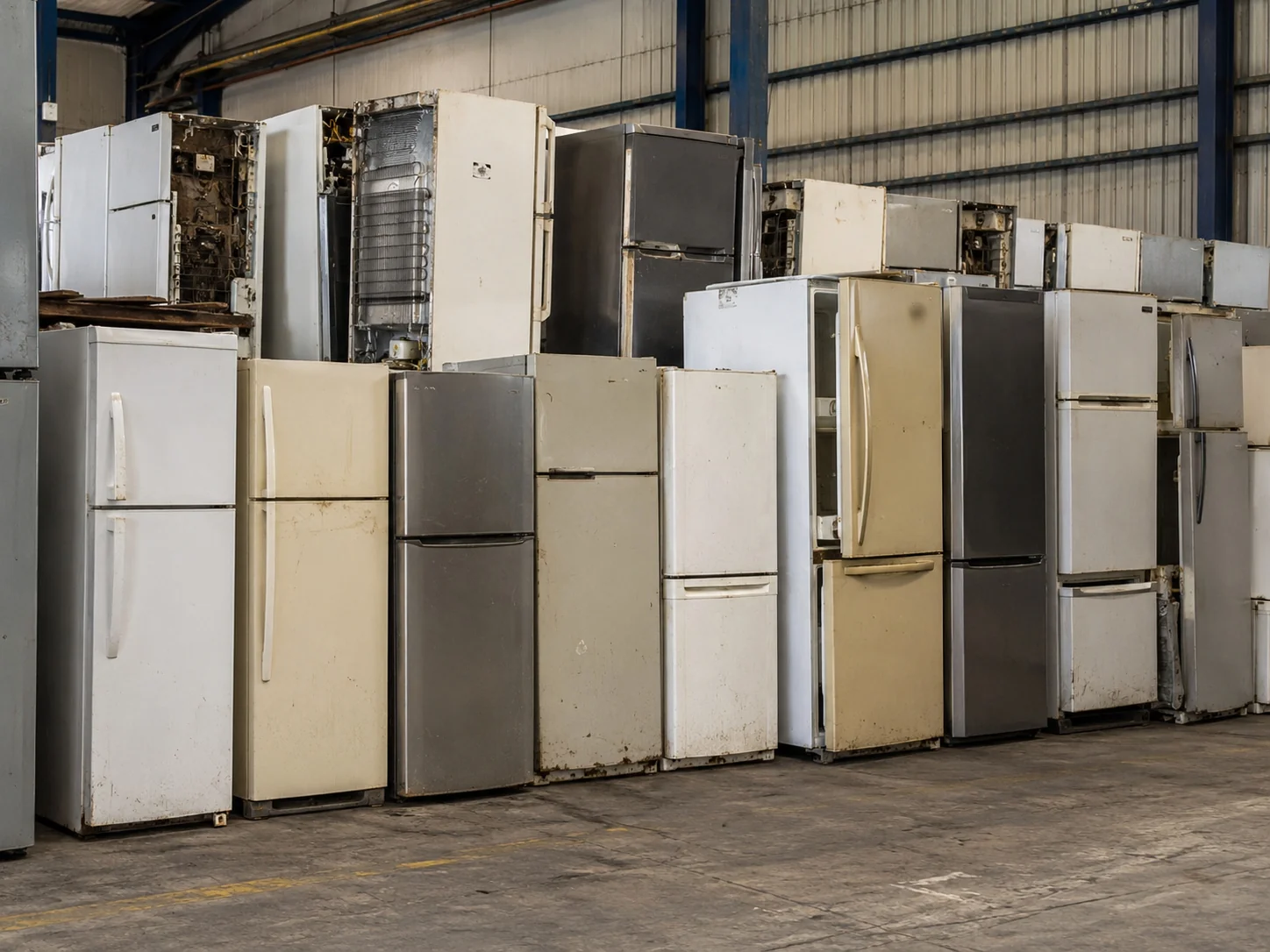
Waste refrigerator recycling

Waste Refrigerators
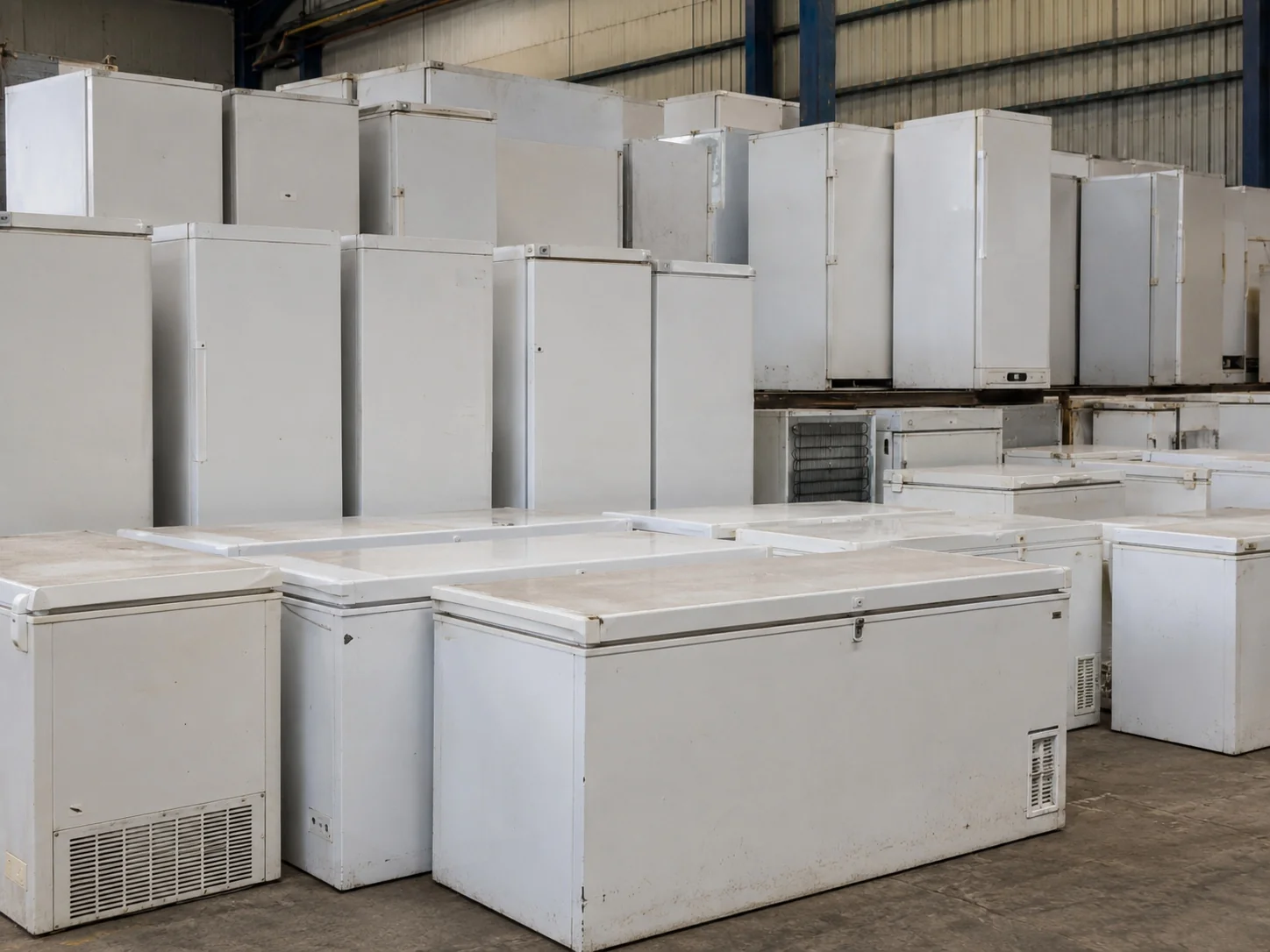
Waste freezer recycling

Freezers
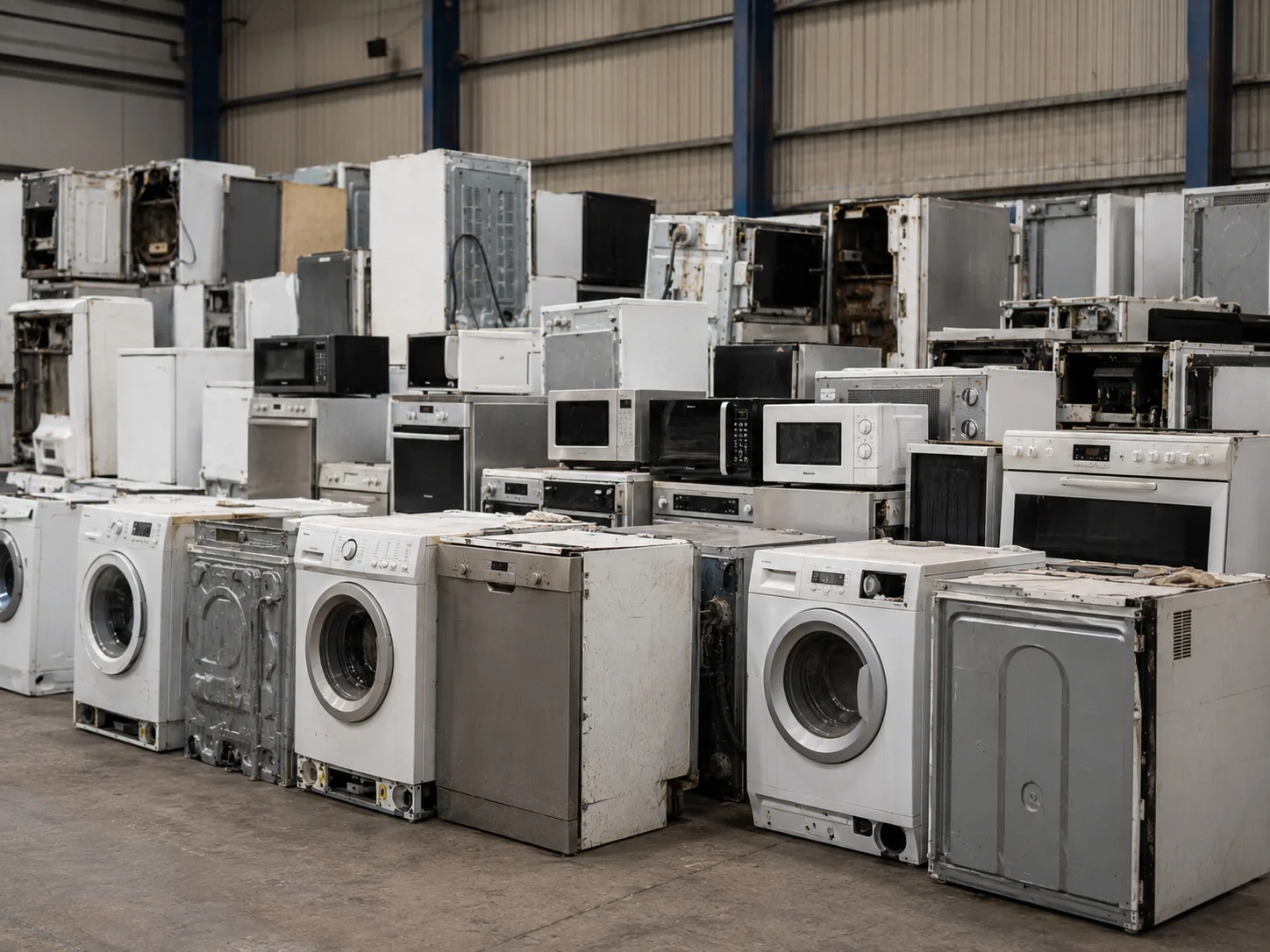
Household appliance recycling

Household Appliances
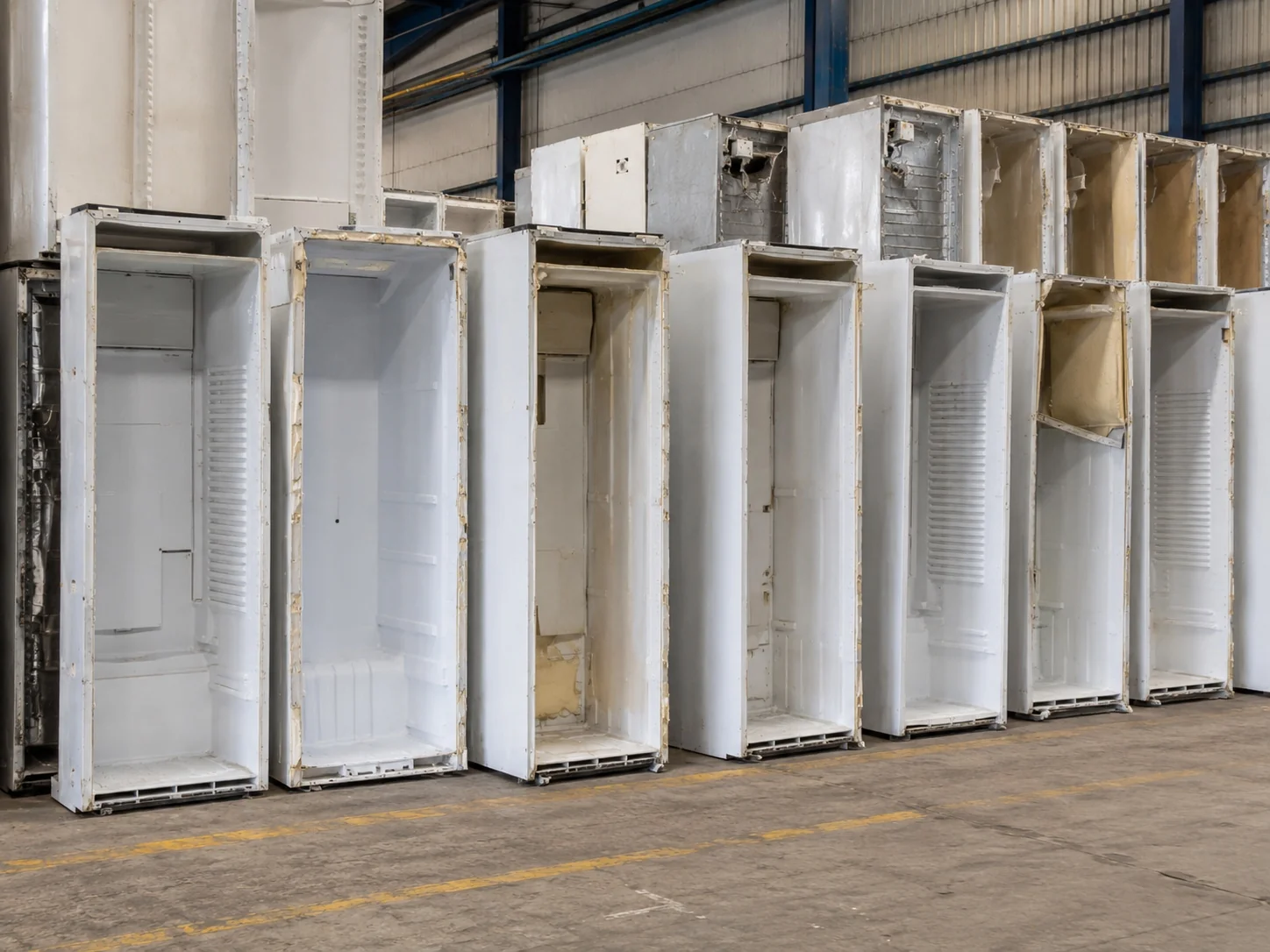
Refrigerator cabinet recycling

Refrigerator Cabinets
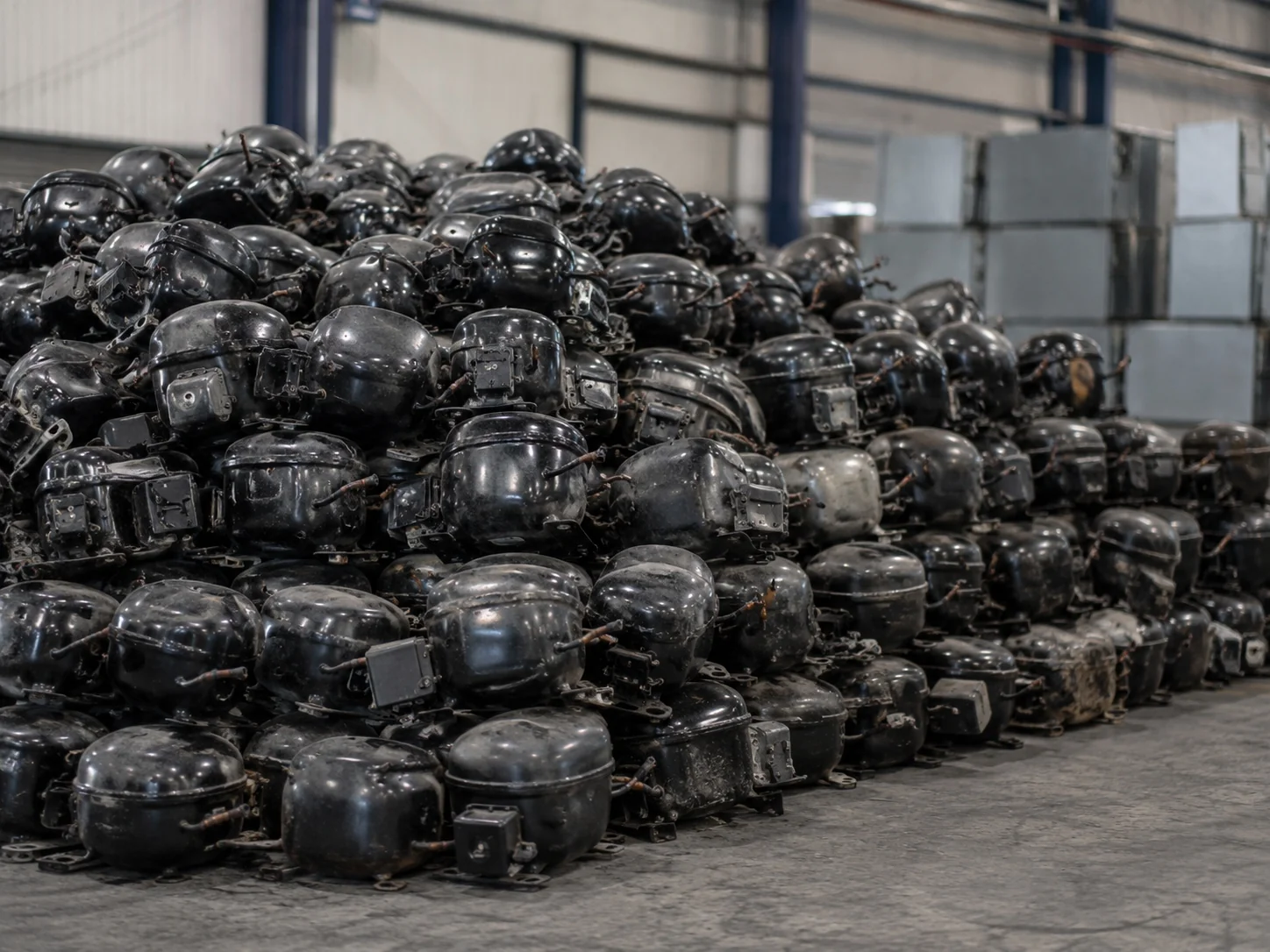
Refrigerator compressor recycling

Compressors
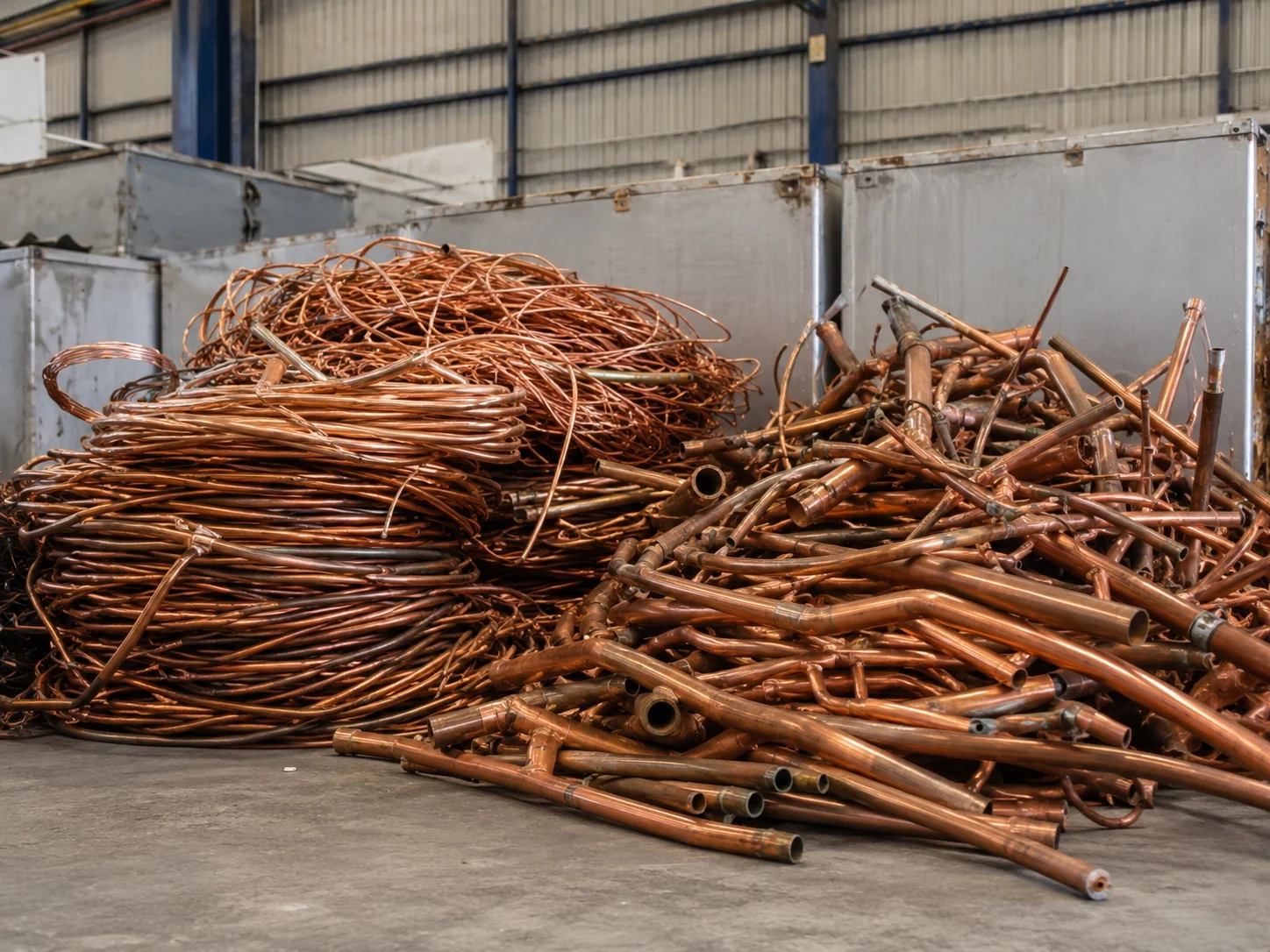
Copper tubes and wires from refrigerator dismantling

Copper Tubes & Wires
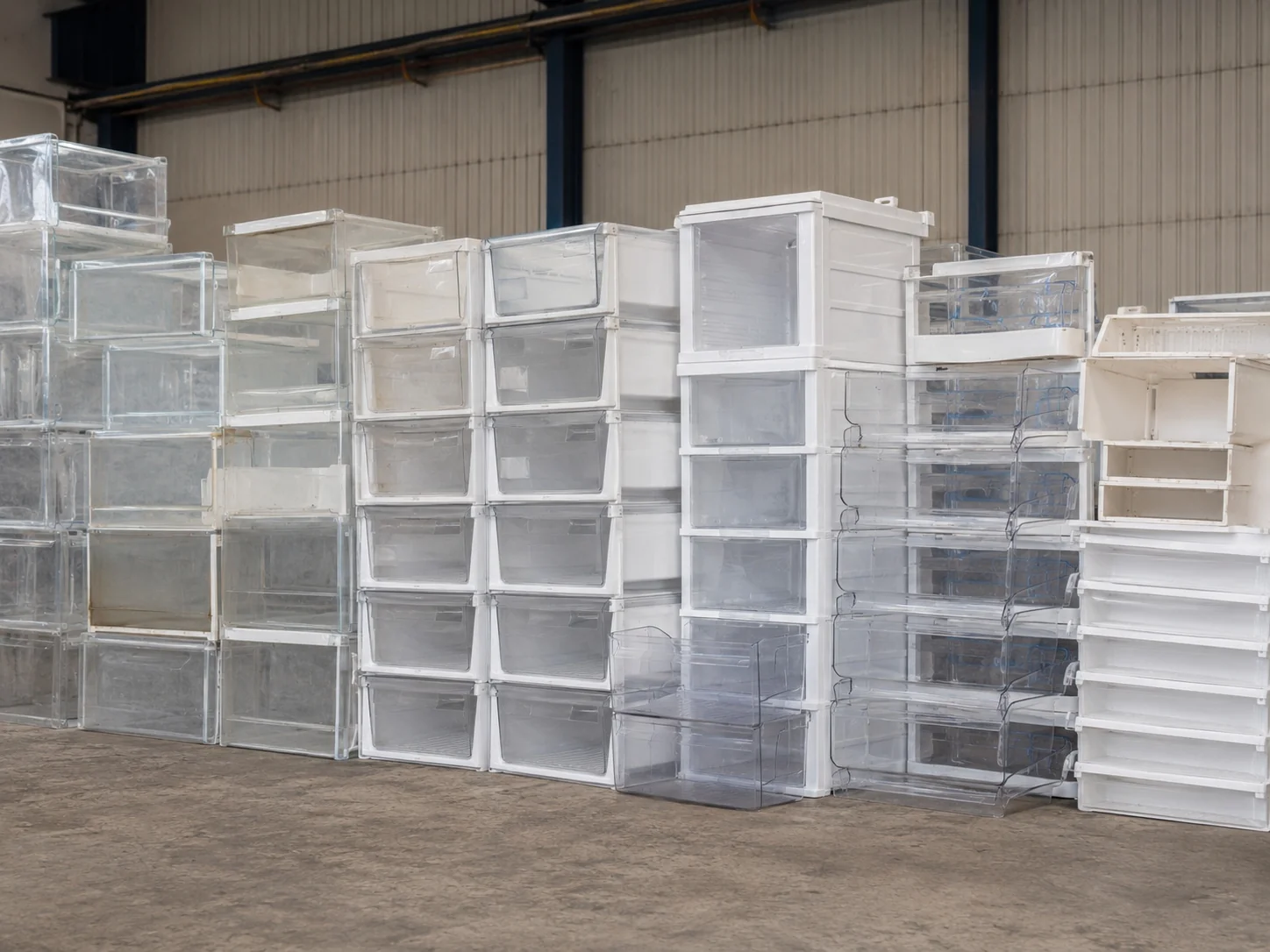
Plastic drawers and shelves from refrigerator recycling

Plastic Drawers
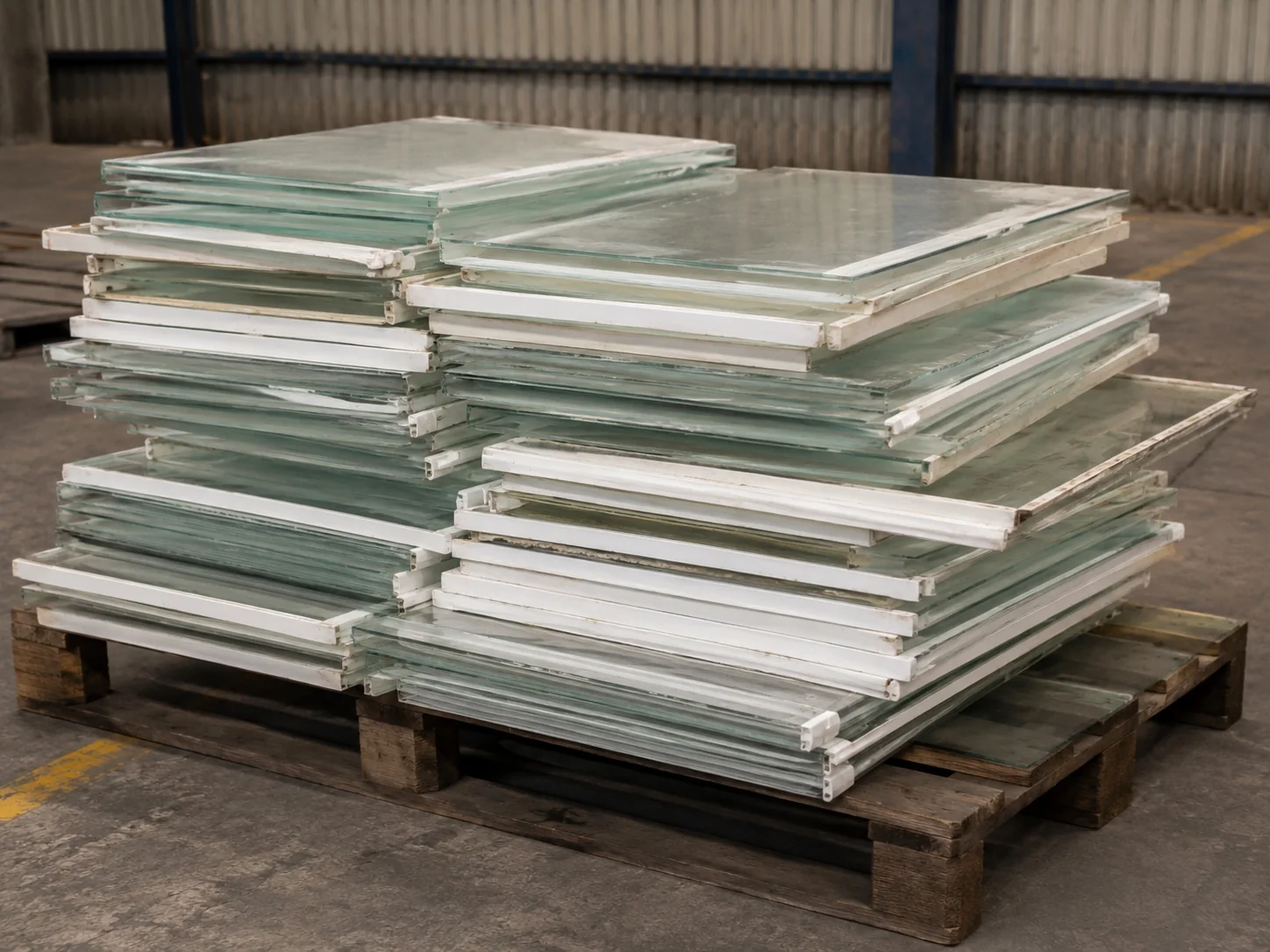
Glass shelves from refrigerator recycling

Glass Shelves
Mixed WEEE household appliance scrap

Mixed WEEE Scrap
Incoming material General suitability Preparation notes
Pre-treated refrigerator and freezer cabinets Recommended feed Confirm maximum cabinet size, remaining loose components, foam structure and average unit weight.
Complete refrigerators with intact cooling systems Integrated pre-treatment required Refrigerant, compressor oil and unsuitable components must be recovered or removed before mechanical shredding.
Washing machines and selected white goods Project-specific May share some downstream machines, but the feed preparation and material balance differ from refrigerators.
Televisions, computers, batteries and mixed small WEEE Not standard feed These materials usually require different dismantling and sorting routes.

Customer Pain Points

Common Problems in Waste Refrigerator Recycling

Waste refrigerators have bulky volume, mixed material composition and special pre-treatment requirements. A professional recycling line helps improve dismantling safety, material recovery and workshop efficiency.

Bulky Appliance Volume

Used refrigerators and freezers occupy large storage space and increase transportation and handling cost.

Refrigerant Must Be Recovered

Refrigerant should be recovered before cabinet crushing to support safer and more compliant appliance recycling.

Mixed Material Structure

Steel shell, plastic liner, copper tubes, aluminum parts, foam insulation, glass and electronic parts are tightly combined.

High Manual Dismantling Cost

Manual removal of circuit boards, wires, copper tubes, shelves, drawers and compressors requires stable workflow design.

Foam Dust During Crushing

Polyurethane insulation foam can generate light particles and dust, requiring airflow collection and dust control.

Unstable Output Quality

If the line is not properly configured, plastics, foam and non-ferrous metals may remain mixed and reduce material value.

Process Flow

How Does the Waste Refrigerator Recycling Plant Work?

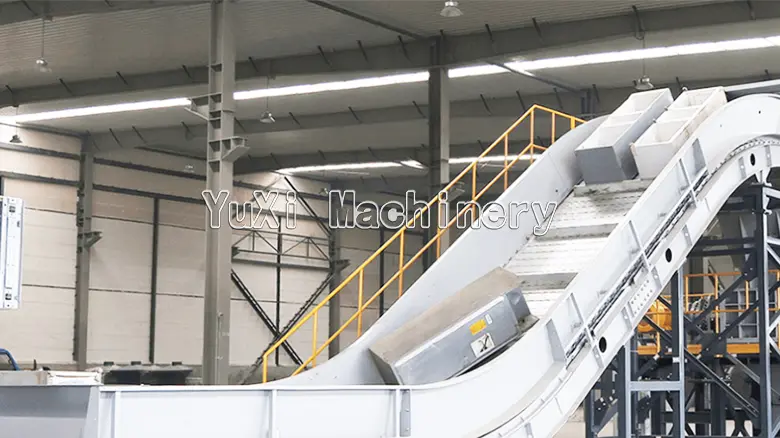
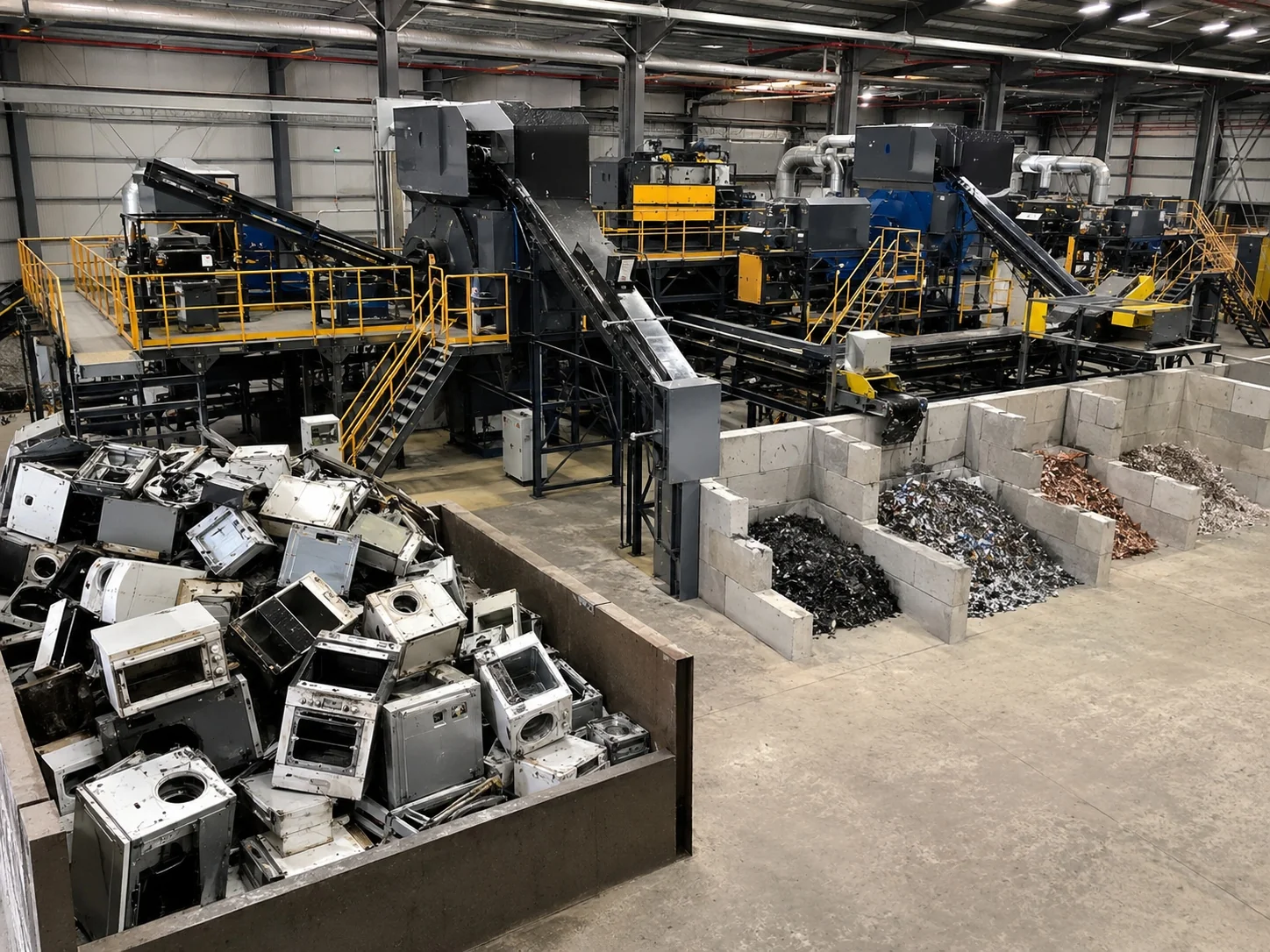
The complete process can include manual pre-treatment, refrigerant recovery, compressor removal and oil draining, primary shredding, secondary crushing, foam air separation, magnetic separation, eddy current separation, gravity separation, dust collection and material discharge.

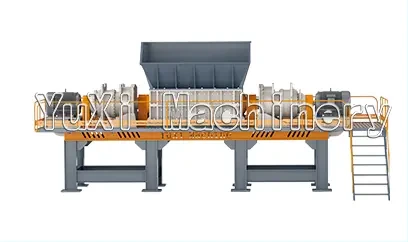
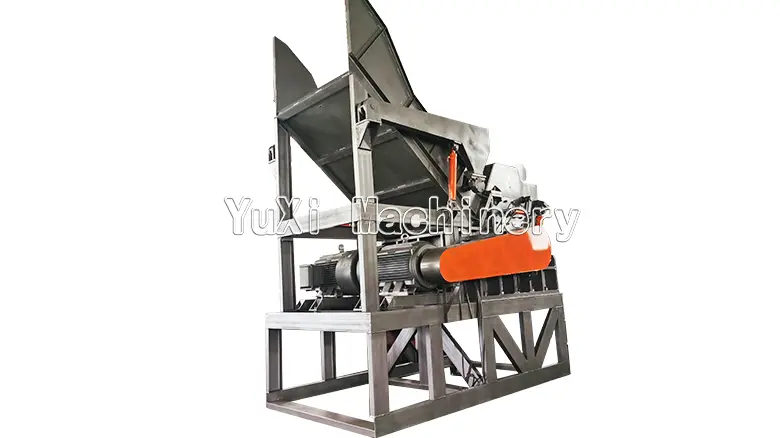
Double shaft metal shredder for waste refrigerator cabinet shredding

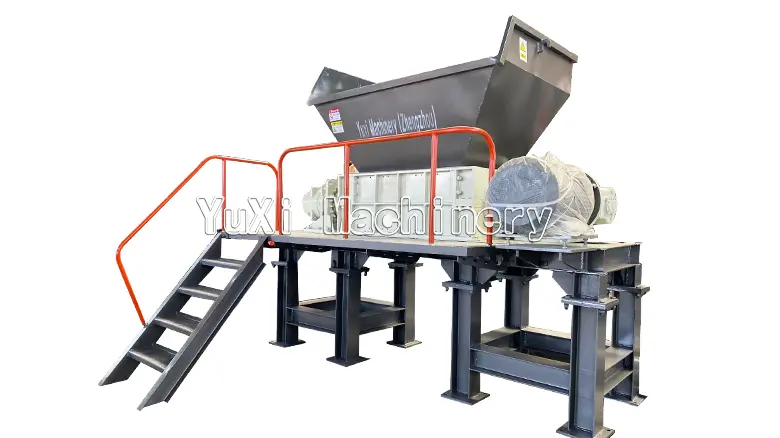
Double Shaft Metal Shredder

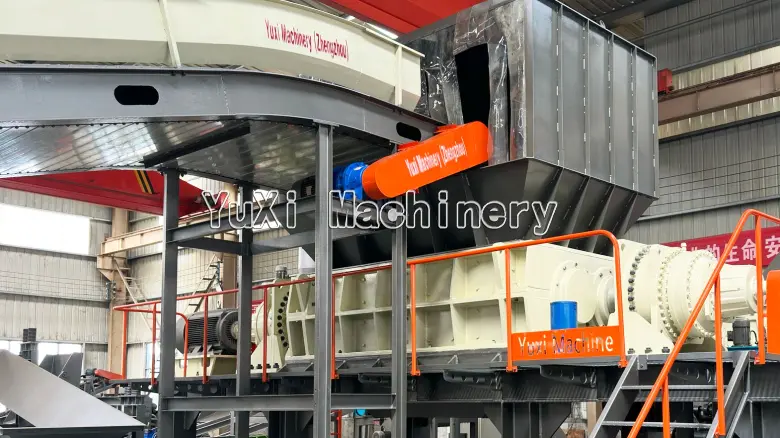
Low-speed, high-torque intermeshing cutters grip and shear pre-treated refrigerator cabinets into approximately 10–25 cm pieces, preparing the material for secondary liberation.

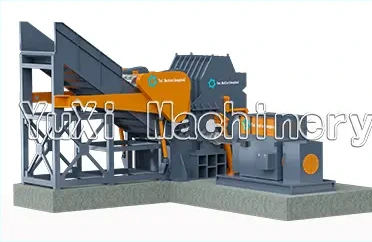
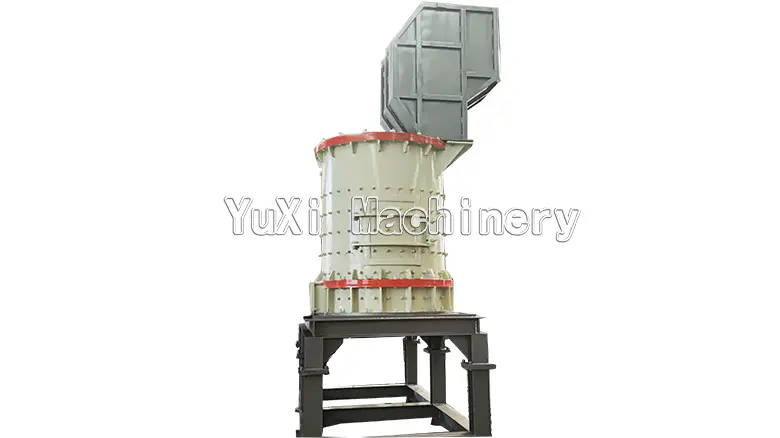
Scrap Hammer Type Metal Crusher

The shredded refrigerator material is crushed again to release steel, plastics, non-ferrous metals and insulation foam, making the downstream sorting stages more effective.

Scrap hammer type metal crusher for secondary refrigerator material crushing
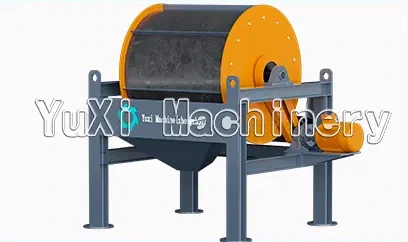
Drum magnetic separator for recovering ferrous metal from refrigerator scrap

Magnetic Separator

A drum magnetic separator removes ferrous steel from the mixed material stream before non-ferrous metal and plastic separation.

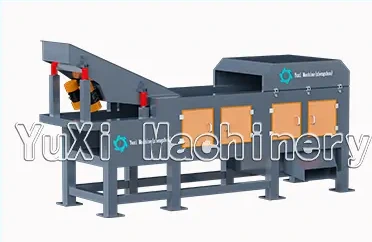
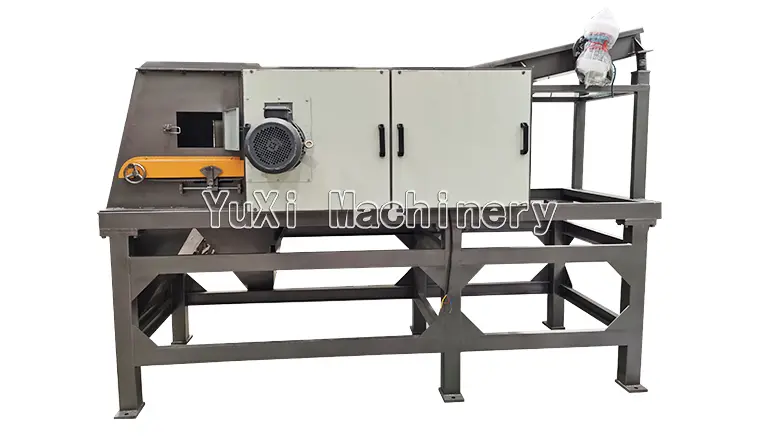
Eddy Current Separator

The eddy current separator recovers conductive non-ferrous metals, including aluminum and copper-bearing pieces, from plastics, foam and other non-metal fractions.

Eddy current separator for non-ferrous metal recovery in a refrigerator recycling line

1

Receiving & Inspection

Identify appliance type, dimensions, damage, remaining parts and cooling-circuit condition.

2

Pre-Treatment

Remove glass, drawers, circuit boards, wiring and other parts unsuitable for cabinet shredding.

3

Refrigerant & Oil Recovery

Recover refrigerant, remove the compressor and collect or drain compressor oil before crushing.

4

Primary Shredding

A low-speed double-shaft shredder opens the bulky refrigerator cabinet into manageable pieces.

5

Secondary Crushing

The crushed stream is further liberated to separate metal sheet, plastic liner and insulation foam.

6

Magnetic Separation

A magnetic separator removes ferrous metal from the mixed refrigerator material.

7

Non-Ferrous & Air Sorting

Eddy current and airflow separation recover conductive metals and remove light foam fractions.

8

Dust Collection & Discharge

Dust and light particles are collected while separated materials discharge into dedicated bins.

Core Equipment

Main Machines in the Waste Refrigerator Recycling Line

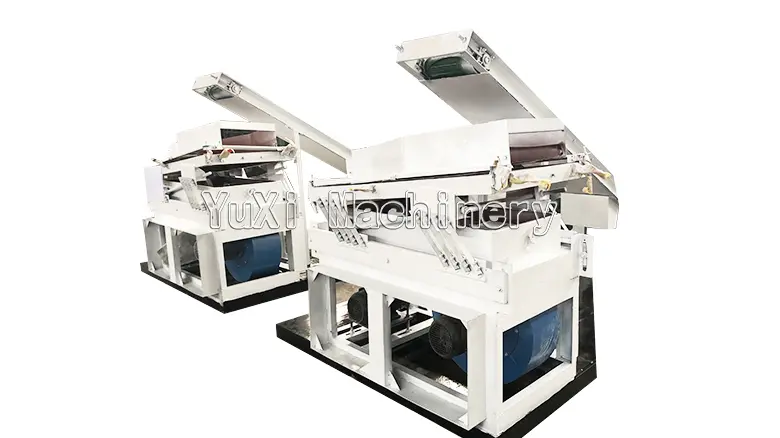
The original YUXI process combines shredding, crushing, magnetic separation, eddy current separation, wind separation and dust control. Each machine is selected according to the actual appliance condition and the required final products.

Double-Shaft Metal Shredder

The primary shredder grips and tears pre-treated refrigerator cabinets using low-speed, high-torque rotary shearing. Chamber size, cutter thickness and drive power are selected around the largest incoming cabinet.

Metal Crusher / Secondary Crusher

The shredded pieces receive further impact and liberation so that attached sheet metal, plastic liner and insulation material can be separated more effectively.

Magnetic Separator

A drum or overband magnetic separator recovers ferrous steel. Stable particle size and controlled material depth improve magnetic recovery.

Eddy Current Separator

The eddy current separator ejects conductive non-ferrous material, including aluminum and copper-bearing pieces, from plastics and other non-metals. Additional sorting may be needed to separate copper and aluminum into individual products.

Airflow and Gravity Separation

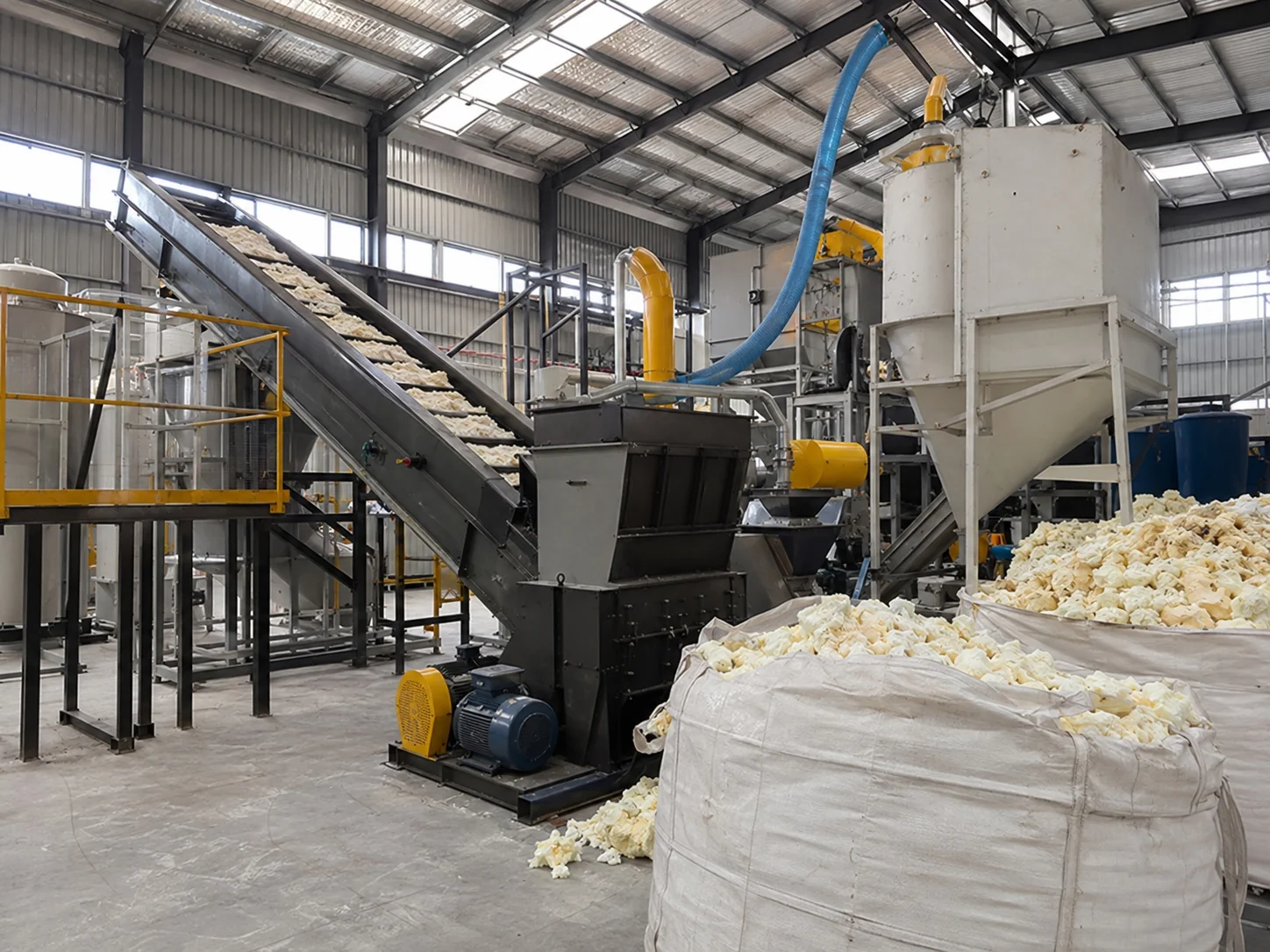
Airflow removes light polyurethane foam and dust, while optional gravity or other fine-separation equipment can improve the non-metal and mixed-metal fractions.

Dust Collection and Central Control

The dust system collects airborne particles. The central PLC system coordinates machine start-up, load monitoring, interlocks, alarms and emergency shutdown.

Advantages

Waste Refrigerator Recycling Line Advantages

01

Dust and Pollution Control

The recovery production line can be equipped with dust removal, foam collection and gas-handling equipment selected for the confirmed feedstock and local requirements.

02

Safety Monitoring

Temperature, load, gas concentration and other monitoring devices can be integrated with graded alarms and safety interlocks where the project requires them.

03

Central Control System

A centrally located control system gives operators visibility into the operating status of the shredder, crushers, conveyors and separators.

04

Wear-Resistant Cutter Design

Cutter material, blade thickness, hook profile and spacing can be selected according to cabinet dimensions, sheet structure and required primary output size.

05

Modular Line Configuration

The project can begin with cabinet shredding or include upstream refrigerant and compressor handling, depending on the buyer's existing facility.

06

Multiple Recovered Fractions

The line is designed to collect steel, non-ferrous metal, plastics, PU foam and removed components as separate downstream material streams.

Final Outputs

Final Products After Refrigerator Recycling

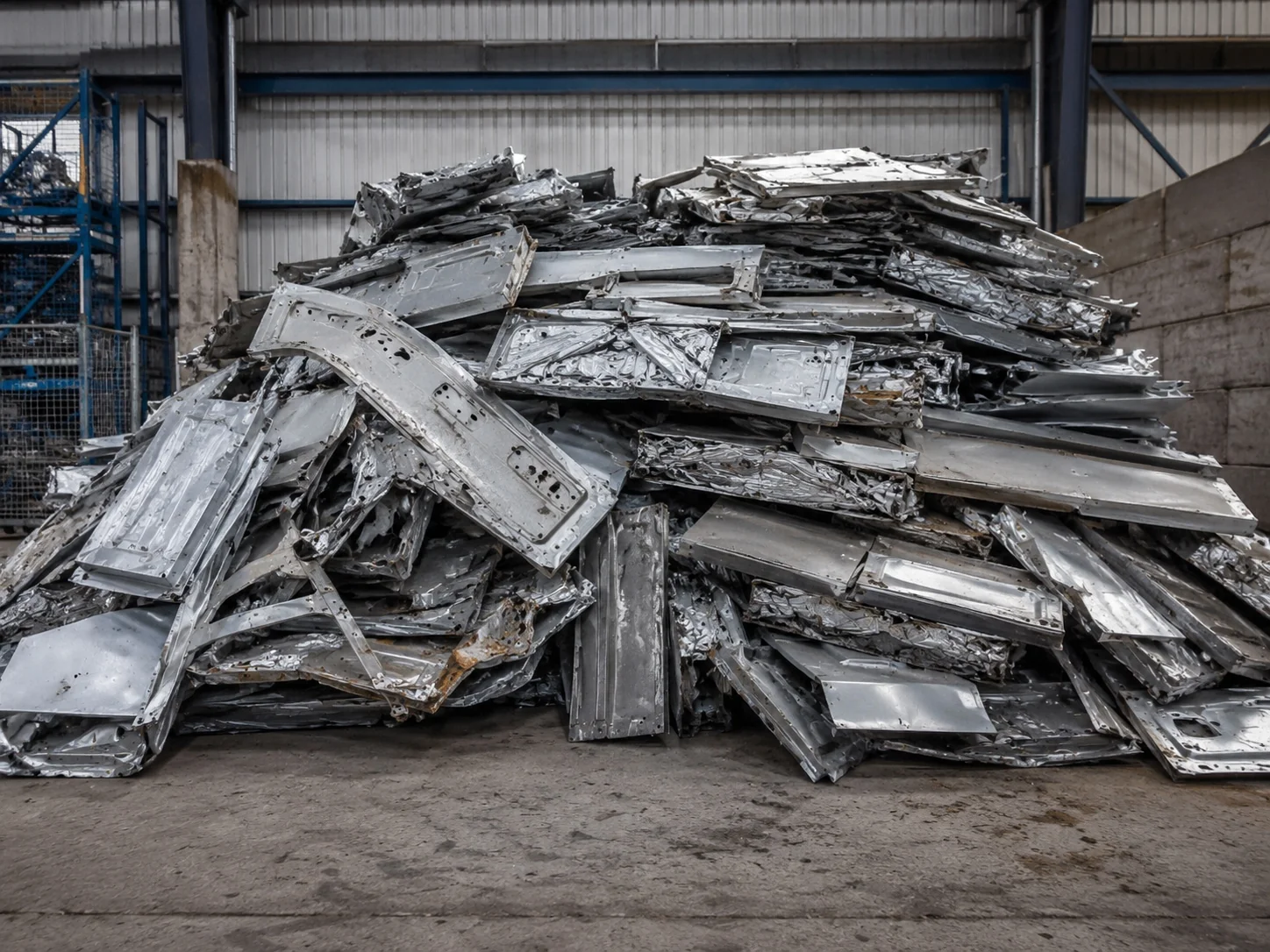
After pre-treatment, crushing and physical separation, waste refrigerators can be converted into multiple reusable materials. The final purity and particle size depend on raw material condition and equipment configuration.

Ferrous metal from refrigerator recycling

Ferrous Metal

Steel shells and magnetic iron materials can be separated by magnetic separator for easier recycling and sale.

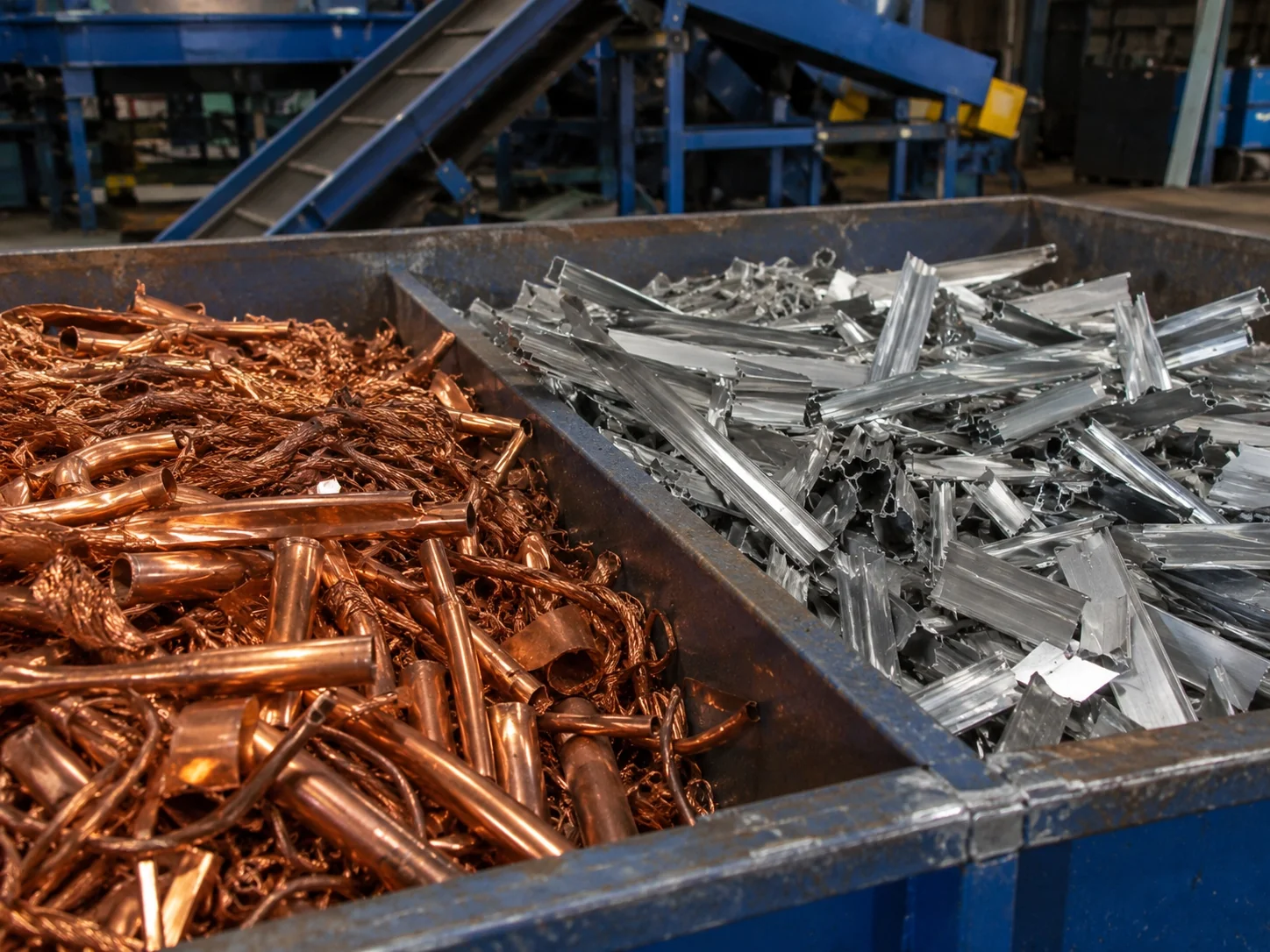
Copper and aluminum from appliance recycling

Copper & Aluminum

Copper tubes, aluminum parts and other non-ferrous metals can be recovered as a mixed conductive fraction for further sorting.

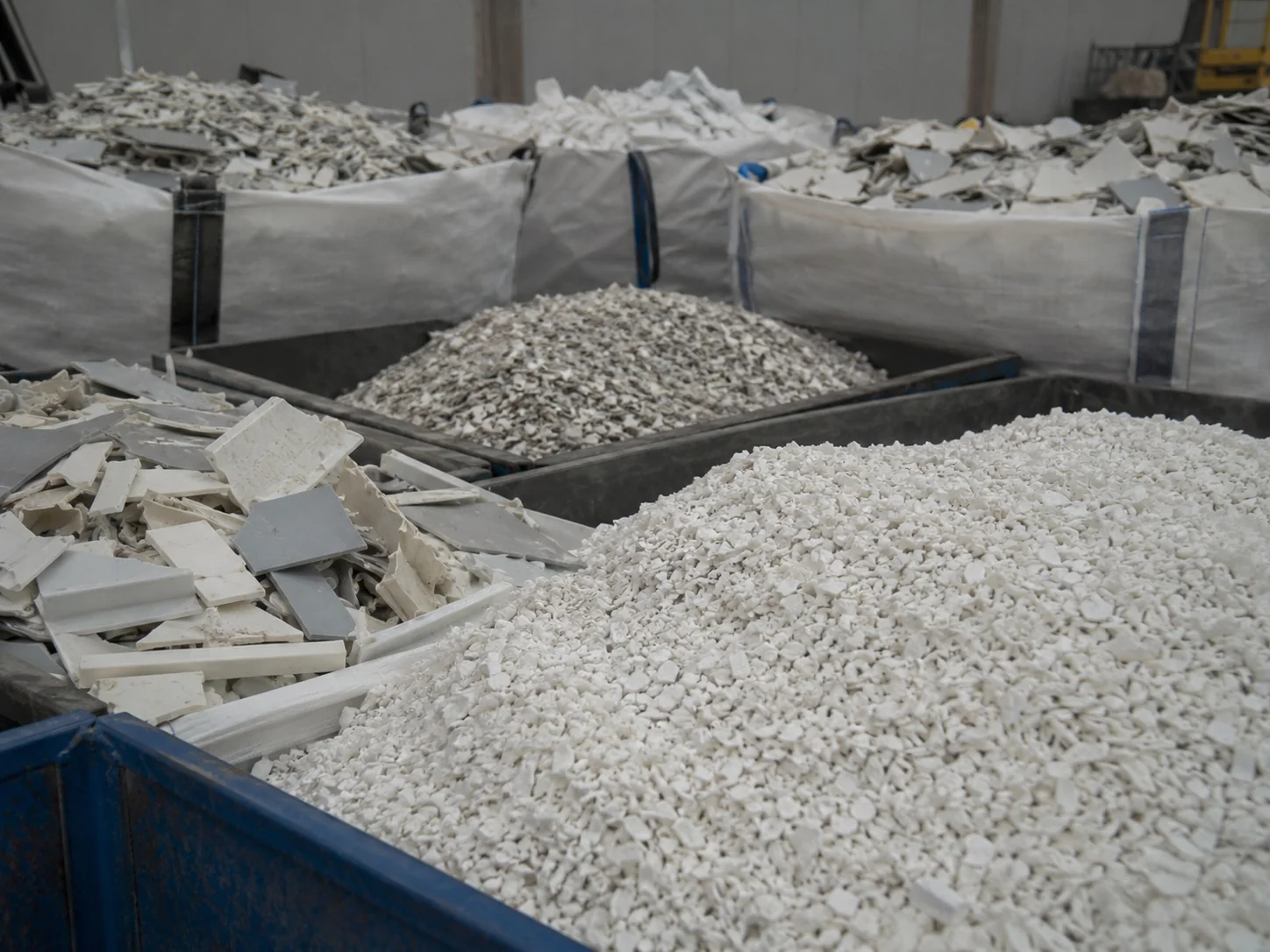
Plastic from refrigerator recycling

Plastic Materials

Plastic liners, drawers and panels can be collected as recyclable plastic fractions after size reduction and separation.

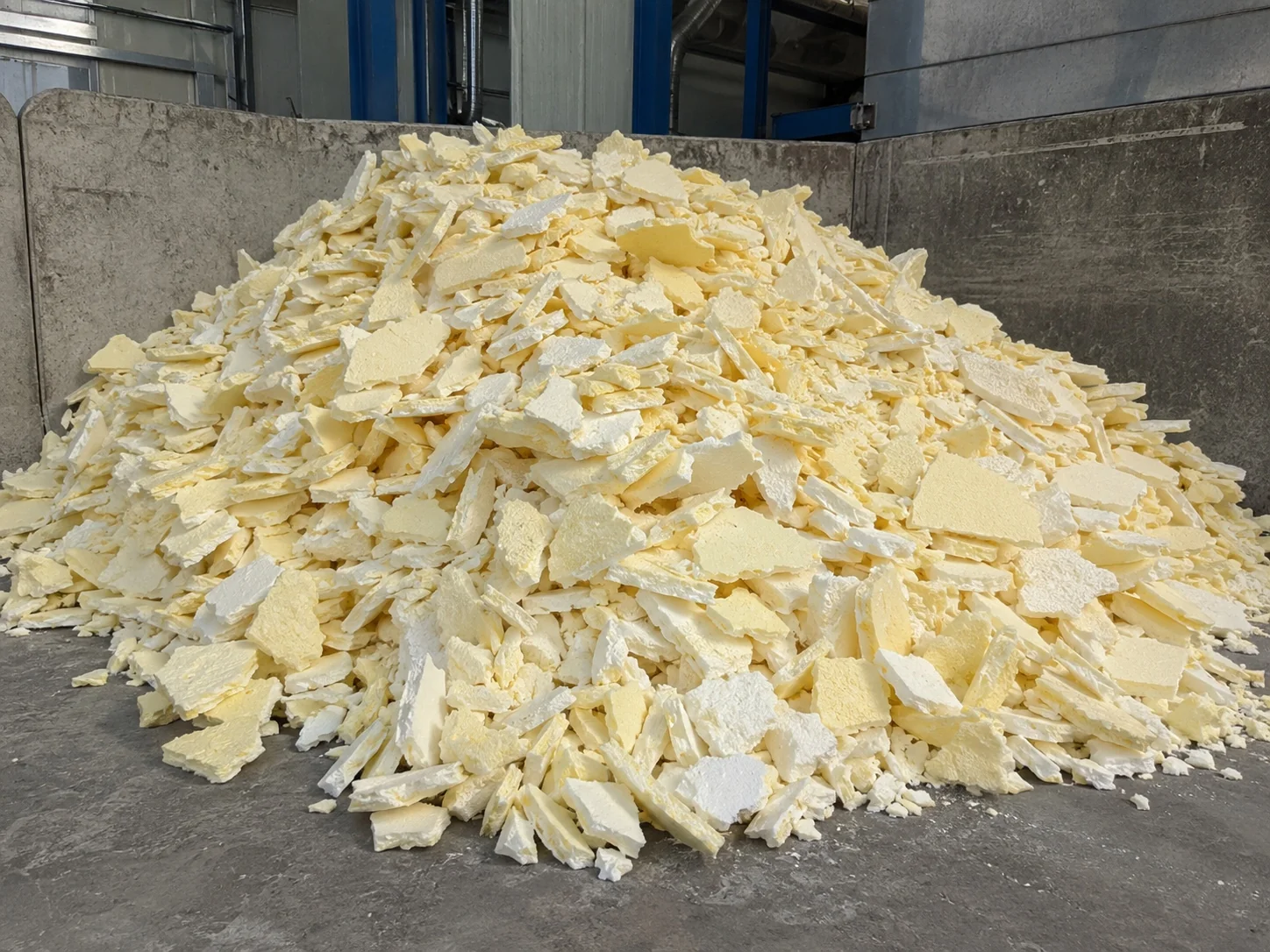
Polyurethane foam from refrigerator recycling

PU Foam

Insulation foam can be extracted by airflow separation and collected through the foam collection system.

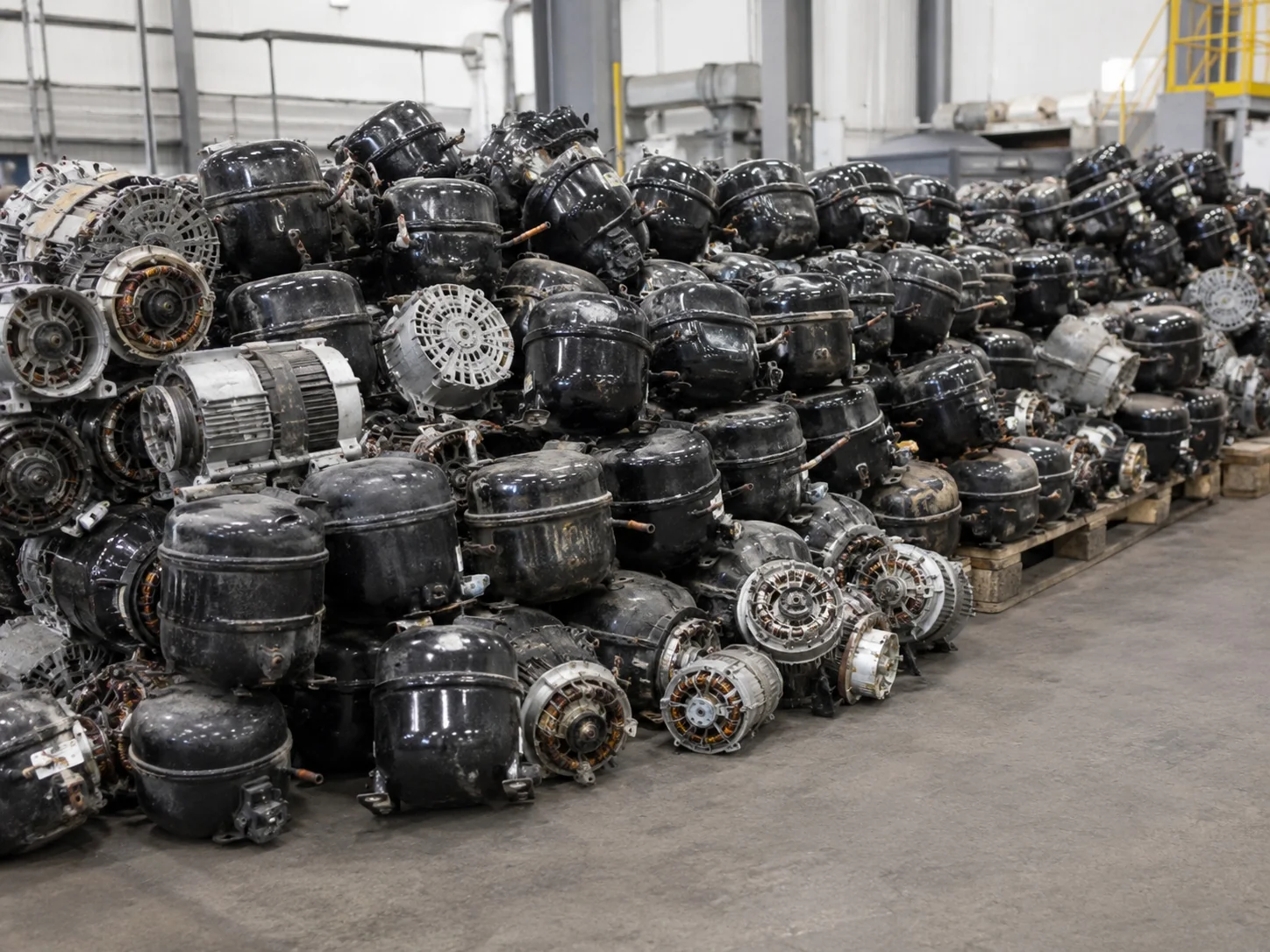
Compressor and motor parts from refrigerator recycling

Compressors & Motors

Compressors can be removed during pre-treatment and drained for oil before further metal recovery.

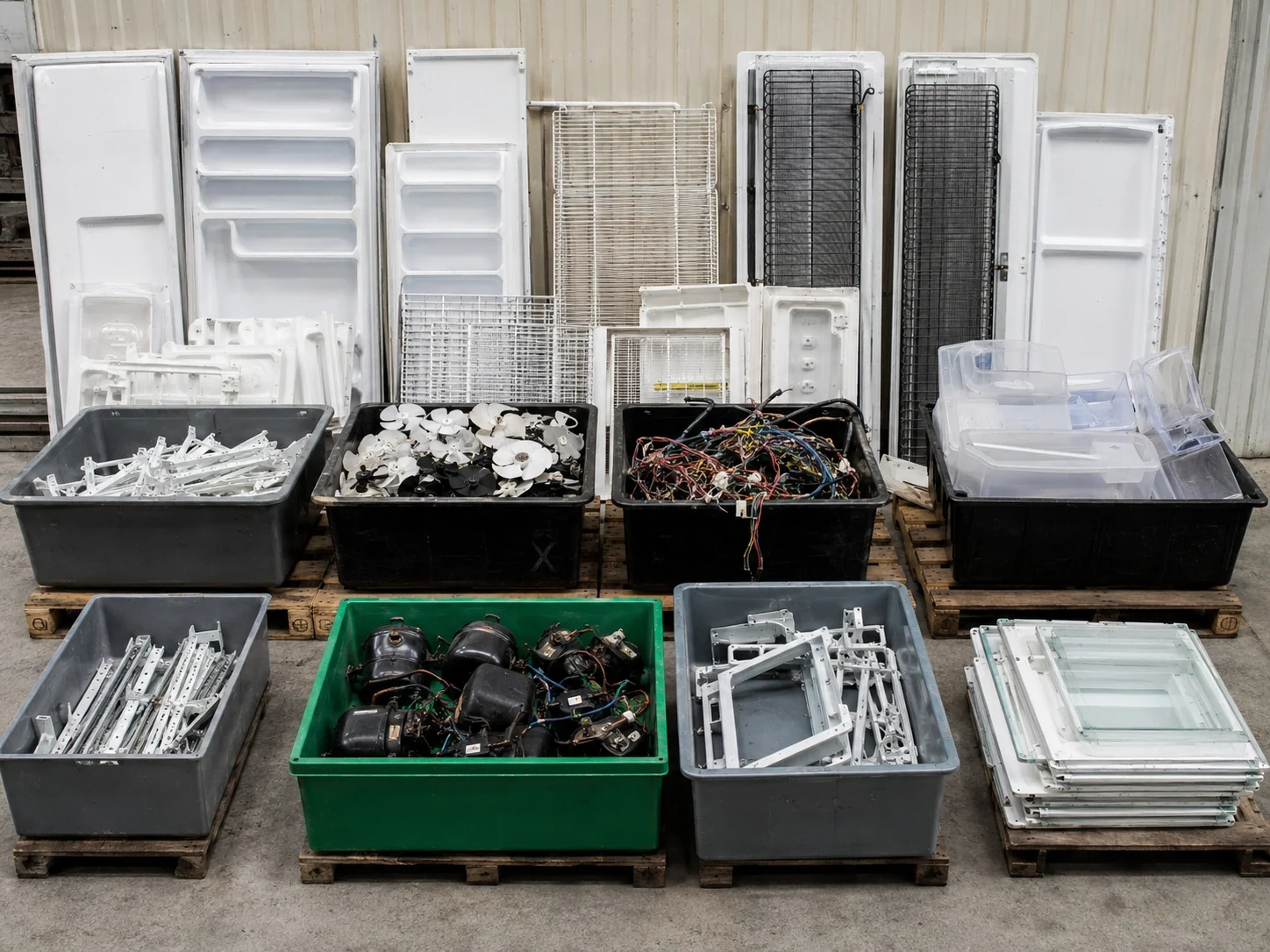
Circuit boards wires glass and oil from appliance recycling

Dismantled Parts

Circuit boards, wires, copper pipes, glass shelves and compressor oil can be separately collected for downstream handling.

Line Selection

How to Configure the Right Refrigerator Recycling Plant

A meaningful quotation requires more than a requested motor power or headline capacity. YUXI needs to understand the appliances, the pre-treatment already completed and the material products the buyer expects to sell.

Information to Send YUXI

  • Photos and videos of incoming refrigerators and freezers
  • Average and maximum appliance dimensions
  • Whether refrigerant, compressors and oil are already removed
  • Required capacity in appliances/hour and tonnes/hour
  • Target output fractions and required cleanliness
  • Workshop length, width, clear height and electrical supply
  • Local dust, emissions and safety requirements

Items to Confirm in the Proposal

  • Exact supply boundary between pre-treatment and mechanical processing
  • Feed acceptance criteria and excluded materials
  • Primary and secondary particle-size ranges
  • Installed power and utility demand
  • Dust, foam and gas-control configuration
  • Wear parts, spare parts and maintenance access
  • Installation, commissioning and operator-training responsibilities
Capacity note: Compare suppliers using the same feed condition. A capacity stated for evacuated cabinets is not directly comparable with a figure stated for complete refrigerators that still require dismantling and refrigerant handling.

Project Solutions

Waste Refrigerator & Household Appliance Recycling Project Configurations

YUXI can provide project solutions for WEEE recycling plants, appliance dismantling factories, scrap metal processors and integrated solid waste recycling projects. The following cards retain the original application scenarios while presenting them as typical configurations rather than unverified completed case studies.

Waste refrigerator recycling project

Waste Refrigerator Recycling Project

A complete processing line for refrigerator pre-treatment, cabinet shredding, foam collection and metal-plastic separation.

Customer Type: WEEE recycling plant
Raw Material: Waste refrigerators and freezers
Configuration: Dismantling platform, refrigerant recovery, shredder, vertical crusher, air separator, magnetic separator and eddy current separator
Final Output: Steel, copper-bearing and aluminum-bearing fractions, plastic, PU foam and dismantled parts
Household appliance recycling project

Household Appliance Recycling Project

A customized recycling system for mixed bulky household appliances and appliance cabinets.

Customer Type: Appliance recycling company
Raw Material: Refrigerators, cabinets and selected appliance scrap
Configuration: Feeding, shredding, crushing, magnetic separation and non-ferrous sorting
Final Output: Ferrous metal, non-ferrous metal, plastics and impurities
Refrigerator cabinet crushing and separation project

Refrigerator Cabinet Recycling Project

A physical recycling solution for pre-treated refrigerator bodies after refrigerant recovery and compressor removal.

Customer Type: Scrap yard and dismantling workshop
Raw Material: Pre-treated refrigerator cabinets
Configuration: Double-shaft shredder, vertical crusher, foam separator, magnetic separator and dust collector
Final Output: Steel, foam, plastics and non-ferrous metals
Compressor and metal recovery project

Compressor & Metal Recovery Project

A supporting solution for compressor removal, oil draining and downstream metal recovery from appliance dismantling.

Customer Type: Appliance dismantling plant
Raw Material: Compressors, motors, wires and copper tubes
Configuration: Dismantling station, oil draining station and metal separation equipment
Final Output: Copper, steel, motor parts and collected oil
Foam separation project for refrigerator recycling

Foam Separation Project

A dedicated configuration for extracting polyurethane foam from crushed refrigerator cabinets.

Customer Type: Refrigerator recycling facility
Raw Material: Crushed refrigerator cabinet materials
Configuration: Air separator, foam collection, cyclone and dust collection system
Final Output: PU foam, cleaner metals and plastic fractions
Integrated WEEE recycling project

Integrated WEEE Recycling Project

A complete solid waste recycling solution for refrigerators and selected household electrical appliances.

Customer Type: Integrated recycling center
Raw Material: Refrigerators, freezers and approved WEEE streams
Configuration: Pre-treatment, shredding, crushing, magnetic separation, eddy current and gravity separation
Final Output: Reusable metals, plastics, foam and dismantled components

FAQ

Waste Refrigerator Recycling Line Questions

Can complete refrigerators be placed directly into the shredder?

Complete appliances normally require inspection, refrigerant recovery, compressor removal, oil handling and removal of unsuitable components. Pre-treated cabinets can then enter the mechanical shredding and separation line.

Does the refrigerator recycling line include refrigerant recovery?

It can be included in an integrated project, but the quotation must define the supply boundary. A cabinet shredding line and a complete refrigerator depollution plant are different configurations.

Can the same line process freezers and other household appliances?

Freezers can usually be included after confirming dimensions and construction. Washing machines and other white goods may share selected machines, but their preparation and material balance differ from refrigerators.

How are copper and aluminum recovered?

Removed copper tubes and wires can be collected during pre-treatment. After shredding, an eddy current separator recovers a conductive non-ferrous fraction. Extra sorting may be required to produce separate copper and aluminum products.

How is PU foam separated?

Secondary crushing liberates insulation material from steel and plastic. A controlled airflow system extracts the lighter foam and transfers it to the foam collection and dust-control section.

How should plant capacity be stated?

Use both appliances per hour and tonnes per hour, together with average appliance weight and feed condition. This avoids comparing complete refrigerators with already evacuated cabinets.

What information is required for a quotation?

Provide appliance photos, size and weight range, pre-treatment condition, desired throughput, required final products, workshop layout, electrical supply and local safety or emissions requirements.

Plan Your Waste Refrigerator Recycling Line

Send YUXI your refrigerator and freezer samples, pre-treatment condition, required capacity, target outputs and workshop dimensions. We will use this information to prepare a suitable process and equipment configuration.

Review the Process

Waste Refrigerator Recycling Line Guides
need some help?
  • We are here for your questions anytime 24/7, welcome your consultation.
  • Parts of original factory.
  • Installation and maintenance.
  • Latest price of crushers.
  • Operation training.
What are your preferences or customization needs?
  • *
  • *

Submit Your Inquiry

* Required fields

+86-13674998188
WhatsApp:+86 13674998188