




 Request Quote


The operating cost of a refrigerator recycling line is not one fixed cost per appliance. It changes with the condition of the incoming refrigerators, the process boundary, actual utilization, electricity, labor, cutter and crusher wear, filters and foam handling, refrigerant and oil handling, maintenance downtime, residue disposal and the product quality the plant is expected to achieve.
What Counts as Refrigerator Recycling Operating Cost?
Operating expenditure, or OPEX, is the money required to keep the plant processing material after it has been installed.
| Cost group | Typical items | Best way to track it |
|---|---|---|
| Direct variable cost | Electricity, filters, consumables, residue treatment, outsourced refrigerant handling | Per processed unit or per tonne |
| Labor-linked cost | Receiving, depollution, loading, control, quality checks, housekeeping | Labor hours per accepted unit / tonne |
| Wear and maintenance | Shredder cutters, hammers, liners, screens, belts, bearings, lubrication, service labor | Cost per operating hour and per tonne |
| Utilization-related fixed cost | Staffed shift time, building allocation, supervision, planned maintenance resources | Divide by actual accepted annual volume, not theoretical volume |
Start With the Process Boundary: Complete Refrigerators or Pre-Treated Cabinets?
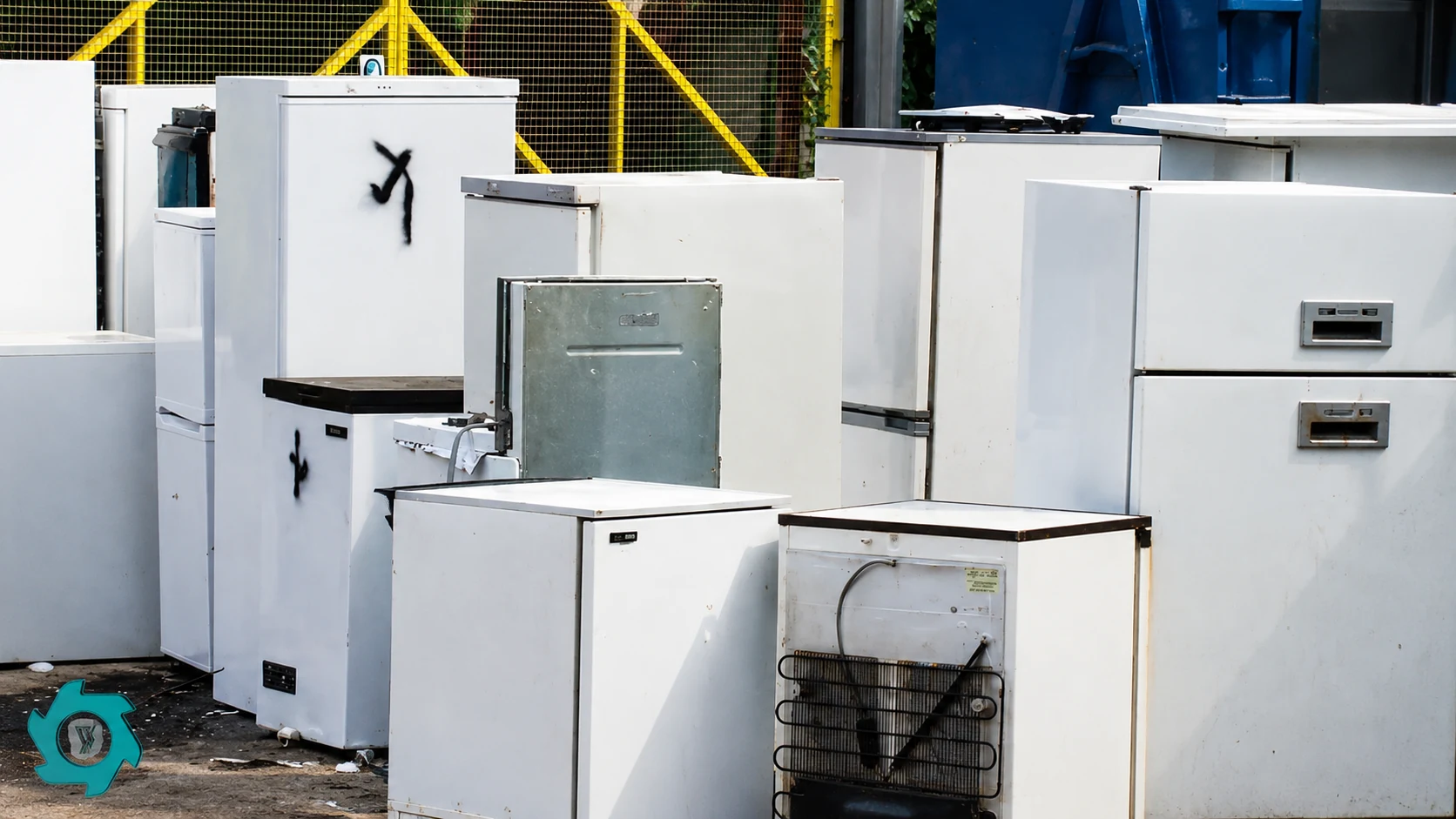
The same phrase, “refrigerator recycling line,” can describe two different operating systems. The mechanical section may receive cabinets after refrigerant, compressor oil and unsuitable components have already been removed. An integrated refrigerator recycling system may receive complete end-of-life refrigerators and include upstream depollution before mechanical shredding.[1]
Mechanical line for pre-treated cabinets
The cost of operation focuses on shredding, feeding, foam extraction, secondary liberation, magnetic and non-ferrous separation, dust collection and product handling.
Watch: cutters, electricity, crusher wear, separators, filters, downtime and residue quality.
Integrated line for complete appliances
Front-end receiving, inspection, refrigerant recovery, compressor removal, oil handling and component removal add labor, equipment time, storage, records and handling before cabinet shredding begins.[2]
Watch: operator minutes per unit, refrigerant service costs, container handling and the balance between manual and automated work.
1. Capacity Utilization Can Change Cost per Unit More Than Nameplate Capacity
A factory’s brochure shows a high units-per-hour number, this does not mean that they earn low unit cost simply. During a staffed shift, the line may spend time waiting for feed, changing bins, clearing non-conforming items, replacing a filter, cleaning separators, inspecting a jam or waiting for a downstream section to restart. Labor and facility costs continue during many of those periods.
For operating-cost work, track productive tonnes or accepted units against staffed time. If a large line runs far below its practical throughput because refrigerator supply is irregular, labor and fixed plant costs are spread across fewer units. A smaller balanced line can therefore have a lower cost per refrigerator than an oversized line that spends much of the week underfed.
Measure the bottleneck, not the largest machine:
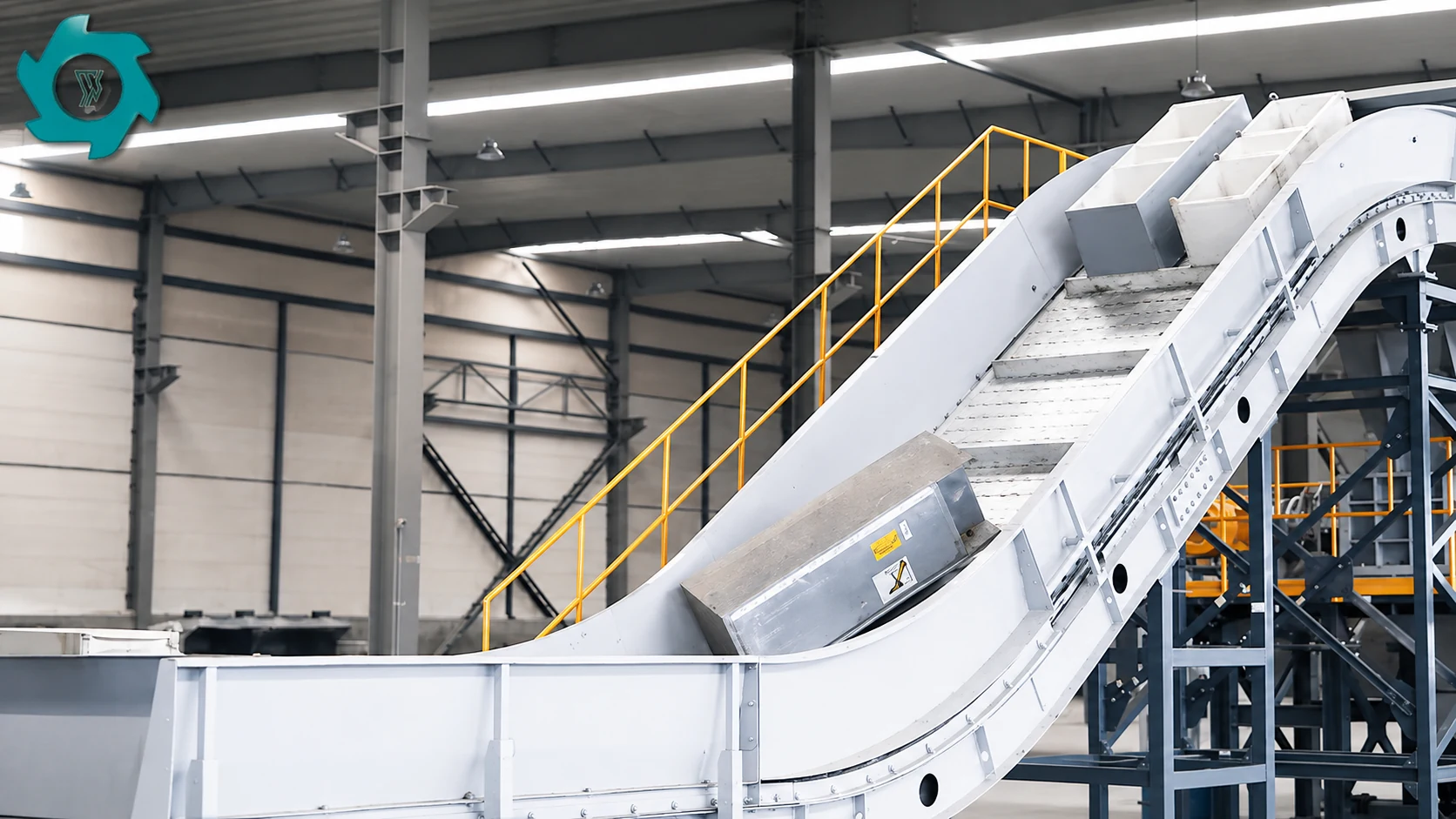
The primary shredder may have spare capacity while the depollution station, secondary crusher, air system, separator belt or discharge-bin change is the real limit. Record stoppage cause and duration. A cost model that assumes every machine runs at its individual rated capacity can understate the real cost per unit.
2. Labor Cost Depends on Feed Condition and Material-Handling Design
A complete refrigerator project can require receiving and identification, removal of shelves and unsuitable loose parts, refrigerant and oil work, compressor handling, loader or forklift movement, control-room operation, quality inspection, housekeeping and routine maintenance.
| Work area | What increases labor demand | What can reduce wasted labor |
|---|---|---|
| Receiving and inspection | Mixed appliance sizes, unknown refrigerants, damaged units, non-standard WEEE[3] | Feed acceptance rules, staging lanes and visible identification workflow |
| Depollution | Complete refrigerators, variable compressor access, manual component removal | Ergonomic stations, clear task sequence and dedicated collection points |
| Mechanical processing | Hand feeding, repeated jam clearing, unstable downstream burden depth | Controlled conveyors, interlocks and balanced machine capacities |
| Finished material | Small bins, frequent forklift moves, cross-contamination, rejected loads | Correct bin volume, clean material routes and defined quality checks |
Automation can reduce the handling of repetition, but it does not mean a cheaper option. Maintenance points can be added because of actuators, sensors, conveyors and control logic. The best level of automation is stabilized feed or remove a real labor bottleneck without making the line unnecessarily complex.
3. Electricity Cost Must Be Based on Metered kWh, Not Installed kW
Installed power is a design and electrical-supply figure. It is not the same as energy consumed during a shift. A motor may run below full load, cycle with material flow or sit idle while an upstream stage is stopped. At the same time, fans, dust collectors, conveyors and compressed-air systems can continue drawing power even when the primary shredder is not heavily loaded.
Useful electrical metrics are:
- kWh per accepted refrigerator for plants managed primarily by appliance count;
- kWh per processed tonne for comparing material throughput;
- kWh during productive time versus idle time to expose waiting losses; and
- peak demand where the local electricity tariff includes demand charges.
4. Cutter, Hammer and Wear-Part Consumption Is a Feedstock Cost
Refrigerator cabinets are light compared with many heavy scrap streams, but the line still sees sheet metal, frames, fasteners, wiring, compressor-related pieces and occasional unsuitable objects. Wear cost rises when the actual incoming stream is harder, dirtier or less controlled than the feed used to select the equipment.
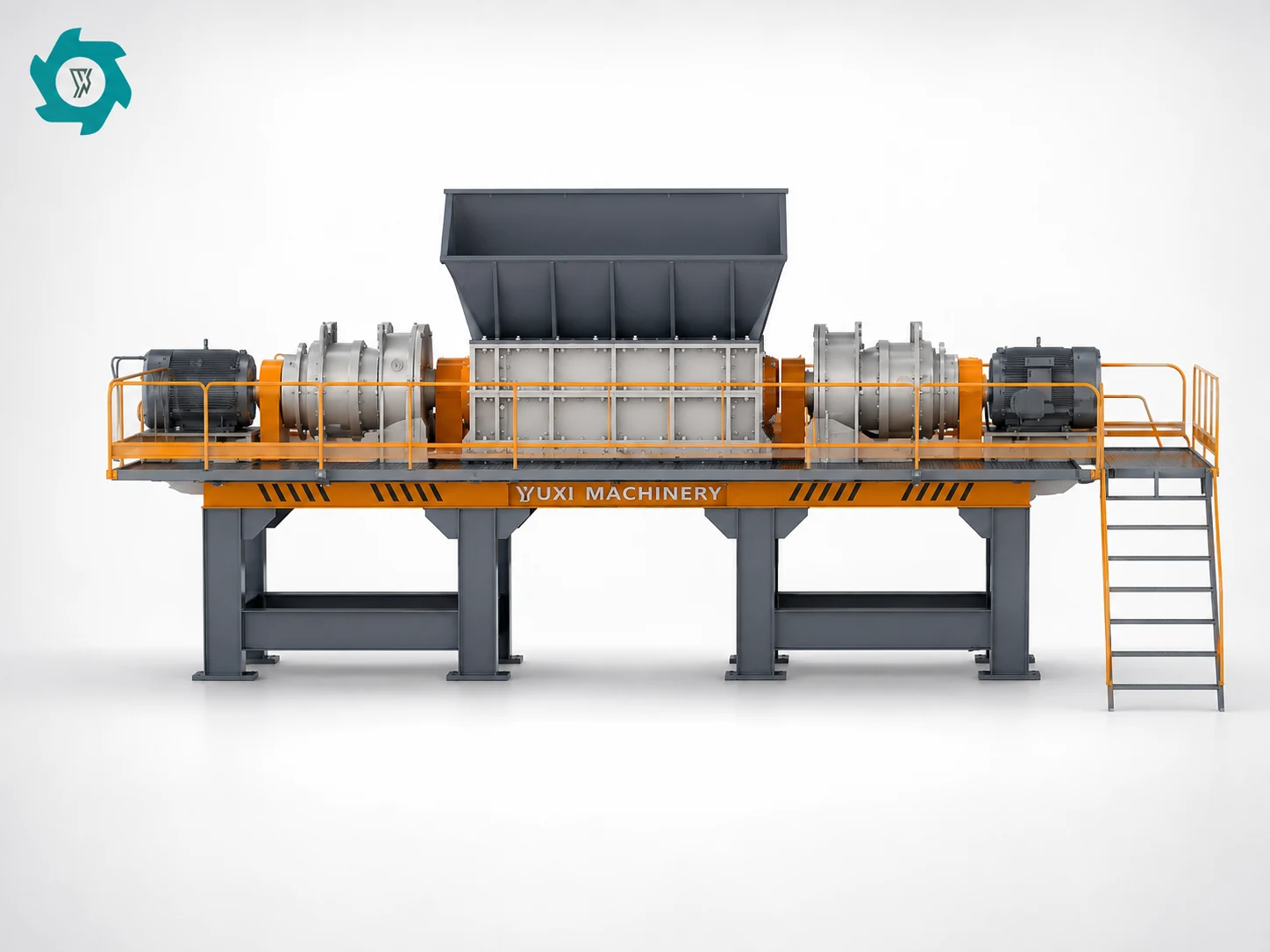
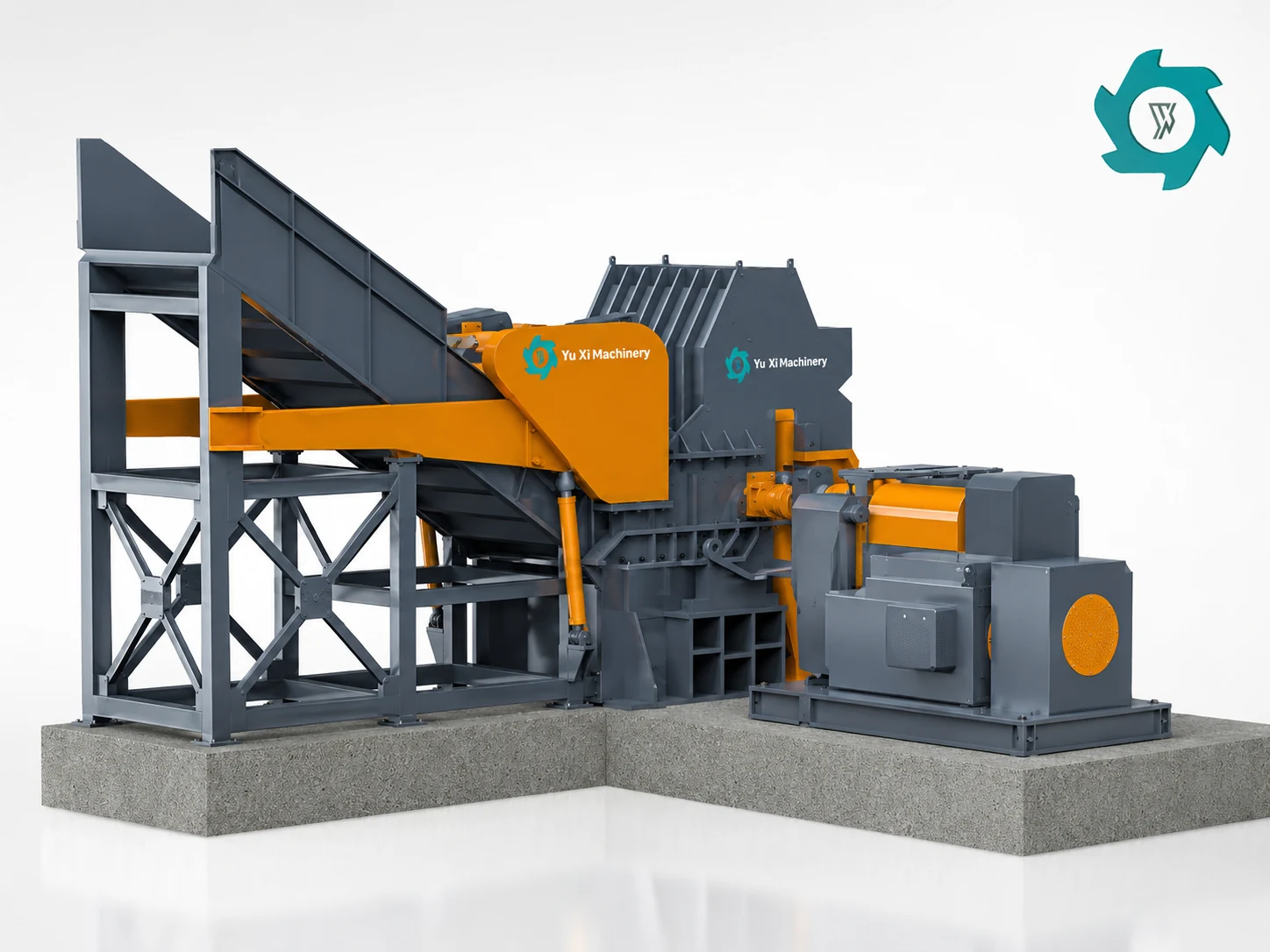
A useful maintenance ledger records the tonnes or accepted units since the last cutter rotation, rebuild, hammer replacement, screen change or major bearing work. That makes it easier to compare different feed batches and to identify whether a rising wear rate is linked to contamination, overfeeding or a change in material structure.
Do not optimize one wear part in isolation:
Extending cutter life by producing very large primary pieces may move the problem downstream. The secondary crusher can receive a less stable feed, the air system may struggle to release foam cleanly, or separators may see a deeper and less uniform burden. Whole-line cost is more useful than the life of one component.
5. Filters, PU Foam and Gas-Handling Systems Create Ongoing Consumable Cost
Polyurethane insulation becomes a light, bulky fraction after cabinet liberation. Fans, cyclones, ducts, filters, collection containers and, where fitted, foam compaction or gas-treatment equipment need inspection and consumables. Filter replacement frequency depends on dust loading, cleaning method and the actual material stream.
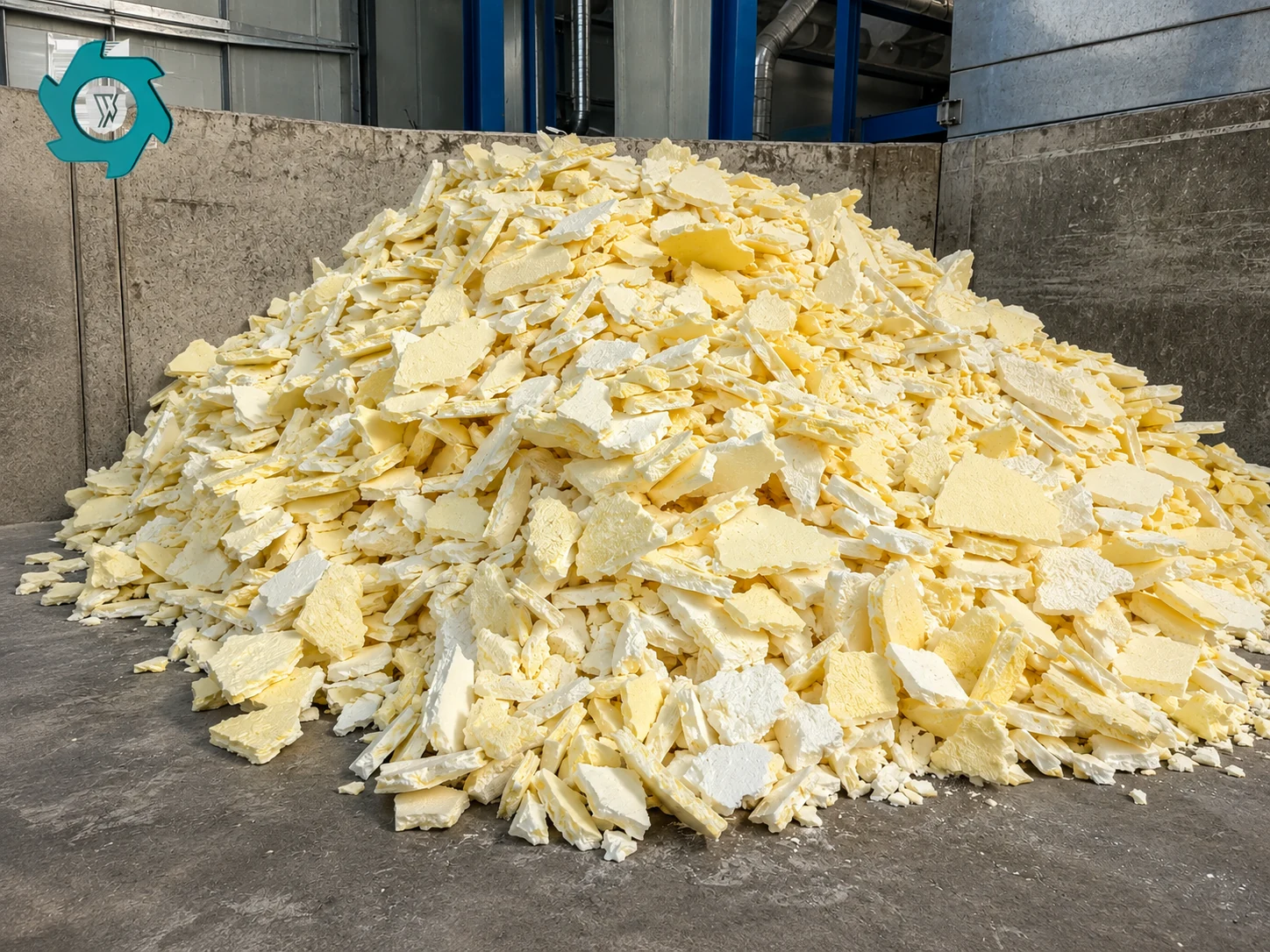
Legacy refrigerants, newer HFCs and hydrocarbon refrigerants can create different recovery and safety requirements, while foam blowing-agent treatment is a separate process decision. The plant’s safety system should be defined for the actual appliance mix and local rules.
In the United States, EPA safe-disposal rules require the final disposer to ensure that refrigerant is recovered before final disposal of household refrigerators and freezers. That means refrigerant recovery, documentation, cylinders, service or reclamation arrangements can be real operating-cost items when those duties sit inside the recycling plant’s scope.
6. Maintenance Downtime Has Two Costs: Repair Spend and Lost Throughput
A bearing, belt or sensor can be inexpensive compared with a shredder cutter set, yet it can still stop a connected line. When the bottleneck stops, paid operators may wait, collected refrigerators continue to occupy floor space and the annual volume available to absorb fixed costs falls.
Planned maintenance
Schedule lubrication, inspections, torque checks,filter changes, wear-part work and belt tracking before deterioration becomes a production stop.
Critical spares
Keep items that can stop the line and have long lead times: sensors, belts, bearings, seals, selected drive parts and project-specific wear components.
Maintenance access
Crane reach, service doors, platforms and removal space affect labor hours. A component that takes one shift to reach can cost more than the component itself.
For each stop, log the failed component, root cause, repair labor hours, parts used and lost productive hours. A repeatable stoppage should trigger a process review instead of being treated as normal maintenance.
7. Residue Disposal and Product Quality Can Move the Economics in Opposite Directions
Separation quality affects costs in two ways. First, low-value residue can carry a treatment or landfill charge. Second, valuable metal left in that residue is lost revenue. At the same time, adding more separation stages consumes power and adds belts, sensors and maintenance points. The correct target is therefore not “maximum separation at any cost”; it is the product specification that creates the best project economics for the local buyers and disposal route.
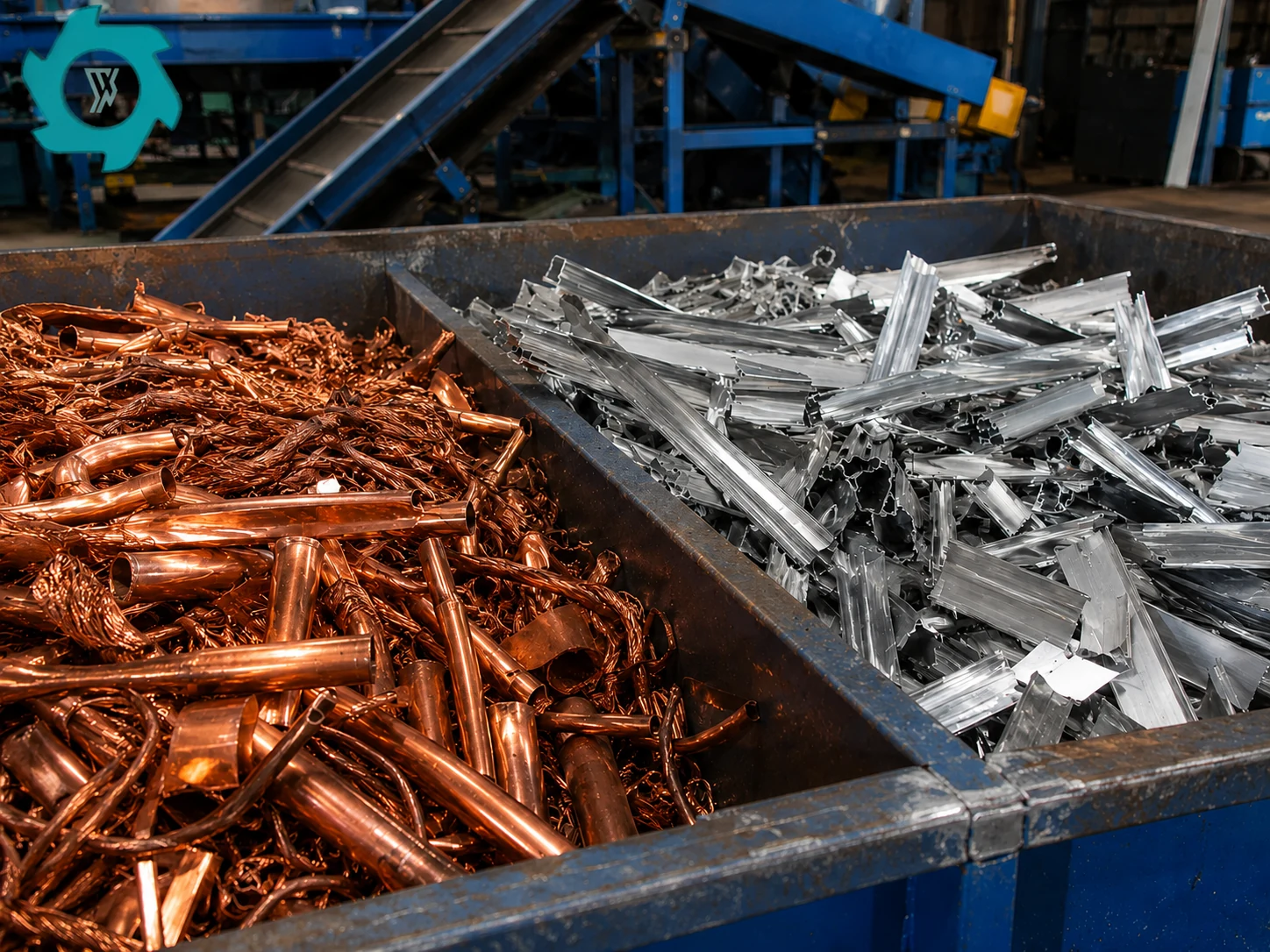
Measure contamination in each saleable stream and periodically inspect residue for recoverable metal. An eddy-current separator can recover a conductive non-ferrous fraction, but separate copper and aluminum products may need additional sorting. Do not build the operating model around a purity claim that has not been defined by sampling method and product specification.
8. Site Utilities and Handling Costs Are Easy to Omit
Depending on the project, the operating model may also need compressed air, nitrogen or another inerting utility, fuel or forklift electricity, lubricant, bags or containers, PPE, cleaning supplies, waste skips, inspection services, floor-space allocation and local environmental monitoring. This does not mean every factory needs all the items, but every recurring resource should have an owner and a cost code.
How to Build a Cost-per-Refrigerator Model
| Input | What to enter | Why it matters |
|---|---|---|
| Annual accepted units | Only refrigerators/freezers that actually enter the defined process | Denominator for cost per appliance |
| Annual accepted tonnes | Scale or verified average mass × accepted units | Denominator for cost per tonne |
| Productive operating hours | Measured processing time after planned and unplanned stops | Exposes under-utilization |
| Labor | Operators × paid hours × fully burdened hourly cost | Captures front-end and line staffing |
| Electricity | Metered annual kWh × local tariff | Avoids using installed kW as consumption |
| Wear parts | Annual cutters, hammers, screens, belts, bearings and rebuild spend | Links feed duty to mechanical cost |
| Filters/consumables | Filter media, carbon where applicable, bags, lubricants and process consumables | Captures dust/foam/gas system duty |
| Maintenance labor | Internal hours plus external service | Shows the cost of serviceability |
| Refrigerant/oil handling | Recovery, cylinders, storage, transport, reclamation or disposal where applicable | Depends on local rules and scope |
| Residue | Residue tonnes × net treatment/disposal cost | Connects separation quality to OPEX |
Cost per accepted refrigerator = (annual direct OPEX + allocated operating overhead) ÷ annual accepted refrigerator count
Cost per processed tonne = (annual direct OPEX + allocated operating overhead) ÷ annual accepted tonnes
If annual maintenance includes a major scheduled cutter rebuild, the processed volume should cover the same year. If a short commissioning test is used, do not annualize one easy batch as if it represents the full refrigerator mix.
Common Operating-Cost Mistakes
Using nameplate throughput
Dividing annual cost by theoretical units per hour ignores feed shortages, cleaning, maintenance, reject handling and downstream bottlenecks.
Using installed kW as the electricity bill
Installed motor power does not equal metered energy. Use kWh over the same period as measured production.
Leaving depollution labor out
A whole-appliance line and a pre-treated-cabinet line do not have the same operating boundary.
Ignoring residue cost
Poor separation can create both higher disposal cost and lower recovered-metal revenue.
Assuming automation means zero labor
Inspection, component handling, quality checks, maintenance and housekeeping remain real tasks.
Counting material revenue as negative OPEX
Keep operating cost and product sales separate, then combine them later in the ROI or margin model.
FAQ: Refrigerator Recycling Operating Cost
How do I calculate the operating cost per refrigerator?
Add labor, metered electricity and utilities, wear parts, routine maintenance, filters and consumables, refrigerant/oil/foam handling, residue treatment and allocated operating overhead for the same period. Divide that total by the number of accepted refrigerators processed in that period.
How much electricity does a refrigerator recycling line use?
There is no reliable universal kWh figure because the answer changes with feed condition, plant scope, throughput, crusher duty, airflow and dust systems, separation depth and utilization. Measure the complete connected line and report kWh per accepted unit and per tonne.
Does higher automation always reduce operating cost?
No. Adding automation is not always the best answer. It can save operators from doing the same work repeatedly and help keep feeding more stable, but it also brings extra sensors, controls and maintenance work. We normally consider automation when there is a real issue to solve, such as high labor demand, safety risks or inconsistent operation.
Should refrigerant recovery be included in the operating-cost model?
Yes when refrigerant recovery is inside the plant’s process boundary. If the buyer receives documented pre-treated cabinets, that cost may sit upstream instead. Define the boundary before comparing suppliers or sites.
What is usually the biggest operating-cost driver?
There is no single driver for every project. Low utilization can amplify labor and fixed costs, expensive electricity can dominate an energy-intensive line, and uncontrolled feed can raise wear and downtime. The useful approach is to meter and allocate each major cost under the actual appliance mix.
Build the Operating-Cost Model Before Selecting the Line
Send YUXI your appliance photos, pre-treatment condition, expected annual volume, required units/hour and tonnes/hour, shift pattern, local electricity and labor costs, target recovered fractions and workshop constraints. We can review the process boundary and equipment configuration against the cost drivers that matter at your site.
Technical References
- U.S. EPA — appliance disposal.
- U.S. EPA — refrigeration safe disposal.
- EU WEEE Directive — WEEE treatment framework.