* Required fields
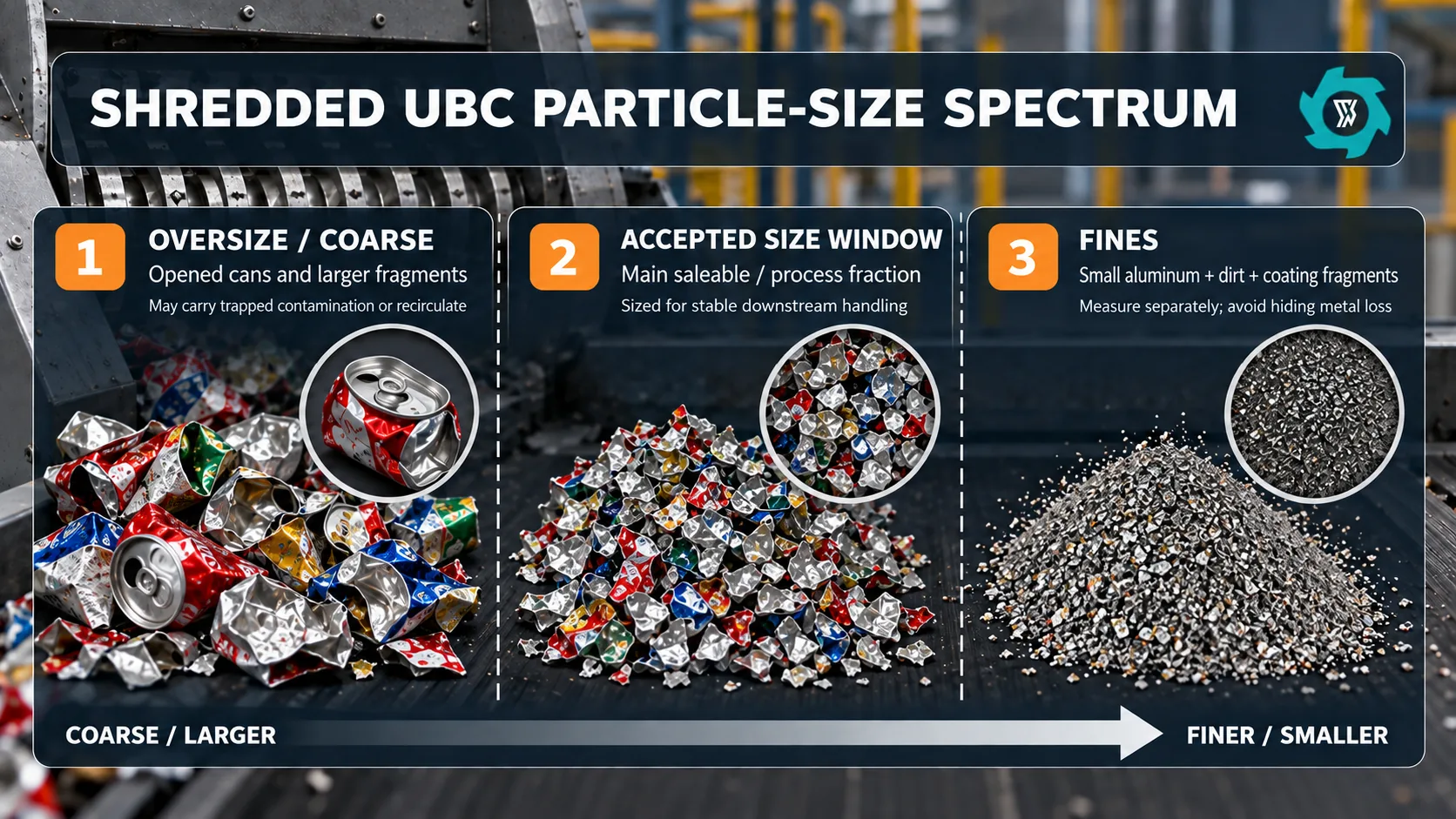
Learn how shredded UBC particle size and fines affect screening, aluminum recovery, Talcred compliance, sampling and FAT acceptance.
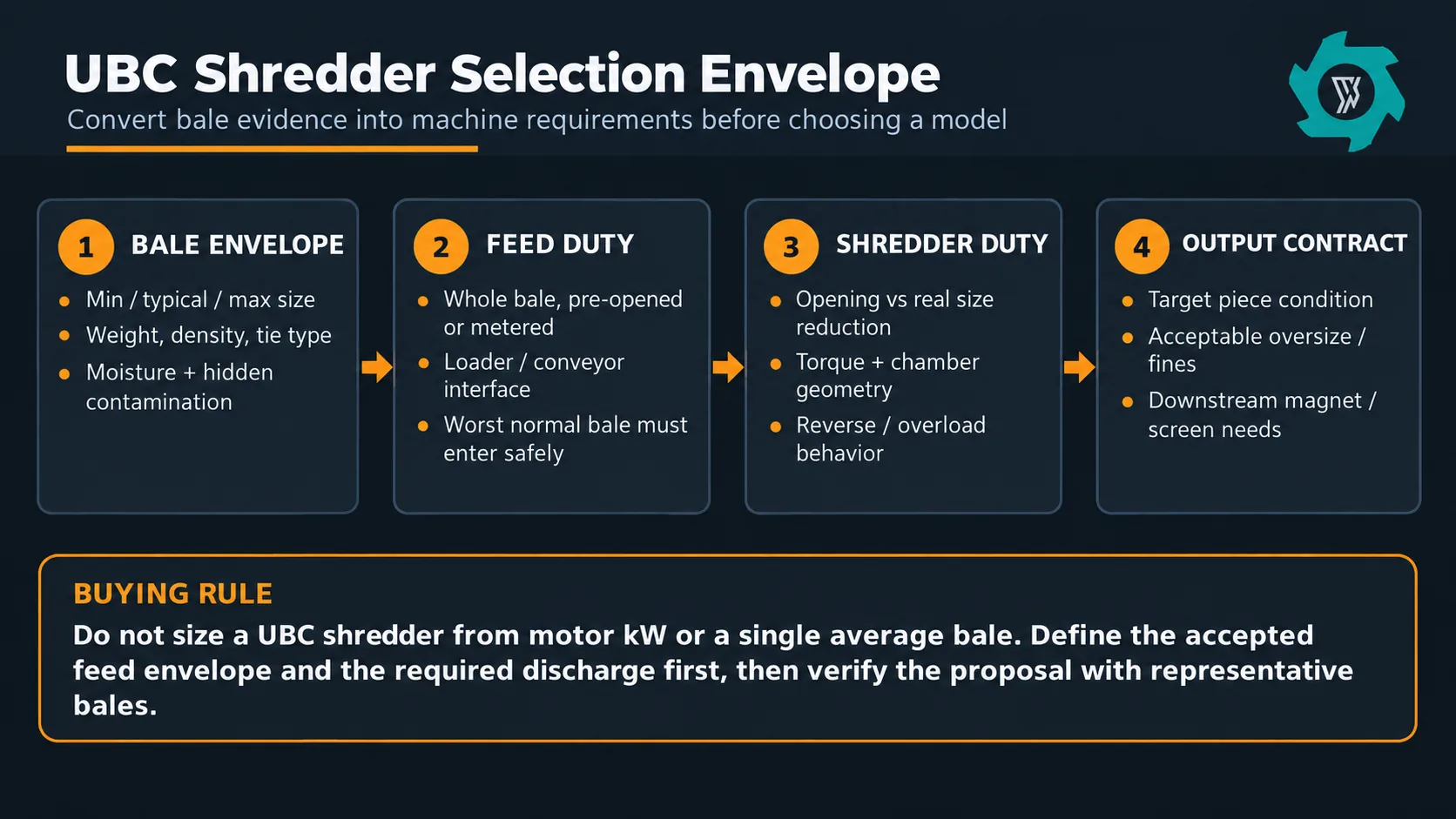
Choose a UBC shredder for baled aluminum cans by defining bale size, density, feed duty, torque, output size, fines, downstream separation and FAT criteria.
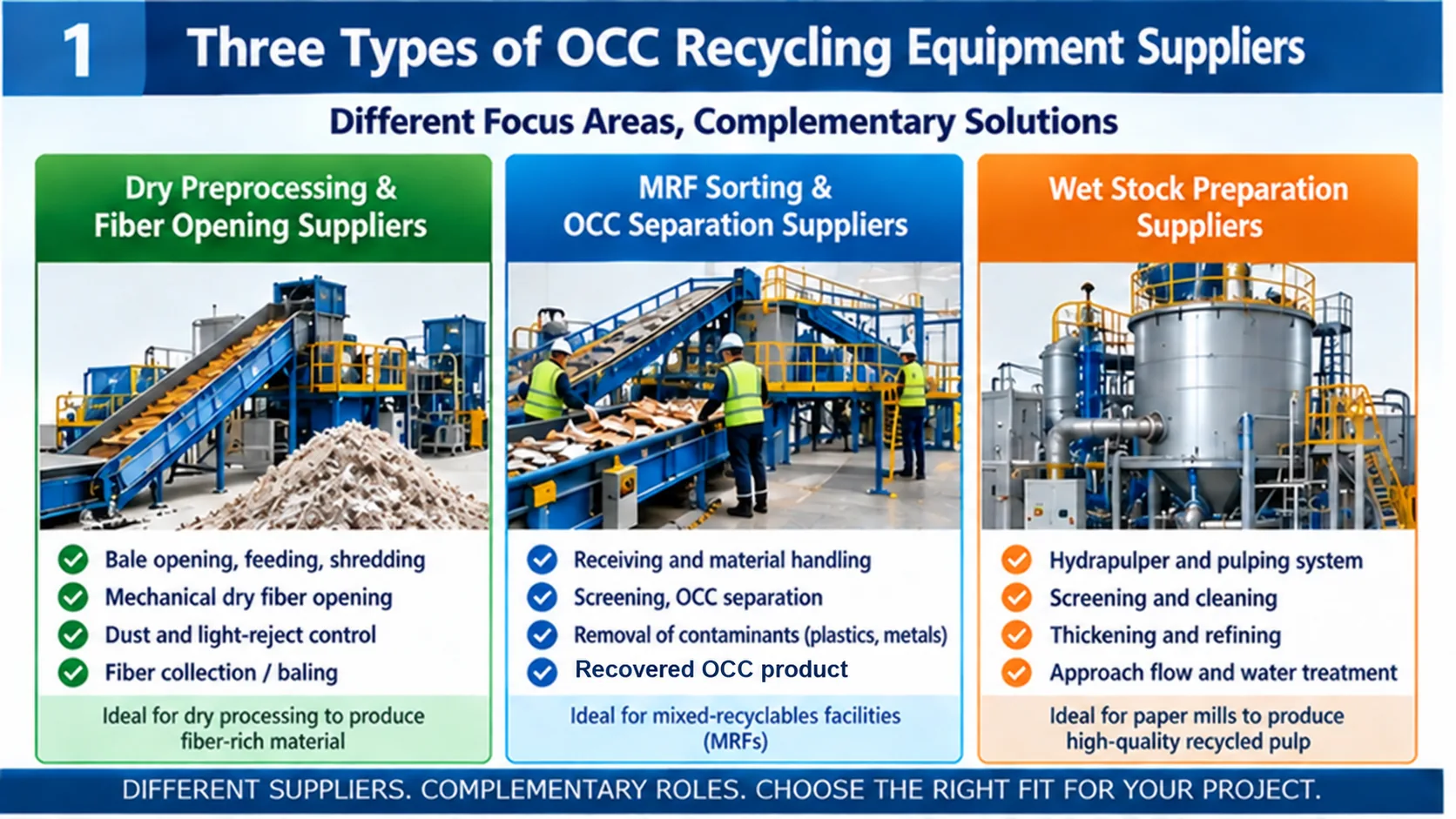
Compare 10 OCC recycling equipment manufacturers by dry processing, MRF sorting, wet stock preparation, project integration, FAT evidence and supplier scope.
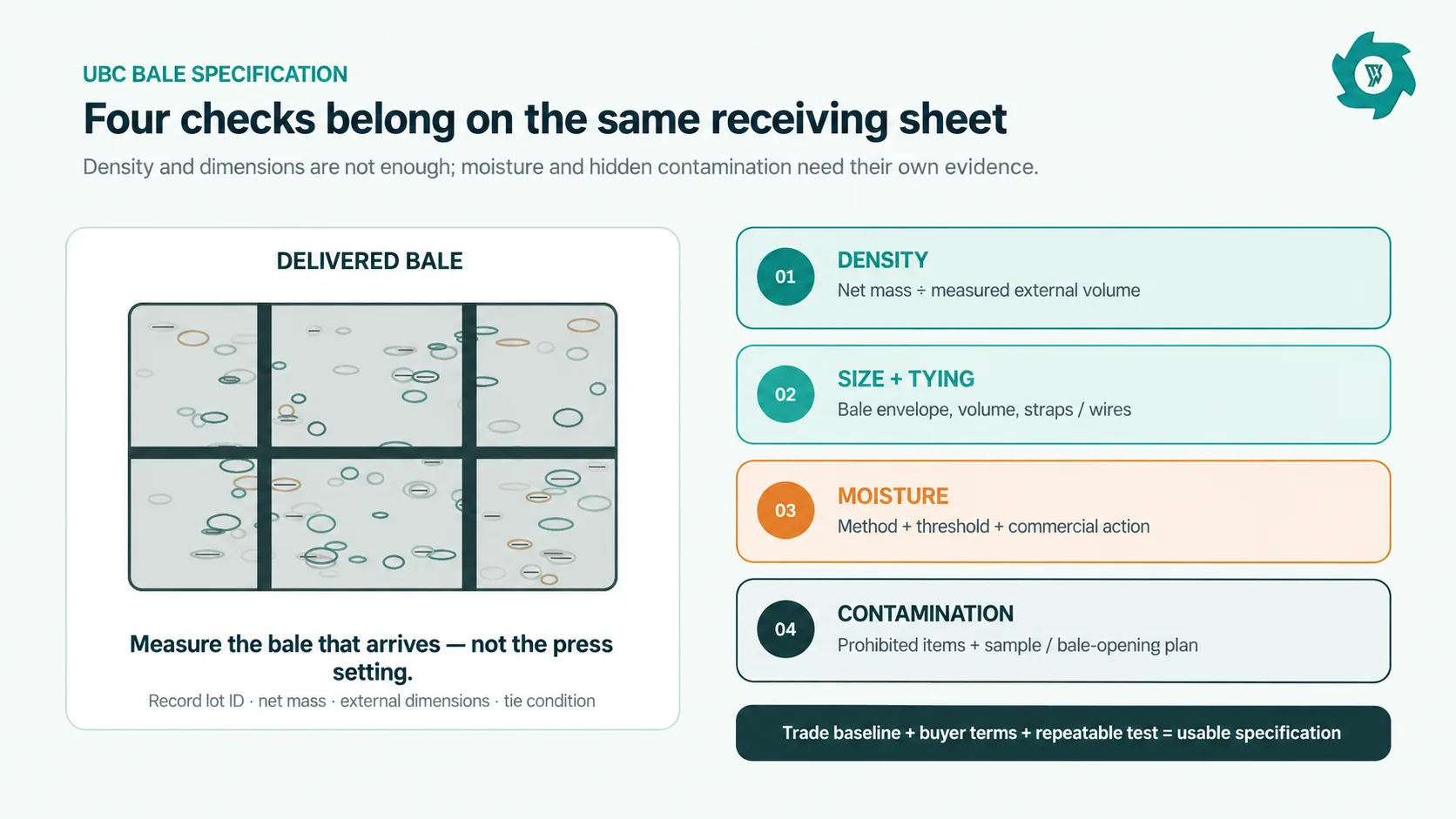
Specify UBC bales by density, size, tying, moisture and contamination. Includes Taldon limits, receiving checks, sampling logic and equipment implications.
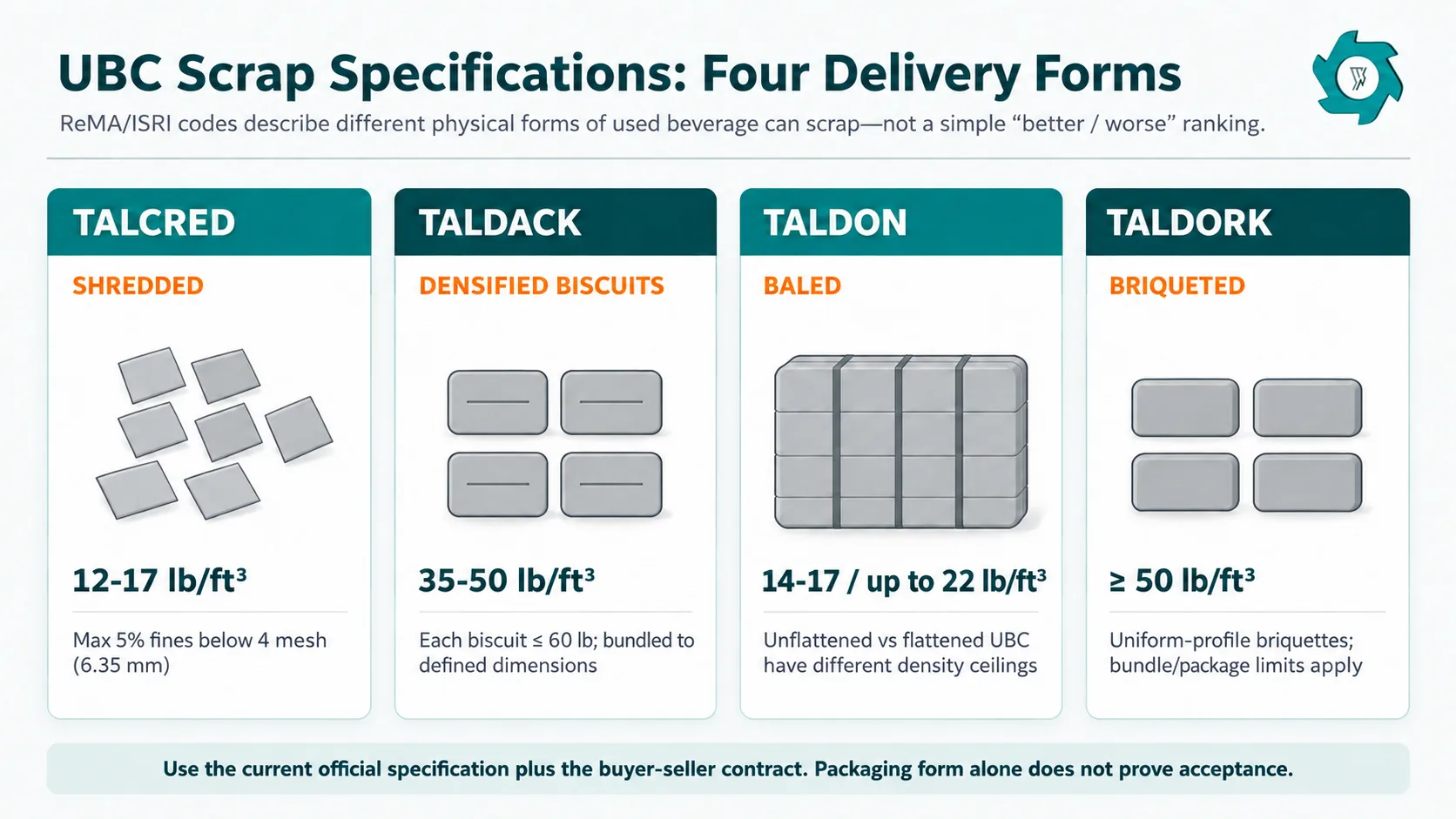
Compare Taldon, Talcred, Taldack and Taldork UBC scrap specifications by form, density, dimensions, contamination limits and receiving checks.
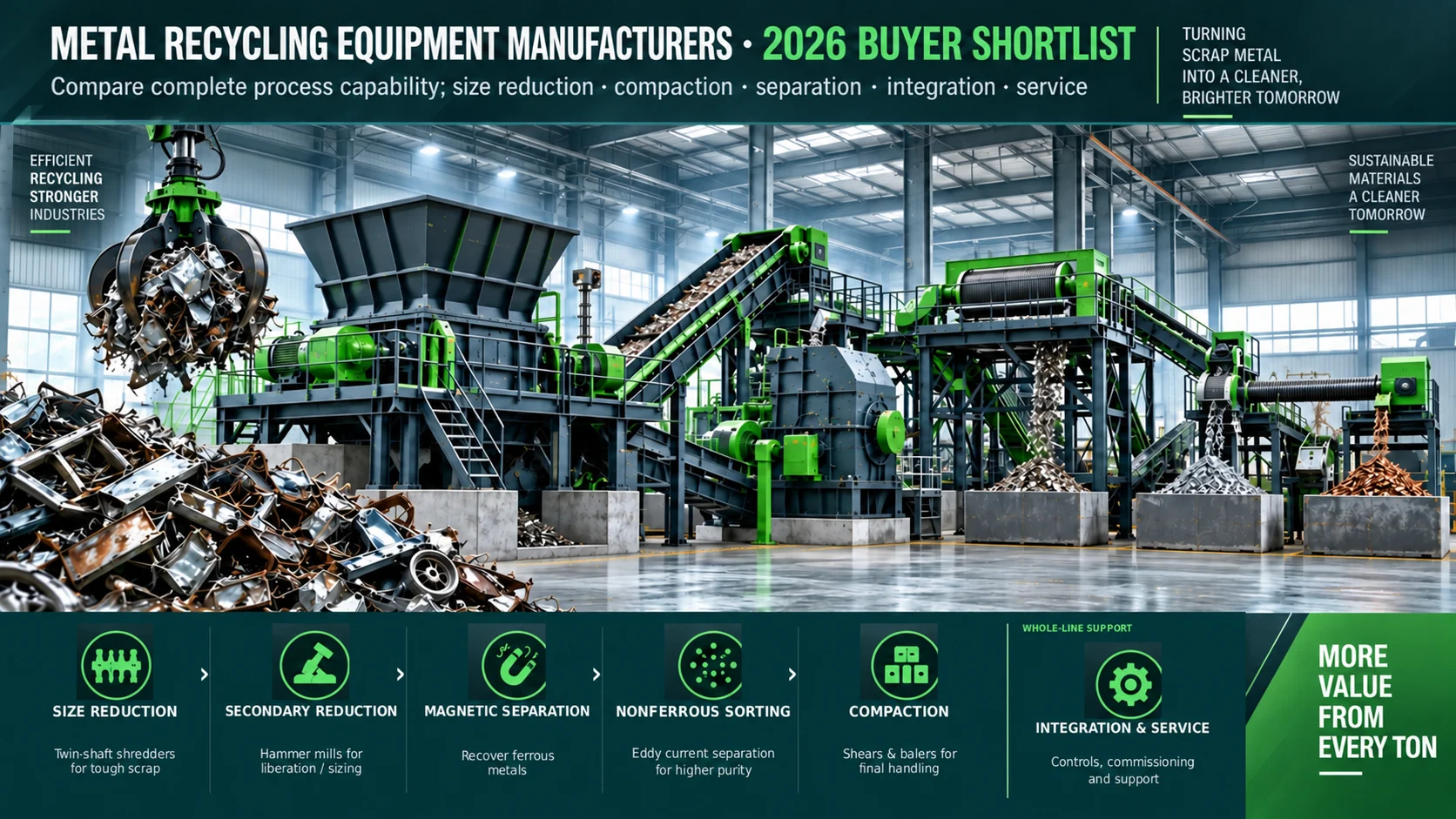
Compare 10 metal recycling equipment manufacturers by process coverage, integration, service and acceptance evidence before you shortlist a supplier.
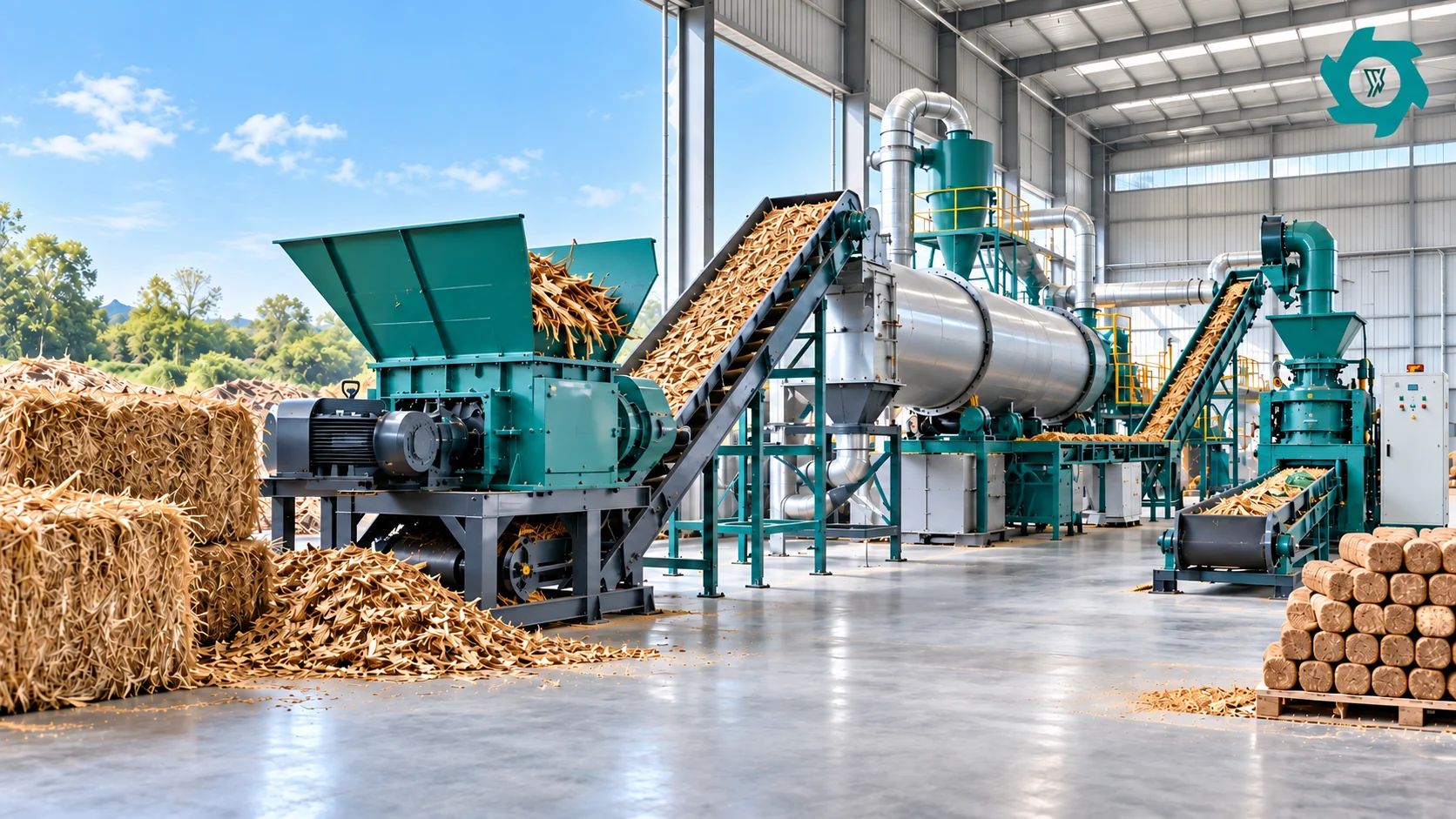
Prepare biomass for briquetting by controlling feed form, shredding, moisture, particle-size distribution, bulk density, buffering and press-inlet acceptance evidence.
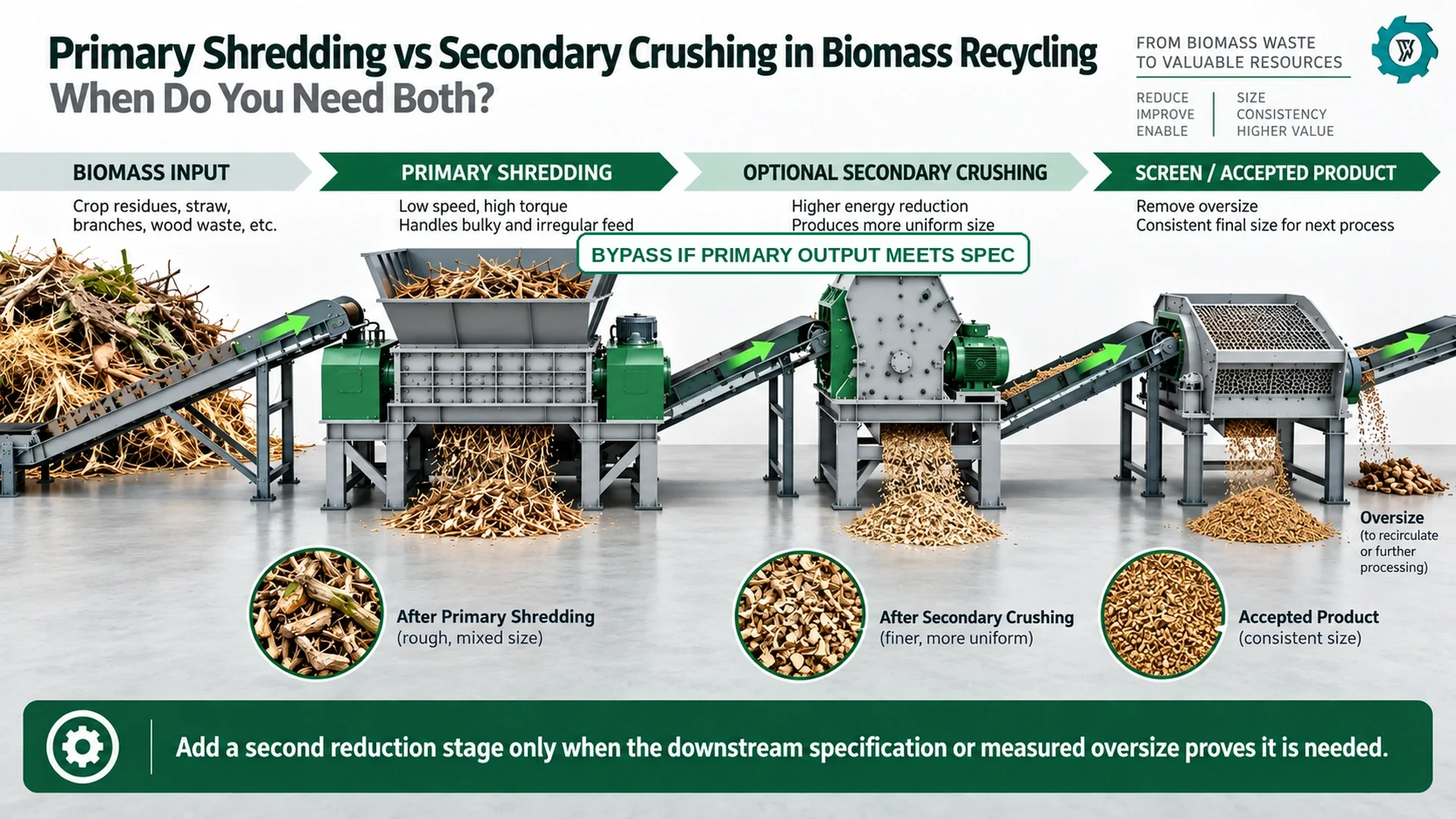
Learn when biomass recycling needs primary shredding only, selective oversize return, or secondary crushing—and how to prove the choice with FAT data.
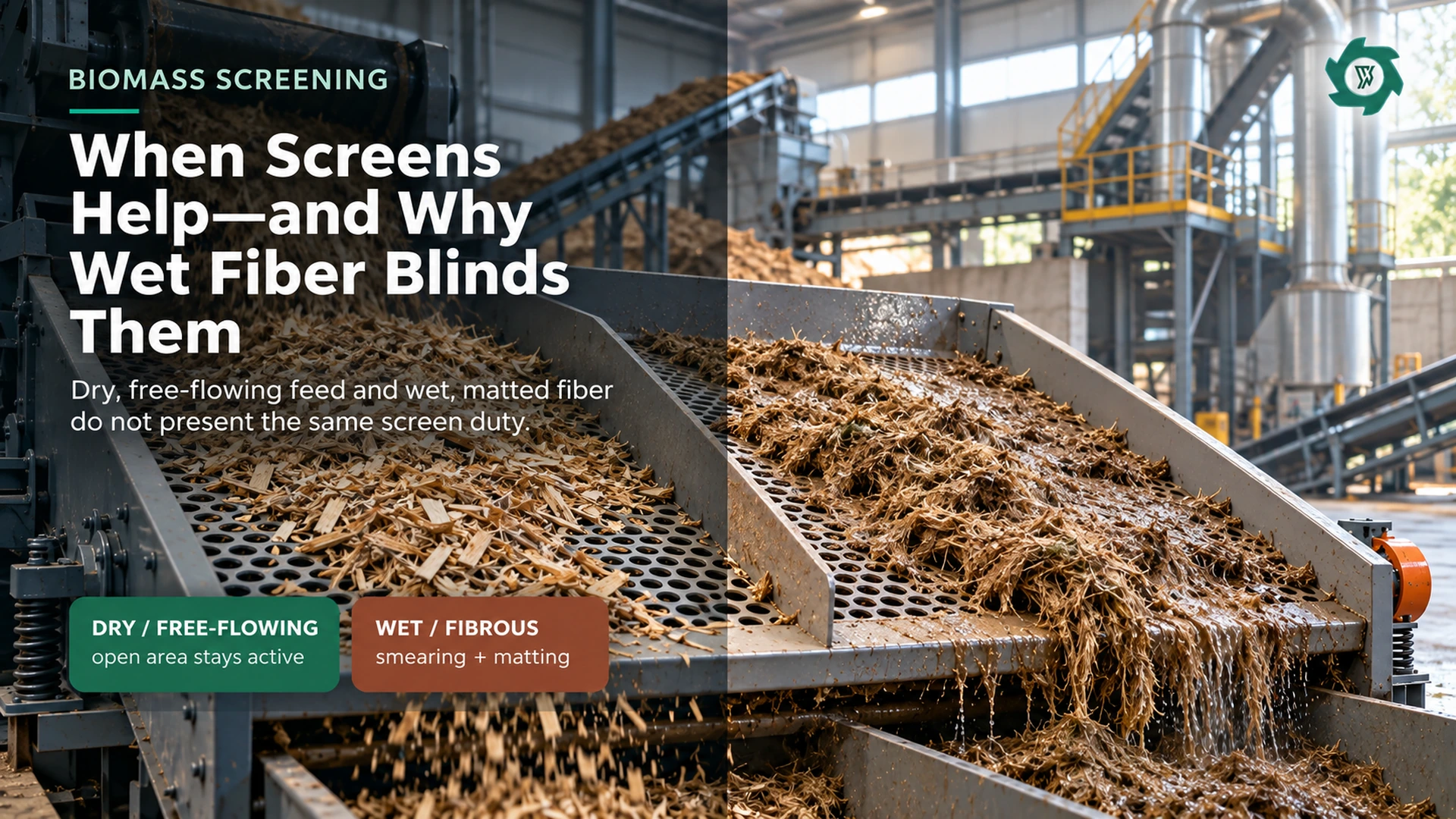
Learn when biomass screening adds value, why wet fiber blinds screens, how to choose screen position and media, and what to verify during FAT.





 Request Quote