




 Request Quote



Purchasing a metal shredder seems straightforward at first glance: send material photos, request quotes, compare pricing and select a vendor. Real-world operations rarely go this smoothly. Two units may share matching looks, motor power and model names, yet deliver drastically different on-site performance.
A scrap yard that mainly handles thin steel sheets does not need the same configuration as a plant processing car shells. Aluminum profiles, UBC cans, radiator scrap, motor rotors, steel drums and mixed industrial scrap all behave differently in the cutting chamber. Some materials need high torque and strong grabbing force. Some need better output size control. Some need a downstream hammer mill, magnetic separator or eddy current separator to recover higher-value metal fractions.
This is why the better question is not simply “How much is a metal shredder machine?” Instead, ask this: Which shredder system fits your scrap type, hourly throughput, finished scrap specs and downstream recycling workflow?
This guide targets plant operators, scrap recyclers, project managers and equipment buyers. It provides practical guidance to help buyers select matching equipment prior to investment, and distinguishes scenarios where a standalone shredder meets demands from cases where a complete recycling line yields higher economic benefits.
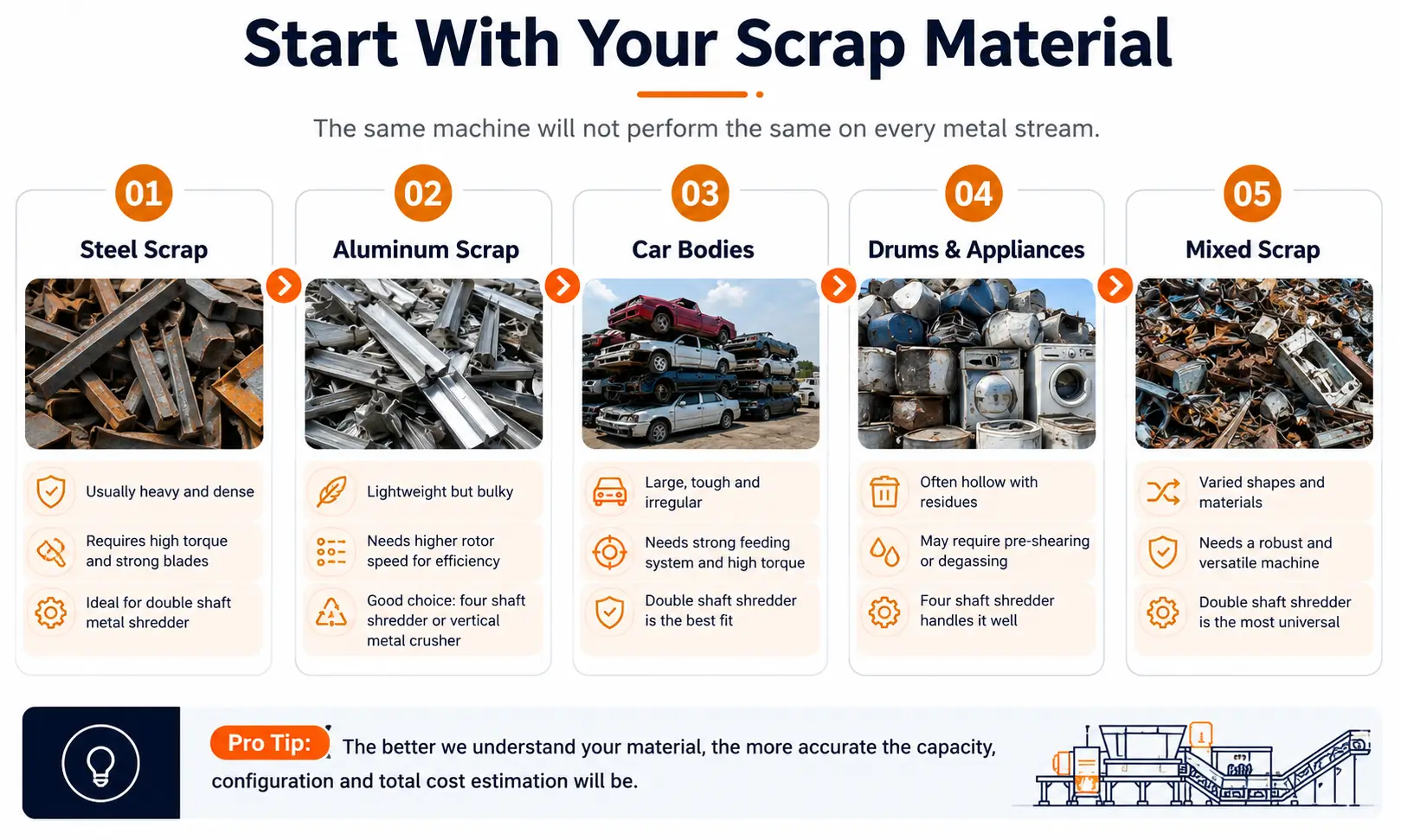
Image 1: Start with material type before comparing machine models.
1. Start with the Material You Plan to Process
Scrap material determines nearly all equipment specs: cutting chamber size, shaft diameter, blade thickness, torque, feeding design, discharge size, wear liners and supporting downstream gear. Machines that work great on aluminum cans can’t withstand dense heavy steel. No need to spring for heavy-duty shredders meant for car bodies if you’re just processing thin metal sheets.
Before you request a formal quote from any supplier, get all your scrap details ready: photos, footage, rough dimensions, material thickness, bulk density, moisture content, and how much each type of mixed material you’ve got. This easy step keeps you from picking the wrong machine.
Light scrap metal
Light scrap includes thin steel sheets, small metal offcuts, cans, light profiles and general workshop scrap. These materials are easier to grab and tear, but they may create loose, low-density output. If your goal is only volume reduction for easier transport, a primary metal shredder may be enough. If your goal is high-value metal recovery, you should consider downstream crushing and sorting.
Heavy steel scrap
Heavy steel scrap requires a stronger frame, higher torque and more wear-resistant blades. The machine must handle impact, twisting force and occasional hard pieces. For this type of material, do not choose only by motor power. Look at the shaft design, gearbox protection, blade thickness, chamber structure and overload protection system.
Car bodies and ELV scrap
Car body shredding is not the same as shredding loose metal sheets. The input size is large, the structure is irregular, and there may be rubber, plastic, wire, glass and mixed components. Car body shredders need heavy-duty feed systems, reinforced shafts, and a layout built to accommodate magnetic sorting, non-ferrous separation and waste disposal.
Aluminum scrap & used beverage cans
Aluminum’s lighter and softer compared to steel, but it’s still tricky to process. Thin aluminum pieces can bounce around or wrap around components if your feed and cutting setup isn’t right. When recycling UBC cans and aluminum scrap, your final profit hinges on clean separation and higher material density. That’s why many pair a shredder with the YUXI aluminum UBC recycling system.
Appliances, drums and mixed scrap
White goods, washing machines, refrigerators, steel drums and mixed industrial scrap need practical engineering judgment. Scrap often mixes metal with plastic, rubber, foam insulation and leftover liquids. For such materials, a shredder alone can’t finish the whole processing workflow. You also need to think about safe feeding, dust control, magnetic separation and material cleaning.
| Material | Typical concern | Selection note |
|---|---|---|
| Light steel scrap | Low density, irregular feeding | Focus on feeding stability and discharge size |
| Heavy steel scrap | High impact and blade wear | Choose stronger shaft, blades and overload protection |
| Aluminum scrap | Light material, recovery value | Plan non-ferrous sorting and output density |
| Car shells | Large input and mixed components | Use heavy-duty primary shredding and downstream separation |
| Drums and appliances | Mixed material, possible contamination | Confirm safety, feeding and cleaning requirements |
2. Estimate Your Real Processing Capacity
Throughput capacity is where most buyers go wrong at the start. Catalog listed output figures are just estimates; actual processing volume relies on scrap type, feed rate, material density, incoming size, operator operation, plus downtime for cleaning and maintenance.
Don’t just ask vendors for hourly tonnage. Calculate backward based on your business goals: What’s your daily processing tonnage target? How many hours do you run each day? Will you feed material continuously or in batches? Do you plan to scale production in two years? Will you need extra throughput to keep up with busy seasonal surges?
Here’s a real-world example: Your plant runs an 8-hour shift and needs to crush 40 tons each day, so you’re looking at a 5-ton hourly output on paper. Yet on-site feeding is never fully consistent. You’ll need equipment rated higher than this baseline average to avoid the shredder slowing down your whole workflow.
For smaller scrap yards, a compact shredder is sufficient to compact scrap and cut hauling costs. For medium plants, the shredder should match conveyors, discharge method and basic sorting equipment. For large recycling plants, the machine should be selected as part of a full system, not as an isolated unit.
3. Decide How Small the Final Output Needs to Be
Output size is not just a “nice to have” number. It affects transport, furnace feeding, sorting efficiency, metal recovery value and whether you need secondary crushing. Coarse shredded material may be acceptable if your goal is to reduce volume. Smaller and more uniform output may be needed if your goal is better separation and higher metal value.
If the downstream process includes magnetic separation, the material must be loose enough for magnets to pull ferrous metal effectively. If the downstream process includes eddy current separation, non-ferrous material such as aluminum, copper, zinc or brass must be liberated well enough to separate cleanly. STEINERT describes eddy current separation as a process used after stages such as crushing, classification and magnetic separation to recover marketable non-ferrous metal mixtures. Source: STEINERT
This is the reason many complete metal recycling systems use a primary shredder first, then a hammer mill or crusher, then separation equipment. The shredder opens and reduces the material. The crusher improves liberation and density. The sorting section separates ferrous and non-ferrous fractions.
4. Choose the Right Metal Shredder Type
There is no universal “best” metal shredder. The right machine depends on your material and process goal. Below is a practical comparison that buyers can use during early selection.
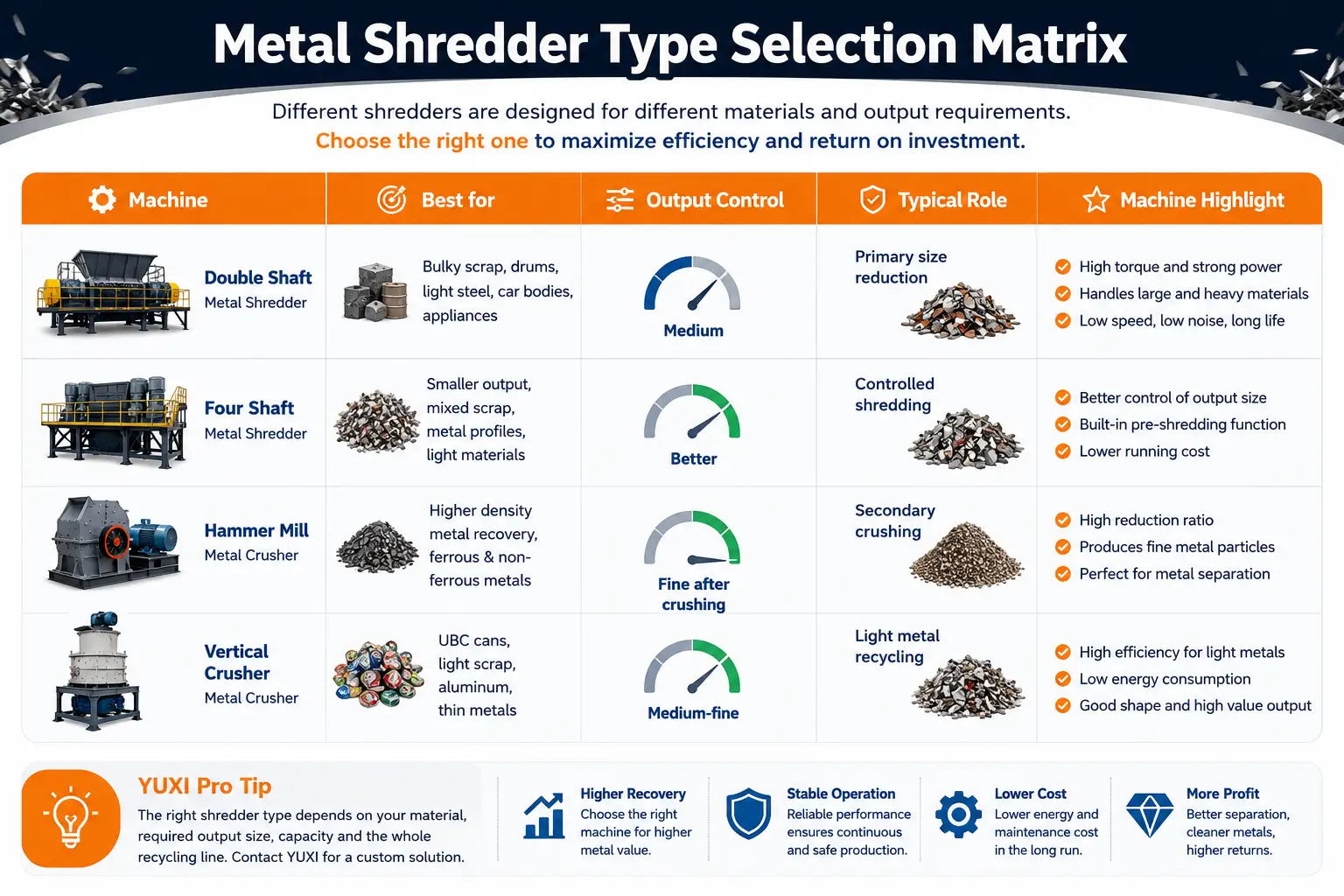
Image 2: Different metal recycling projects need different shredding or crushing equipment.
Double shaft metal shredder
A double shaft metal shredder machine is often used for primary shredding. It works well for bulky scrap, drums, light steel, aluminum scrap, appliances and mixed materials. The two shafts rotate slowly with high torque, grabbing and tearing the material into smaller pieces.
This type is a good choice when the goal is volume reduction, easier feeding into the next machine or preparing material for sorting. It is usually more tolerant of irregular materials than high-speed crushing equipment.
Four shaft metal shredder
A four shaft shredder can offer better output control because the material passes through a more controlled cutting system and screen structure. It is useful where the buyer needs more consistent discharge size. However, it may not be the best first machine for very large, thick or heavy scrap. For heavy metal recycling, it should be selected carefully based on input size and load.
Hammer mill metal crusher
A hammer mill is normally used when the project requires higher reduction, better liberation and denser output. It is not always the first machine for oversized scrap, but it can be very useful after primary shredding. If your project needs better separation of ferrous and non-ferrous metals, the hammer mill metal crusher may become an important part of the line.
Vertical metal crusher
A vertical metal crusher is commonly used for light metal scrap such as aluminum cans, thin sheet metal and some small scrap materials. It can be a good choice for UBC can recycling or light metal volume reduction where the input is not too heavy.
5. Pay Attention to Blade, Shaft and Chamber Design
Blade design affects cutting performance, output size, energy consumption and maintenance cost. For most recycling projects, the upfront machine cost isn’t the biggest burden. What really causes constant trouble are frequent blade replacements, long production halts, and maintenance spots that are cramped and tough to access.
Ask suppliers about blade material, heat treatment, blade thickness, tooth design, how sturdy the shafts are, bearing safeguards and crushing chamber wear liners. Also find out how easy it is to swap out blades and if the machine can be quickly cleaned every day.
For heavy scrap, the blade must resist shock and wear. For light scrap, the blade must grab and pull material efficiently. For mixed scrap, the design must tolerate variation. A good supplier should not recommend the same blade configuration for every project.
6. Think Beyond the Shredder: Plan the Complete Recycling Line
A standalone shredder can reduce volume, but a recycling business usually makes money from recovered material value. That means the shredder should be planned together with feeding, conveying, crushing, magnetic separation, eddy current separation, dust collection and final storage.
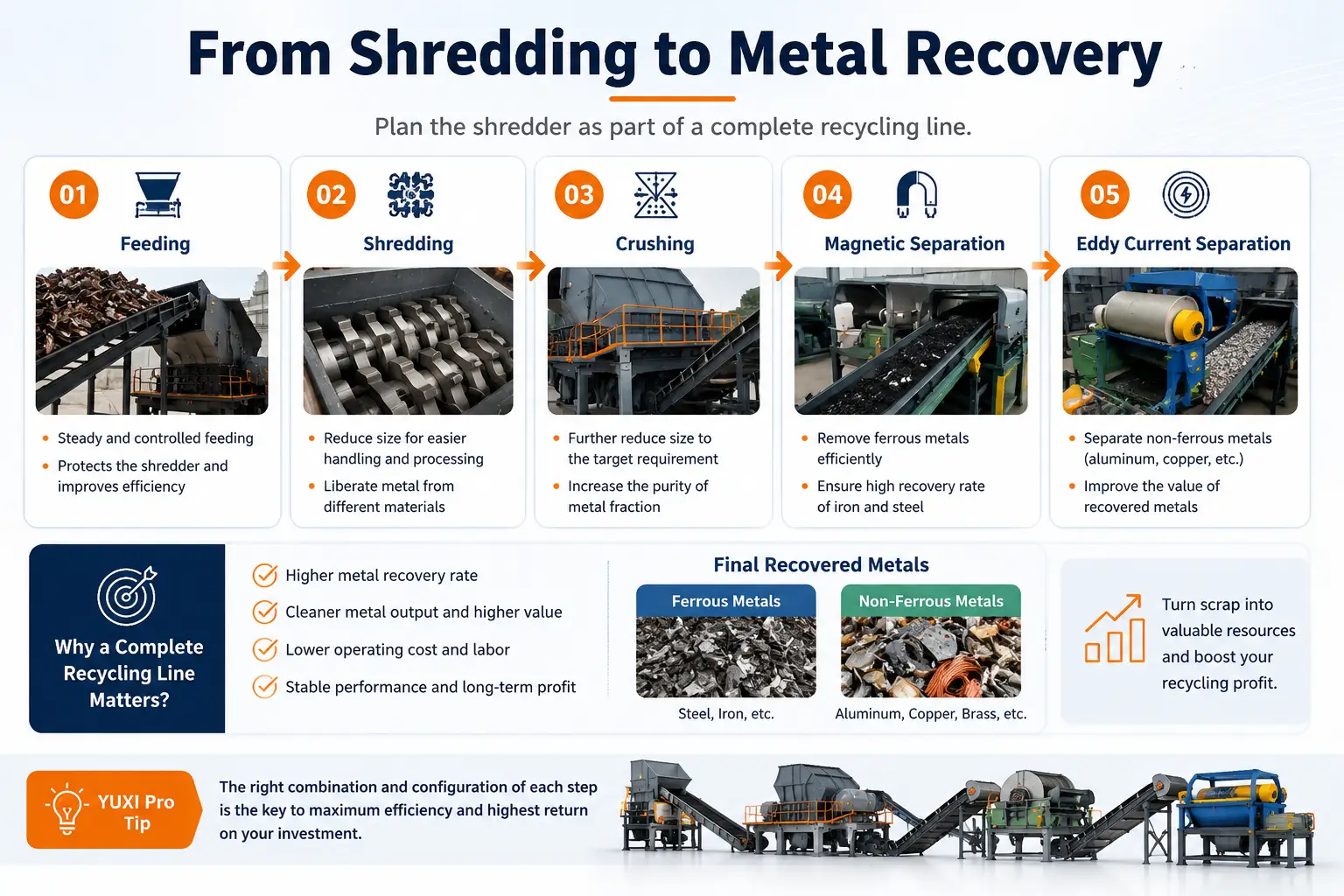
Image 3: The shredder should be selected according to the whole recycling process, not only as a standalone machine.
A practical metal recycling line may look like this:
| Process step | Main function | Why it matters |
|---|---|---|
| Feeding conveyor | Steady material feeding | Prevents overload and improves real capacity |
| Metal shredder | Primary size reduction | Reduces volume and opens material structure |
| Hammer mill crusher | Secondary crushing | Improves liberation and density |
| Magnetic separator | Ferrous metal recovery | Separates iron and steel fractions |
| Eddy current separator | Non-ferrous metal recovery | Separates aluminum, copper, brass and other non-ferrous metals |
| Dust collection system | Cleaner production | Optimizes workshop environment and steady operation |
The International Recycling Bureau states recycling non-ferrous metals involves sorting, taking items apart, baling, shearing, shredding and other steps before melting the metals down. Source: BIR This supports a simple point: shredding is important, but it is part of a wider recovery process.
If your target is aluminum scrap or UBC cans, you may want to connect the selection with the Aluminum UBC Scrap Recycling Line. If your target is mixed scrap, radiator scrap or copper aluminum separation, you may need a broader metal recycling solution.
7. Compare Total Cost, Not Just the Purchase Price
It is normal to compare quotations. Every buyer has a budget. But the lowest quotation is not always the lowest cost. For metal recycling equipment, total cost includes machine price, power consumption, wear parts, maintenance, downtime, installation, operator skill and recovery efficiency.
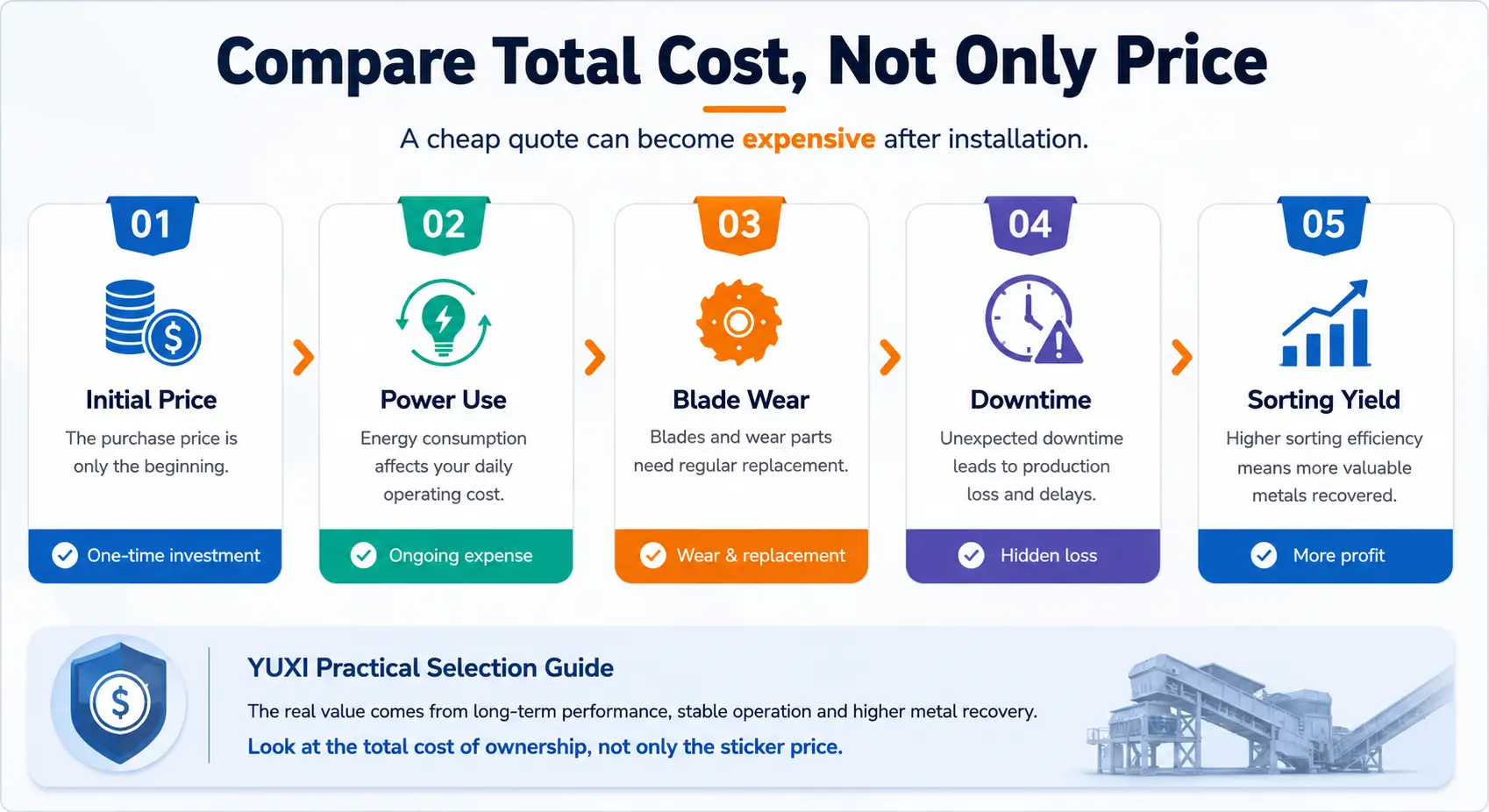
Image 4: Total operating cost is more important than the lowest machine price.
A cheaper machine may have a smaller shaft, lighter frame, weaker gearbox, lower quality blades or poor overload protection. It may work during the trial, but fail when the plant runs continuously. On the other hand, an oversized machine can also waste money if your material volume is small.
For this reason, YUXI generally recommends a project-based selection process. Confirm material first, then target capacity, then output size, then line configuration, then budget range. Price should come after the process is clear.
Initial investment
This includes the shredder, conveyors, control cabinet, optional hydraulic system, separators, crusher, dust collection and spare parts. If you only compare shredder body price, the comparison may be misleading.
Power consumption
Metal shredding needs torque. The machine should have enough power, but not waste energy because of poor matching. Correct feeding and correct blade design can reduce unnecessary load.
Wear parts
Blades, screens, hammers, wear liners and bearings create ongoing long-term operational costs. Consult suppliers about vulnerable wear components and how accessible maintenance areas are.
Downtime Risks
Production downtime often incurs higher losses than replacement wear parts. A halted line means idle staff, waiting haulage trucks and delayed delivery deadlines. This makes overload protection, user-friendly maintenance design and reliable spare parts supply critical considerations.
Recovery yield
A complete recycling line gets you purer metal and better returns, so the higher initial cost is well worth it. This especially holds true for aluminum, copper, radiator scrap and assorted non-ferrous scraps.
8. Common Mistakes When Picking a Metal Shredder
Mistake 1: Only shopping based on price
Cheap machines look tempting, but you can’t tell if they’ll handle your scrap or run steadily on your site just from the price tag.
Mistake 2: Overestimating rated processing capacity
The throughput printed on product brochures differs greatly from actual on-site output. Real production volume is determined by feeding method, material density and working conditions.
Mistake 3: Neglecting downstream sorting processes
If you aim to raise metal recovery profits, magnetic separation and eddy current separation for material dissociation must be factored in at the initial planning stage.
Mistake 4: Selecting an unsuitable shredder model
Dual-shaft shredders, four-shaft shredders, hammer mills and vertical crushers each handle different jobs—you can’t swap one out for another.
Mistake 5: Neglecting equipment maintenance
Blade replacement, chamber cleaning and access design should be discussed before purchase, not after installation.
Mistake 6: No room for expansion
If your business is growing, leave space for higher capacity, longer conveyors or additional sorting equipment.
9. Metal Shredder Selection Checklist
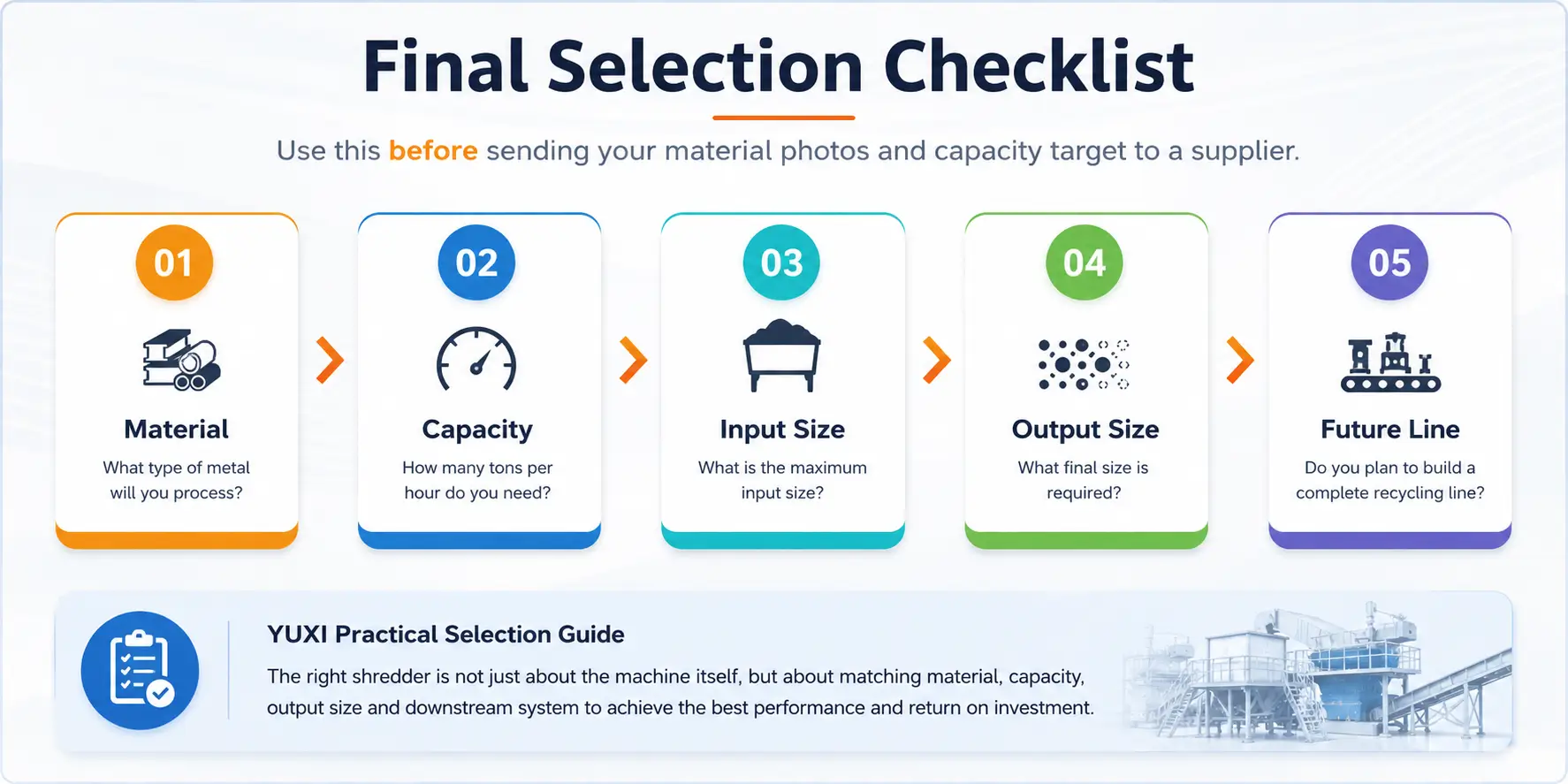
Image 5: Use this checklist before asking for a final metal shredder quotation.
| Question | Why it matters |
|---|---|
| What material will you process? | Determines shredder type, blade design and chamber size. |
| What is the maximum input size? | Determines feeding opening, conveyor design and whether pre-cutting is needed. |
| How many tons per hour do you need? | Determines motor power, chamber size and line configuration. |
| What output size do you need? | Determines whether primary shredding is enough or secondary crushing is required. |
| Do you need ferrous and non-ferrous separation? | Determines magnetic separator and eddy current separator requirements. |
| Is the goal volume reduction or metal recovery? | Changes the entire equipment configuration. |
| Do you plan future expansion? | This keeps you from investing in a system that can’t keep up a year down the line. |
10. Don’t leave safety and regulatory compliance till last
Metal recycling gear processes heavy, jagged, odd-shaped scraps. Go over all safety features early on: safety guards, emergency stop buttons, lockout protocols, safe feeding gaps and easy-to-access service areas. OSHA notes that employees in metal scrap recycling can face hazards from material handling and machine operations, and guarding is needed to prevent contact with hazardous moving parts. Source: OSHA
This does not mean every buyer needs the same safety package, but it does mean safety should be part of the technical discussion. A recycling plant should not rely only on operator experience. The machine and line layout should reduce avoidable risk.
11. Final Thoughts
If your goal is simple volume reduction, a properly selected double shaft metal shredder may be enough. If your goal is higher-value metal recovery, better separation and long-term recycling business growth, you should plan the shredder as part of a complete processing line.
The best metal shredder is not always the largest machine, the most expensive machine or the cheapest quotation. It is the machine that matches your scrap material, required capacity, output size, downstream sorting process and maintenance capability.
For buyers who are not sure where to start, the most practical first step is to send material photos, input size, target capacity and final product requirement to the supplier. Share all those details with YUXI, and we’ll figure out if you just need a single metal shredder, a hammer mill, vertical crusher, or a full recycling production line.
Not sure which metal shredder fits your needs?
Share your material type, input size, daily capacity target and required output size. YUXI can suggest a practical configuration for scrap metal shredding, crushing and separation.
Contact YUXIFAQ: Choosing a Metal Shredder Machine
What’s the top metal shredder for scrap recycling?
The best metal shredder depends on the scrap material, input size, required capacity, desired output size and downstream sorting process. For bulky scrap, a double shaft shredder is often used as a primary machine.
How to figure out a metal shredder’s processing capacity?
Start with daily scrap volume, working hours, material density, feeding method and peak load. Then leave a margin for irregular feeding and mixed scrap conditions.
Should I choose a double shaft or four shaft metal shredder?
Choose a double shaft shredder for heavy or bulky primary shredding. Choose a four shaft shredder when output control is more important and the input material is suitable.
What output size is suitable for metal recycling?
It depends on your goal. Coarse output may be enough for volume reduction. Smaller and better-liberated output is usually better for sorting and recovery value.
Can one shredder process steel and aluminum?
In many cases, yes. But the supplier should confirm blade design, torque, feeding and downstream separation based on the percentage and form of each material.
Do I need a hammer mill after shredding?
You may need a hammer mill if you require smaller, denser and better-liberated material for sorting. For simple size reduction, a primary shredder may be enough.
What affects metal shredder machine price?
Machine size, power, shaft design, blade material, chamber size, wear protection, automation, conveyors, separators, dust control and service support all affect price.
How long do shredder blades hold up?
Blade life depends on material hardness, contamination, feeding condition, blade material and maintenance habits. Real material information is needed for a useful estimate.
Can a metal shredder be fitted into a full recycling line?
Yes. It can be connected with conveyors, hammer mill crusher, magnetic separator, eddy current separator, dust collector and control system.
What typical errors should purchasers steer clear of?
Avoid buying only by price, ignoring material details, overestimating capacity, choosing the wrong shredder type and forgetting downstream sorting and maintenance.
External References
- US EPA — Sustainable Materials Management
- OSHA — Guidance for the Identification and Control of Safety and Health Hazards in Metal Scrap Recycling
- Bureau of International Recycling — Non-Ferrous Metals
- STEINERT — Eddy Current Separators for Non-Ferrous Metals
- Bunting — Eddy Current Separation in Recycling