




 Request Quote



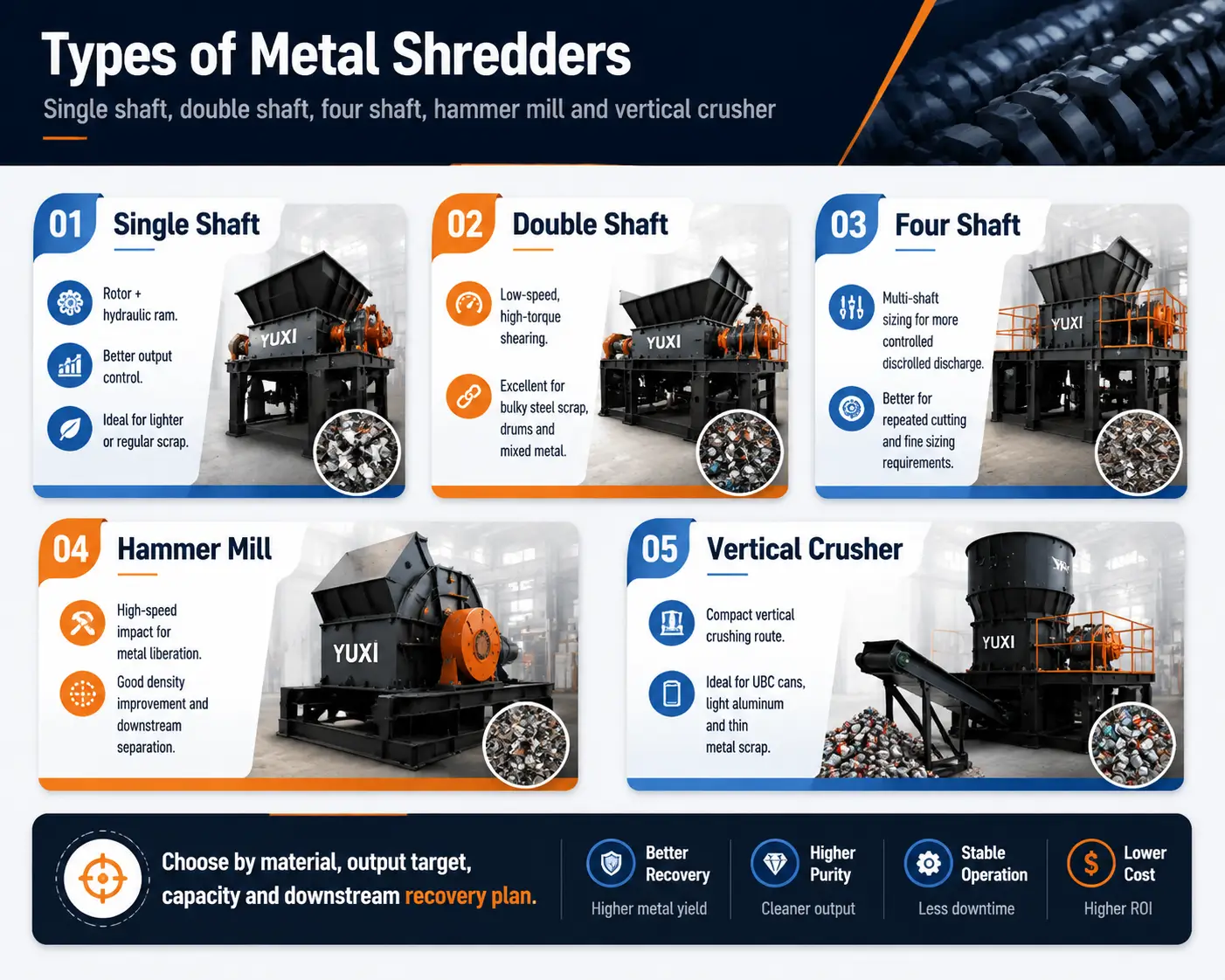
Image 1: The main types of metal shredders should be selected according to feed material and recovery target.
The term “metal shredder” sounds simple, but in real recycling projects it can refer to several very different machines. A single shaft shredder, double shaft shredder, four shaft shredder, hammer mill metal crusher and vertical metal crusher do not do the same job. They use different cutting or crushing actions, handle different materials and create different output results.
This matters because scrap metal is not a uniform material. Light aluminum cans, steel drums, car bodies, appliance scrap, radiator scrap, motor rotors and factory offcuts all behave differently when they enter a machine. Some materials need low-speed high-torque tearing. Some need screen-controlled sizing. Some need high-speed impact to liberate metals before magnetic or eddy current separation.
For a buyer, choosing the wrong type can cause low throughput, high blade wear, poor discharge size, frequent downtime and a recycling line that never reaches its expected recovery value. Choosing the right machine type, on the other hand, can reduce handling cost, improve density, make downstream sorting easier and create a more stable production process.
This guide explains the main types of metal shredders used in scrap recycling, how each machine works, where each type performs best, and when a complete metal recycling line is more practical than a standalone machine.
Why Metal Shredder Type Matters
Metal shredder selection should start with the material, not with the catalog name. A supplier may call several machines “metal shredders,” but their structure and application range can be completely different. The correct type depends on material thickness, input size, material density, contamination, desired output size, required capacity and downstream separation needs.
For example, a scrap yard handling mixed steel scrap usually needs strong feeding and high torque. A plant processing UBC cans may care more about density improvement and clean aluminum recovery. A vehicle recycling project may need primary shredding first, then hammer mill crushing and sorting. A factory processing production offcuts may need controlled discharge and compact equipment rather than the largest heavy-duty line.
Practical rule: The best metal shredder is not the biggest machine. It is the machine that matches the real scrap material, output target and recycling process.
Modern metal recycling also depends on separation. The Bureau of International Recycling describes non-ferrous metal recycling as a process that can include sorting, dismantling, baling, shearing, shredding and other preparation steps before melting. Source: Bureau of International Recycling In other words, shredding is important, but it is often only one step in a wider recovery system.
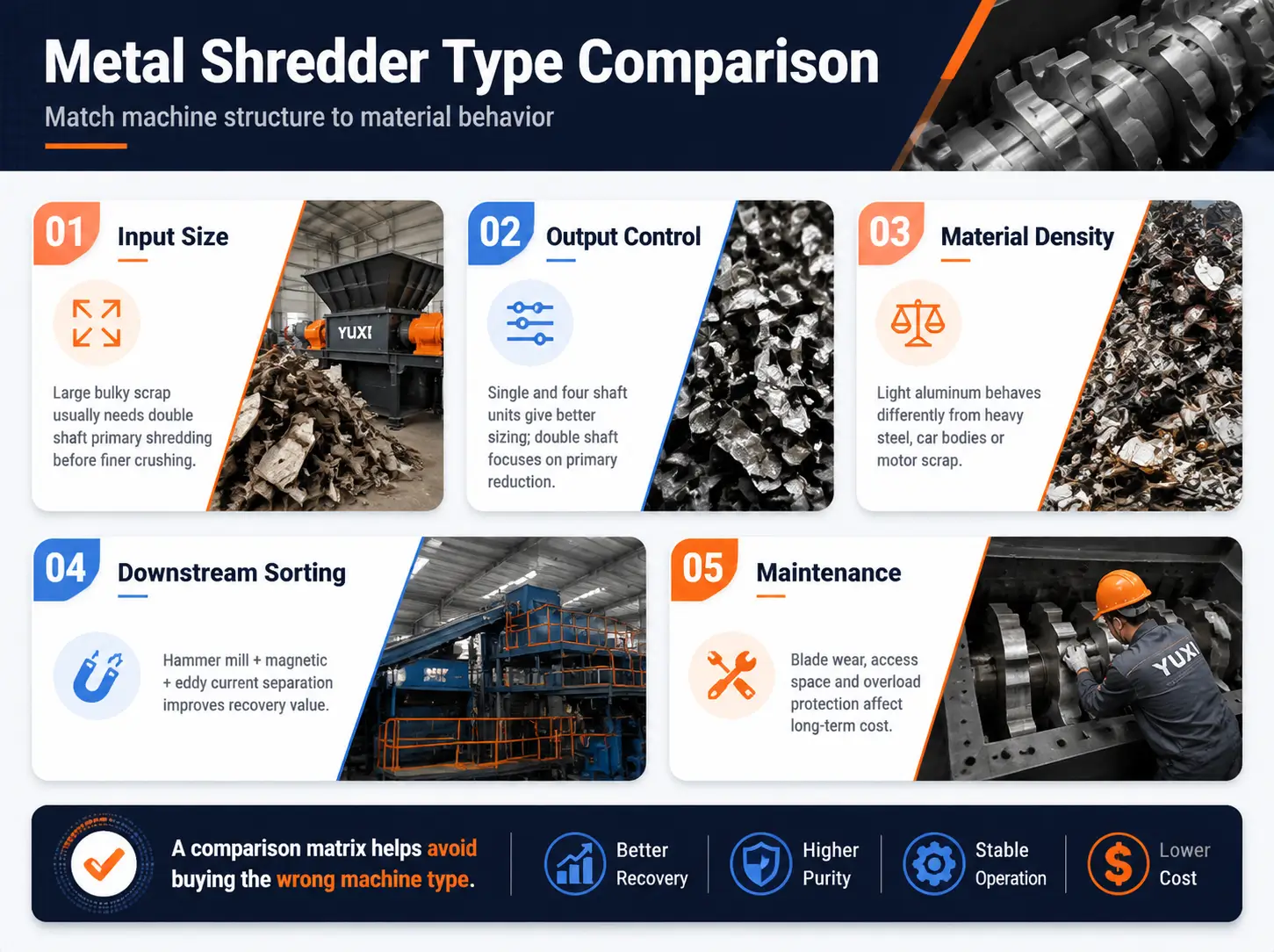
Image 2: Compare shredder types by input size, material density, output control and downstream sorting.
Single Shaft Metal Shredder
A single shaft metal shredder uses one rotor fitted with cutting knives. A hydraulic ram pushes material toward the rotor, and a screen is often used to control final particle size. This structure is common in shredding systems that require more controlled output from relatively regular materials.
How it works
The hydraulic ram feeds material into the rotor. The rotor knives cut and pull the material against fixed counter knives. Material that is small enough passes through the screen. Larger material stays in the chamber until it is reduced further. This makes the single shaft design useful when discharge size consistency is important.
Best materials
Single shaft machines are generally more suitable for light metal scrap, aluminum profiles, thin sheet metal, production offcuts, non-ferrous scrap and relatively regular feed materials. They are less suitable for very large, heavy or highly irregular mixed metal scrap.
Advantages
The main advantage is output control. Because a screen can be used, the final particle size can be more consistent than with many primary double shaft shredders. Single shaft units may also be more energy-efficient for lighter materials when the machine is correctly matched to the feed.
Limitations
The limitation is shock load tolerance. Heavy steel scrap, car bodies, thick drums or unpredictable mixed materials can overload a single rotor system if the machine is not designed for that duty. For heavy scrap recycling, a double shaft shredder is often a more practical primary machine.
Double Shaft Metal Shredder
The double shaft metal shredder is one of the most widely used primary machines in scrap metal recycling. It uses two counter-rotating shafts with heavy-duty knives. The shafts pull material into the chamber and tear it apart through shearing, ripping and crushing action.
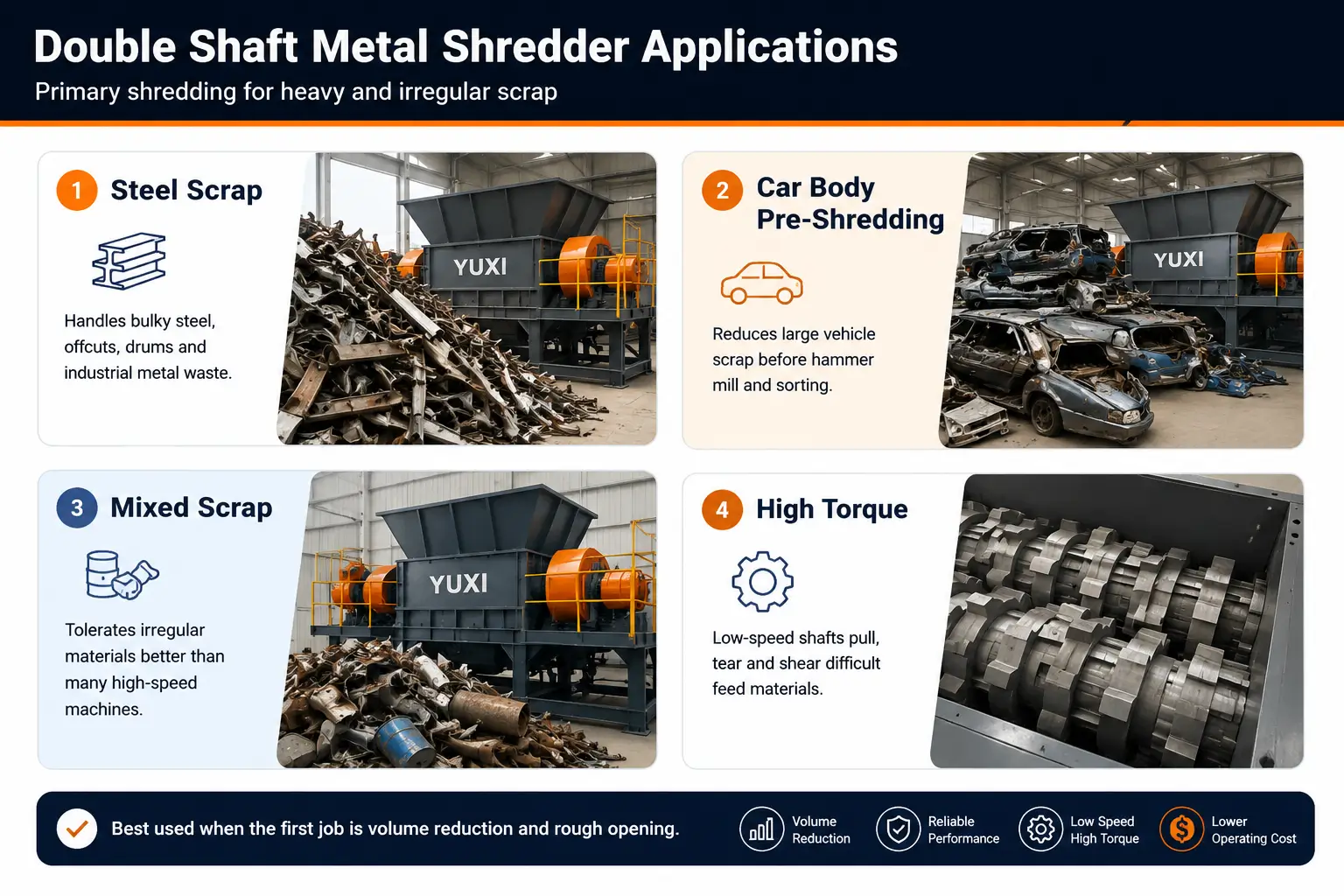
Image 3: Double shaft metal shredders are commonly used for bulky, irregular and mixed scrap streams.
How it works
The two shafts rotate at low speed with high torque. As the material enters the chamber, the knives bite, pull and shear it into smaller pieces. This low-speed high-torque action makes the double shaft design suitable for bulky and irregular material that would be difficult to feed into high-speed crushing equipment directly.
Best materials
Double shaft shredders are commonly used for steel scrap, metal drums, appliance scrap, aluminum scrap, mixed industrial scrap, car body pre-shredding and general scrap yard applications. For YUXI projects, this is the machine type most closely connected with the Metal Shredder Machine product page.
Advantages
The biggest advantage is adaptability. A double shaft shredder can grab and tear irregular materials more effectively than many screen-controlled machines. It is suitable as a primary shredder, especially when the goal is volume reduction, rough opening or preparation for secondary crushing.
Limitations
A double shaft shredder does not always produce a precise final size. If the project requires smaller, denser and better-liberated material, a secondary machine such as a hammer mill metal crusher may be needed after primary shredding.
Four Shaft Metal Shredder
A four shaft metal shredder uses multiple shafts to cut material repeatedly before discharge. Compared with a double shaft shredder, it offers better output control in suitable applications, but it also has more moving parts and more complex maintenance requirements.
How it works
The first pair of shafts grabs and breaks the material. The secondary shafts continue cutting and sizing until the material reaches the required discharge condition. In many designs, screen or sizing control helps produce more consistent output.
Best materials
Four shaft shredders are often used for metal containers, mixed industrial scrap, appliance components, aluminum scrap and materials where controlled output is more important than maximum primary tearing force. They can be useful in systems where the buyer needs a more predictable discharge size.
Advantages
The main advantage is better sizing. Four shaft machines can reduce the need for additional sizing equipment in some applications. They also provide more controlled cutting action for certain mixed materials.
Limitations
They are not always the best first machine for very large car bodies, thick heavy scrap or highly contaminated demolition material. The machine has more shafts, more knives and more maintenance points, so the application should be evaluated carefully.
Hammer Mill Metal Crusher
A hammer mill metal crusher is different from a low-speed shredder. It works at high speed. Rotating hammers repeatedly strike the material, breaking it apart and improving metal liberation. In many recycling lines, the hammer mill is used after primary shredding, not before it.
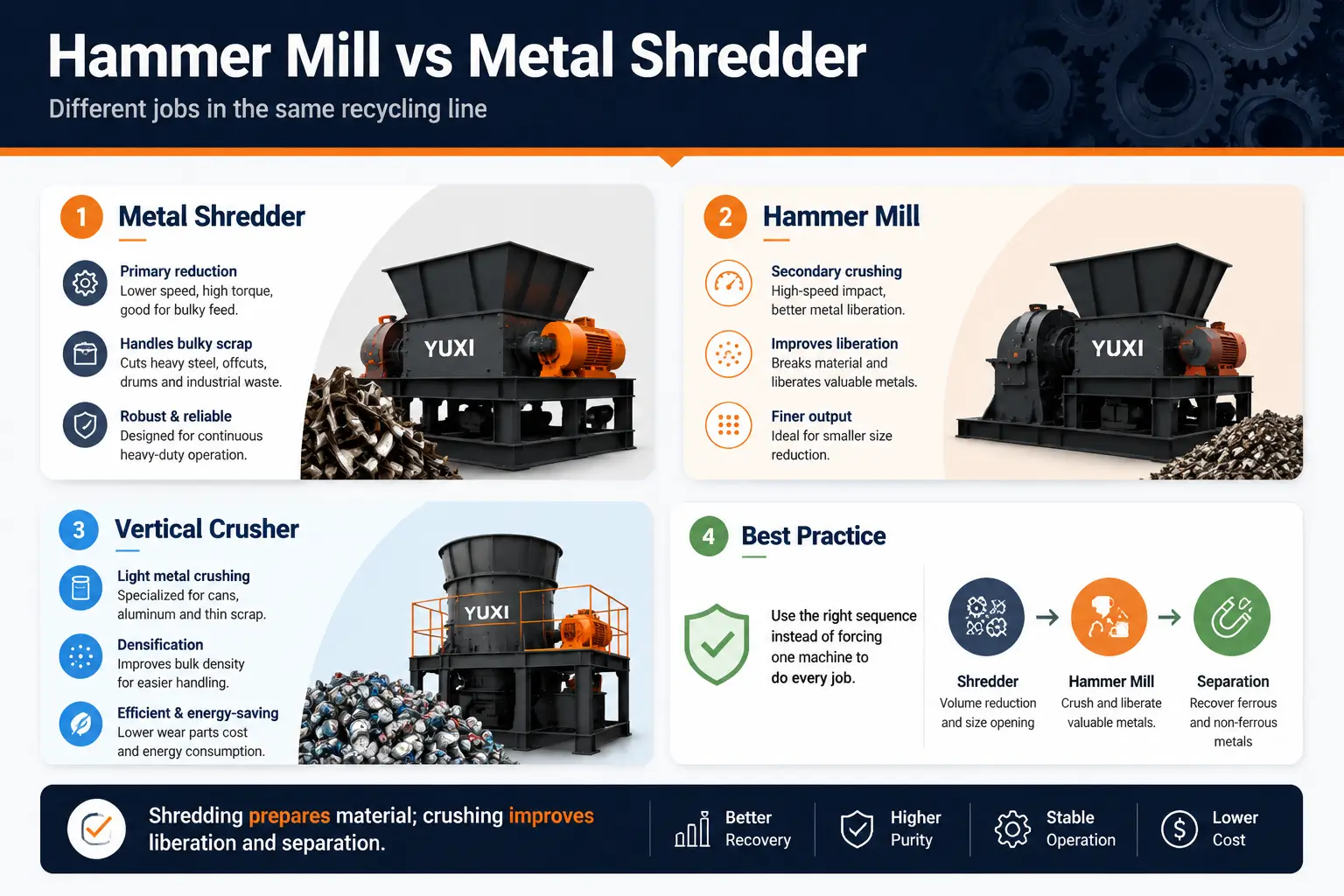
Image 4: A shredder and hammer mill are often used together instead of competing with each other.
How it works
Material enters a high-speed crushing chamber where hammers impact and break it into smaller, denser pieces. This action helps separate metal from mixed components and prepares material for magnetic separation, eddy current separation or other sorting processes.
Best applications
Hammer mills are often used in vehicle scrap recycling, appliance recycling, steel scrap upgrading and mixed metal recovery lines. They are especially useful when the plant needs smaller output, better density and improved separation quality. YUXI’s related product is the Hammer Mill Metal Crusher.
Advantages
The key advantage is liberation. A hammer mill can improve the separation of ferrous and non-ferrous metals by breaking mixed scrap into more suitable pieces. It can also increase bulk density and create output that is easier to classify and sort.
Limitations
Hammer mills are not always ideal as the first machine for oversized bulky scrap. Large car bodies, long metal pieces or heavy irregular scrap may need primary shredding first. Hammer mills also have higher-speed wear parts, so hammers, liners and screens must be considered in operating cost.
Vertical Metal Crusher
A vertical metal crusher is often used for light metal scrap and aluminum recycling applications. Its vertical chamber design allows lightweight materials to be crushed, compacted and densified in a relatively compact footprint.
Best materials
Typical feed materials include UBC cans, aluminum cans, thin metal containers, light aluminum scrap and some sheet metal waste. It is not designed for heavy steel beams, complete car bodies or large mixed demolition scrap.
Advantages
The main advantage is density improvement for light materials. Aluminum cans and similar low-density scrap take up large storage and transportation space. A vertical crusher can reduce that volume and improve handling efficiency. For this category, YUXI offers the Vertical Metal Crusher.
Connection with aluminum recycling
For larger aluminum scrap projects, the vertical crusher may be part of a wider process. A complete Aluminum UBC Scrap Recycling Line can include feeding, crushing, density improvement and downstream sorting to recover cleaner aluminum fractions.
Metal Shredder Type Comparison Table
| Type | Working principle | Best materials | Output control | Typical use |
|---|---|---|---|---|
| Single shaft shredder | Rotor + hydraulic ram + screen | Aluminum profiles, light scrap, factory offcuts | Very good | Controlled output from regular feed |
| Double shaft shredder | Two counter-rotating shafts | Steel scrap, drums, appliances, mixed metal | Moderate | Primary shredding and volume reduction |
| Four shaft shredder | Multi-shaft cutting and sizing | Containers, mixed scrap, controlled discharge applications | Good to very good | Repeated cutting and better sizing |
| Hammer mill metal crusher | High-speed impact crushing | Vehicle scrap, appliances, shredded metal | Good | Liberation and density improvement |
| Vertical metal crusher | Vertical impact and crushing | UBC cans, aluminum cans, light scrap | Good | Light metal densification |
Which Type Is Best for Different Scrap Materials?
For steel scrap, a double shaft metal shredder is usually the first choice because it can handle irregular feed and heavy loading. If the output needs to be more compact or better separated, a hammer mill may be added after the shredder.
For car bodies, the usual route is not one machine. A heavy-duty primary shredder reduces the vehicle shell, and a hammer mill improves liberation. Magnetic separation and eddy current separation then recover ferrous and non-ferrous metals. STEINERT describes eddy current separators as equipment used to recover marketable non-ferrous metal mixtures after preparation stages such as crushing, classification and magnetic separation. Source: STEINERT
For aluminum cans, a vertical metal crusher or dedicated aluminum recycling system is often more practical than a heavy-duty steel scrap shredder. For steel drums, double shaft shredders are commonly used because they can grip and tear cylindrical containers. For appliances, a shredder plus sorting line is usually better than a standalone machine if metal recovery value matters.
Shredder vs Hammer Mill vs Crusher
Many buyers compare shredders, hammer mills and crushers as if they are interchangeable. In real recycling plants, they often work together. A shredder is typically used for primary size reduction. It opens bulky material and reduces volume. A hammer mill is used for secondary crushing and liberation. A vertical crusher is used for light metal crushing and density improvement.
For simple scrap yard handling, a standalone shredder may be enough. For mixed metal recovery, a line that combines shredding, crushing and separation is often more effective. Bunting Magnetics notes that eddy current separation is widely used in recycling to separate non-ferrous metals from material streams. Source: Bunting Magnetics
When Do You Need a Complete Metal Recycling Line?
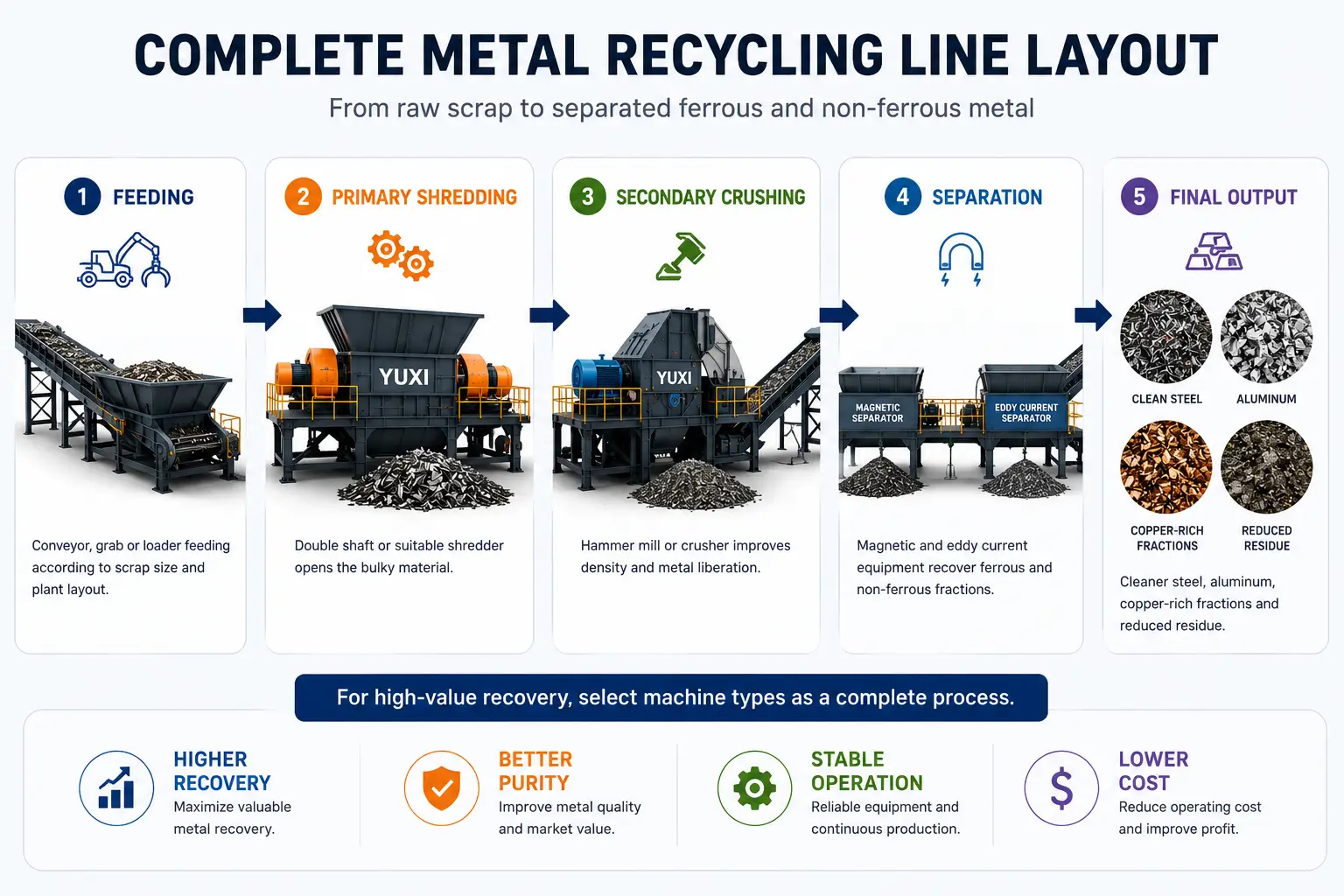
Image 5: A complete line combines shredding, crushing, magnetic separation and eddy current separation.
A complete metal recycling line is recommended when the project requires higher recovery value, metal purity, aluminum recovery, copper recovery or processing of mixed material streams. The more mixed the scrap is, the more important downstream separation becomes.
A typical YUXI line may include feeding conveyors, a metal shredder, hammer mill metal crusher, magnetic separator, eddy current separator, dust collection and control system. OSHA also highlights that metal scrap recycling workers can face hazards from material handling and machine operation, so guarding, lockout procedures and safe machine access should be considered during equipment layout. Source: OSHA
Common Mistakes When Choosing Metal Shredder Types
Choosing only by price
A lower quotation does not mean the machine fits the scrap. Wrong machine type can create higher cost later.
Ignoring material thickness
Light aluminum scrap and heavy steel scrap require different shaft, blade and chamber designs.
Using single shaft for heavy mixed scrap
Single shaft machines are useful, but they are not the first choice for every heavy-duty application.
Using hammer mill as the first machine
Hammer mills often perform best after oversized material has been pre-shredded.
Forgetting downstream separation
Recovery value often comes from sorting, not shredding alone.
No expansion plan
Future capacity growth should be considered before the first equipment purchase.
Final Thoughts
Final Thoughts
If your goal is simple volume reduction, a properly selected double shaft metal shredder may be enough. If your goal is higher-value metal recovery, better separation and long-term recycling business growth, you should plan the shredder as part of a complete processing line.
The best metal shredder is not always the largest machine, the most expensive machine or the cheapest quotation. It is the machine that matches your scrap material, required capacity, output size, downstream sorting process and maintenance capability.
Need help choosing the right metal shredder type?
Share your scrap material, input size, daily capacity target and required output. YUXI can suggest a practical shredding, crushing and separation configuration.
Contact YUXIFAQ: Types of Metal Shredders
What are the main types of metal shredders?
The main types include single shaft metal shredders, double shaft metal shredders, four shaft metal shredders, hammer mill metal crushers and vertical metal crushers. Each type is designed for different feed materials, output targets and recycling processes.
What is the difference between single shaft and double shaft metal shredders?
A single shaft shredder uses one rotor and often a screen to control output size. A double shaft shredder uses two counter-rotating shafts for low-speed, high-torque shearing, making it better for bulky or irregular scrap metal.
Which shredder is best for steel scrap?
For most bulky steel scrap, a double shaft metal shredder is commonly used as the primary machine. If smaller and denser output is required, a hammer mill crusher may be added after primary shredding.
Which shredder is best for aluminum scrap?
Light aluminum cans and UBC scrap may be processed with a vertical metal crusher or aluminum recycling line. Larger aluminum profiles or mixed aluminum scrap may require a metal shredder before sorting.
Can a metal shredder process car bodies?
Yes, heavy-duty metal shredders can process car bodies and end-of-life vehicle scrap, but car body recycling usually needs downstream hammer mill crushing, magnetic separation and eddy current separation.
What is a hammer mill metal crusher used for?
A hammer mill metal crusher is used for secondary crushing, metal liberation and density improvement. It is often used after primary shredding in vehicle, appliance and mixed scrap recycling lines.
When should I use a four shaft metal shredder?
A four shaft metal shredder is useful when output size control is important and the material is suitable for repeated cutting. It is often used for containers, mixed industrial scrap and materials that need controlled discharge.
Is a vertical metal crusher suitable for UBC cans?
Yes, a vertical metal crusher is suitable for aluminum cans, UBC scrap and other light metal materials where density improvement and compact layout are important.
Do I need a complete metal recycling line?
A complete line is recommended when metal purity, aluminum recovery, copper recovery or mixed-material separation matters. A standalone shredder may be enough for simple volume reduction.
How do I choose the right metal shredder type?
Start with material type, input size, thickness, target capacity, required output size and downstream sorting needs. The right shredder type should match the real material behavior, not only the machine name or lowest price.